The Taylor Farms facility in Guanajuato, Mexico, linked to contaminated lettuce and the largest U.S. cyclospora outbreak, had not received an FDA inspection for seven years. The outbreak is tied to two deaths and thousands of illnesses among nearly 25,000 reported U.S. cases. Critics say staffing cuts and reduced foreign inspections weakened overseas oversight, while the FDA emphasizes a risk-based approach that includes screening, testing and other import controls.
Mexican Farm Linked to Major Cyclospora Outbreak Went Seven Years Without FDA Inspection
Farm linked to deadly explosive diarrhea outbreak hadn’t been inspected in 7 years: report
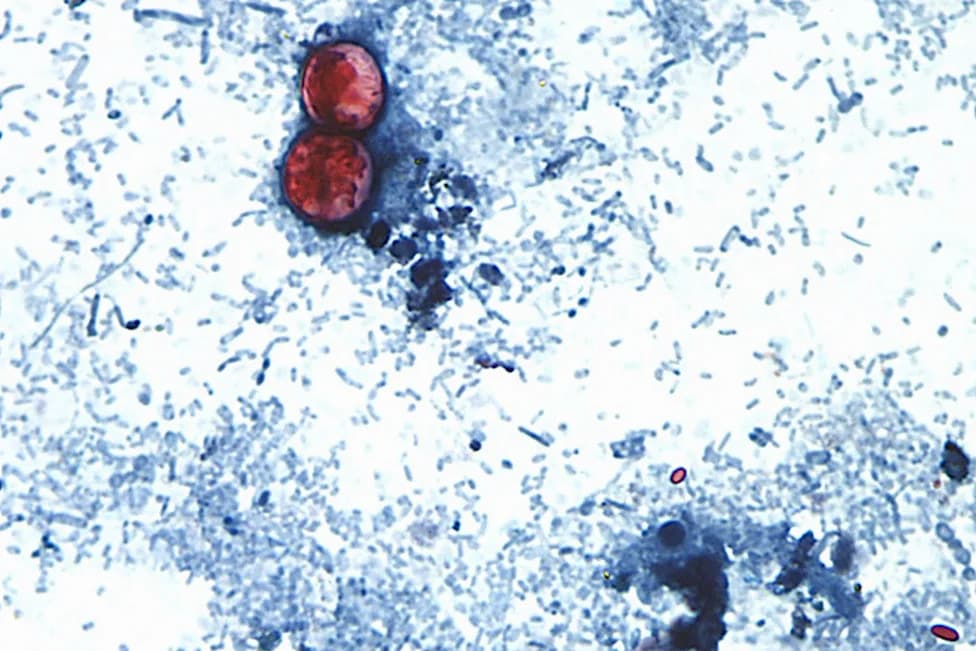
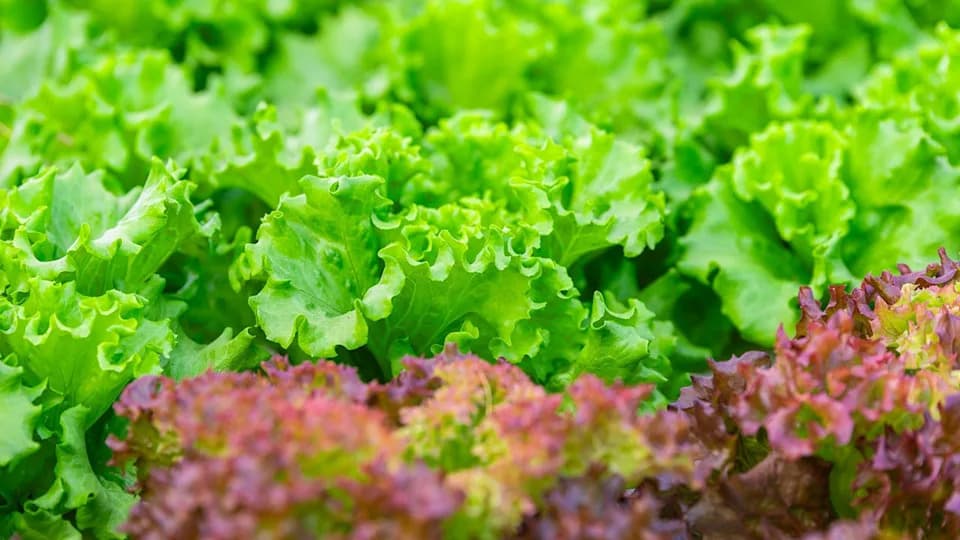
A Mexican production facility tied to the largest recorded cyclospora outbreak in the United States had not been inspected by the U.S. Food and Drug Administration (FDA) for seven years, a CBS News investigation finds. Contaminated lettuce produced at Taylor Farms' Guanajuato, Mexico, plant has been linked to two deaths and to thousands of illnesses among nearly 25,000 reported U.S. cyclospora cases.
Investigation and Inspection History
The plant's most recent FDA on-site inspection, conducted in 2019, reported no violations. A separate review prompted by a 2013 cyclospora outbreak flagged that the facility had been recycling wash water, though investigators at that time could not definitively identify the outbreak source.
Taylro's Farms in Mexico hasn't undergone a federal inspection in years, according to a new report. The produce company has been linked to the cyclosporiasis outbreak (Reuters)
Broader Questions About Foreign Oversight
The revelations have intensified scrutiny of the FDA's capacity to oversee foreign food facilities. Under the Food Safety Modernization Act (FSMA), the agency was tasked with a goal of roughly 20,000 annual foreign facility inspections. In practice, the FDA typically conducts about 1,000 foreign inspections each year, far short of that benchmark.
A ProPublica analysis and reporting from other outlets linked an historic low in foreign inspections to staffing reductions during the prior administration, including cuts to positions that arranged travel for overseas inspections. Officials cited by those reports said inspectors themselves were not laid off, but capacity to schedule and carry out foreign inspections was constrained.
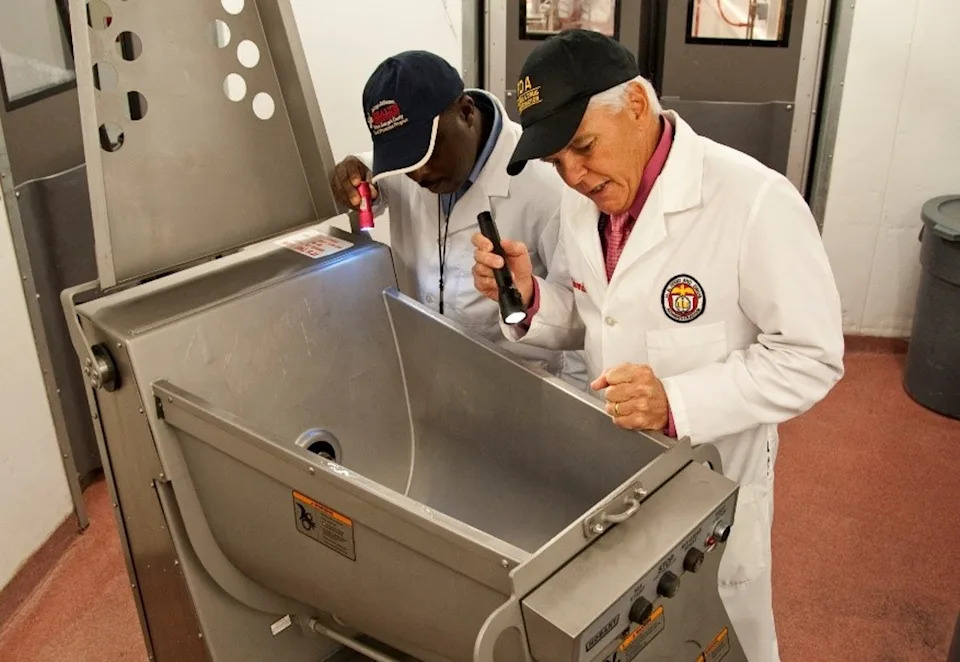
Food and Drug Administration inspectors were not laid off last year - but officials said cuts still had impacts. The FDA says inspection is only part of the picture (FDA)
"There are going to be things that fall through the cracks, and these things aren't negligible," an anonymous FDA investigations official told ProPublica, highlighting how reduced capacity can create gaps in oversight.
FDA Response and Risk-Based Approach
The FDA and the Department of Health and Human Services have pushed back against judging oversight solely by inspection counts. In a statement relayed to the press, an HHS spokesperson said the agency's imported-food protections "go well beyond on-site inspections," citing import screening, sampling and laboratory testing, import alerts, detention without physical examination when warranted, foreign supplier verification, third-party certification and coordination with foreign regulators.
The FDA says it prioritizes resources based on risk and announced plans to expand unannounced inspections at foreign facilities to strengthen oversight. The agency also notes that foreign inspections have historically uncovered serious deficiencies at higher rates than domestic inspections.
What Comes Next
Public-health investigators continue to trace illnesses linked to the outbreak and to evaluate whether gaps in foreign inspection capacity played any role. The incident has renewed calls from consumer and public-health advocates for greater resources and more frequent, unannounced foreign facility inspections to better protect the U.S. food supply.
Help us improve.