The Invisible Workers project report documents how Jordan's garment production system extends employer control into workers' homes and free time through overcrowded dormitories, mandatory deductions, curfews and the kafala sponsorship system. Based on 48 interviews and participatory mapping in Al-Hassan and Ad-Dhulayl, researchers describe low cash wages, health risks, mandatory pregnancy testing and barriers to leaving abusive jobs. After CBP detained garments from Needle Craft and Casual Wear Apparel, the findings have prompted brand inquiries and calls for policy change, including sponsor-free mobility, higher wages and better dormitory standards.
Report: Jordan's Garment System Extends Employer Control Into Workers' Lives
Jordan Garment Oversight Misses Labor Risks Beyond Factories
For many migrant garment workers in Jordan, a late factory shift is only the most visible part of an employer's control. A new University of Nottingham report from the Invisible Workers project maps how overcrowded dormitories, mandatory housing and meal deductions, curfews and the kafala sponsorship system turn workers' off-hours into another dimension of workplace control.
Detention Order Raises Urgency
The report—"Threads of Life: Counter-Mapping Jordan's Garment Labour Regime From a Worker's Perspective"—gained renewed attention after U.S. Customs and Border Protection (CBP) issued a Withhold Release Order (WRO) on June 23, detaining garments produced by Jordan-based Needle Craft and Casual Wear Apparel amid indicators of forced labor. The study argues these conditions are embedded across a broader production model that supplies duty-free apparel to major U.S. brands.
Methodology and Participants
The University of Nottingham team spent several years researching the sector beginning in 2023. The qualitative study is based on 48 hour-long interviews—primarily with women (Jordanian, Syrian and migrant workers from South and South‑East Asia and Madagascar)—each re-interviewed roughly a year later. Researchers also conducted participatory mapping sessions in Al-Hassan and closed group mapping in Ad-Dhulayl in 2024 and 2025. Participants reviewed maps and materials and could correct or request removal of identifying details.
Key Findings
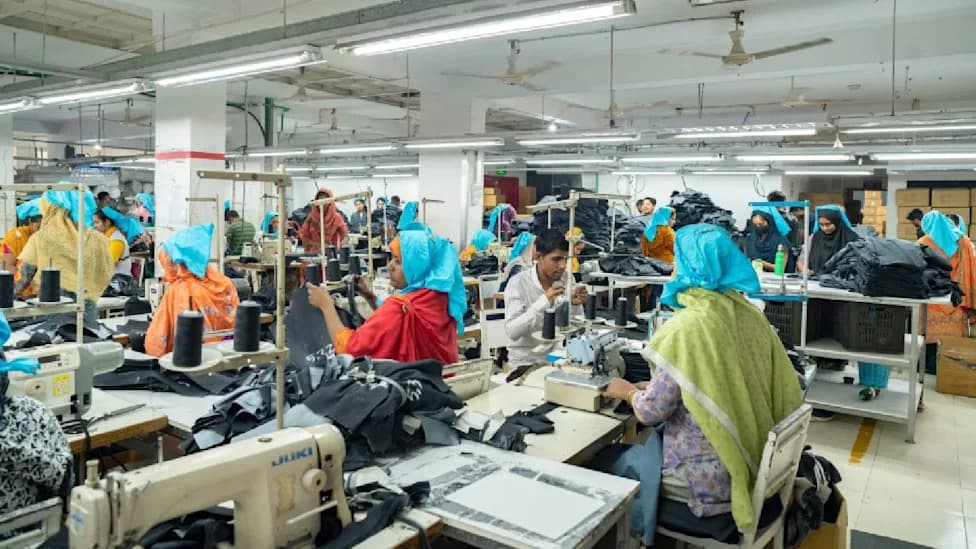
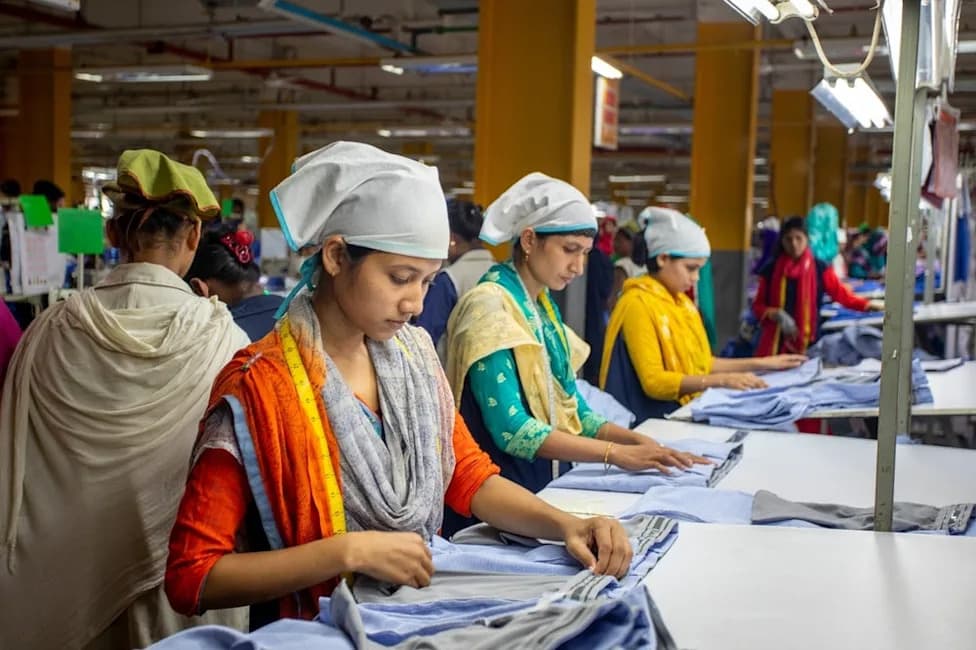
Jordan's garment sector employs about 80,000 people and produces largely for the U.S. market. Roughly two-thirds are migrant workers, predominantly young women on three-year contracts. More than 55,000 foreign workers live in employer-provided dormitories within or adjacent to industrial zones.
Under Jordan's kafala sponsorship system, work and residency permits are tied to an employer sponsor. Ending a contract early or changing jobs typically requires the employer's consent via a release letter. Some employers reportedly make release conditional on repayment of recruitment fees or on workers buying return tickets—practices the researchers say are unlawful. Workers who leave without approval become undocumented and risk detention, deportation or fines that block exit from the country.
Garment workers reported base wages of about 230 Jordanian dinars per month, with 100 dinars designated for employer-provided housing and meals and deducted from wages rather than provided as a separate benefit. After social security and union contributions, take-home pay from base wages averages around 110 dinars before overtime. Many workers rely on extensive overtime to make remittances viable.
Time Poverty and Living Conditions
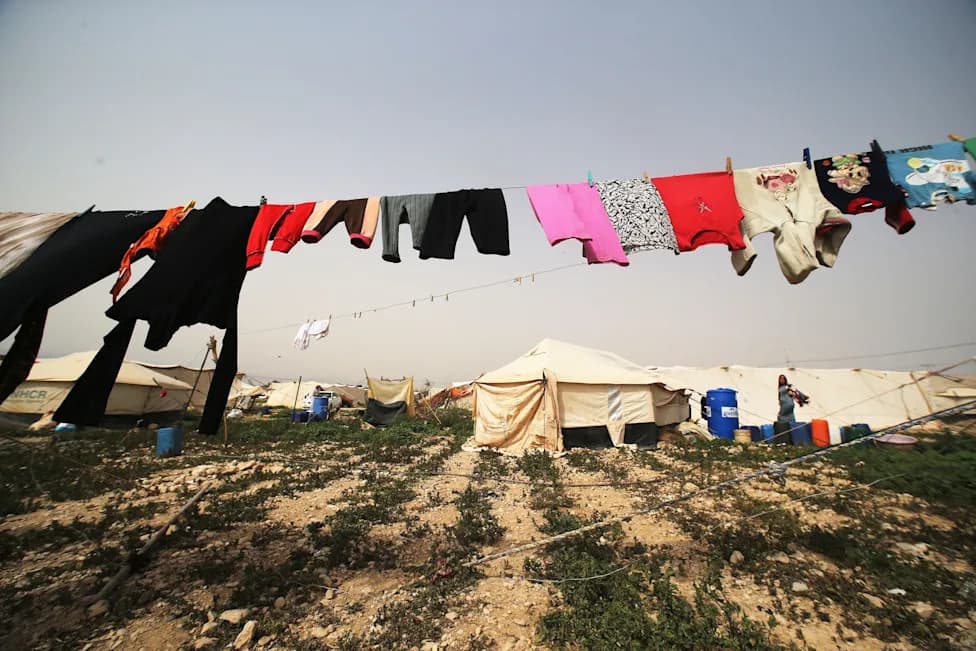
Overcrowded dormitories consume the limited hours workers have outside production. Rooms commonly house eight to 10 people and floors up to 100 residents. One worker from Madagascar described returning from a 10 p.m. shift to find long queues for limited kitchen outlets and hot water—meaning some do not eat or shower until after midnight and then wake for early shifts, creating what researchers term "time poverty."
Health, Safety and Confidentiality Concerns
Factory-run clinics commonly dispense basic analgesics such as acetaminophen rather than comprehensive care. Since clinic staff are employed by factories, workers fear confidentiality breaches and possible retaliation—deterring them from reporting serious conditions. Private healthcare is often unaffordable unless factory doctors refer and employers approve emergency treatment.
Workers reported chronic musculoskeletal pain from long hours at sewing machines, urinary tract and kidney problems among women, hoarseness, chronic cough and asthma-like symptoms. Researchers documented exposure to textile dust, plastic microfibers, outdoor air pollution from neighboring plants and pesticide residues in poorly ventilated dormitories—an overlapping "continuum of harm" that conventional factory-only safety reviews may miss.
More than 80% of the 48 women said they underwent mandatory pregnancy testing during recruitment despite official prohibitions, and pregnancy frequently led to contract termination despite formal social security entitlements to maternity leave.
Mental Health and Systemic Failures
Brands and Better Work Jordan began funding mental-health initiatives in 2022, including a short-lived union-run clinic and occasional factory wellness days. Researchers say such programs did not address root causes after two young Bangladeshi workers in Ad-Dhulayl died by suicide in fall 2023. The report points to long hours, debt, isolation, sexual abuse and racially patterned exploitation as underlying drivers of distress.
Brands, Responses and Recommendations
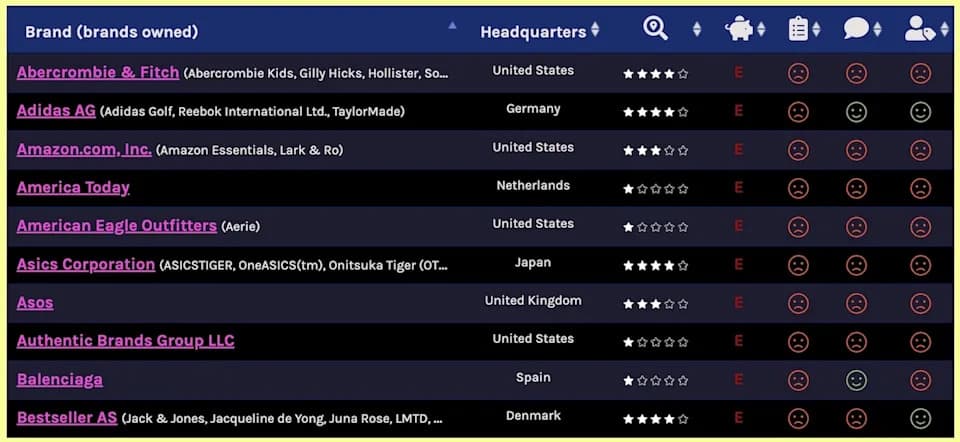
The report names several brands as clients of Jordan factories—American Eagle, Columbia, Under Armour, Patagonia, Timberland, Adidas and Nike—but does not directly link every documented condition to a specific brand supplier. Adidas acknowledged receiving the report; Columbia and Under Armour told Sourcing Journal they had investigated alleged violations at Needle Craft and participated in remediation efforts and meetings with CBP beginning in 2024. Columbia said it engaged third-party remediation that it reported concluding in fall 2025 but did not publish detailed findings.
Researchers recommend: ending sponsor control over job changes; aligning garment wages with Jordan's national minimum; requiring overtime to be voluntary and predictable; instituting independent health insurance and paid sick leave; and expanding occupational health-and-safety standards to dormitories, canteens and surrounding environments.
"By thinking about labor beyond the factory space, you're already doing something quite different," lead author Katharina Grüneisl said. Participatory mapping, she added, helped reveal aspects of workers' lives that factory-centered reviews often miss.
Researchers briefed Better Work Jordan and the International Labour Organization; some ILO representatives attended the report launch. JGATE, Classic Fashion and Jordan's Ministry of Labor were informed or invited to discuss the findings but had not provided detailed responses at the time of the report. The CBP detention order and the researchers' mapping have intensified scrutiny of Jordan's garment export model and its implications for brands and regulators.
Help us improve.