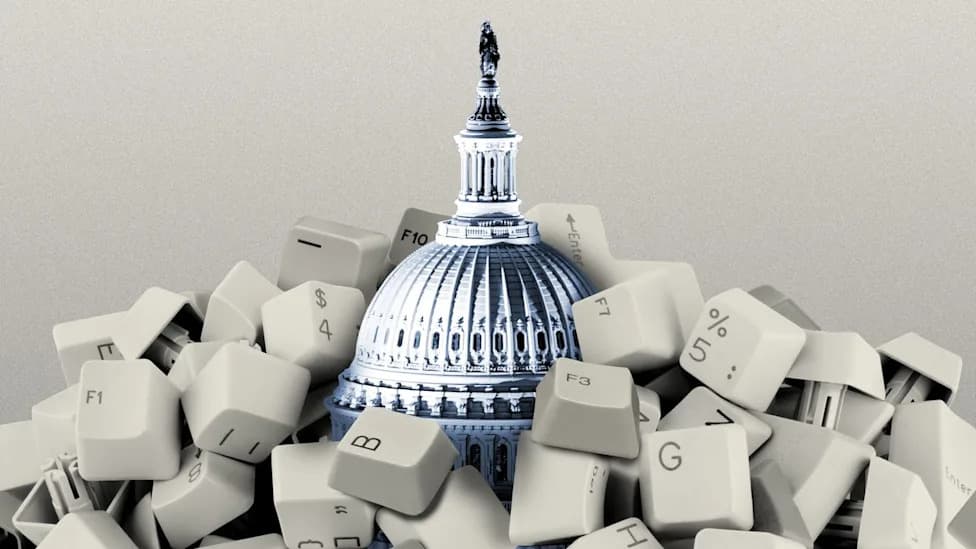
The debate over public co-ownership of AI has moved from the margins to the center of U.S. policy. Senator Bernie Sanders’ American AI Sovereign Wealth Fund Act would compel the largest AI firms to issue half of their AI equity as newly issued shares to a public trust that pays dividends to Americans. Voluntary proposals from OpenAI and the administration — including a reported 5% donation — risk tying benefits to an administration and enabling regulatory bargaining. Advocates argue a mandatory equity tax is the most reliable, transparent way to ensure Americans share in AI’s gains.
AI Tax vs. Voluntary Donations: How a Mandatory Equity Tax Could Share AI’s Gains With Americans
—Alfieri—Getty Images
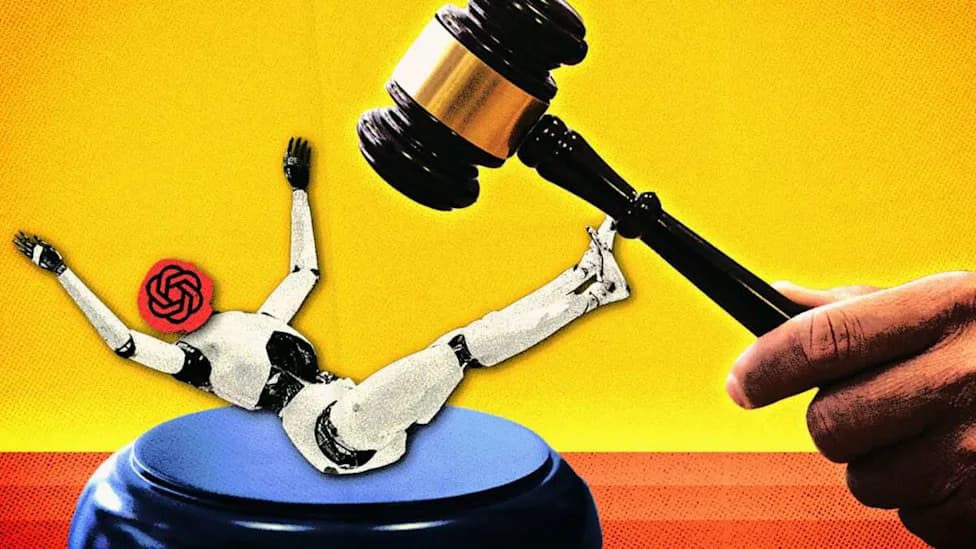
What was once a fringe idea — public co-ownership of artificial intelligence — is now a mainstream policy debate. At its center is whether the public should receive enforceable equity in AI businesses through a statutory tax or settle for voluntary transfers negotiated between companies and the federal government.
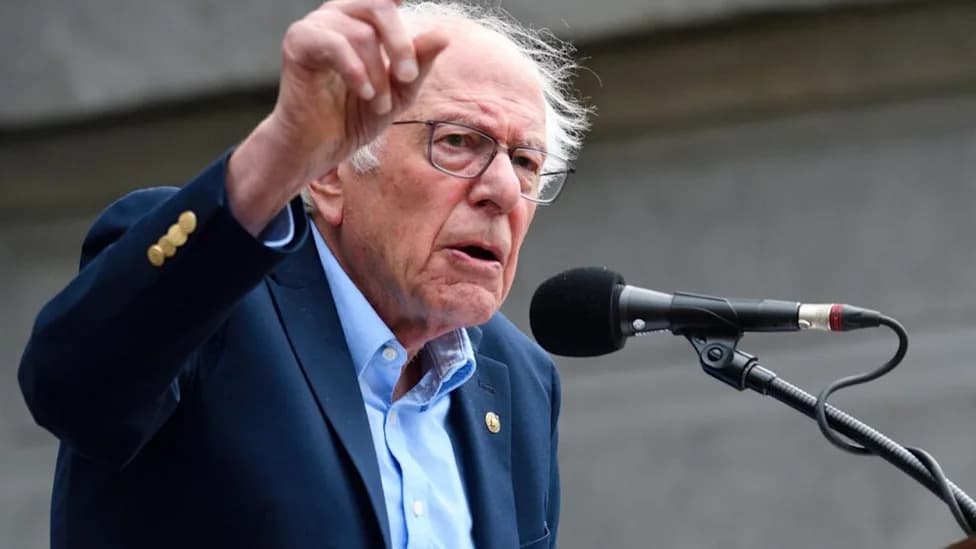
In June, Senator Bernie Sanders introduced the American AI Sovereign Wealth Fund Act, the first proposal to create an AI equity tax. The bill would require the largest AI firms to issue half of the equity tied to their AI operations as newly issued shares to a public trust designed to distribute returns to Americans.
Why a Mandatory Tax Matters
A tax is compulsory; that compulsion is precisely the argument proponents use to ensure the public becomes a durable co-owner of AI value. Public polling shows support: a national survey last month found 69% of Americans back requiring the largest AI firms to transfer half their AI-related stock into a public sovereign wealth fund.
Voluntary Deals Carry Risks
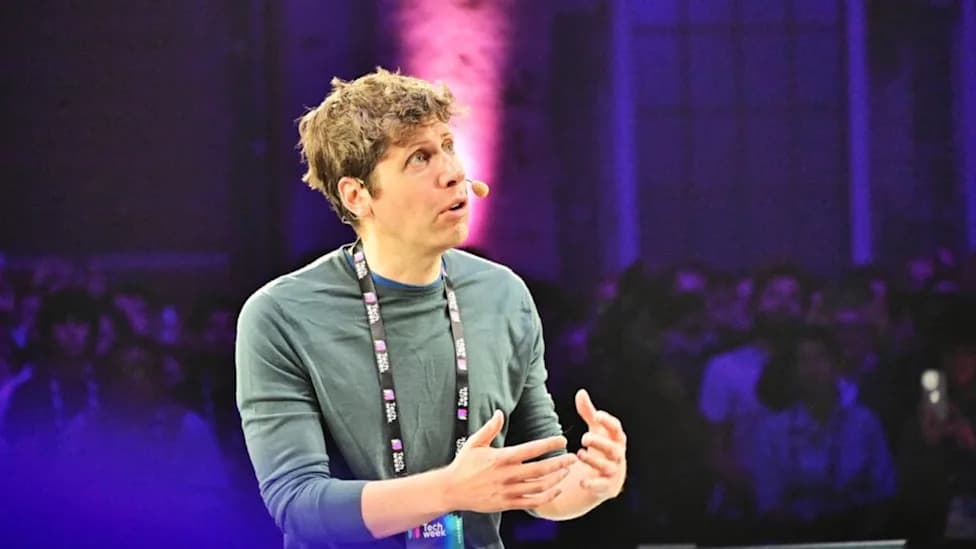
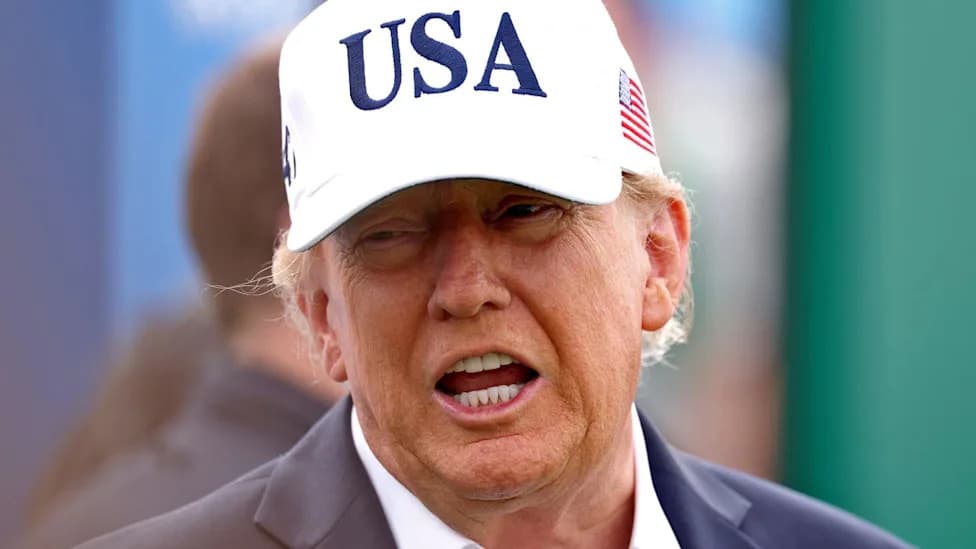
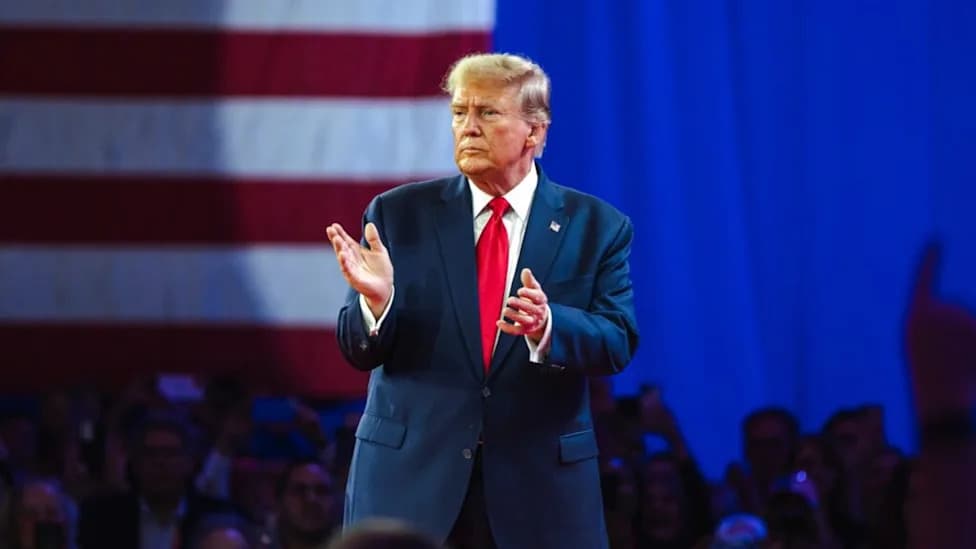
Since Sanders’ proposal, OpenAI CEO Sam Altman and President Donald Trump have proposed voluntary alternatives, including reports that OpenAI might offer the U.S. government a 5% stake modeled on the Alaska Permanent Fund. Those proposals would be negotiated between companies and the administration and could be revocable or conditional.
Voluntary arrangements risk tying benefits to an administration rather than to statutory public rights, creating opportunities for political bargaining and diminishing long-term public accountability.
Why Private Bargains Fall Short
The Trump administration has taken equity stakes in more than two dozen companies in the past year. In several high-profile cases — including a recently announced stake in Intel and a golden share tied to the Nippon Steel–U.S. Steel matter — the terms were set through executive negotiations rather than statute, and benefits attached to the administration’s authority rather than directly to citizens. That pattern underscores the danger that voluntarily negotiated stakes could be used as leverage in regulatory decisions.
What Sanders’ Bill Would Do
Under Sanders’ proposal, covered companies would transfer half their AI-related equity as newly issued shares to a public trust. By statute, the trust would distribute returns to Americans rather than using taxpayer dollars to buy the shares or exposing the public to bailouts. Sanders’ office estimates a 5% annual distribution could yield roughly $1,045 per person.
Stakes, Power, and Political Leverage
Critics of voluntary deals warn that donated stakes could become bargaining chips: firms preparing IPOs or facing regulatory limits may find it expedient to offer equity in exchange for favorable treatment. A revocable 5% donation from a company like OpenAI could secure short-term political buy-in while leaving long-term public benefits uncertain.
Conclusion
The choice facing policymakers is stark. One path — negotiated, voluntary stakes — concentrates leverage in the executive branch and risks the public’s interest being subordinated to political deals. The other path — a statutory equity tax with clear distribution rules and public governance — would aim to distribute AI-driven prosperity broadly, transparently, and with legal accountability.
Who decides in the coming months will largely determine who truly owns America’s AI future.
Help us improve.