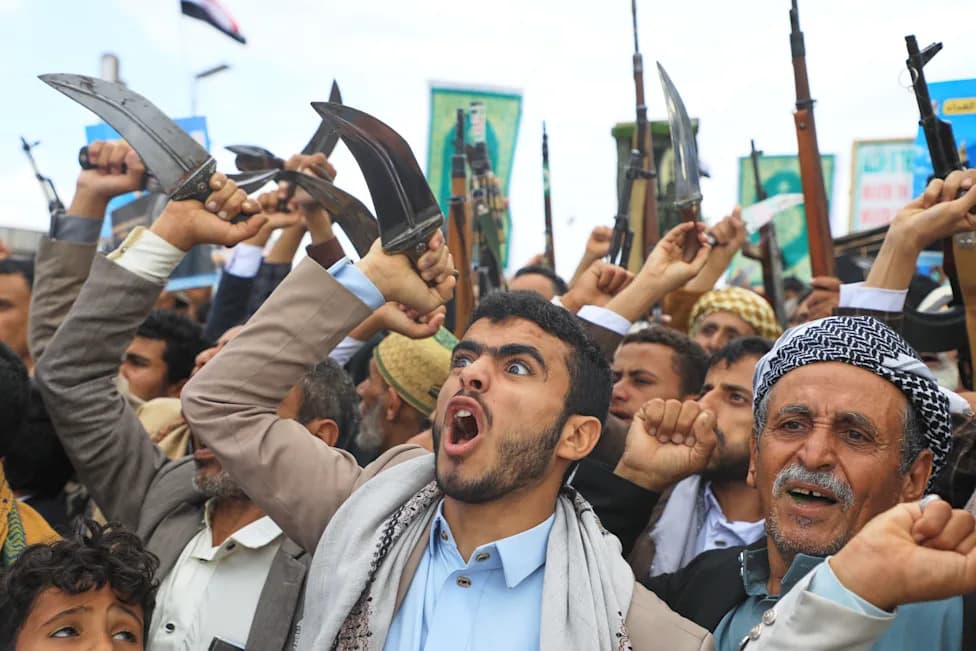
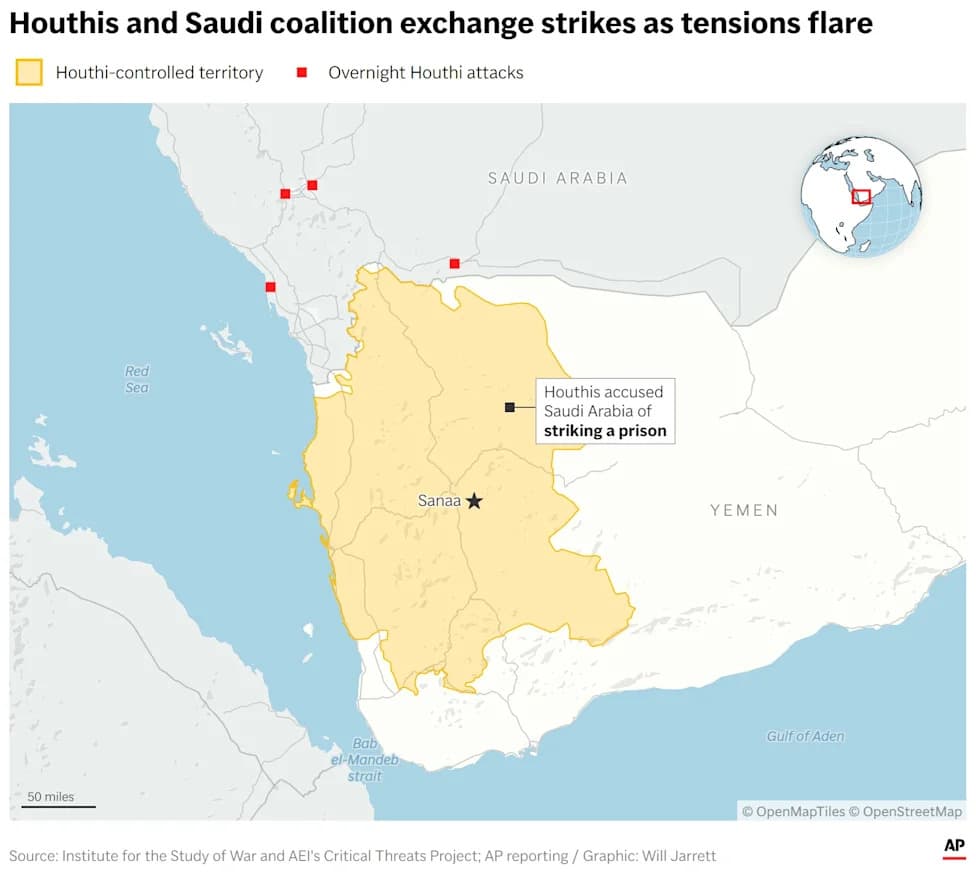
Three Pakistani nationals were killed when Iranian-backed Houthi rebels attacked a ship in the Bab el-Mandeb strait, leaving six people dead in total and prompting Pakistan to condemn the strike as a threat to maritime security. The incident — along with Houthi strikes focused on Mokha and Saudi targets — raises fears the 2022 Yemen truce could collapse and widen the Middle East conflict. Separately, Colombia's recognition of Israeli sovereignty over the Golan Heights drew strong criticism from Turkey and renewed concerns about international law.
Three Pakistanis Killed in Houthi Ship Attack; Tensions Rise in Red Sea — Colombia Recognizes Golan
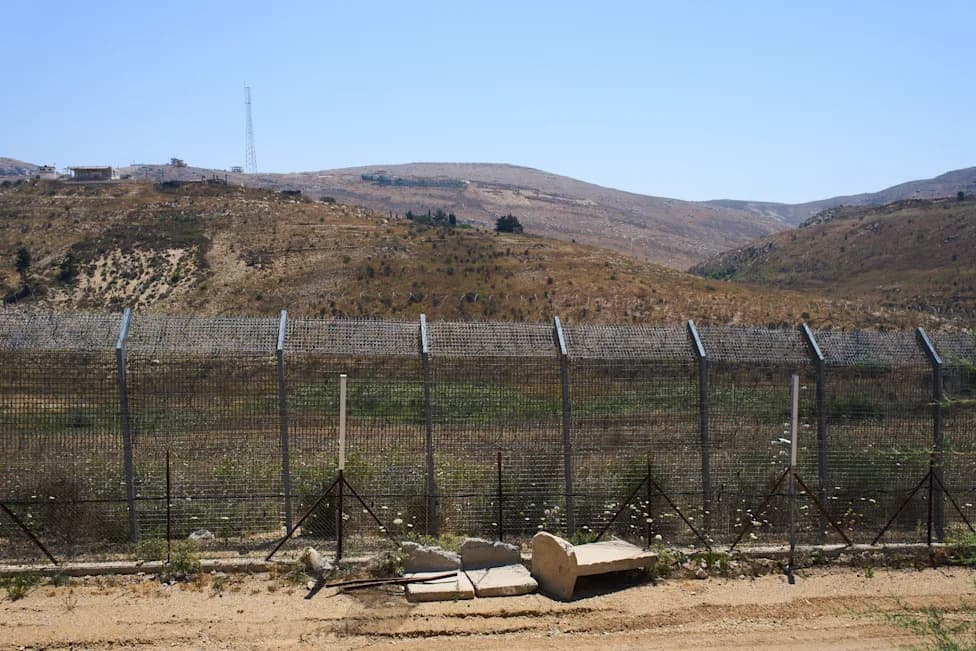
The border between Syria and the Israeli-controlled Golan Heights town of Majdal Shams is seen Tuesday, July 21, 2026. (AP Photo/Ariel Schalit)
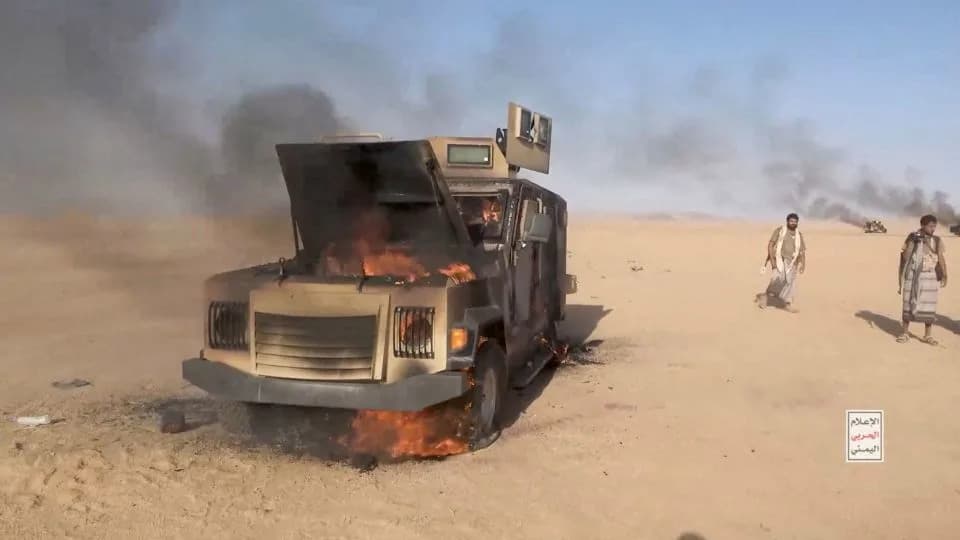
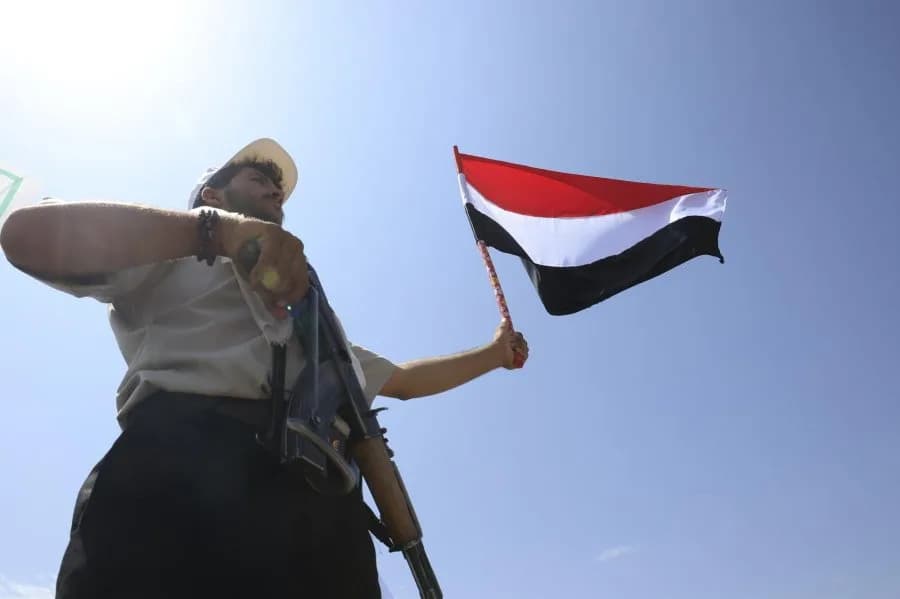
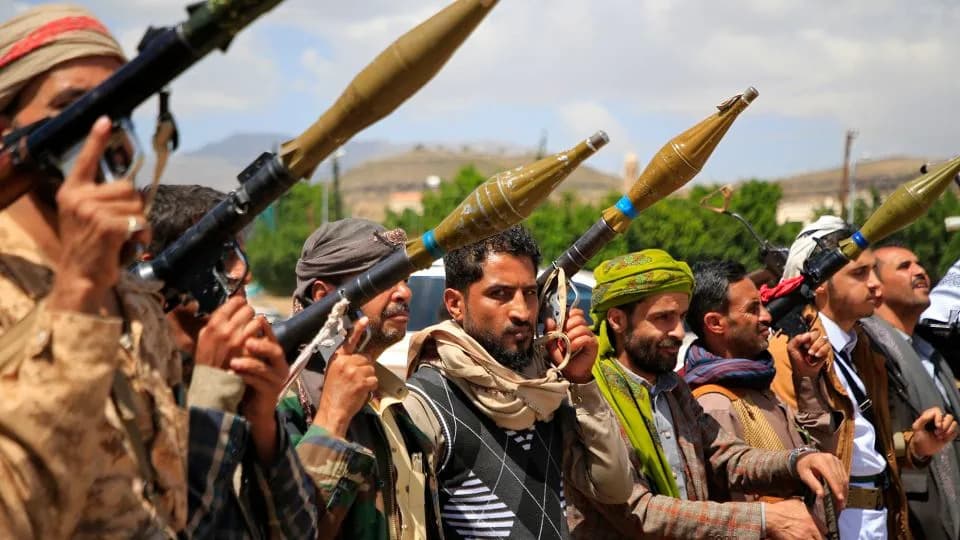
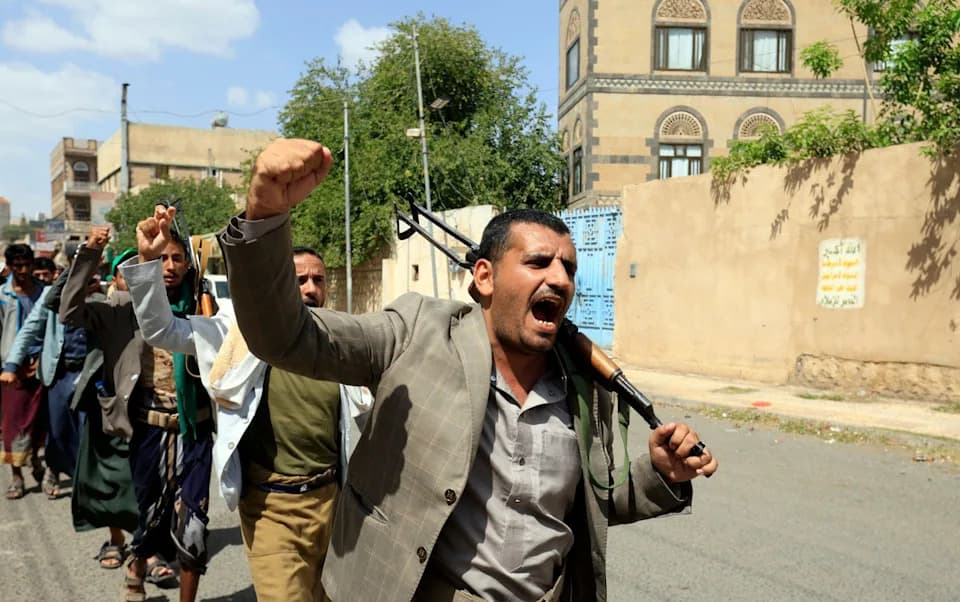
Three Pakistani nationals were killed when Iranian-backed Houthi forces struck a commercial vessel off the coast of Yemen, the first confirmed fatalities from the rebels' recent campaign targeting shipping in the region. Authorities said a total of six people died in the attack, which took place in the strategic Bab el-Mandeb strait.
Houthi Attack Raises Fears of Wider Escalation
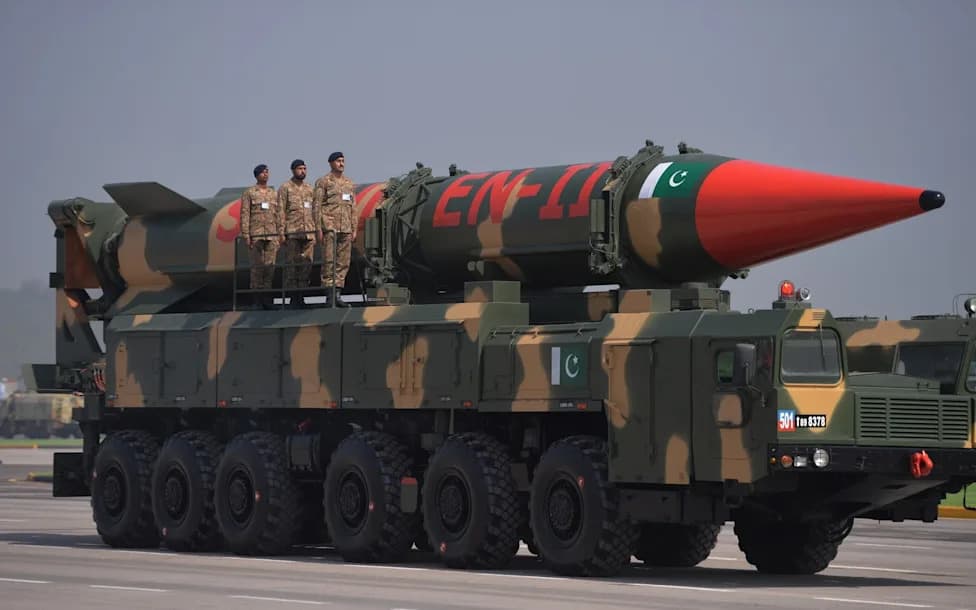
Pakistan's Foreign Minister Ishaq Dar condemned the strike on Wednesday, saying three Pakistanis were killed and another was wounded. In a post on X, he warned the attacks "endanger innocent lives, constitute a violation of international law, and pose a serious threat to freedom of navigation, maritime security, and the safety of commercial shipping in the Red Sea."
“Such attacks endanger innocent lives, constitute a violation of international law, and pose a serious threat to freedom of navigation, maritime security, and the safety of commercial shipping in the Red Sea,” Ishaq Dar wrote.
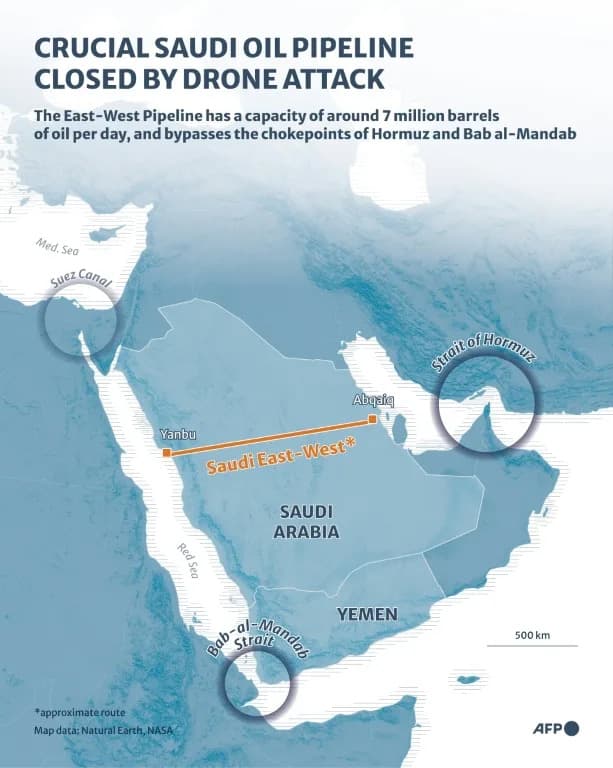
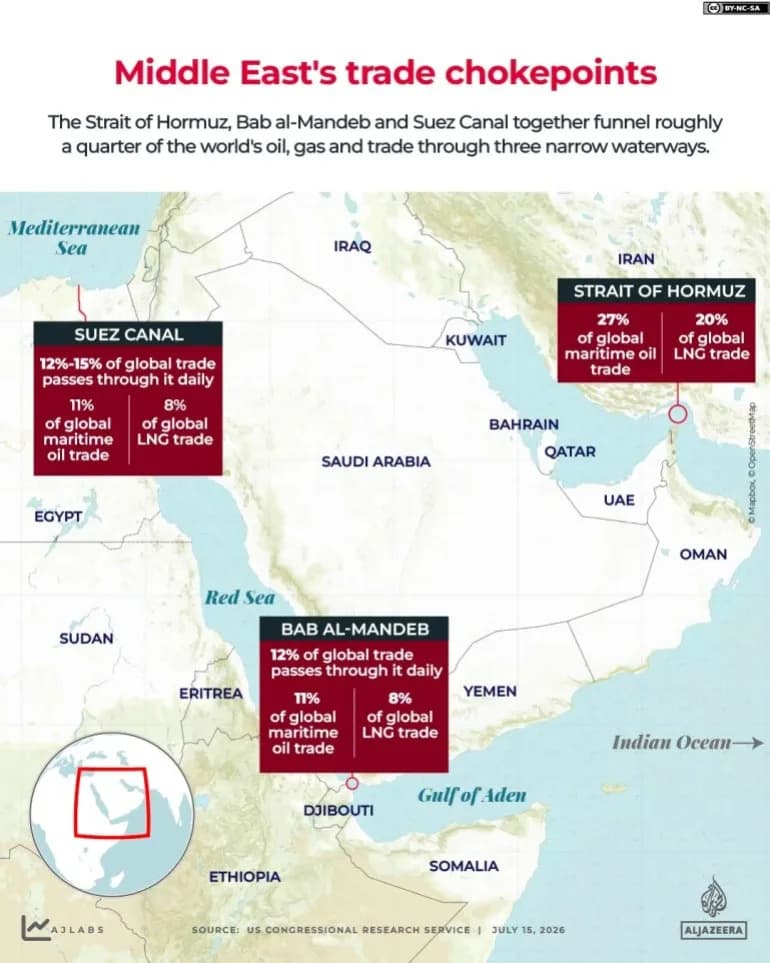
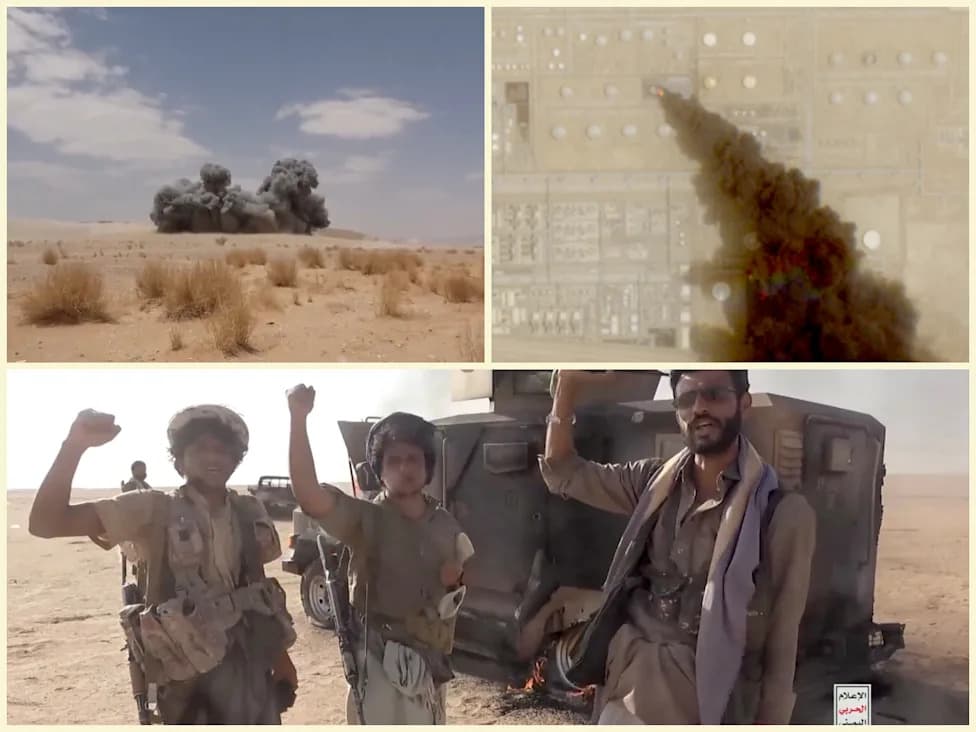
With the Strait of Hormuz effectively disrupted by Iranian actions, maritime traffic and global attention have shifted to the Red Sea and the Bab el-Mandeb at Yemen's southern tip — a key alternative route for Saudi oil shipments. The strike is part of a widening campaign of Houthi attacks that have targeted Yemeni government forces, Saudi oil infrastructure, and commercial shipping lanes.
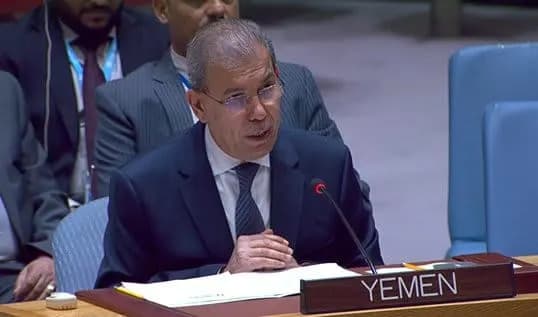
Many operations have focused on Mokha, a government-held port on the Red Sea. Yemen's military reports that dozens of government troops and civilians have been killed in recent strikes, fueling concerns that renewed violence could unravel a 2022 truce and open a new front in the wider Middle East conflict.
Diplomatic Fallout: Colombia, the Golan Heights and Turkey's Response
Separately, Colombia's new president, conservative Abelardo De La Espriella, announced recognition of Israeli sovereignty over the Golan Heights shortly after taking office. Israel captured the plateau in 1967 and annexed it in 1981 — a move not recognized by the United Nations.
Turkey sharply criticized Colombia's decision, calling it an attempt to "legitimize Israel's occupation" and a "grave violation of international law," and urged the international community to work toward ending Israel's occupation of the Golan Heights and other parts of southern Syria. The United States under President Donald Trump was the first country in recent decades to recognize Israeli control of the Golan Heights.
These developments come amid growing regional tensions and diplomatic friction at a time when conflicts in the Middle East are already straining global security and trade routes.
Help us improve.