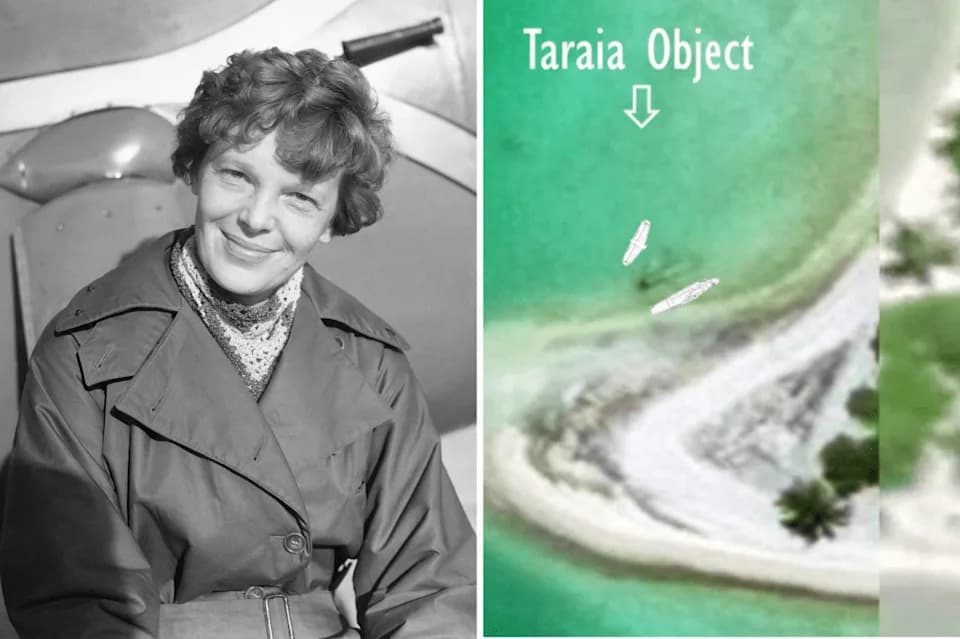
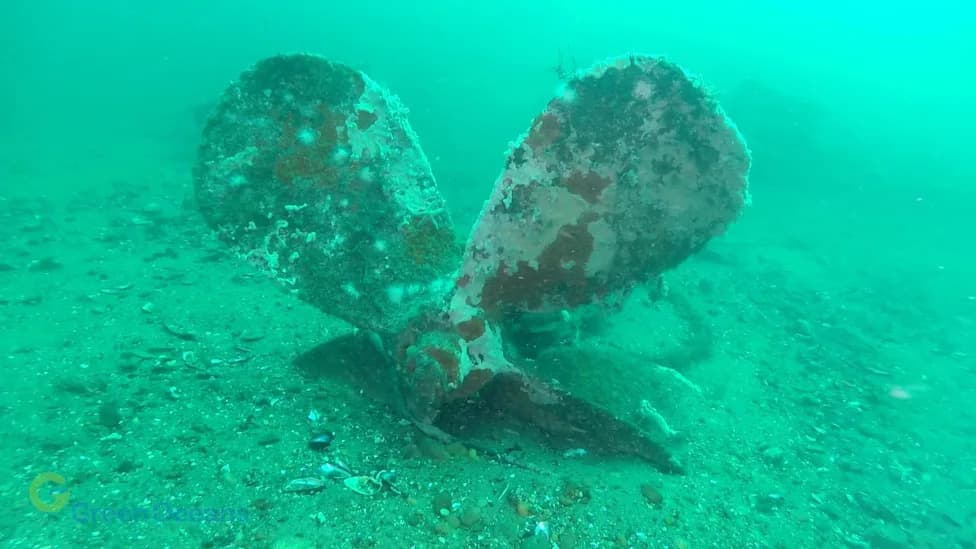
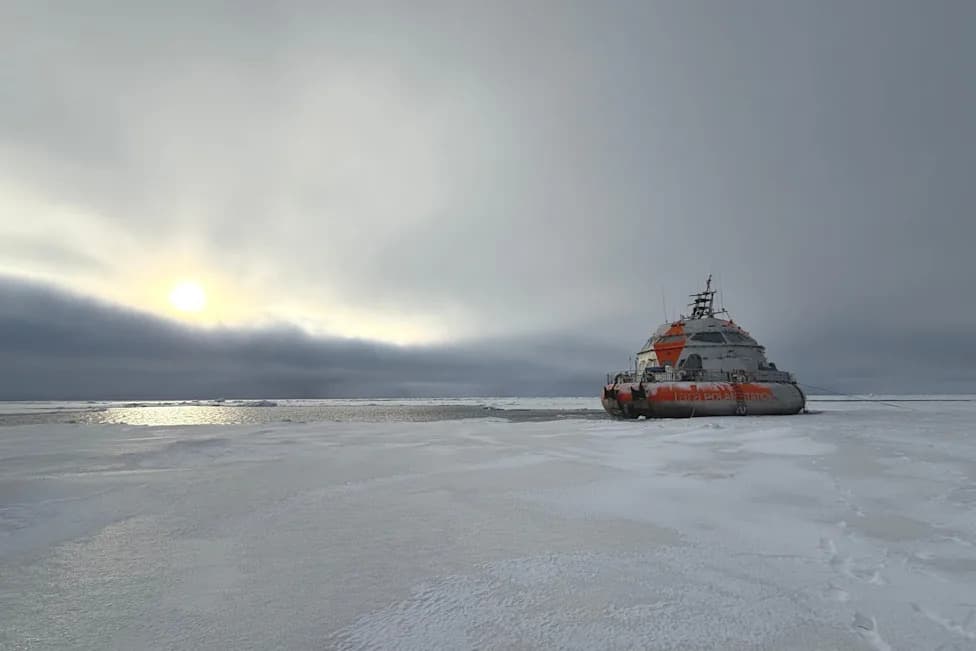
This fall a 16-person team will travel to Nikumaroro to investigate the 'Taraia object,' a satellite anomaly that may be wreckage from Amelia Earhart's Lockheed Electra 10E. The mission, led by archaeologist Richard Pettigrew and supported by Purdue and the Archaeological Legacy Institute, will use hydraulic dredging to expose any material remains and look for construction details unique to the Electra. Advocates cite satellite imagery, radio bearings, 1930s-era artifacts and bone analyses as supporting evidence; skeptics note prior promising leads have not produced conclusive proof. If investigators find probable wreckage, a full recovery and negotiated custody discussions with Kiribati are planned for a subsequent season.
New Nikumaroro Expedition Seeks to Test a Leading Amelia Earhart Theory: 'Something Is There'
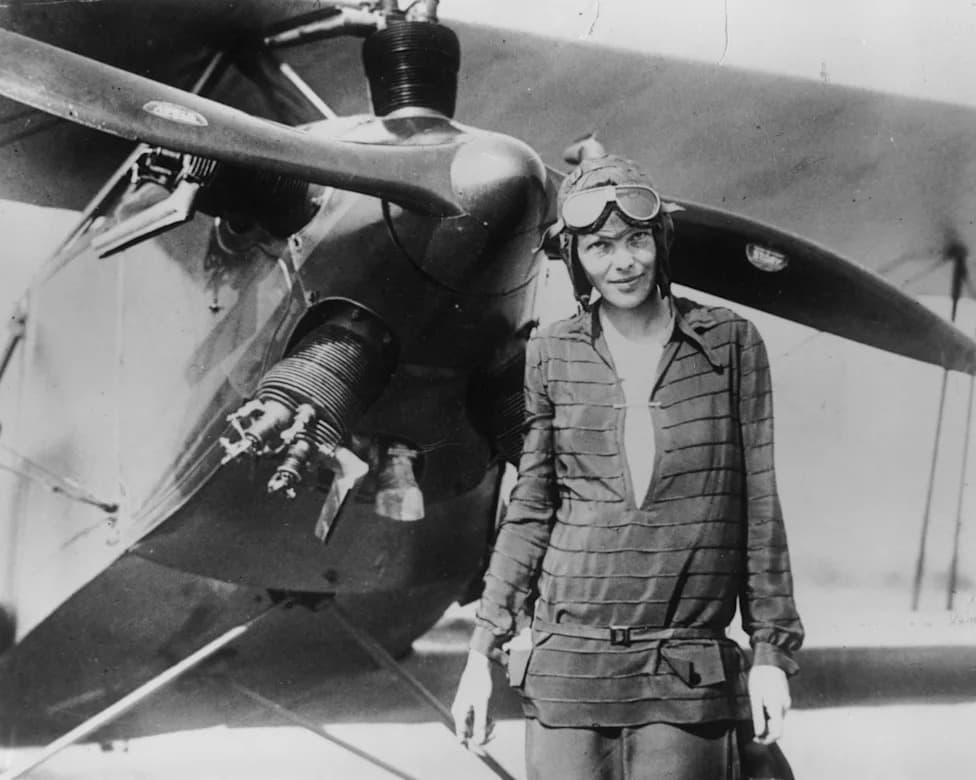
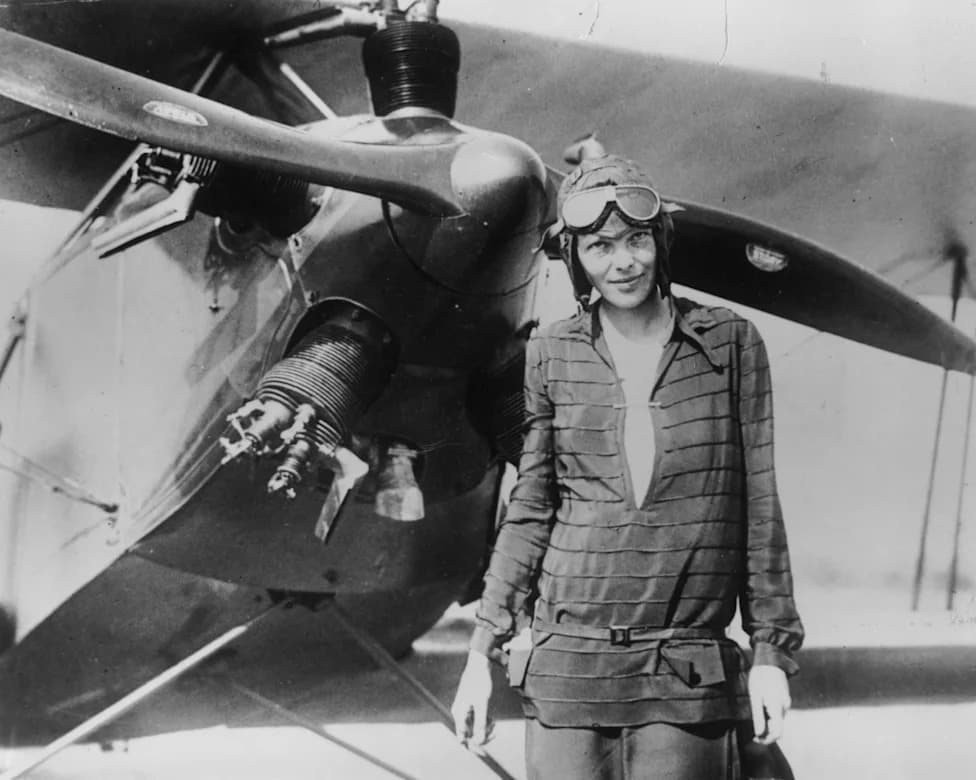
Amelia Earhart stands June 14, 1928 in front of her bi-plane called "Friendship" in Newfoundland. Amelia Earhart was the first woman to fly the Atlantic as a passenger, in 1928, and followed this by a solo flight in 1932. In 1935 she flew solo from Hawaii to Califofrnia. In 1937, with Fred Noonan, they set out to fly round the world, but their plane was lost over the Pacific.(Getty Images, Getty Images)
The nearly 90-year mystery of Amelia Earhart's disappearance may get renewed scrutiny this fall, when a 16-person team sails to the remote Pacific atoll of Nikumaroro to investigate a satellite anomaly nicknamed the 'Taraia object.' Backed by the Purdue Research Foundation and the Archaeological Legacy Institute, the expedition will use careful hydraulic dredging and archaeological techniques to determine whether the object is wreckage from Earhart's Lockheed Electra 10E.
Why Nikumaroro?
Earhart and navigator Fred Noonan vanished on July 2, 1937, while flying from Lae, Papua New Guinea, to Howland Island during their round-the-world attempt that began May 21, 1937. Voice transmissions recorded by the U.S. Coast Guard cutter Itasca suggested Earhart was low on fuel as she neared Howland. Despite the largest search effort in U.S. history at the time, no trace was found and the pair were declared legally dead on Jan. 5, 1939.
The Taraia Object And The Mission
Satellite imagery first revealed the Taraia object in 2020, though researchers report similar shapes appearing in images as early as April 2015. The object lies at the edge of a shallow lagoon on Nikumaroro and resembles anomalies seen in photographs taken in the years after Earhart's disappearance. After weather and permitting delays, Kiribati's cabinet has approved the October expedition.
'I am feeling very confident about this,' lead archaeologist Richard Pettigrew told USA TODAY. 'Something is there, and it's either the Electra or it's not.'
Planned Work
The team will sail to Nikumaroro and work in and around the lagoon where the Taraia object was mapped. Using a hydraulic dredge, researchers will carefully remove sediment in controlled layers to expose any material remains without causing undue damage. The operation emphasizes identifying major components — notably fuselage sections and a wing — and searching exposed surfaces for metal rivets and construction features unique to the Electra 10E.
Evidence For And Against The Hypothesis
Supporters of the Nikumaroro theory point to several threads of evidence: radio bearings that, when reanalyzed, intersect near Nikumaroro; human bones recovered on the island whose measurements some analysts say are compatible with Earhart's stature; and artifacts recovered in earlier expeditions — including a woman's shoe, a freckle cream jar and a medicine vial — that date to the 1930s, according to Purdue's Research Foundation. In 2024, an ocean-exploration firm searched near Howland after identifying a formation they thought might be Electra wreckage; that target proved to be a rock formation.
Many experts remain cautious. Some contend the balance of evidence still points to a crash near Howland Island, while others say the Nikumaroro leads are intriguing but inconclusive.
If Wreckage Is Found
Pettigrew said that if the team locates probable Electra wreckage, they plan to return the following year for a full-scale excavation and recovery operation to remove and transport material for study. Purdue officials said they are negotiating with the government of Kiribati about an arrangement that could place recovered items in Purdue's custody. Earhart had a longstanding relationship with Purdue — she served as a visiting adviser and counselor there and reportedly intended the plane to be used for aeronautical research.
Outlook
Organizers describe the October mission as hypothesis-driven fieldwork: careful, methodical investigation designed to confirm or refute whether the Taraia object is the Electra 10E. Whether or not the expedition recovers definitive wreckage, researchers say the work will add valuable archaeological and environmental data about Nikumaroro and the broader historical record of Earhart's final flight.
Reporting Credit: Christopher Cann, USA TODAY.
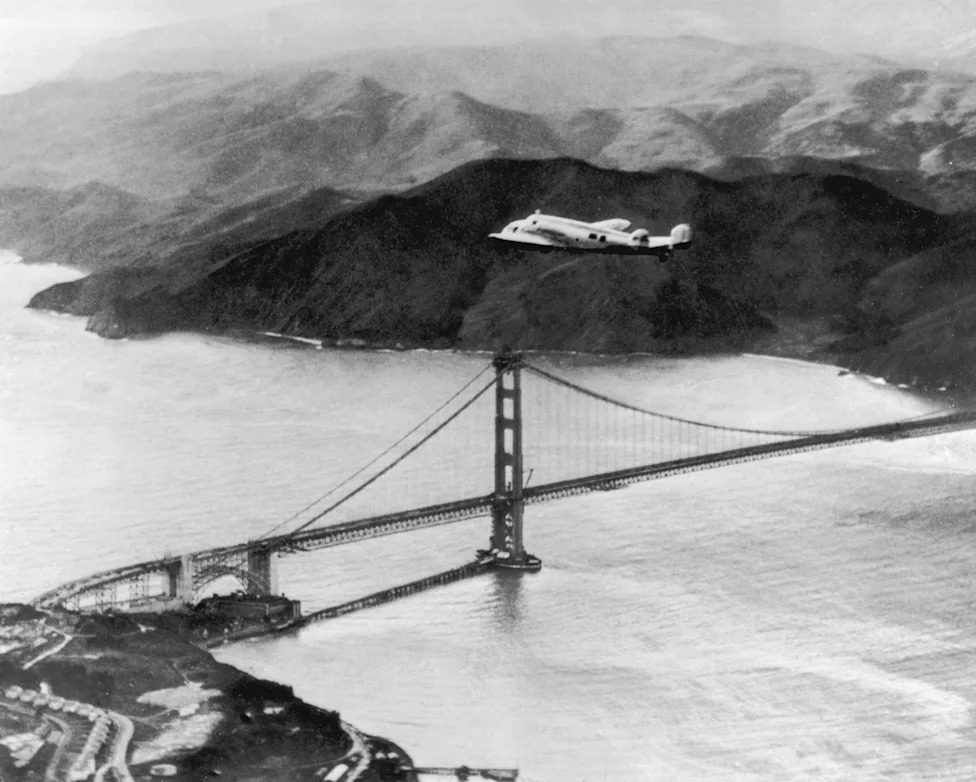
The Lockheed Electra 'Flying Laboratory', piloted by American aviator Amelia Earhart and Fred Noonan flies over the Golden Gate bridge in Oakland, California, at the start of a planned round-the-world flight, 17th March 1937. The trip had to be abandoned after the plane crashed on take off in Hawaii. A subsequent attempt ended when the aviators went missing in the Pacific and the pair were eventually presumed dead.(Keystone, Getty Images)
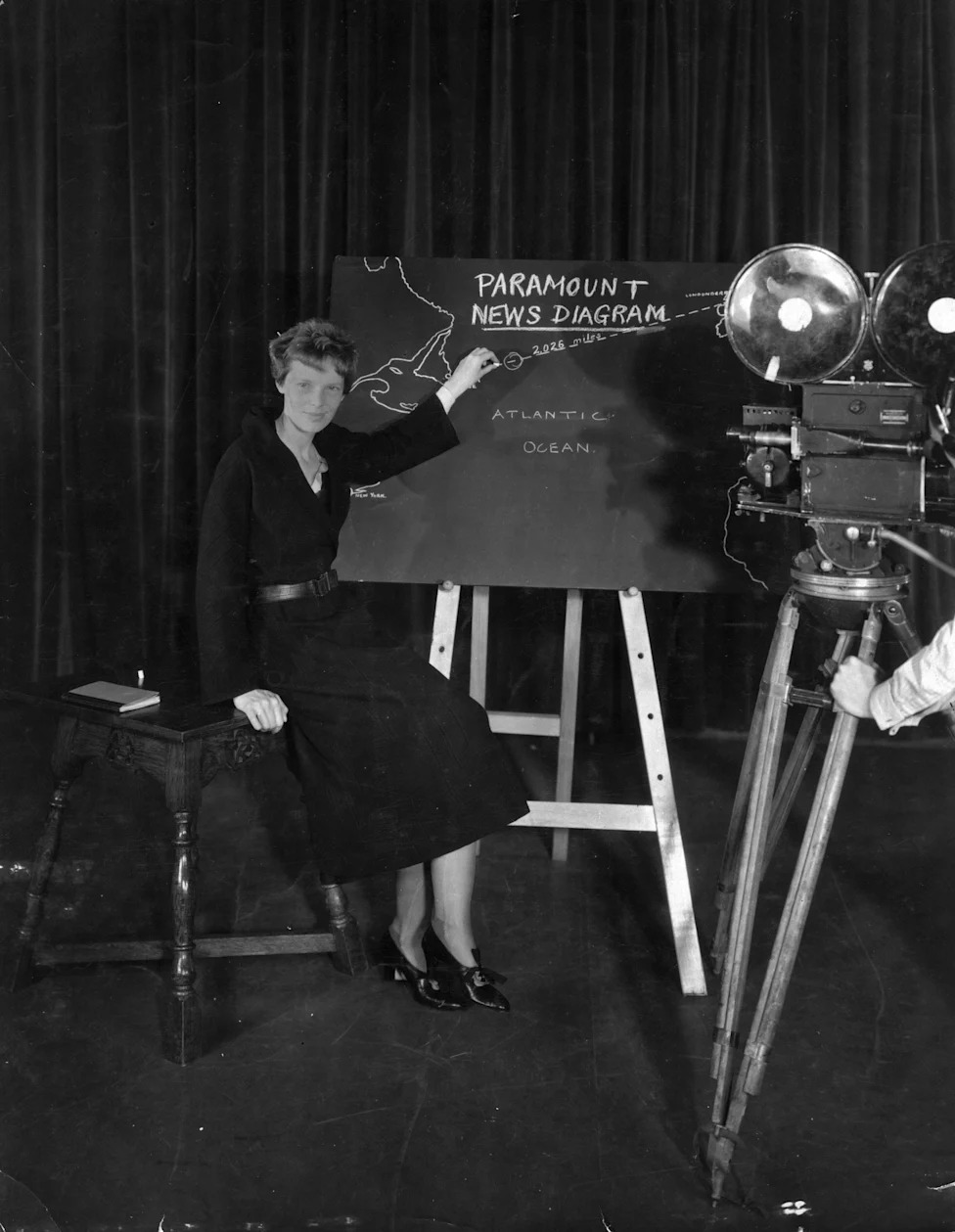
American aviator Amelia Earhart, the first woman to fly the Atlantic, demonstrates her route for the camera.(Hulton Archive, Getty Images)
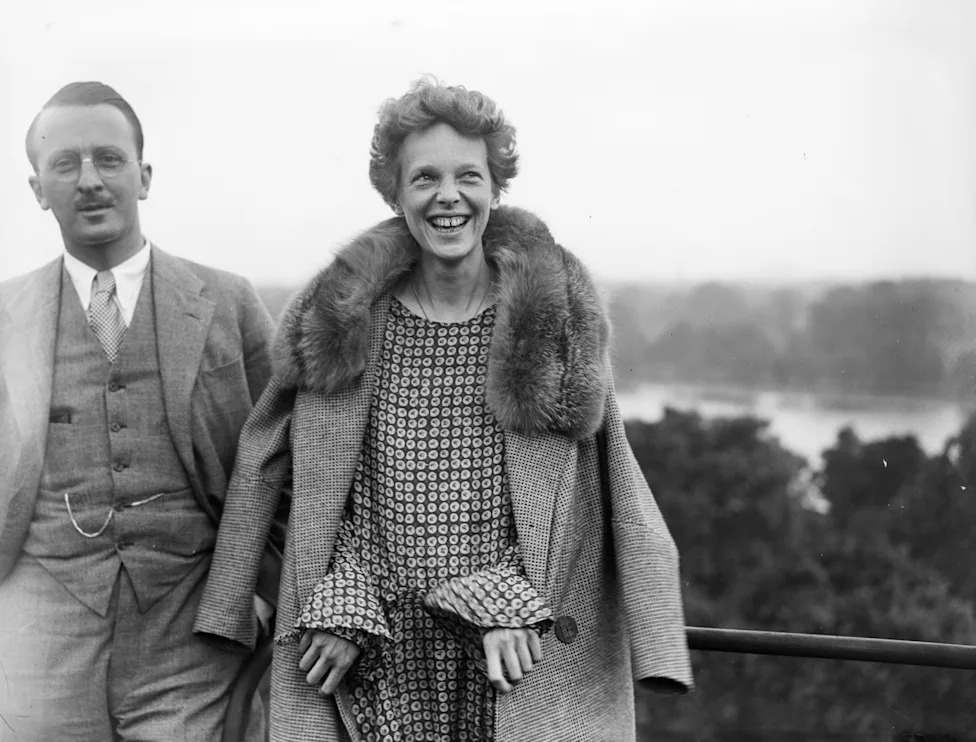
US aviator Amelia Earhart, and Captain Raleigh on the roof of the Hyde Park Hotel, London, after she became the first woman to fly the Atlantic Ocean, from Newfoundland to Wales on June 17, 1928).(Hewerdine, Getty Images)
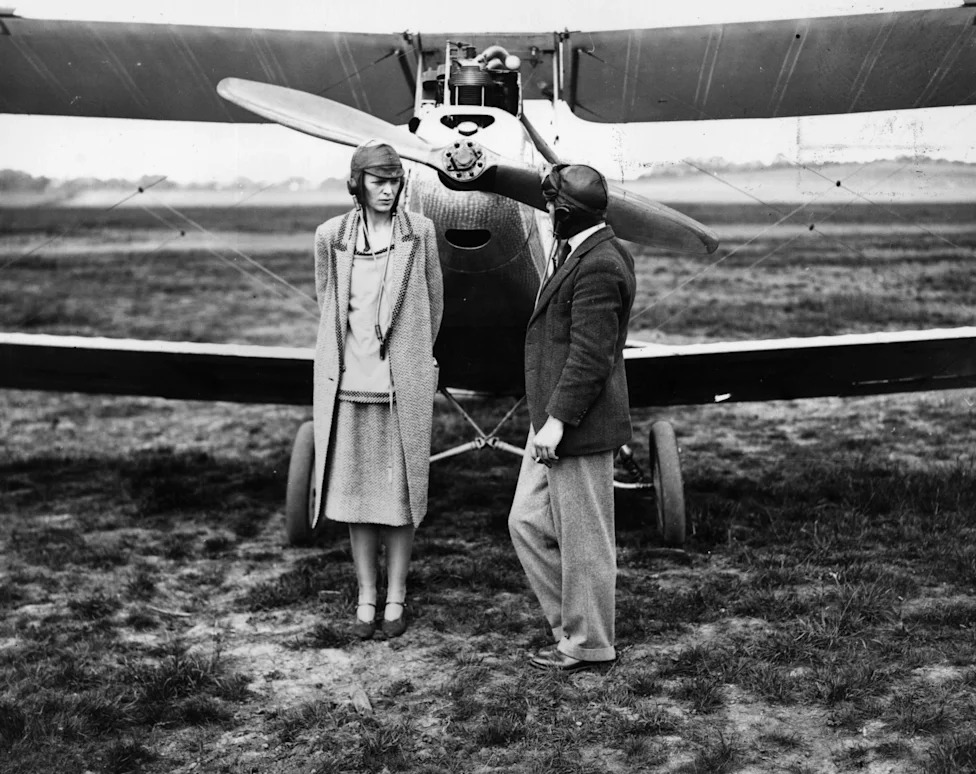
American aviator Amelia Earhart with her pilot Captain A H White, after their trip to Northolt in a moth aircraft in 1928.(H. F. Davis, Getty Images)
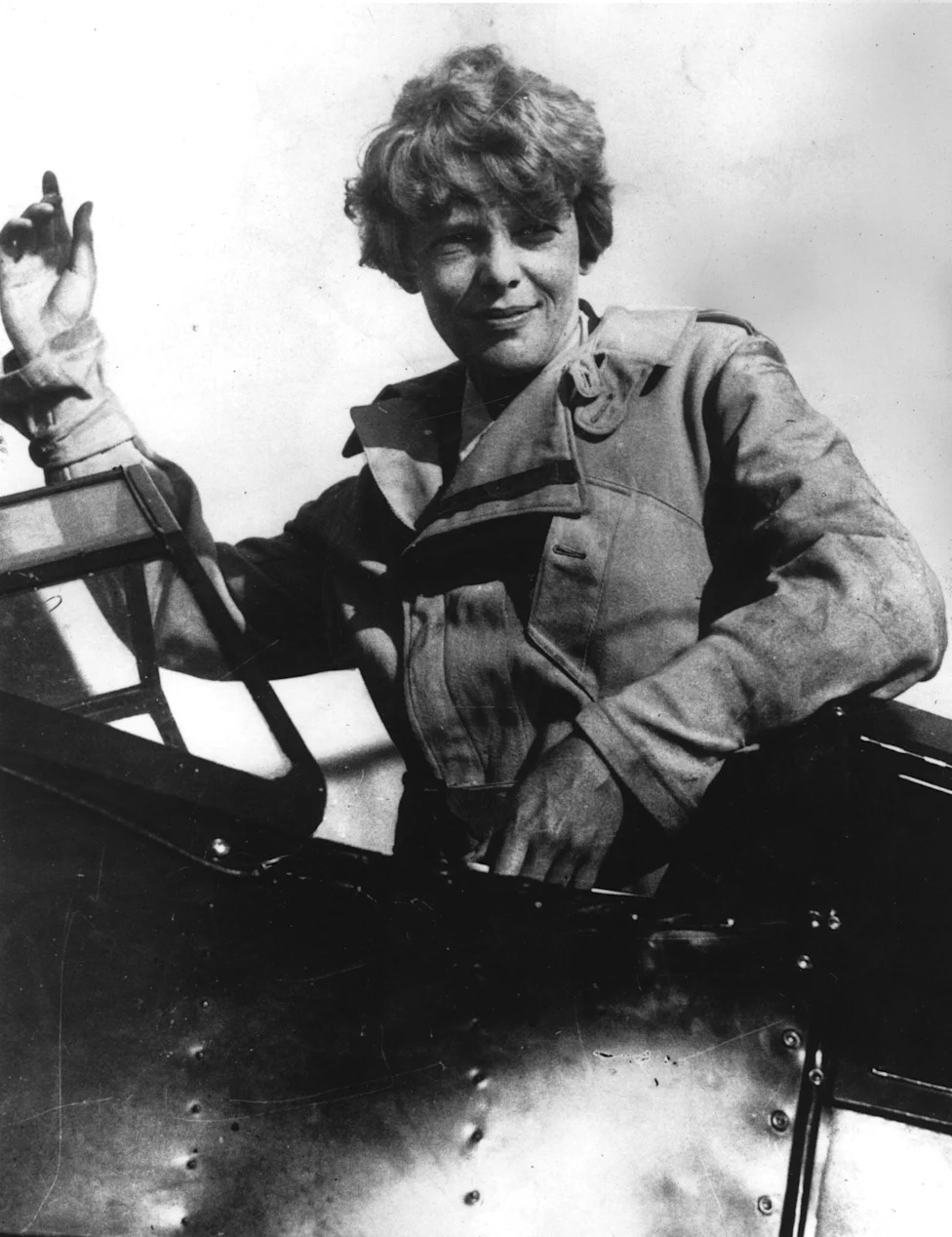
Amelia Earhart waves from the cockpit of her plane circa 1929. Earhart disappeared without trace over the Pacific Ocean in her attempt to fly around the world in 1937.(Getty Images)
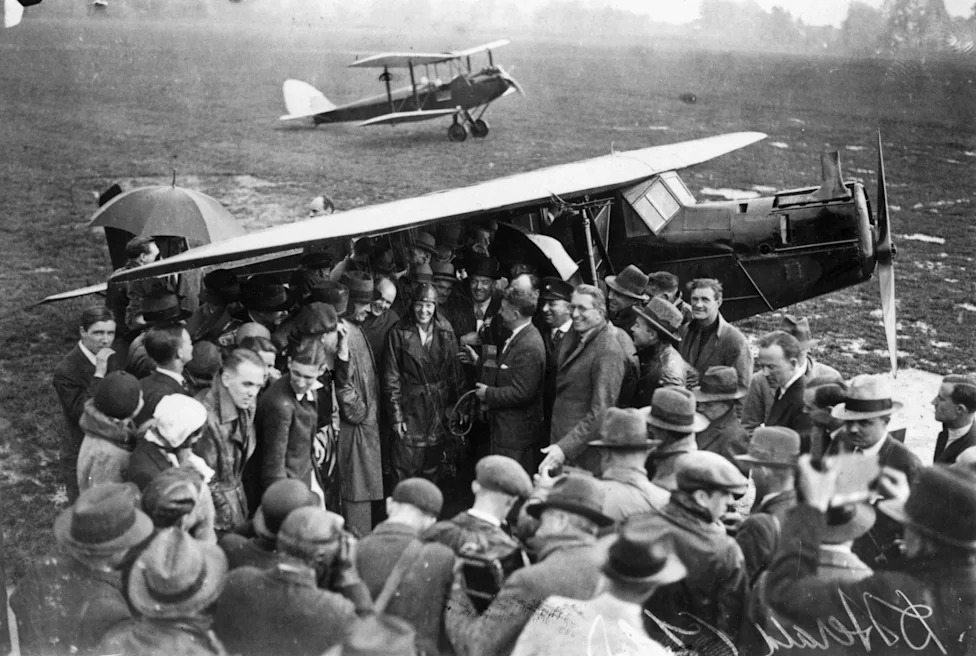
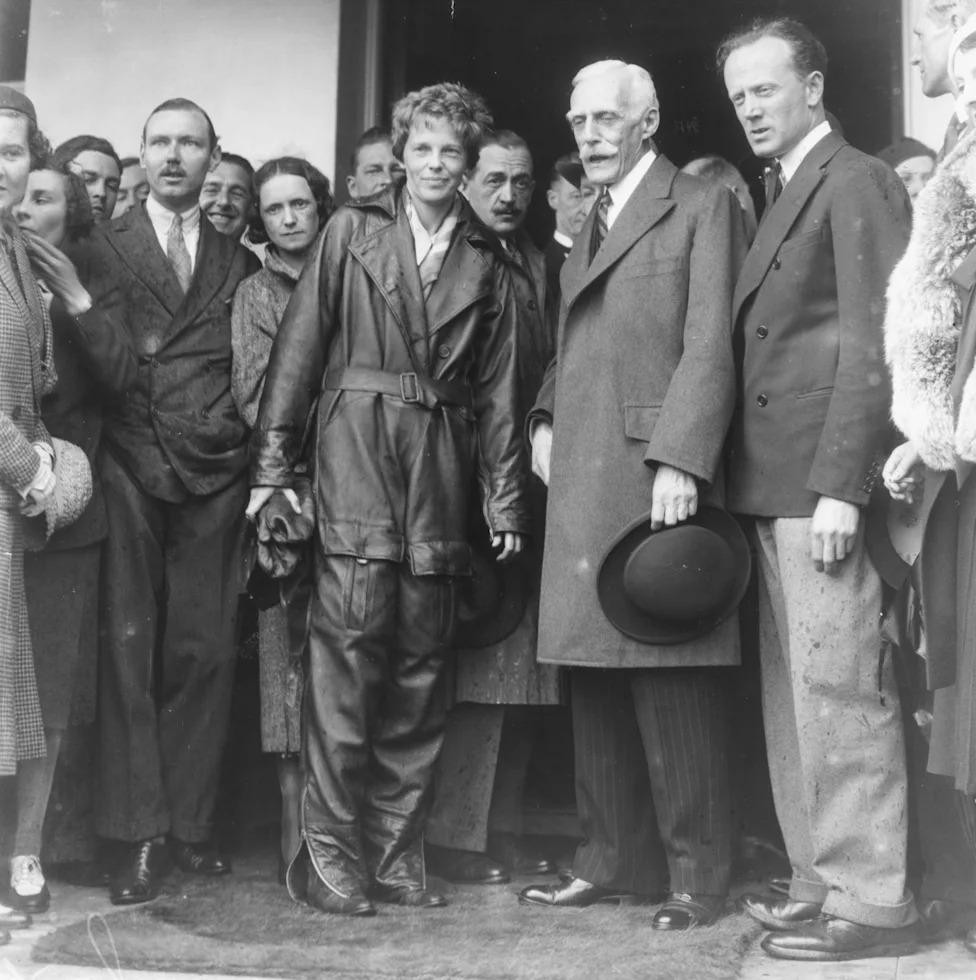
American aviator Amelia Earhart is surrounded by a crowd of well wishers and pressmen on arrival at Hanworth airfield after crossing the Atlantic in 1932. She is being congratulated on her flight in a Lockeed Vega by Andrew Mellon, US ambassador to Britain.(Topical Press Agency, Getty Images)
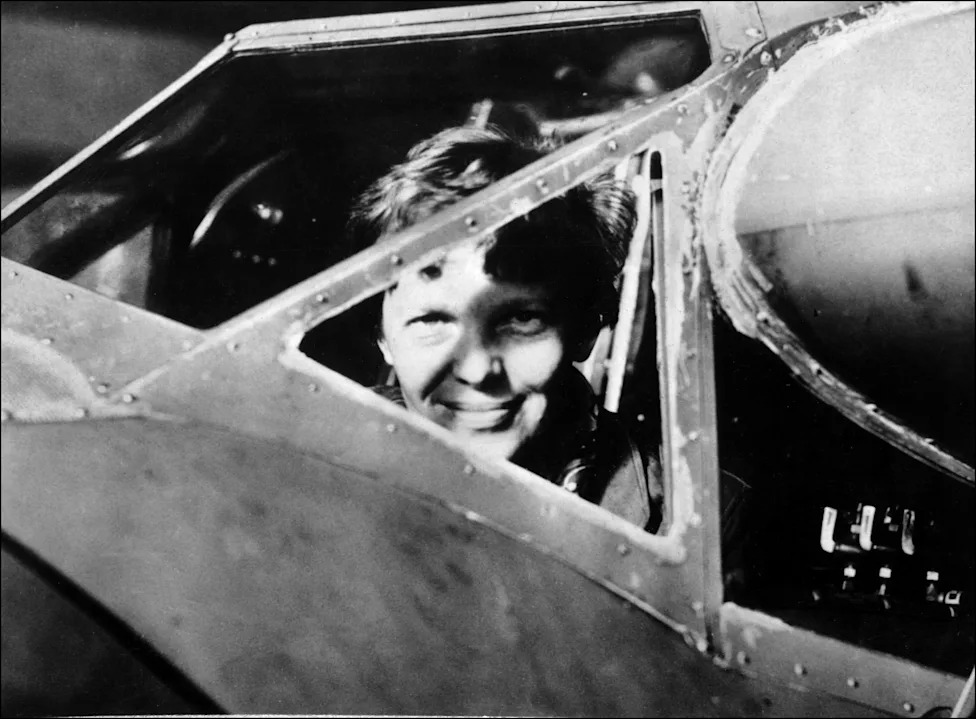
Undated picture taken in the 30' s of American female aviator Amelia Earhart at the controls of her plane. Amelia Earhart was the first woman to fly the Atlantic as a passenger, in 1928, and followed this by a solo flight in 1932. In 1935 she flew solo from Hawa• to California. In 1937, with Fred Noonan, they set out to fly round the world, but their plane was lost over the Pacific.(STAFF, AFP via Getty Images)
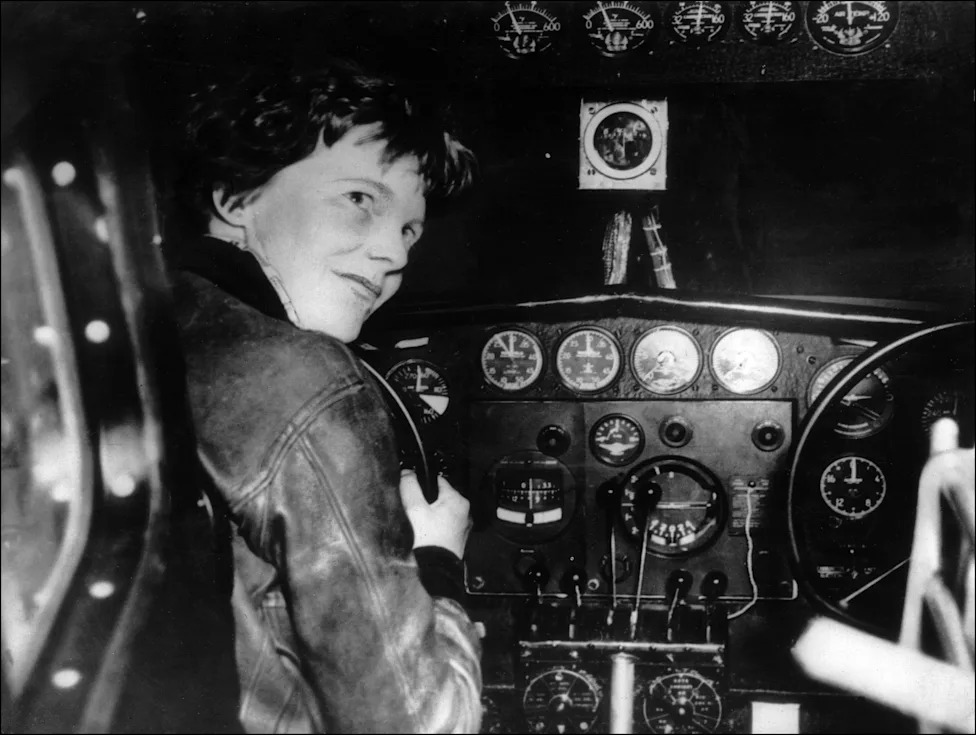
Undated picture taken in the 30' s of American female aviator Amelia Earhart at the controls of her plane. Amelia Earhart was the first woman to fly the Atlantic as a passenger, in 1928, and followed this by a solo flight in 1932. In 1935 she flew solo from Hawa• to California. In 1937, with Fred Noonan, they set out to fly round the world, but their plane was lost over the Pacific.(STAFF, AFP via Getty Images)
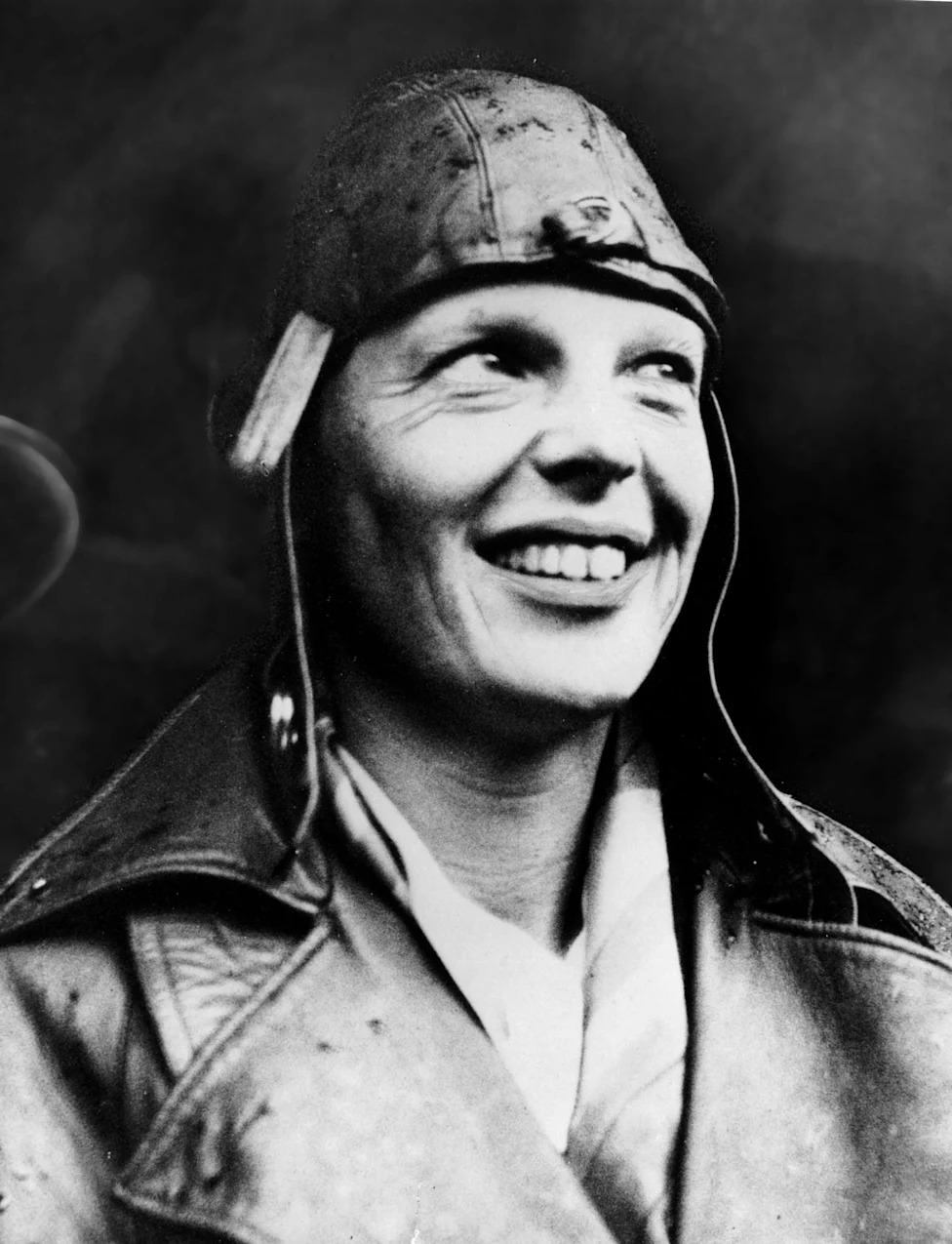
American aviator Amelia Earhart smiles May 22, 1932 upon arriving in London, England having become the first woman to fly across the Atlantic alone.(Getty Images)
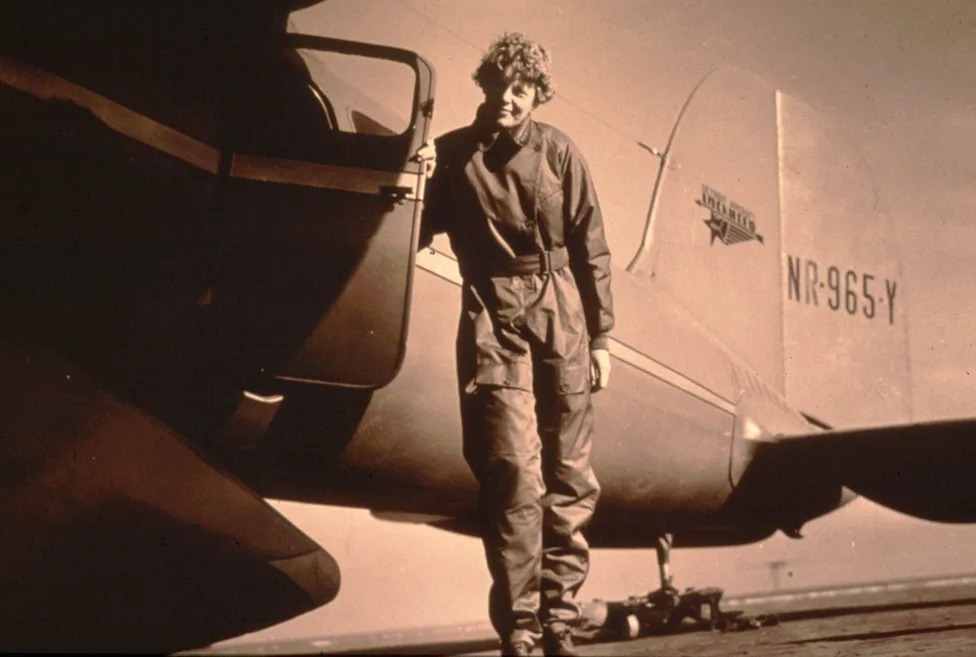
Photo of pilot Amelia Earhart standing by her plane circa 1935.(Getty Images)
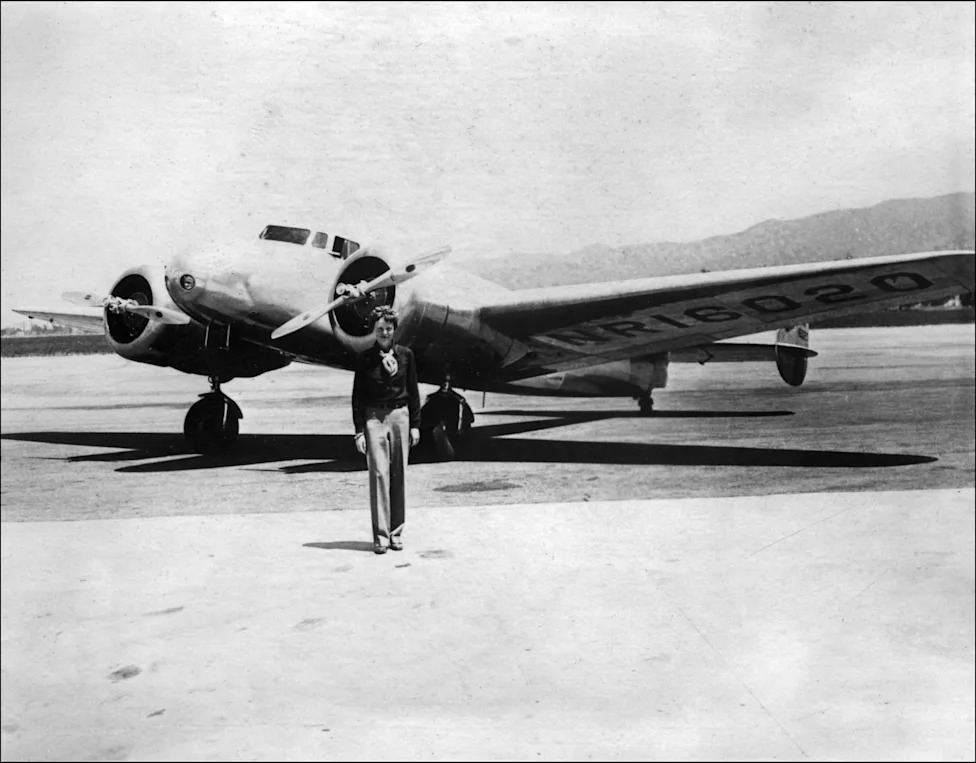
Undated picture taken in the 30' s of American female aviator Amelia Earhart in front of her plane. Amelia Earhart was the first woman to fly the Atlantic as a passenger, in 1928, and followed this by a solo flight in 1932. In 1935 she flew solo from Hawaii to California. In 1937, with Fred Noonan, they set out to fly round the world, but their plane was lost over the Pacific.(AFP via Getty Images)
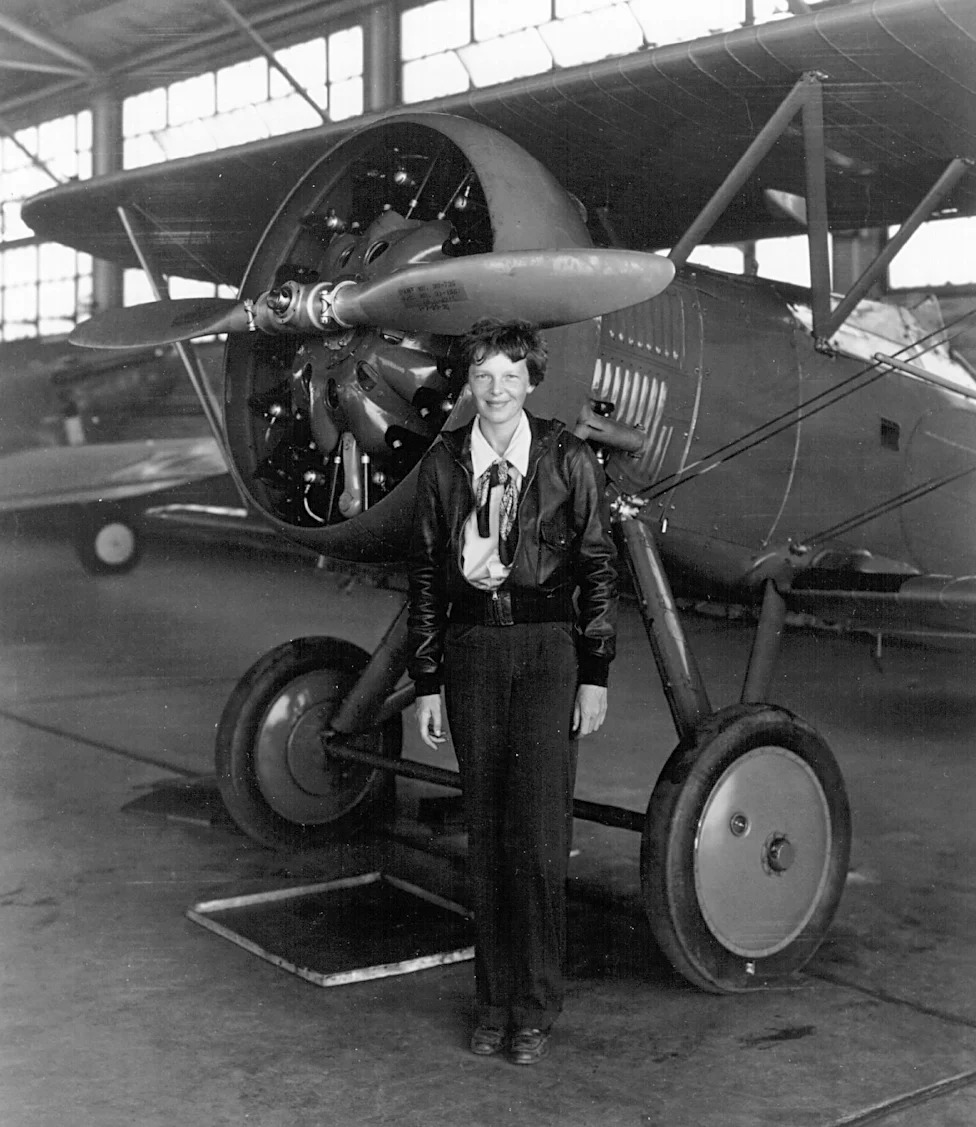
Portrait of Amelia Earhart, July 30, 1936.(National Archives, Getty Images)
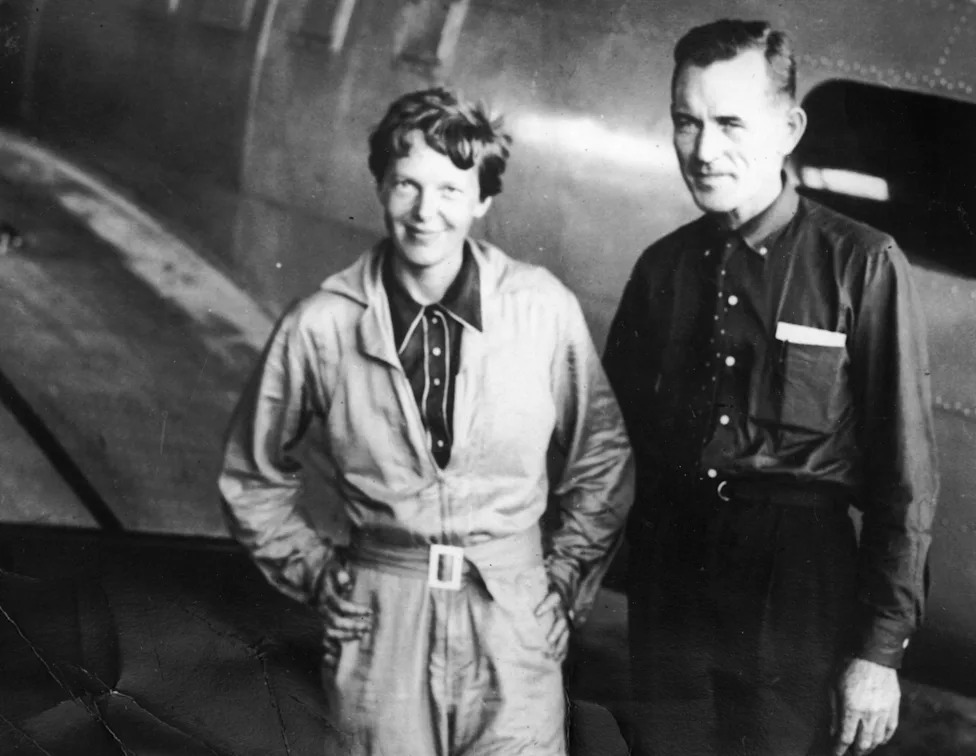
American aviatrix Amelia Earhartwith her navigator, Captain Fred Noonan, in the hangar at Parnamerim airfield, Natal, Brazil on June 11, 1937.(Topical Press Agency, Getty Images)
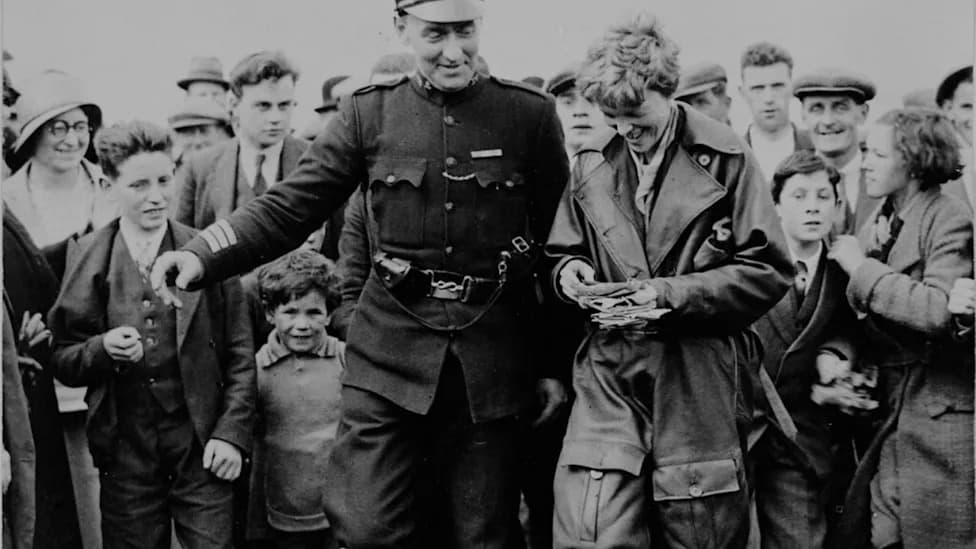
American pilot Amelia Earhart greeting the crowds after her solo Atlantic flight from the US to Londonderry, Hanworth Aerodrome, England, May 22, 1932.(Central Press, Getty Images)
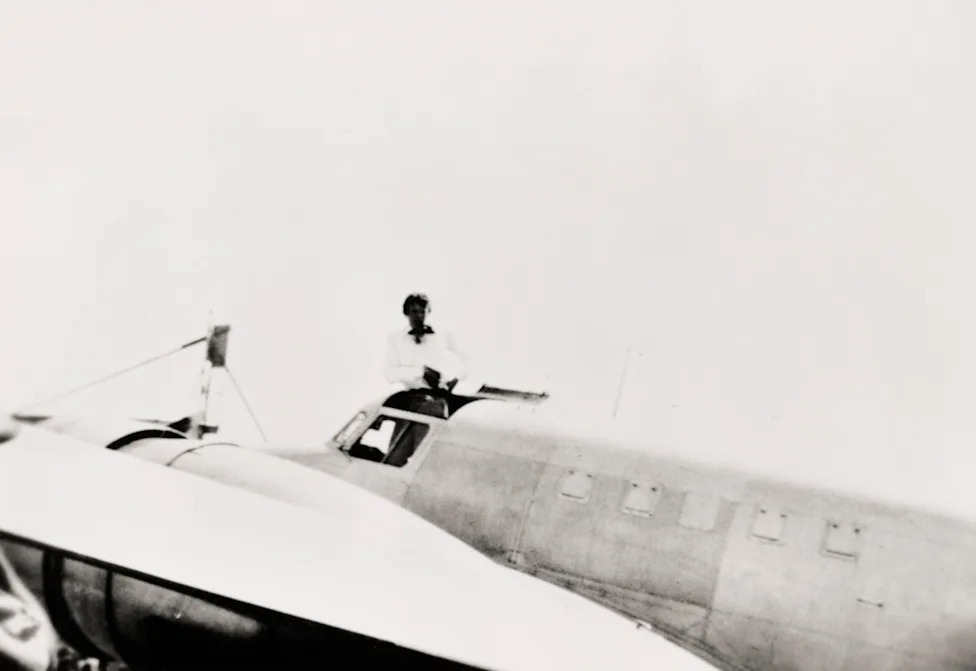
American aviator Amelia Earhart at a refueling stop in Khartoum, Sudan, with the Lockheed Electra 10E in which she is attempting a circumnavigational flight of the world with navigator Fred Noonan on June 13, 1937. On a subsequent stage of the journey, Earhart and Noonan disappeared over the central Pacific Ocean near Howland Island and were later presumed dead.(Hulton Archive, Getty Images)
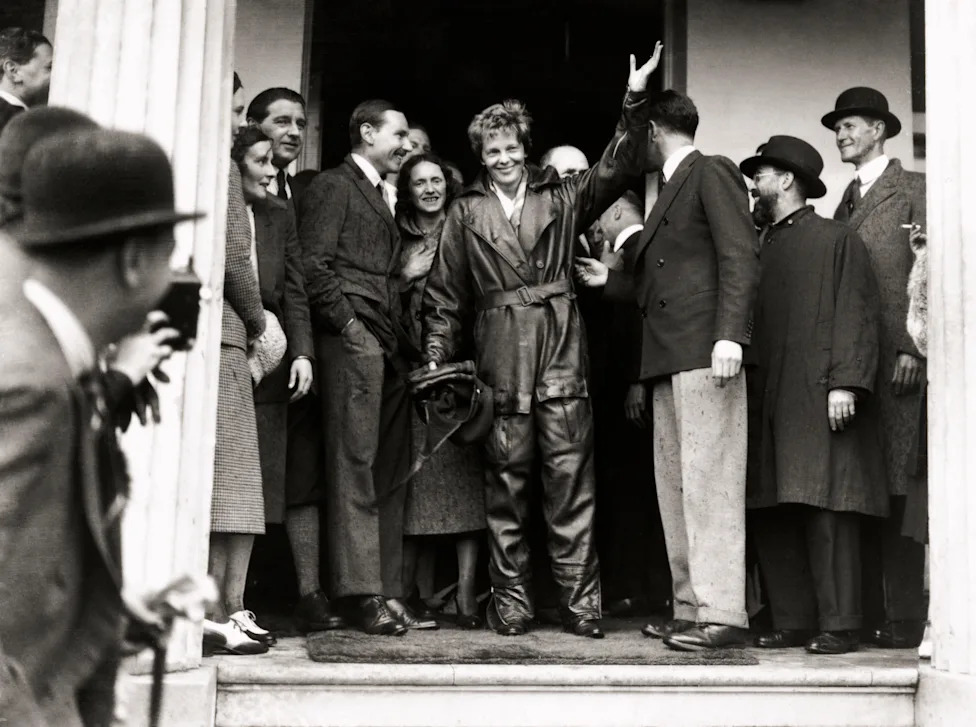
American aviator, Amelia Earhart, in London after becoming the first woman to fly solo nonstop across the Atlantic on May 22, 1932. Earhart flew from Harbour Grace, Newfoundland to Culmore, Northern Ireland in 14 hours, 56 minutes. She is seen after a second flight from Culmore to London.(Jimmy Sime, Getty Images)
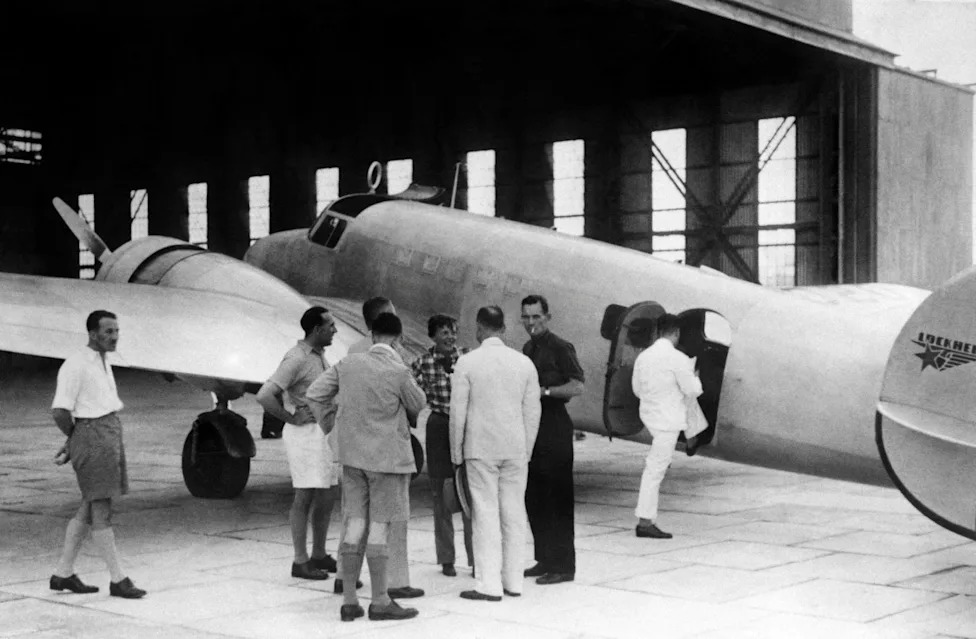
US aviator Amelia Earhart speaks with her navigator, Fred Noonan (R, dark shirt) and technicians near her Lockheed L10 Electra aircraft in July 1937 in Singapore, before their last flight across the Pacific during which she disappeared. US Amelia Earhart was a aviation pioneer and writer, the first woman to fly the Atlantic as a passenger, in 1928, and the first female aviator to fly solo across the Atlantic Ocean in 1932. She disappeared over the Pacific on July 2, 1937 with Fred Noonan, while they were undertaking a world tour.(-, AFP via Getty Images)
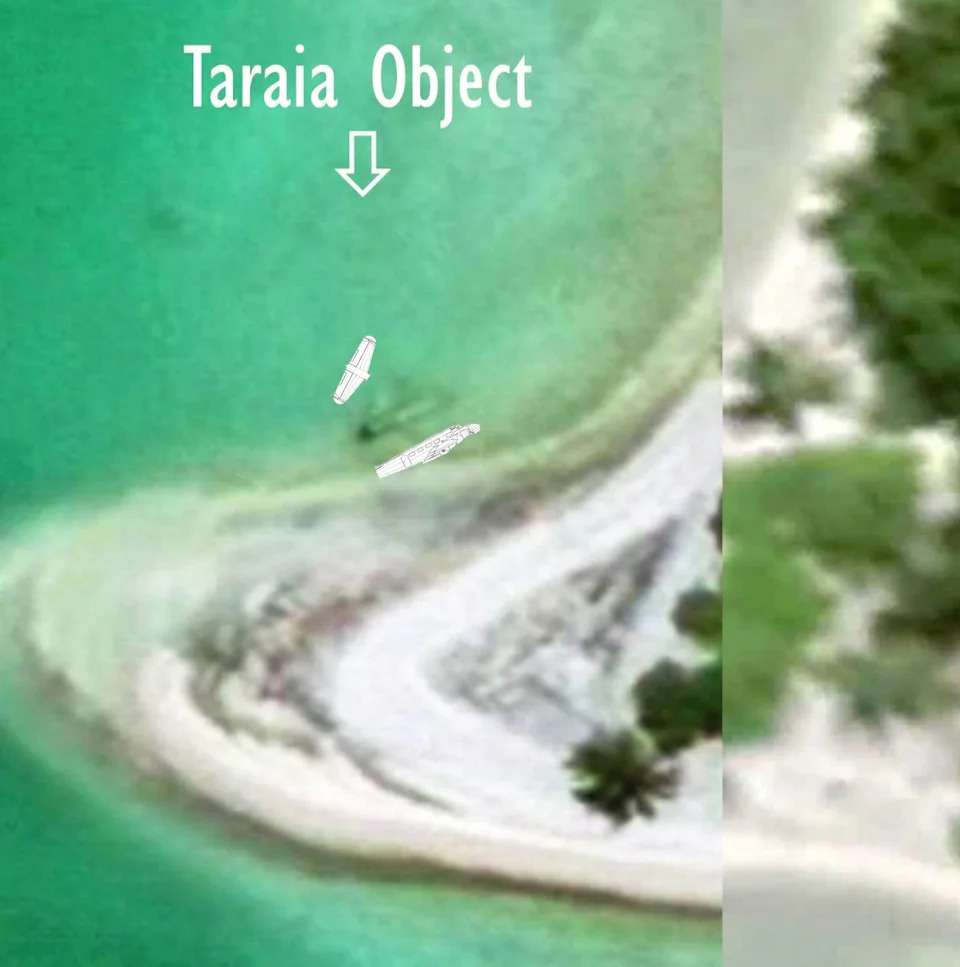
Some members of the expedition will fly out of the Amelia Earhart Terminal at the Purdue University Airport on Oct. 30 and will rendezvous with other team members on Majuro in the Marshall Islands.
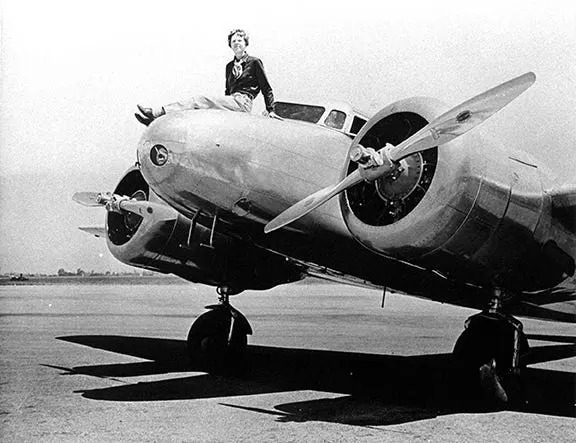
Amelia Earhart sits on her Lockheed Electra in March 1937.
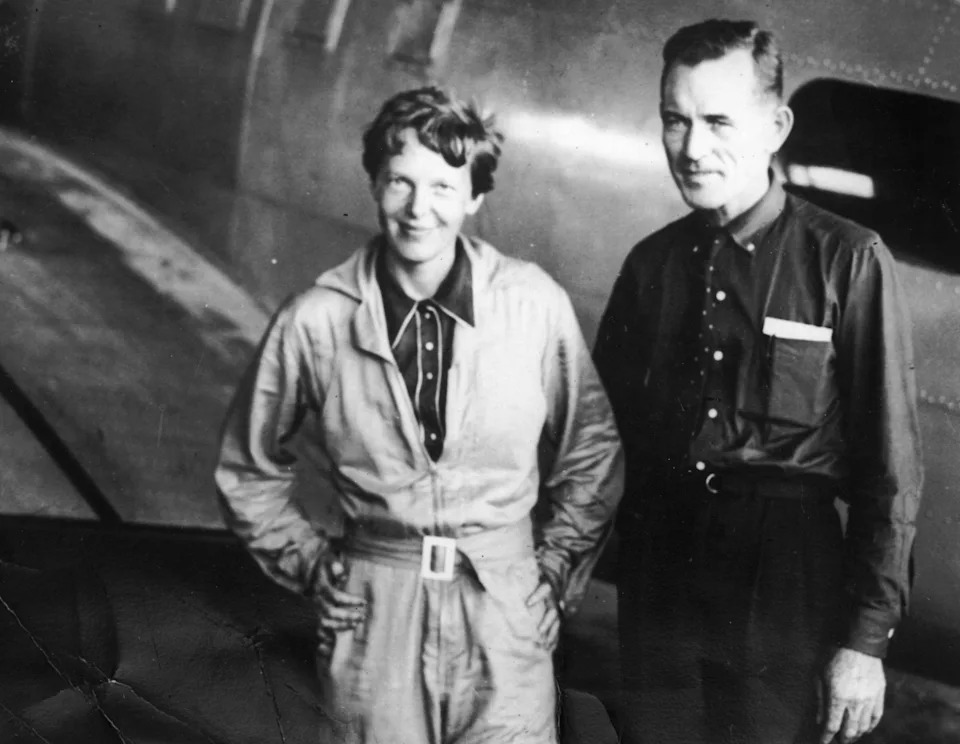
American aviatrix Amelia Earhartwith her navigator, Captain Fred Noonan, in the hangar at Parnamerim airfield, Natal, Brazil on June 11, 1937.
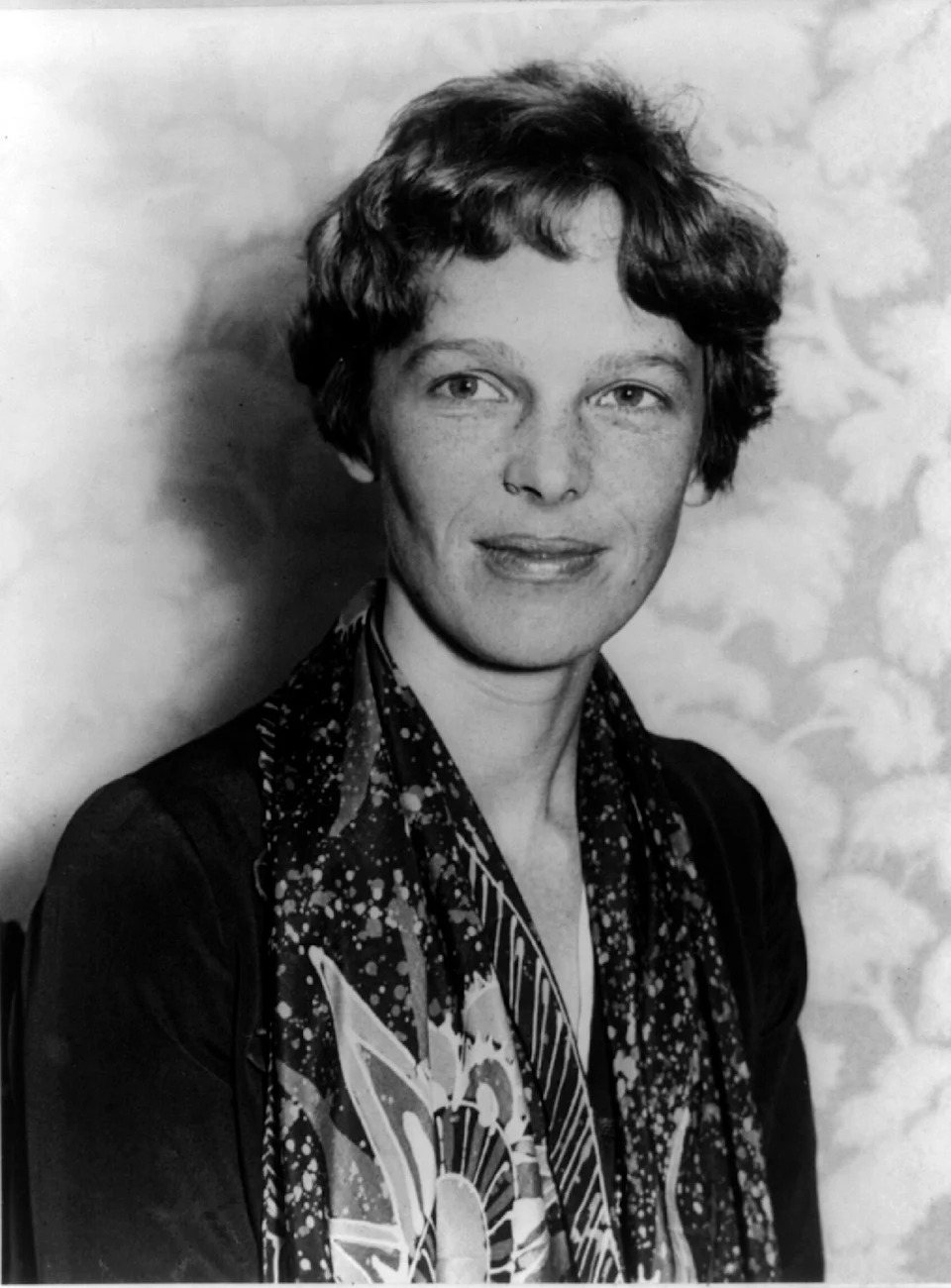
Renowned U.S. pilot Amelia Earhart is pictured in this 1928 photograph released on March 20, 2012.
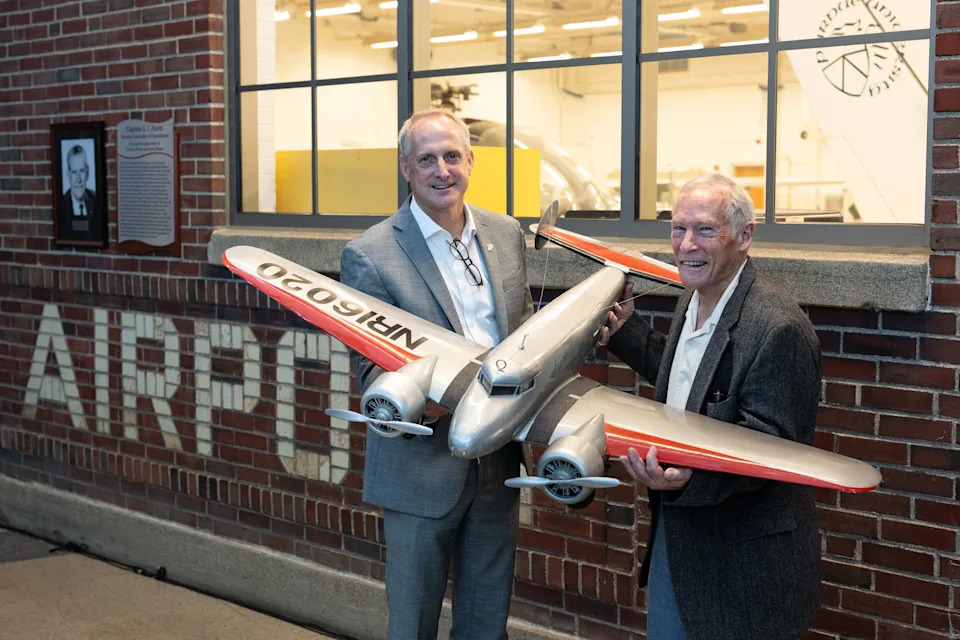
Steve Schultz, Purdue University senior vice president and general counsel, and Richard Pettigrew, archeologist and executive director of the Archeological Legacy Institute, pose for a photograph. The two are part of an expedition seeking to locate Amelia Earhart's long lost plane.
Help us improve.