The Tara Polar Station set off in late August and intentionally froze into the Arctic pack ice to drift for up to a year with 12 people aboard. The oval-hulled vessel — dubbed the "ISS of the Arctic" — hosts labs, an underwater robot and around 220 measurement logs to study ecosystem changes, microbiology and pollution. The team crossed Russia's EEZ on transit permission only and is avoiding research within Russian waters. Supplies, waste management and safety (including a dog named Örkki for polar-bear watch) are tightly managed during the long polar night.
Inside the “ISS of the Arctic”: A Year-Long Drift to Study a Changing Ocean
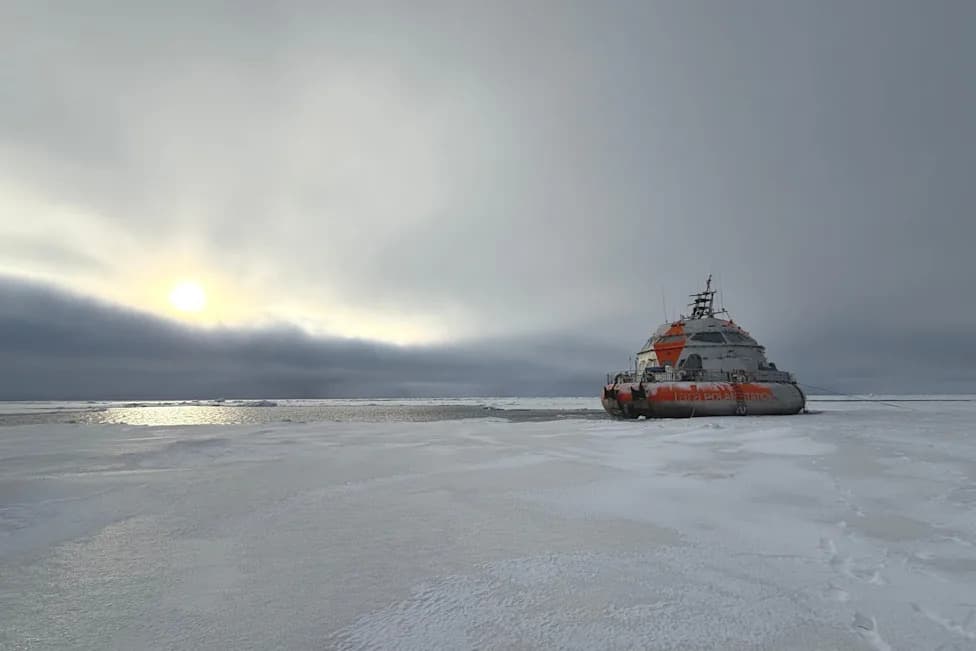
Six scientists and six crew members on the Tara Polar Station expedition are set to stay in the Arctic, frozen in the sea, during a year-long investigation. Julia Regnery/Alfred-Wegener-Institut/dpa
An unusual, year-long scientific drift across the high Arctic began in late August when the Tara Polar Station purposely froze into the pack ice. Twelve people — six scientists and six crew — will remain attached to a large ice floe and drift across the Arctic Ocean for up to a year to study how the polar ocean and its ecosystems are changing.
Mission Overview
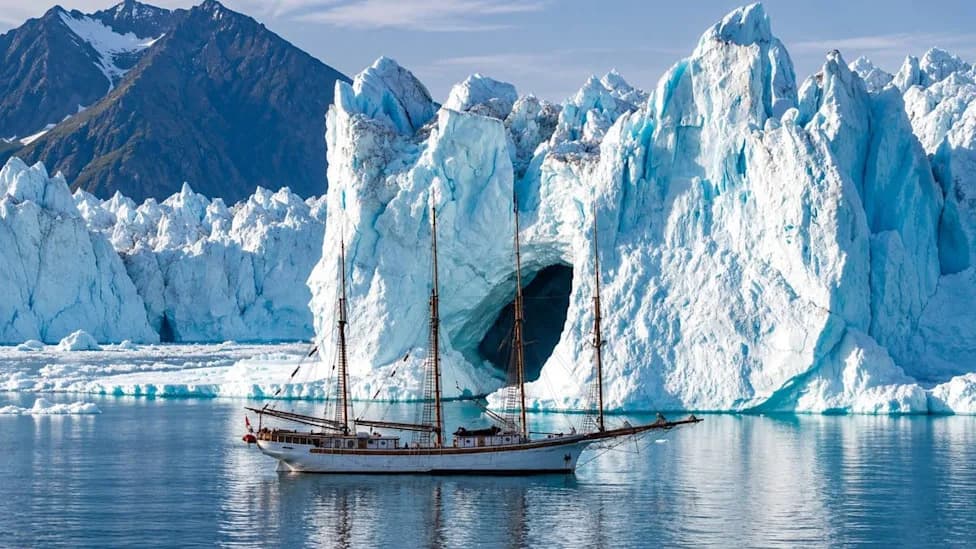
Coordinated by the Alfred Wegener Institute (AWI) in Bremerhaven, Germany, the expedition brings together climatologists, biologists, physicists, ecologists, glaciologists, oceanographers, medical staff, journalists, artists and sailors. The Tara Polar Station vessel, built by the French Tara Ocean Foundation, has an oval hull designed to resist ice pressure and is outfitted with laboratories, living quarters, a galley and medical facilities. The largest lab has seawater access so an underwater robot can be deployed under the ice.
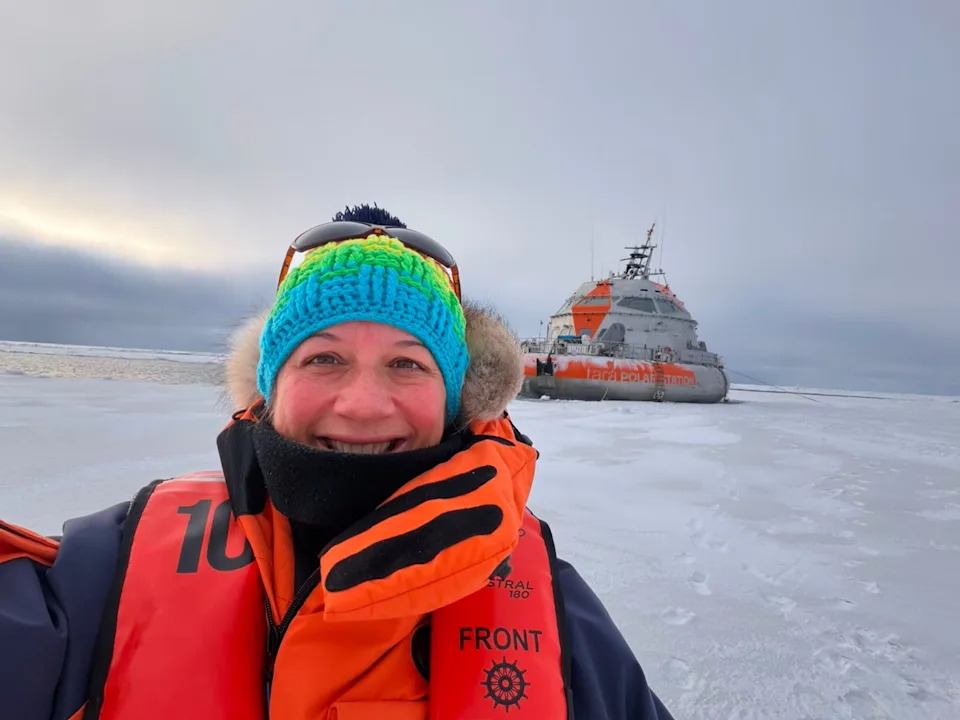
German environmental scientist Julia Regnery says in their spare time, the researchers play music or board games and she has brought wool with her to knit an Icelandic jumper. Julia Regnery/Alfred-Wegener-Institut/dpa
"We run it like a space station," says marine scientist Marcel Nicolaus — a fitting description for a vessel that has been nicknamed the "ISS of the Arctic."
Scientific Goals
The team will complete roughly 220 measurement logs covering topics such as ecosystem shifts, microbiological processes, pollutants, sea-ice properties and oceanographic conditions. Data gathered during this drift will help build long-term records of Arctic change; the program plans a series of expeditions over the next two decades to track trends and answer persistent scientific questions. AWI and partner institutions include France's Sorbonne, the University of Alaska, Memorial University of Newfoundland, Aarhus University and Friedrich Schiller University Jena, among others.
Route, Permissions and International Context
The Tara sailed from Lorient, France, in mid-July and picked up researchers in Kirkenes, Norway, in mid-August before transiting the Barents and Kara seas. The expedition crossed Russia's Exclusive Economic Zone (EEZ) with authorized transit but no scientific cooperation; Russian authorities allowed passage only and forbade research within their zone, so the team is carefully avoiding a drift into Russian waters. For a portion of the route, the Chinese icebreaker Xue Long 2 served as an escort.
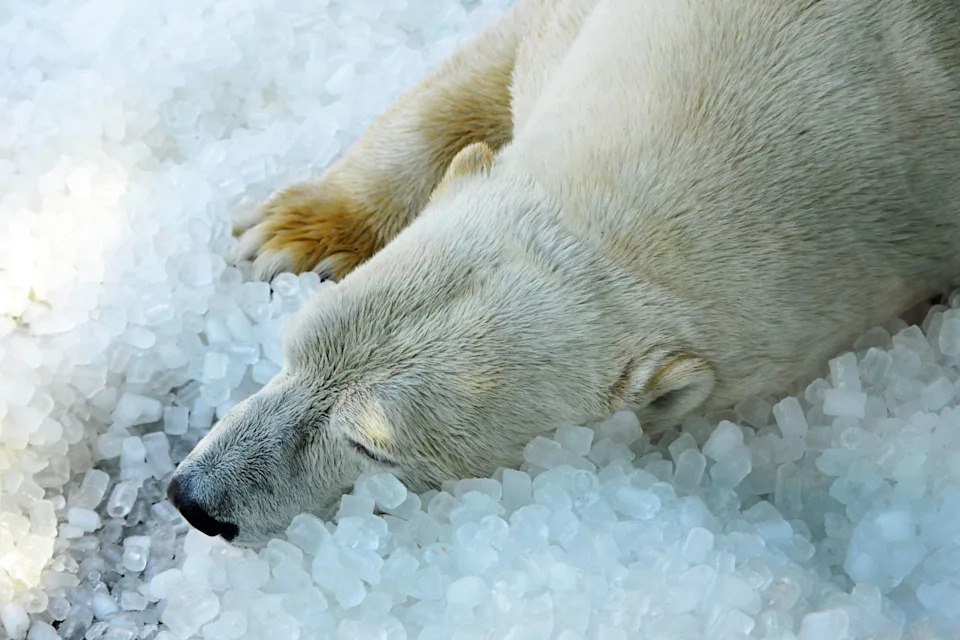
Scientists on the research vessel in the Arctic are bringing a dog to warn them of polar bears. Michael Heitmann/dpa
Life Aboard
Onboard life balances intense scientific work with practical constraints. In winter each researcher has a private cabin; in summer, when additional staff join (up to 18 people), cabins are shared. Exercise is limited to short walks around the ship, brief outings on the ice when conditions allow, or time on an exercise bike. A cook prepares daily meals and a doctor can handle medical and dental issues; evacuation is possible only under extreme, favorable conditions.
Waste and supply management are tightly controlled: fuel and food must last the full drift, space for refuse is limited, and the vessel uses a separate liquids/solids toilet system — liquids are discharged, solids are incinerated on board — to minimize environmental impact. According to Georg Pohnert of the University of Jena, the station is virtually emission-free and designed to limit disturbance to the fragile polar environment.

On board the research vessel, the scientists are also bringing a dog. His most important task is being out on deck and on the sea ice to warn the team of polar bears at an early stage and help keep everyone safe, particularly during the long polar nights, say scientists. Kirill Kukhmar/TASS via ZUMA Press/dpa
Safety: Polar Bears and Polar Night
A Finnish Lapphund named Örkki accompanies the team and serves an important role as an early-warning polar-bear watch, especially during the polar night, which begins in October and lasts roughly four months. The dog is primarily deployed on deck and on the ice to alert researchers to potential danger.
Historical Context
The trans-polar drift concept is time-tested: marine scientist Marcel Nicolaus noted that Norwegian explorer Fridtjof Nansen pioneered a similar approach about 130 years ago. Modern instruments, remote-operated vehicles and coordinated international teams make this a far more data-rich mission than early polar expeditions.
For now, the researchers must largely wait for the pack ice to carry them, continuing to collect measurements and monitor the rapidly changing Arctic as the floe drifts beneath them.
Help us improve.