The Fair Work Commission has ordered delivery drivers working for apps such as UberEats, DoorDash and HungryPanda to receive a minimum of Aus$31.30 (about US$22) per hour, effective August 17. The ruling also requires workplace accident insurance and raises the floor above Australia’s current national minimum wage of Aus$26.44. The Transport Workers Union and the employment minister praised the decision as a major step toward stronger protections for gig workers, which echoes growing global attention to platform labour rights.
Australia Orders 'World-Leading' Pay Rise for App Delivery Drivers — Aus$31.30/hr From Aug 17
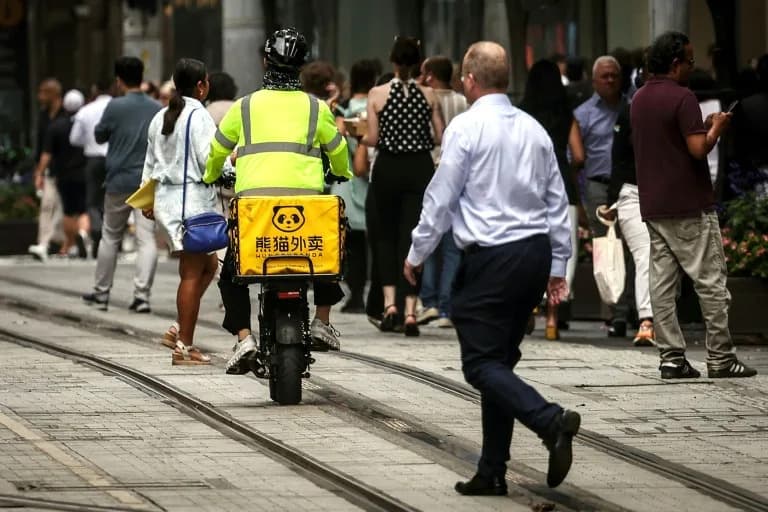
The order from Australia's Fair Work Commission issued Tuesday will see delivery drivers working for online platforms like UberEats and DoorDash earn Aus$31.30 ($22) an hour (DAVID GRAY)
Hundreds of thousands of delivery drivers who work for app platforms in Australia will receive a substantial pay boost after a decision by the Fair Work Commission. The tribunal ordered a new minimum hourly rate of Aus$31.30 (about US$22) for couriers working through platforms such as UberEats, DoorDash and HungryPanda. The rules, which also require workplace accident insurance, come into effect on August 17.
What the Order Covers
The Fair Work Commission's direction raises the floor for platform delivery pay above Australia’s current national minimum wage of Aus$26.44 an hour. It mandates both the Aus$31.30 hourly minimum and coverage for workplace accident insurance for drivers engaged through those apps.
Workers, Unions and Government Reactions
"Gig workers in Australia were left outside of our workplace systems for far too long," said Transport Workers Union National Secretary Michael Kaine. "From Monday, they will be entitled to an absolute world-leading set of standards that we will build on over time."
The Transport Workers Union, which represents many gig workers, jointly sought the new benchmark alongside several delivery platforms. Employment Minister Amanda Rishworth called the decision "a milestone in delivering stronger protections and a fairer safety net for gig economy workers."
Broader Context and Global Trends
Globally, the World Bank estimated in 2023 that up to 435 million online gig workers have often fallen outside traditional labour protections. In June, the International Labour Organization adopted a convention intended to extend job protections to gig workers.
Platform companies typically exert control over work via algorithms that assign tasks, set pay rates, evaluate performance and can remove workers from the service. Yet many platforms classify couriers and riders as independent contractors rather than employees, which in practice has allowed them to avoid obligations such as minimum-wage guarantees, workplace-safety protections and social-security coverage.
Why This Matters
The Fair Work Commission’s order marks a major regulatory shift in how platform-based work in Australia is governed. Beyond immediate pay increases, the decision sets a precedent for how tribunals and governments might reconcile algorithmic control with worker protections in the gig economy.
Help us improve.