Australia's government announced on September 17 that completing the 88 days of regional work will no longer guarantee a third-year working-holiday visa. Qualified applicants must now pay to enter a ballot for just 5,000 third-year visas, down from 31,000; second-year places are cut from 57,000 to 45,000, a two-year reduction of 38,000 spots. Industry groups warn the cuts could worsen regional labour shortages and hit tourism and farming, while the government says it will prioritise skilled migration and offer alternatives such as the Pacific Labour Mobility program.
Australia's Visa Overhaul Forces Backpackers Into Paid Lottery For Third-Year Stays
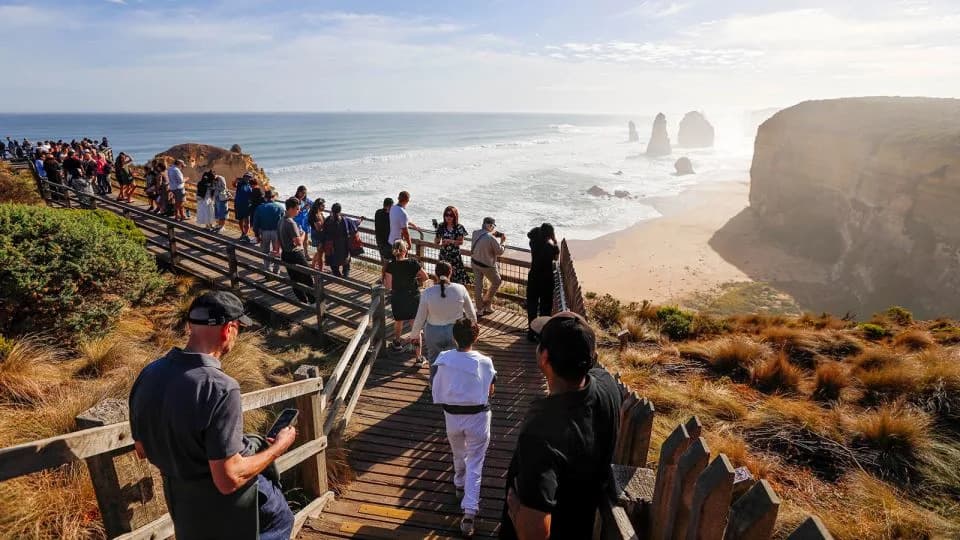
Tourists gather to view the Twelve Apostles in Victoria on April 12, 2025. - Ye Myo Khant/SOPA Images/LightRocket/Getty Images
French backpacker Zoe has been waiting tables for months, hoping to complete the 88 days of regional work that traditionally unlocked a third year in Australia. But a federal policy change announced on September 17 means completing the 88 days no longer guarantees an extension. Instead, eligible applicants must pay an entry fee to join a ballot for a sharply reduced number of third-year visas.
What the Change Means
Under the new rules, only 5,000 third-year working holiday visas will be awarded via a paid ballot — down from 31,000 previously granted. Second-year allocations are also cut, from 57,000 to 45,000, producing a total reduction of 38,000 working-holiday visa places across two years. Completing the 88 days of regional work remains necessary to enter the ballot, but it no longer guarantees a third-year visa.

Zoe's been working as a waitress in jobs to count towards the 88-day target. - Courtesy Zoe
Voices From The Road And The Regions
"Everyone is stressing out. Everyone's talking about that. The mood is low,"said Zoe, 25, who asked that only her first name be used. She had been banking on the extra year to relax and travel more of Australia.
Another backpacker, Laura, 28, from northern France, has logged three months as a commercial cleaner in hopes of qualifying for a third year and eventually finding permanent sponsorship.
"We are doing what Australians don't want to do... Not all Australians want to go to the bush and work in the middle of nowhere. We do it because we want to stay,"she said.
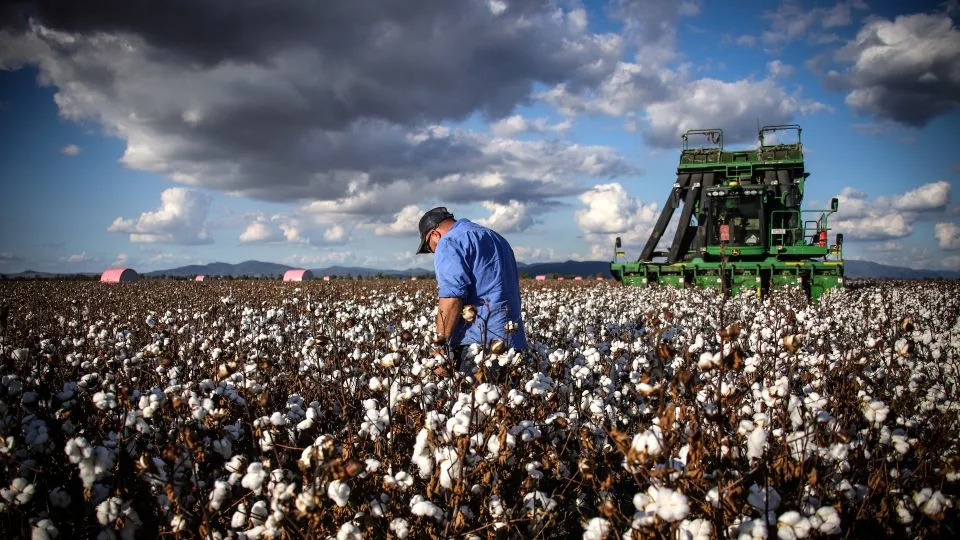
A farmer checks cotton plants during harvesting of a field near Gunnedah, New South Wales, Australia, on Thursday, May 28, 2020. - David Gray/Bloomberg/Getty Images
Industry Impact
Regional tourism operators and farmers warn the change could cause major labour shortages. Seasonal roles such as fruit picking and fence repairs require minimal training but are vital to rural businesses. The Mahony Group — which runs pubs and backpacker hostels across Australia — reports forward bookings down about 25% for the remainder of the year. Industry groups say some regional operators already consider conditions worse than typical post-COVID downturns.
Policy Context And Government Rationale
The government says the changes are designed to rebalance migration toward skilled roles that deliver stronger economic value — construction workers, healthcare professionals, specialists in agriculture and resources, and law-enforcement personnel. Officials also point to alternatives such as the Pacific Labour Mobility program to fill some seasonal roles.
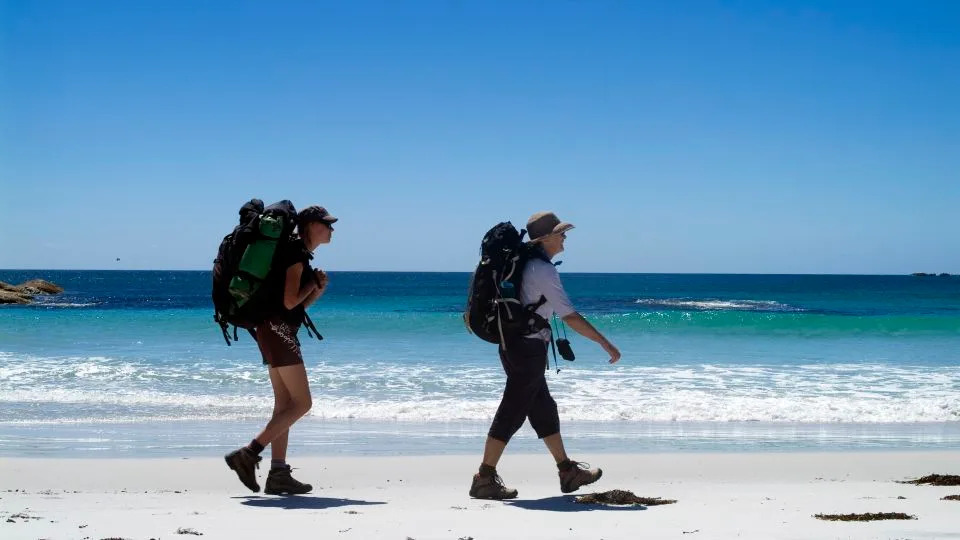
People walk along a remote beach on the Bay of Fires walk, a four-day hike that traverses Tasmania's far north-east coastline. - Leisa Tyler/LightRocket/Getty Images
Two years earlier, an Australia–UK trade agreement removed the 88-day regional work requirement for British travellers and raised the upper age limit from 30 to 35. Home Affairs Minister Tony Burke says that move coincided with a surge in British working-holiday numbers to nearly 80,000 from a previous peak of 35,000, creating pressure on intake and regional labour markets.
Processing Delays And Immediate Concerns
Travel-industry insiders say disruption began in July, when visa processing slowed unexpectedly. Matthew Heyes, founder of the Backpacker Job Board, said applicants who expected two- to three-day processing instead waited weeks or months, disrupting travel plans and harvest hiring cycles. The government says processing times will return to normal.

Laura has been working as a commercial cleaner during her stay in Australia. - Courtesy Laura
Other Measures Announced
In addition to changes to working-holiday visa allocations, the government announced tighter rules for international students — including restrictions on bringing family members — and stepped-up enforcement against visa overstayers.
Outlook
Critics warn that reducing working-holiday places risks deepening regional labour shortages and hurting rural tourism revenue. Supporters argue the shift better aligns migration with economic priorities amid concerns about housing, cost of living, and public sentiment on immigration. For backpackers like Zoe and Laura, however, the change has turned a previously reliable pathway into an uncertain, paid lottery.
Help us improve.