Many U.S. states and localities are raising minimum wages for 2027 to help workers keep pace with inflation. Seattle will raise its hourly minimum to $22.14 on January 1, 2027, and Business Tax Deadlines reports 102 scheduled changes across 20 states and 74 local jurisdictions. Key state increases include Maine (to $15.70) and Montana (to $11.20), while the federal rate remains at $7.25—unchanged since 2009 despite a CPI rise of more than 50%.
Minimum Wages Rise in 2027: Seattle Leads With $22.14 Hourly Rate; 102 Local Increases Planned
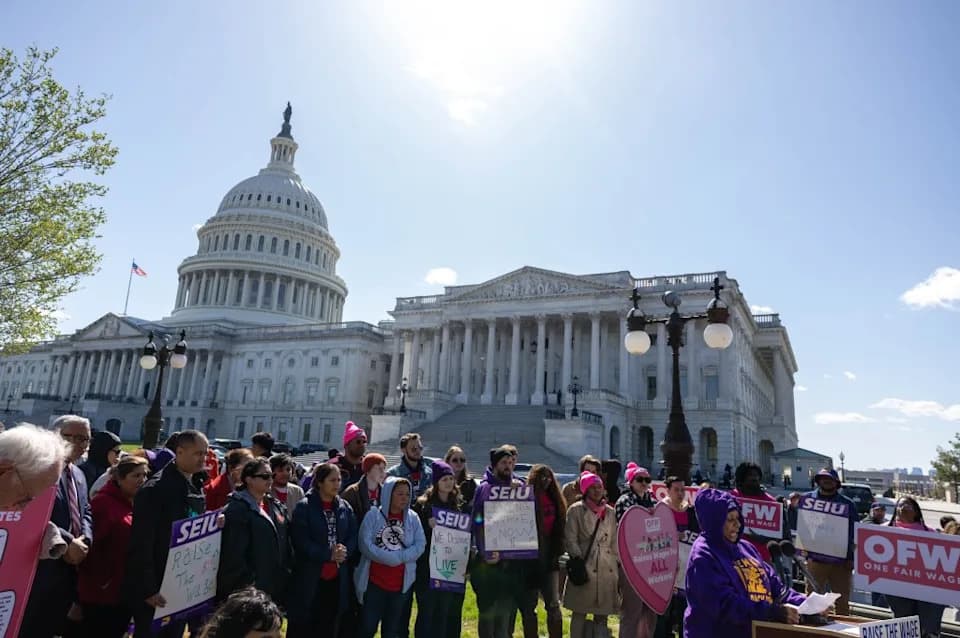
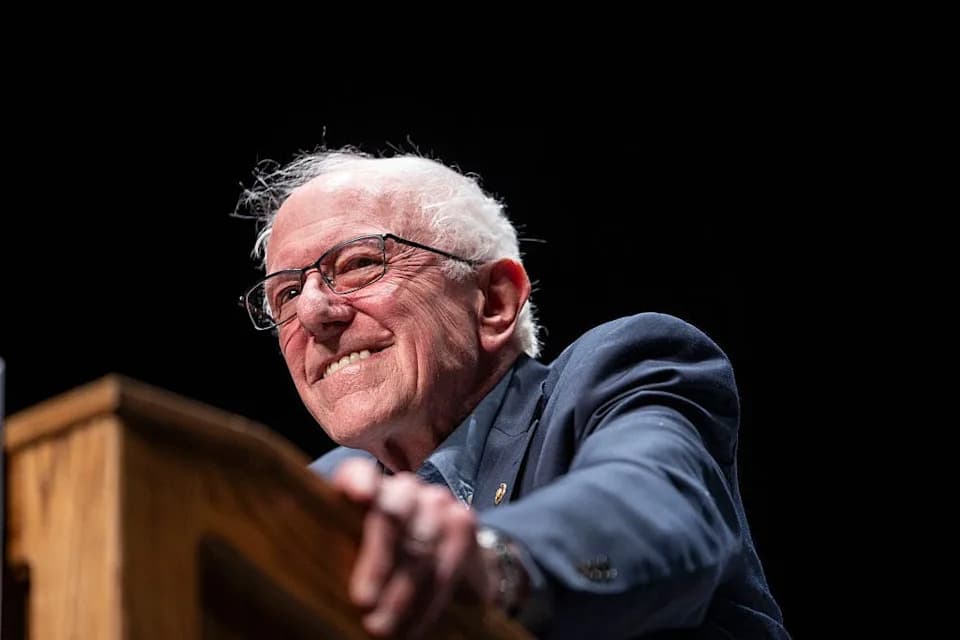
Workers at a press conference to reintroduce the Raise the Wage Act at the U.S. Capitol on April 08, 2025 in Washington, D.C.
A growing number of U.S. states and local governments are raising minimum wages for 2027 to help workers keep pace with rising prices. Some jurisdictions automatically index pay to inflation measures such as the U.S. Consumer Price Index (CPI), while others are using phased increases to reach specific targets—for example, Florida’s multi-year effort to raise its minimum to $15 an hour.
Seattle and Broad Local Adjustments
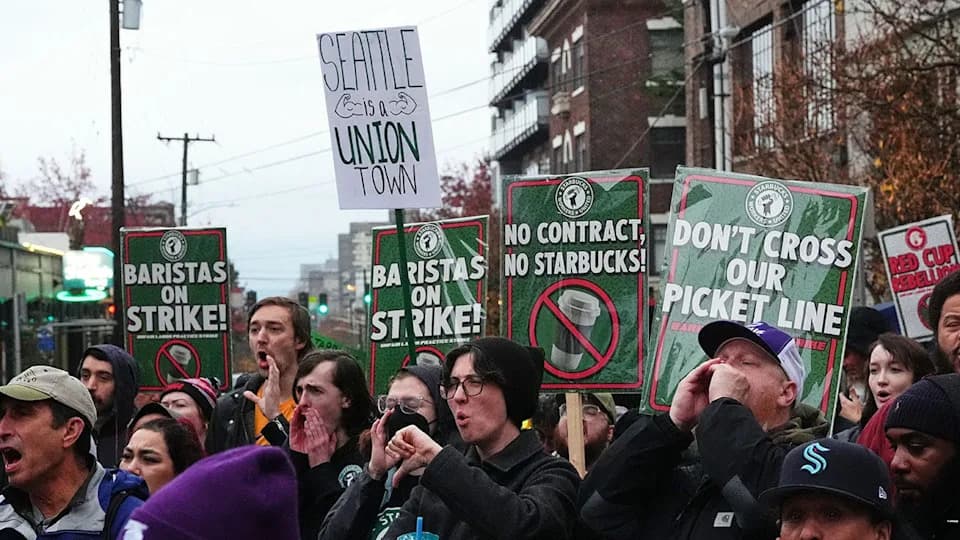
Last week, the Office of Labor Standards in Seattle announced the city’s minimum hourly rate will increase to $22.14 from $21.30, effective January 1, 2027. The adjustment reflects inflation as measured by the CPI for the Seattle–Tacoma–Bellevue metropolitan area and stems from Seattle’s Minimum Wage Ordinance, enacted in 2015, which requires annual, inflation-linked updates.
Nationwide Patchwork: 102 Changes in 2027
Business Tax Deadlines, an online calendar of fiscal policy changes, reports there are 102 minimum-wage changes scheduled for 2027 across 20 states and 74 local jurisdictions. Most updates fall on two primary dates: 73 jurisdictions will implement changes on January 1, and another 29 will take effect on July 1.
Selected State Increases
Several states have confirmed inflation-driven increases. In mid-September, the Maine Department of Labor announced the state’s minimum wage will rise to $15.70 from $15.10 in 2027. Bloomberg Tax’s inflation calculations indicate Montana will increase its hourly floor from $10.85 to $11.20 next year, consistent with state statutes that mandate annual cost-of-living adjustments.
Federal Context and Trends
Local and state governments routinely adjust minimum pay to reflect inflation and higher living costs, especially as the federal minimum wage has remained unchanged. The federal rate has been $7.25 per hour since the final phase of the Fair Minimum Wage Act of 2007 took effect in 2009, while the U.S. CPI has risen by more than 50% over the same period.
According to the U.S. Department of Labor, as of July, 30 states plus Washington, D.C. had set minimum wages above the federal level—ranging as high as $17.13 in Washington State and $18.40 in the District of Columbia. Many municipalities also set their own higher wages, creating a varied patchwork across the country.
Policy Proposals and Debate
Although several bills to raise the federal minimum wage have been introduced, none have become law. Last year, a bipartisan proposal from Republican Senator Josh Hawley and Democratic Senator Peter Welch sought to double the federal minimum from $7.25 and permit future inflation indexing.
“Let me give you the downside, though: In California, they raised it up to a very high number, and your restaurants are going out of business all over the place,” former President Donald Trump told Meet the Press host Kristen Welker, warning that very large increases can harm some businesses and state economies. He has also said $7.25 is “a very low number” and indicated there may be a level at which a federal increase is feasible.
With dozens of state and local adjustments already scheduled for 2027, minimum wages will continue to vary substantially from federal levels, driven by local cost-of-living measures and differing policy choices aimed at protecting workers’ purchasing power.
Help us improve.