Short Summary: The inspector general warns California’s high-speed rail program could run out of funds by December 2027 without new financing, identifying a $9.5 billion shortfall over five years and potential interest costs of $3.6–$6.6 billion. The Authority has reduced the initial train order from six trainsets to three, removed Buy America requirements for those sets, and is evaluating lease-purchase financing. Missed federal deadlines, the withdrawal of a $4 billion grant, and a potential schedule slip to as late as September 2034 have sparked calls for greater oversight.
California High-Speed Rail Could Exhaust Funds by December 2027 After Train Order Is Halved
California high-speed rail could run out of money by December 2027, as authority cuts train order in half
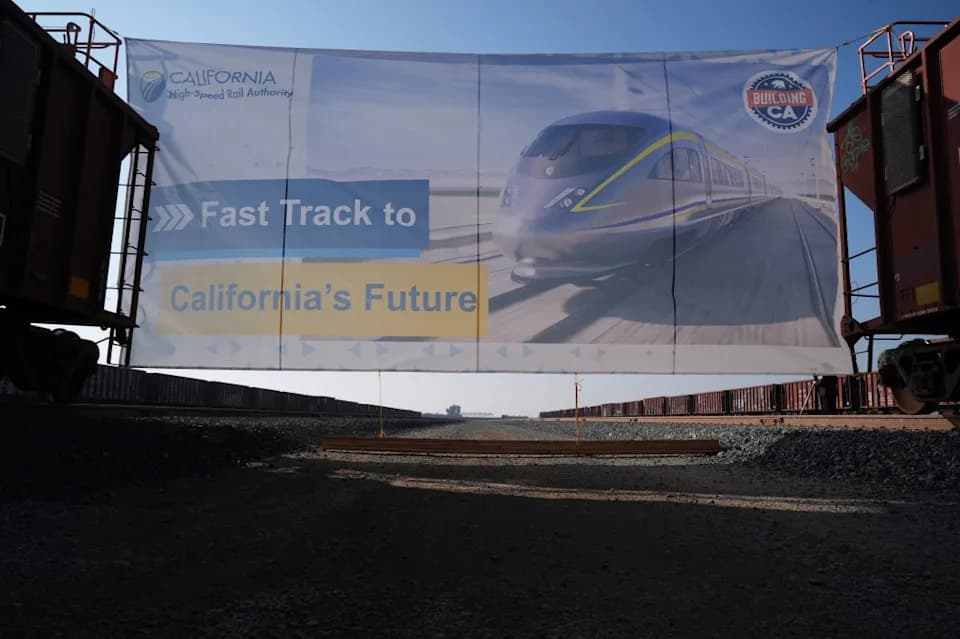
Overview: California’s troubled high-speed rail project faces a serious funding crunch that could force work to pause as early as December 2027 unless the state secures billions in new financing, the project’s inspector general warns. Procurement changes announced this summer — including cutting the initial train order in half and removing federal Buy America provisions — have intensified scrutiny from lawmakers and prompted fresh questions about schedule and costs.
Inspector General Findings
The Office of Inspector General, led by Ben Belnap, concluded that the California High-Speed Rail Authority "will exhaust its current funding resources as soon as December 2027 if it does not secure financing." The review identified an estimated $9.5 billion funding gap over the next five years and warned that borrowing to plug that gap could add between $3.6 billion and $6.6 billion in interest — costs not included in the project's official estimates.
Procurement Revisions and Their Impact
On Aug. 6 the Authority posted a notice of procurement revisions confirming that "no Contract has been executed with any party." Key changes include:
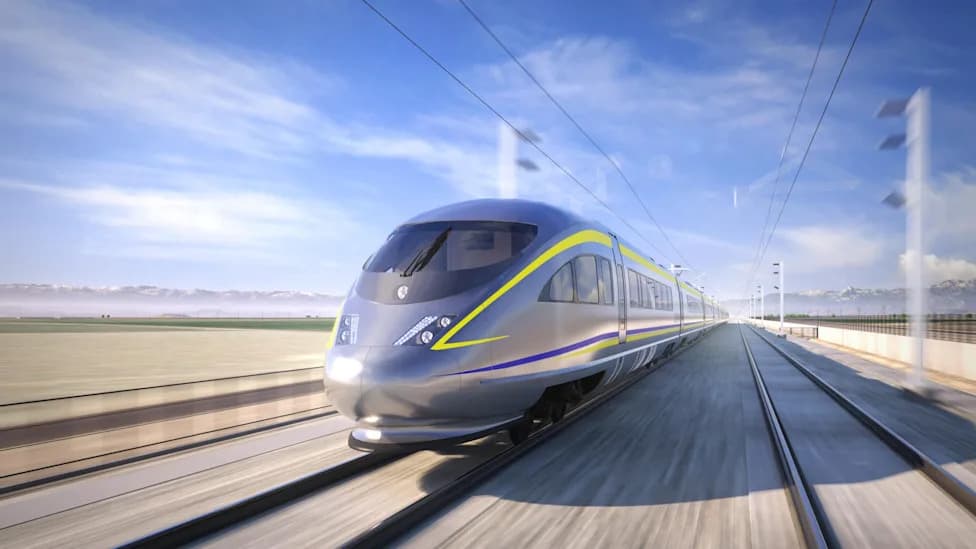
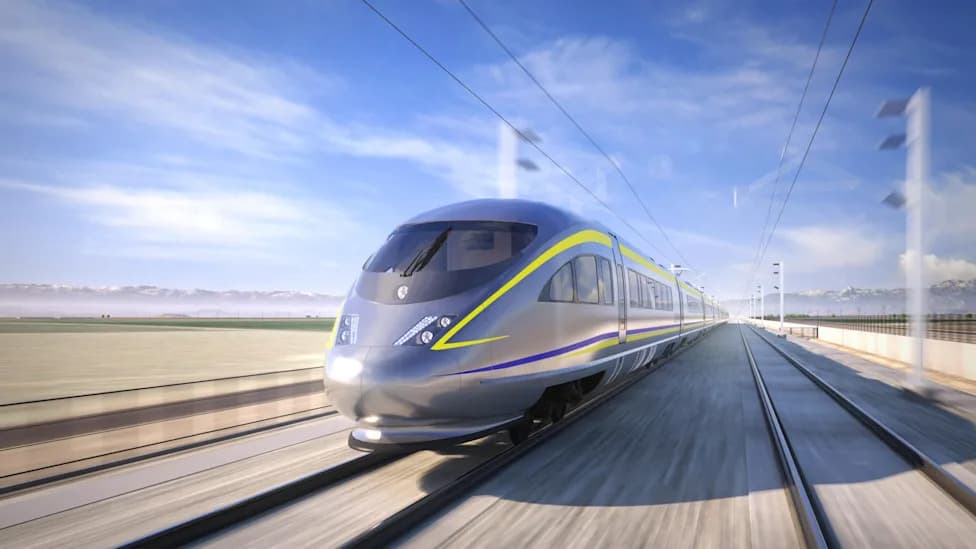
- Reducing the initial train order from six trainsets to three, with options for 19 more that carry "no guarantee."
- Revising the delivery schedule so initial trainsets must be ready for testing no later than February 2030.
- Removing federal "Buy America" requirements for the initial trainsets that had been tied to anticipated federal funding.
- Considering a "lease-purchase financing structure," which could mean the state would not outright purchase the trainsets.
Timeline, Missed Deadlines and Federal Funding
Federal grant documents signed during the Biden administration required the Authority to execute a train contract by Dec. 31, 2024. That deadline was missed. When the Trump administration later withdrew a $4 billion federal grant, officials cited the missed milestone. The state sued to challenge that decision and told a federal judge it would execute the contract by Dec. 1, 2025 — a commitment that was also missed. The state quietly dropped the lawsuit in December without a public explanation.
Lawmakers React
Leaders of California’s legislative transportation committees said they were unaware the state had not completed the train procurement. Assembly Transportation Committee Chair Lori Wilson and Senate Transportation Committee Chair Dave Cortese expressed concern and said they would seek answers. Republican Senator Tony Strickland criticized the program’s oversight and called for more accountability.
Authority Response
"Following the withdrawal of the Federal-State Partnership for Intercity Passenger Rail grant for California's high-speed rail trainsets, the Authority reevaluated its train procurement requirements for its planned service in the Central Valley. To maintain the project schedule, the Authority modified the contract to remove provisions that had been federally required in connection with previously anticipated federal funding. This change reduces schedule risk and enables testing to proceed in alignment with the recently awarded Track and Systems Construction Contract and the Authority's overall schedule for beginning service."
The Authority also disputed some of the inspector general’s characterizations in a written response appended to the report, calling them "differences in interpretation rather than gaps in information." The inspector general’s office stood by its findings.
Schedule Slippage and What’s Next
The inspector general also noted that the Authority’s 2026 business plan did not clearly disclose a schedule slip: the service window originally targeted for 2032–2033 now may extend as late as September 2034. With procurement unresolved, funding gaps identified, and delivery dates pushed out, the project faces more uncertainty about costs, financing and timeline.
Bottom line: Without new financing or a change in procurement strategy, the Authority could exhaust its current resources by December 2027. Lawmakers, watchdogs and the public are pressing for clearer disclosures and stronger oversight as the state decides whether to borrow, lease or otherwise finance the next phase of the program.
Help us improve.