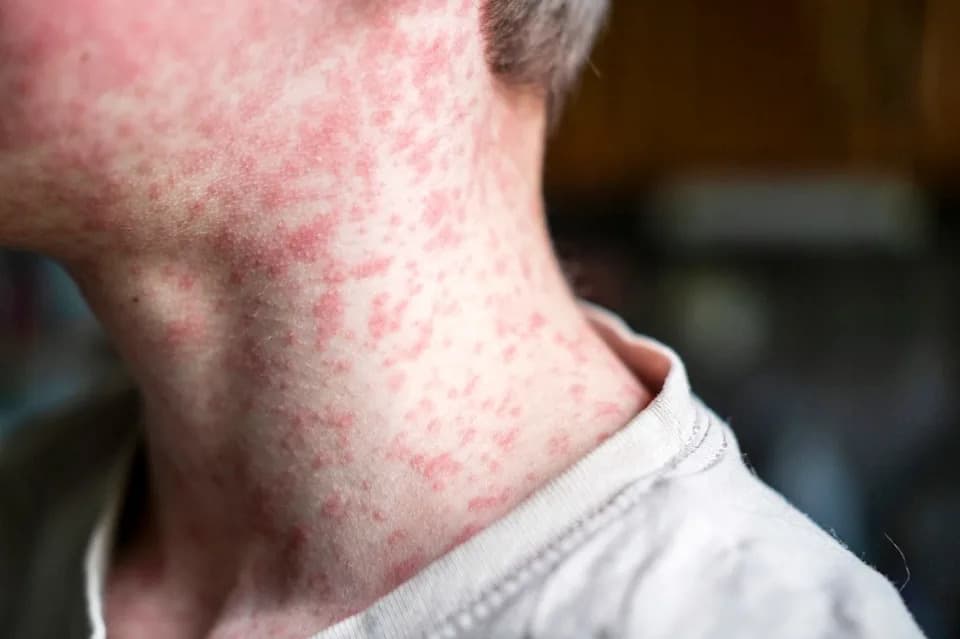
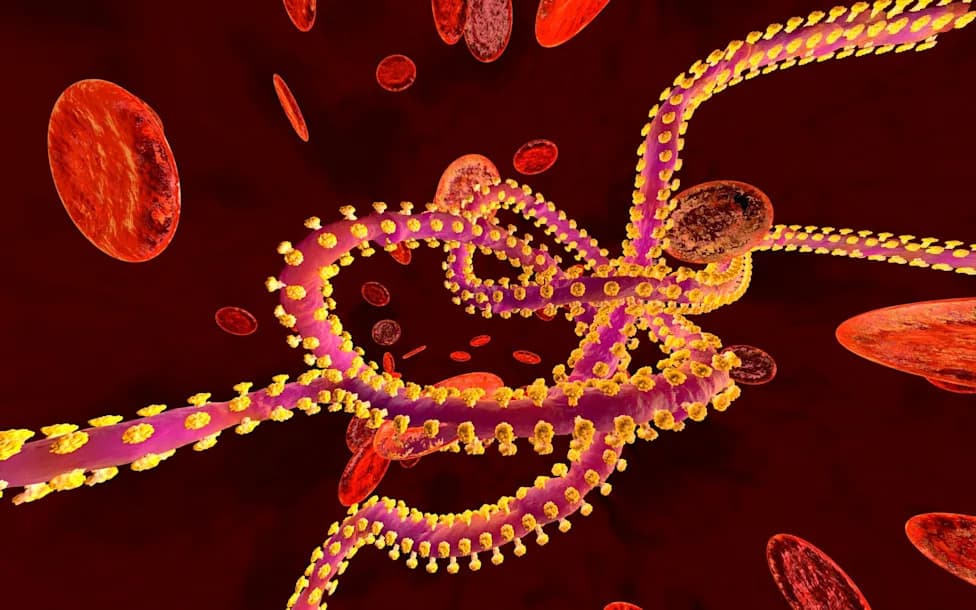
Although overall respiratory illness remains low nationally, CDC data and wastewater monitoring indicate a summer uptick in COVID-19. Emergency department visits rose from 0.1% to 0.3% between July and August, and the CDC estimated infections were growing or likely growing in 43 states as of August 5, 2026. Wastewater signals are elevated across parts of the West and South, and experts warn COVID may be adopting a seasonal pattern even as vaccine uptake lags.
Summer COVID Uptick: CDC Says Infections Growing in 43 States As Wastewater Signals Rise
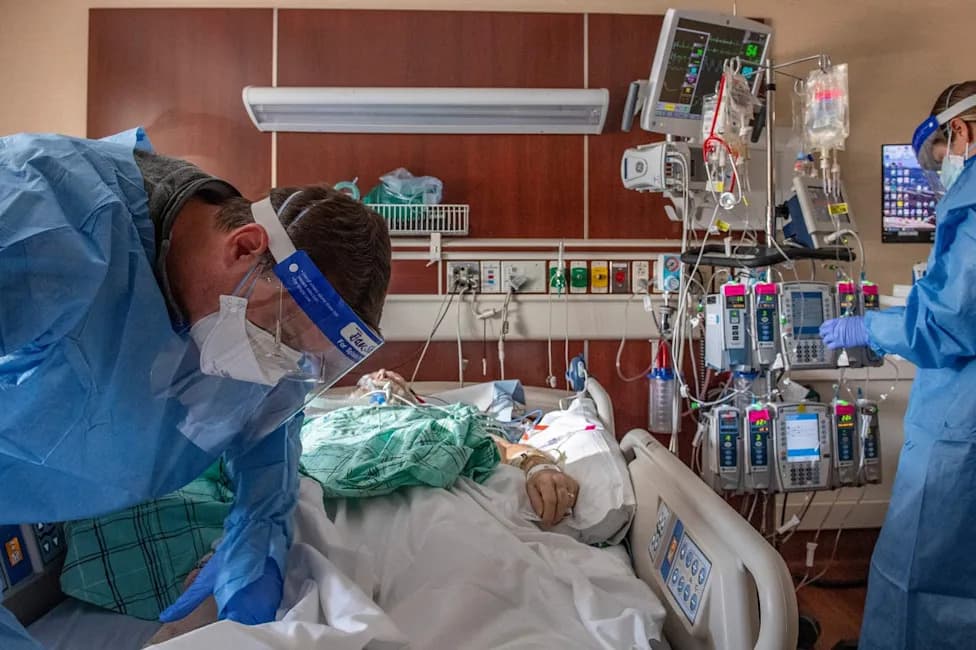
A summer Covid surge is happening even though many have moved on from the virus
Although overall respiratory illness remains low across the United States, multiple surveillance indicators point to a renewed summer rise in COVID-19 cases.
What The Data Shows
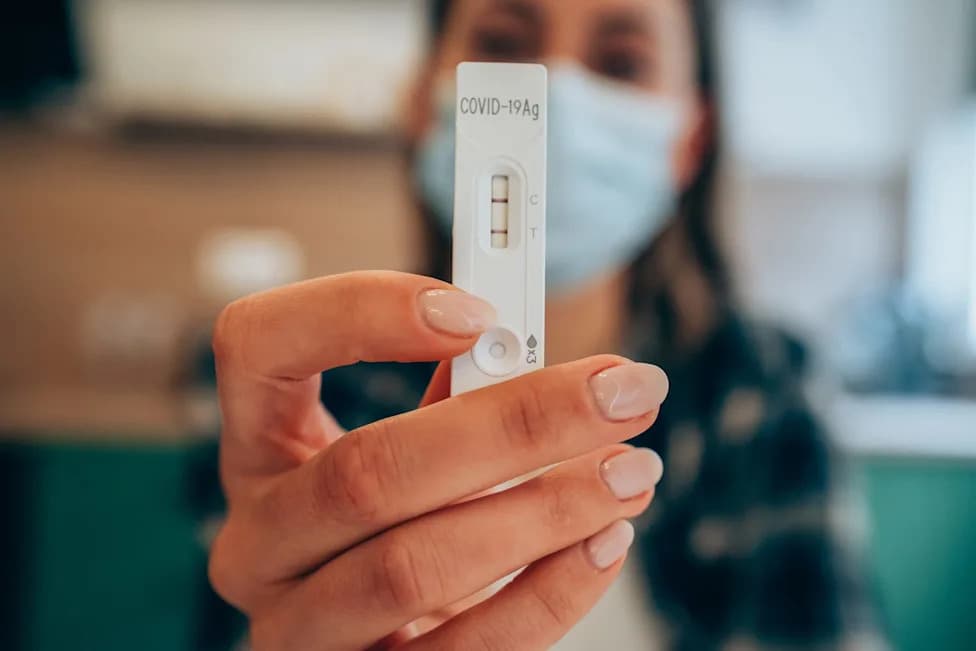
Emergency department visits for COVID-19 increased, rising from 0.1% of ED visits in July to 0.3% in August, according to Centers for Disease Control and Prevention (CDC) data. While most states still report very low activity, the agency reported that infections were growing or likely growing in 43 states as of August 5, 2026. No states were listed as declining.
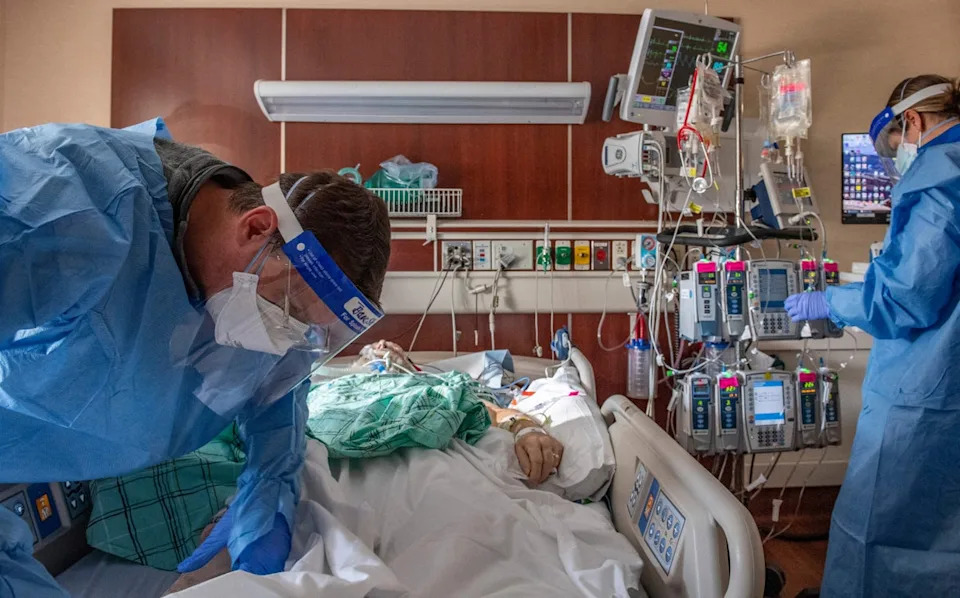
Covid emergency visits are seeing an uptick this month and infections are growing or likely growing in dozens of states, CDC data shows (AFP/Getty)
“As of August 5, 2026, we estimate that COVID-19 infections are growing or likely growing in 43 states, declining or likely declining in 0 states, and not changing in 7 states,” the CDC wrote in its summary of recent trends.
Wastewater Surveillance Highlights
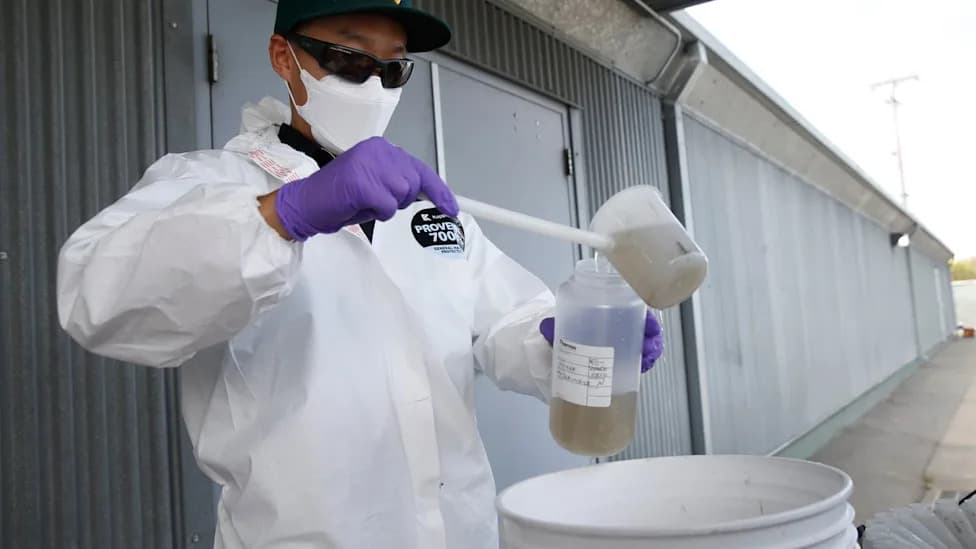
Wastewater monitoring has emerged as the most dependable way to track COVID trends because routine individual testing has decreased since the pandemic’s height. The CDC notes moderate wastewater signals in California, Kentucky and Hawaii, and high signals in Alaska. Independent reporting from the university-led WastewaterSCAN Dashboard and other monitoring initiatives also showed high activity over the past 21 days across much of the western and southern U.S., with the strongest signals in several coastal cities, including sites in California and Florida.
Seasonal Pattern, Variability, And Vaccination
Experts say COVID-19 may be settling into a seasonal pattern similar to influenza, with rates typically lowest in late June and early July before climbing again in August. Dr. Susan Kline, a professor of infectious diseases at the University of Minnesota, noted that last year there was a peak in late August into mid-September and said the same timing could recur this year.
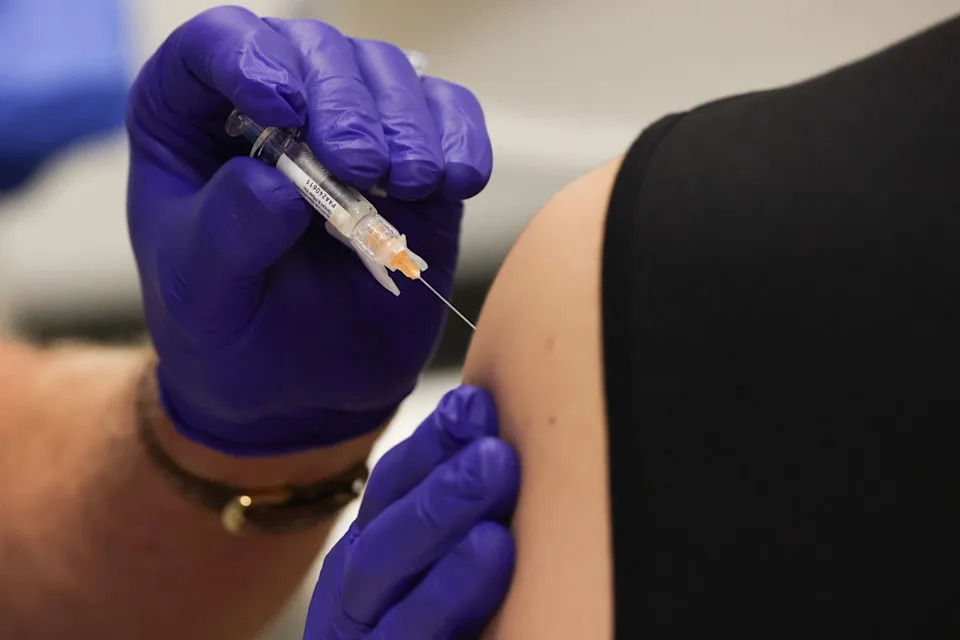
Covid vaccines can reduce the risk of serious illness from Covid infections (AFP/Getty)
COVID seasonality appears more variable than the flu. Contributing factors include lower uptake of COVID vaccines compared with flu vaccines and the continued emergence of new variants. The CDC reports that the share of adults saying they probably would not or would not get a COVID vaccine has been increasing since last fall.
Public Health Context
COVID-19 produces a wide range of symptoms and can still cause severe illness and death, including among people without underlying conditions. More than 1.1 million Americans died during the pandemic’s worst phases, according to a tracker maintained by Johns Hopkins University. Vaccination remains the most reliable protection against severe outcomes; past research indicates COVID vaccines helped prevent millions of hospitalizations and deaths during earlier waves.
What You Can Do: Stay up to date on CDC guidance, consider vaccination or boosters if eligible, test if you have symptoms, and seek care for severe illness. Wastewater and emergency department data suggest heightened surveillance is warranted as summer patterns evolve.
Help us improve.