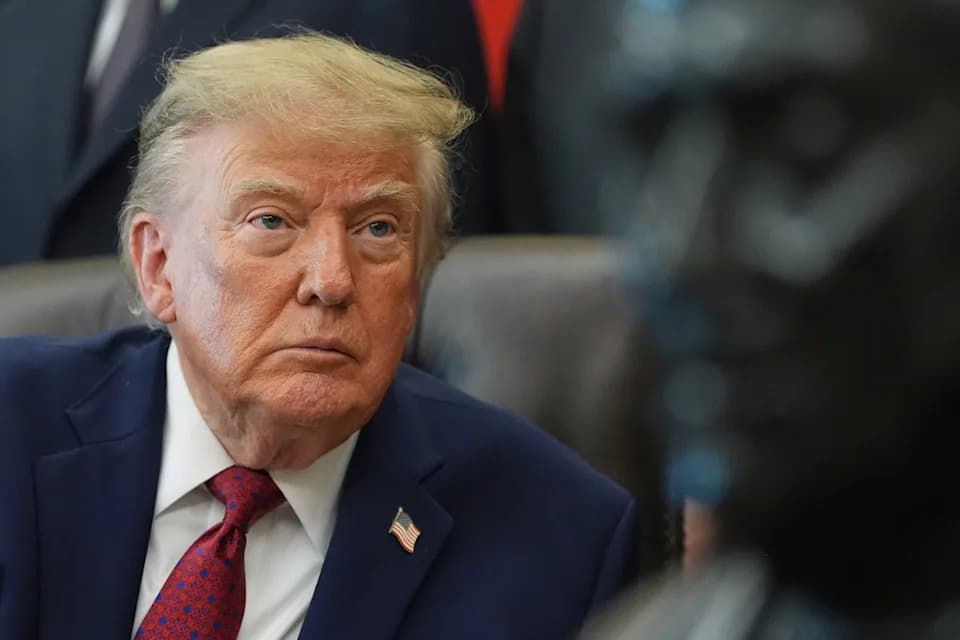
President Trump said the U.S. launched "major combat operations" against Iran and defended continuing economic pressure, calling Tehran's economy "unsustainable." Talks in June aimed at a war-ending memorandum have not stopped exchanges of strikes, and Qatar says Iran-Oman negotiations over the Strait of Hormuz are at a "critical point." Oil prices rose as concerns over disrupted shipping persisted, while incidents in the Red Sea and Houthi attacks in Yemen added to regional tensions. Iran says it is not in direct talks with the U.S. and is focused on negotiating shipping arrangements with Oman.
Trump Calls Iran's Economy 'Unsustainable' as Strikes Continue and Strait Of Hormuz Talks Reach 'Critical Point'
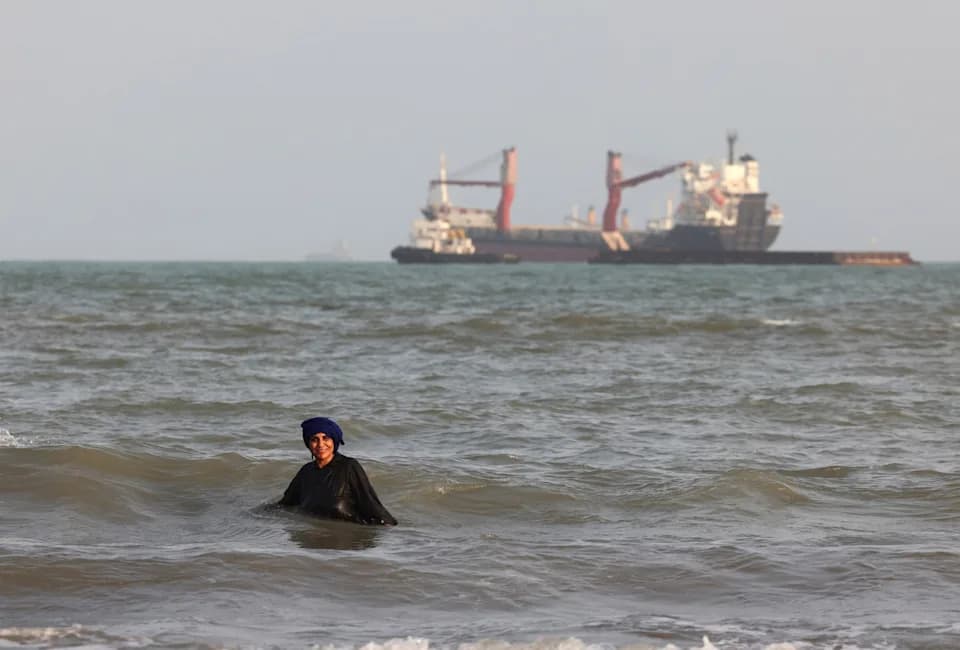
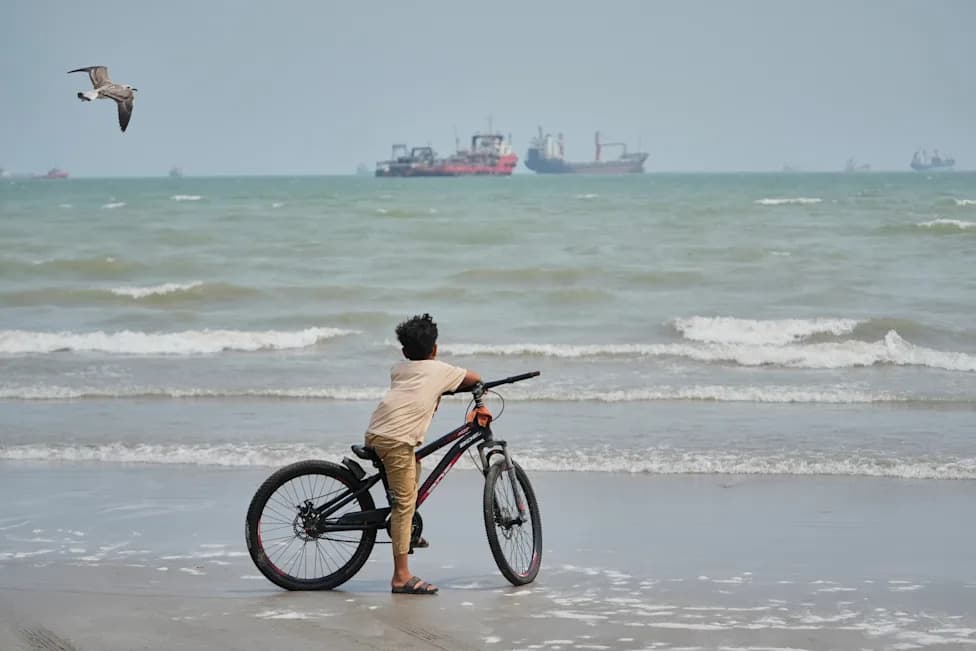
Atta Kenare/AFP via Getty Images - PHOTO: A woman swims in the sea as vessels are seen in the Strait of Hormuz off the port city of Bandar Abbas, in southern Iran, on Aug. 10, 2026.
President Donald Trump said on Feb. 28 that the United States had launched "major combat operations" against Iran, describing coordinated U.S.-Israeli strikes targeting military, government and critical infrastructure sites. Despite a memorandum of understanding and June talks intended to end the conflict, exchanges of strikes between the two countries have continued and the Strait of Hormuz remains the strategic flashpoint.
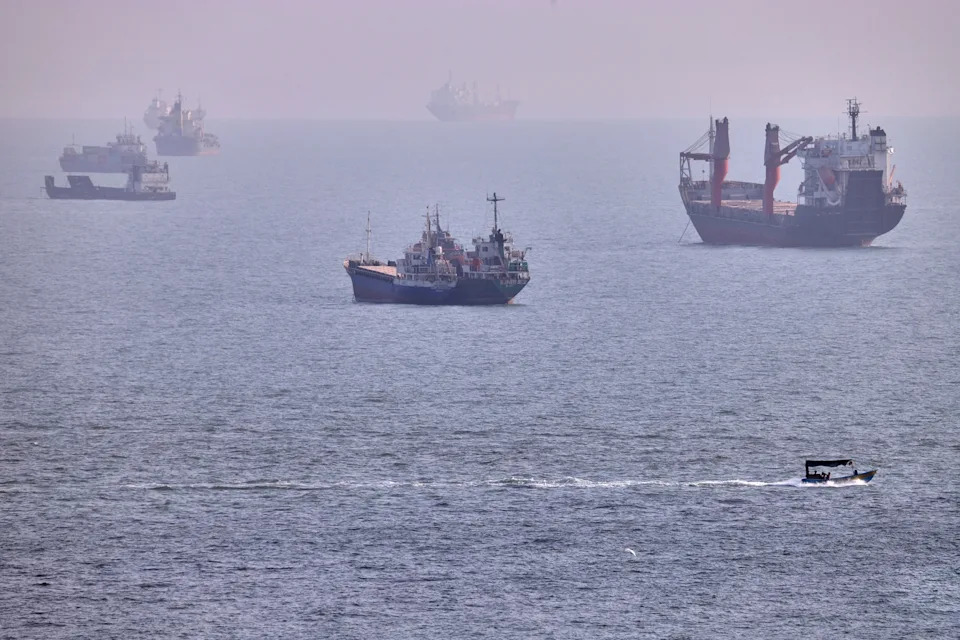
Amirhosein Khorgooi/Isna via AP - PHOTO: A small boat sails past cargo ships and other commercial vessels anchored in the Strait of Hormuz off Bandar Abbas, Iran, Aug. 5, 2026.
Diplomacy And The Strait Of Hormuz
Delegations from Washington and Tehran held negotiations in June aimed at a war-ending agreement based on a memorandum of understanding both sides signed. Separately, Qatar said discussions between Iran and Oman over the future management and routing of traffic through the Strait of Hormuz are at a "critical point," with "positive statements from both capitals" reported by Doha.
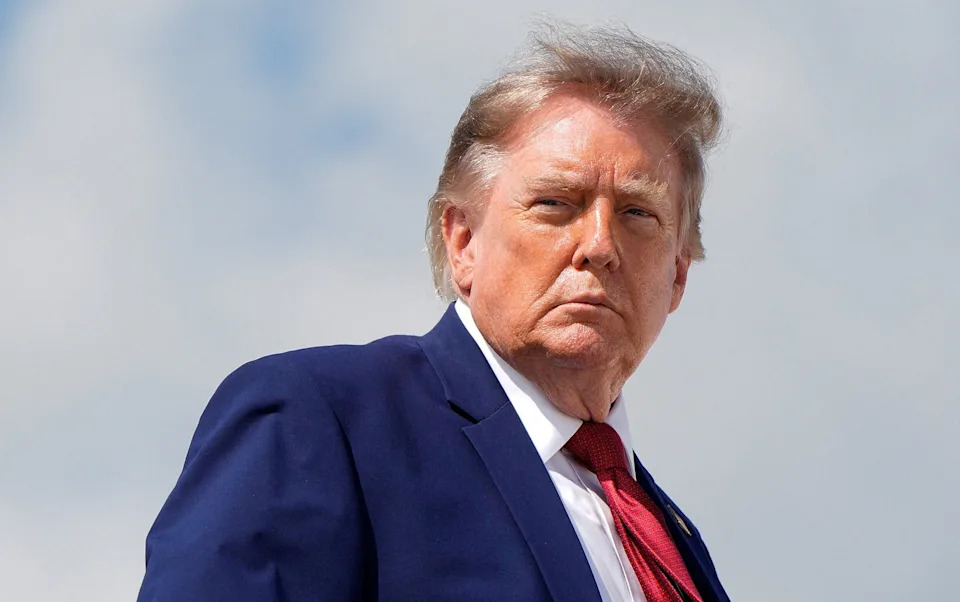
Elizabeth Frantz/Reuters - PHOTO: President Donald Trump boards Air Force One at Joint Base Andrews, Maryland, August 7, 2026.
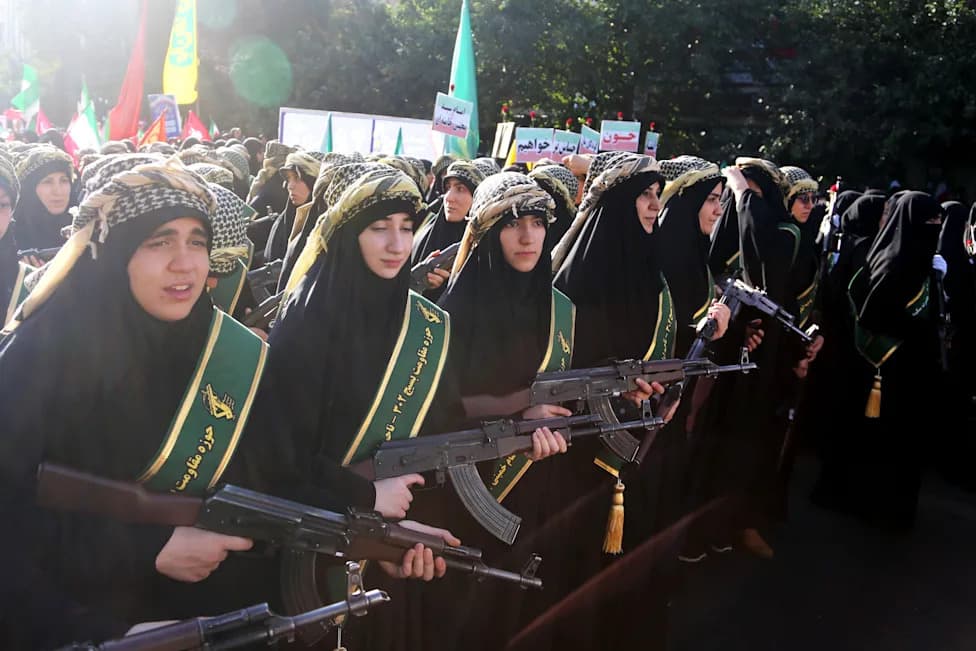
Iran's foreign ministry officials have said management and security of the strait is Iran's responsibility and that Tehran will not reopen the waterway unless the U.S. meets key demands including reconstruction funding and sanctions relief. Iran also described a proposed temporary central safe route to replace previous traffic lanes while a new traffic separation plan is finalized.
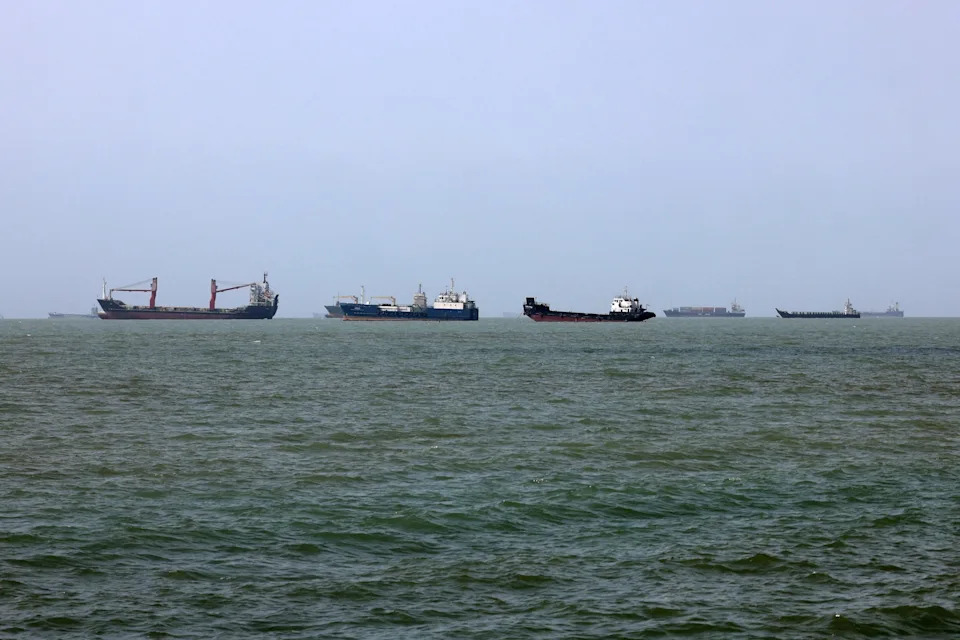
Atta Kenare/AFP via Getty Images - PHOTO: Vessels transit the Strait of Hormuz off Bandar Abbas in southern Iran on Aug. 10, 2026.
Recent Incidents And Economic Impact
The United Kingdom Maritime Trade Operations (UKMTO) reported a vessel in the southern Red Sea was struck by an "unknown projectile," causing casualties; the incident, reported off the coast of Yemen, is under investigation. Maritime-intelligence firm Kpler recorded eight confirmed crossings of the Strait of Hormuz on Aug. 10, while Bab el-Mandeb traffic remained stable.
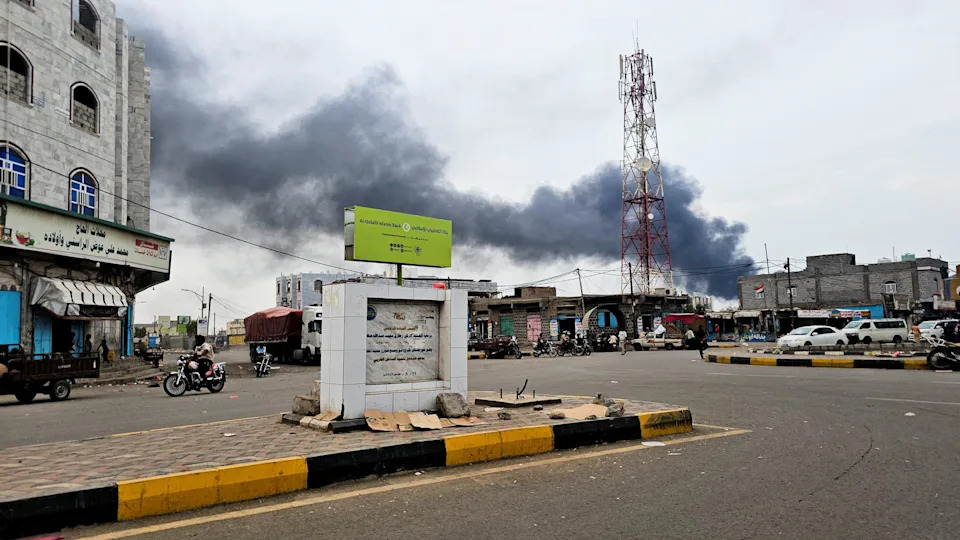
Stringer/Reuters - PHOTO: Smoke rises during Houthi missile and drone strikes on the Red Sea port city of Mocha, Yemen, on Aug. 9, 2026.
Oil prices rose amid concerns the Strait of Hormuz could remain effectively closed: U.S. crude traded near $84 a barrel (up about 2.5%) and global crude near $90 (up roughly 2.3%). Observers say continued disruptions to these chokepoints could keep energy markets volatile.
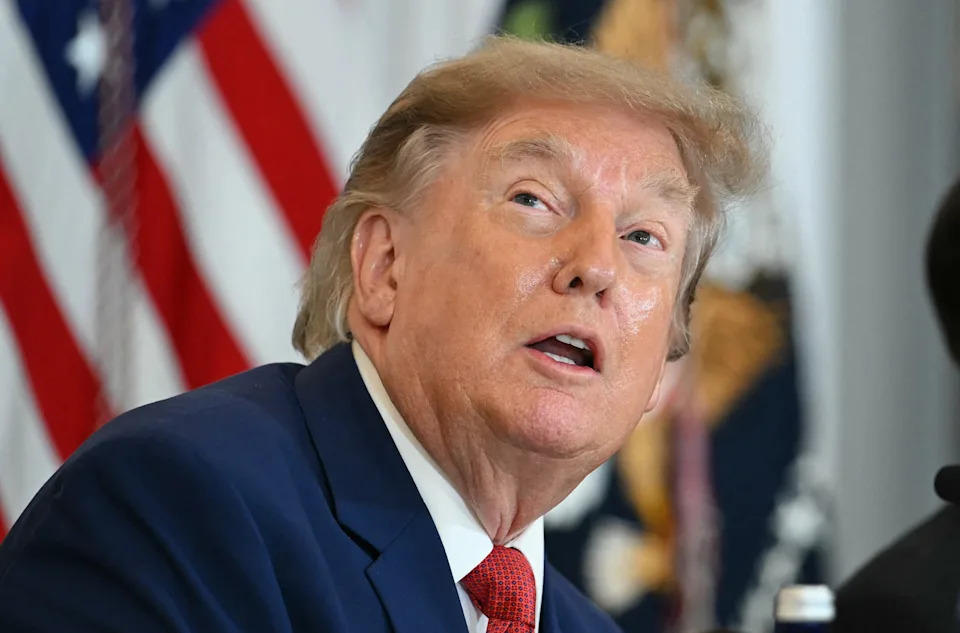
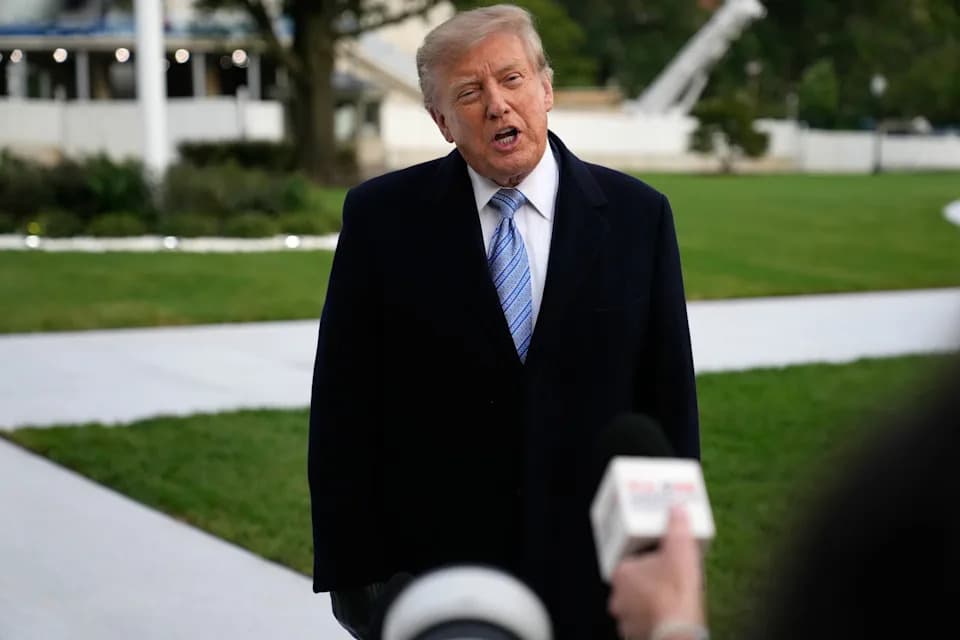
Kent Nishimura/AFP via Getty Images - PHOTO: President Donald Trump participates in a roundtable on the American mining industry at the US Department of State in Washington, August 7, 2026.
Trump's Remarks And U.S. Strategy
In a pre-recorded interview with Real America's Voice, President Trump defended his strategy toward Iran and argued that continued economic pressure is appropriate. He attributed severe economic distress to Tehran—citing what he described as 300% inflation and widespread currency decline—and urged maintaining pressure while also keeping military options available.
"Just bop along and look how bad they're doing, because they've got 300% inflation, they have no value... So just keep that going because that's not sustainable," Trump said, adding that the U.S. could "hit them really really hard."
Trump also said the United States controls seized Iranian assets and repeatedly denied reports of munitions shortages, saying, "We're fine" and that weapons are being produced rapidly. He maintained that the Strait of Hormuz is controlled by the U.S. "100%," while acknowledging Iran could still "make trouble."
Compensation Demands And Iranian Response
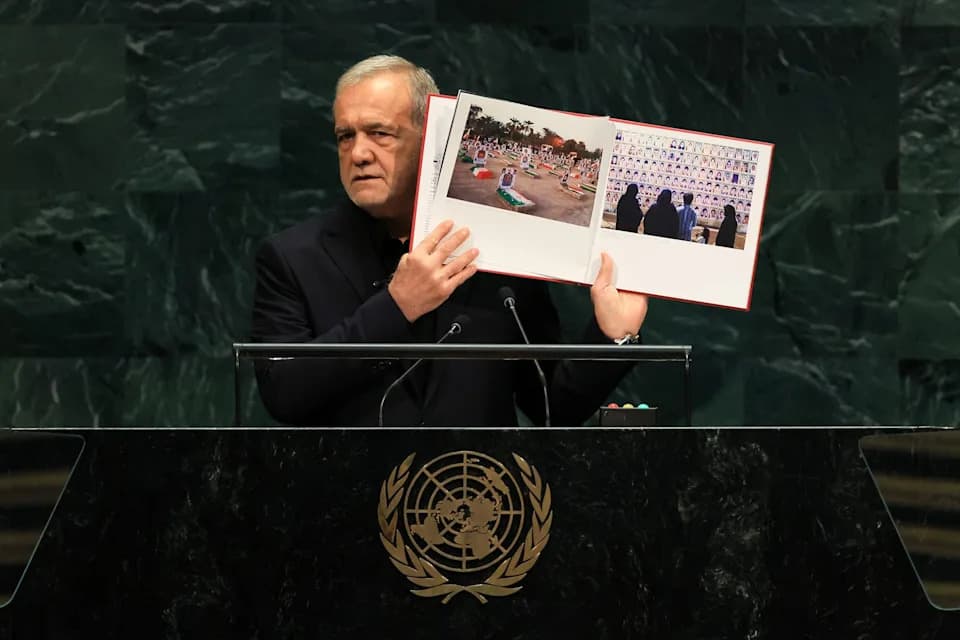
After Iran called for compensation as part of any negotiated resolution, Trump publicly demanded compensation from Iran as well, adding that families of those killed in protests and the recent conflict should be included. Iran's Foreign Ministry spokesman Esmaeil Baqaei said there are no direct talks with the U.S., only intermediary exchanges of messages, and reiterated Tehran's focus on negotiating shipping arrangements with Oman.
Regional Violence And Ceasefire Developments
Yemen's armed forces reported that Iran-aligned Houthi rebels struck the Red Sea port city of Mocha with drones and missiles, killing at least four soldiers and three civilians and injuring around 30 people, according to the army spokesperson. Separately, Hamas said it remains committed to a 15-point plan for the second phase of a Gaza ceasefire agreement, even as Israeli Prime Minister Benjamin Netanyahu said he would reject the plan.
President Trump told Axios the U.S. is "semi-negotiating" with Iran and described the engagement as "low-key," saying U.S. pressure and a naval blockade have worsened Iran's economic crisis. Iran acknowledged that messages were being exchanged through intermediaries but stopped short of calling them formal negotiations.
The situation remains fluid: diplomacy, economic pressure, and military posturing continue to interplay around one of the world's most important maritime chokepoints, with significant implications for regional security and global energy markets.
Help us improve.