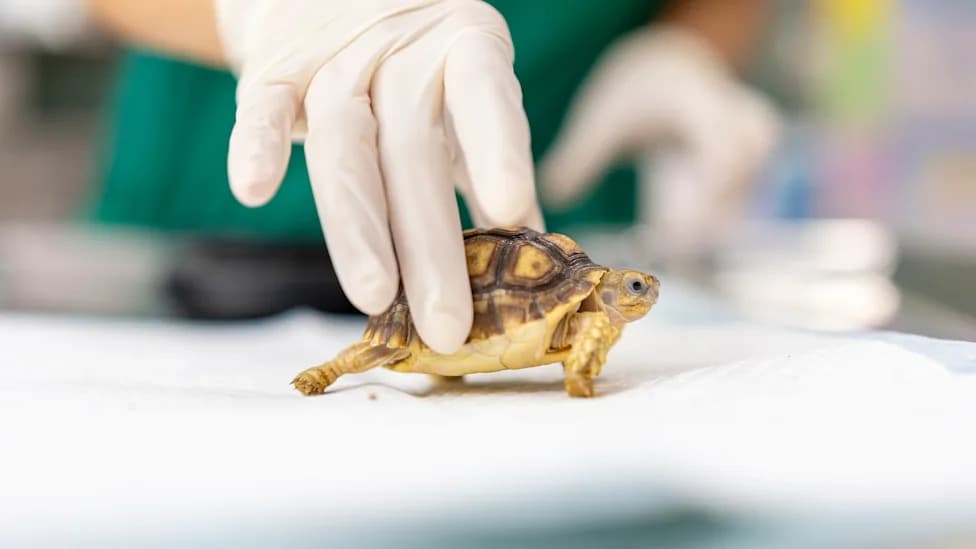
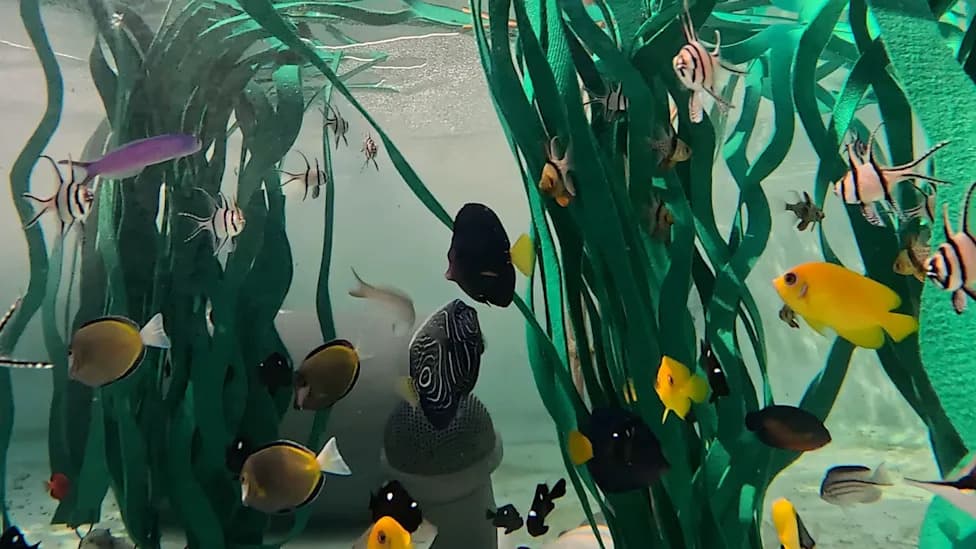
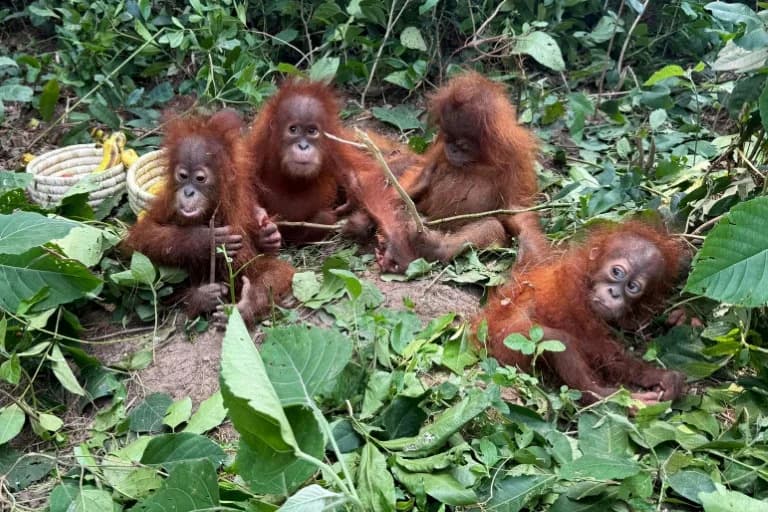
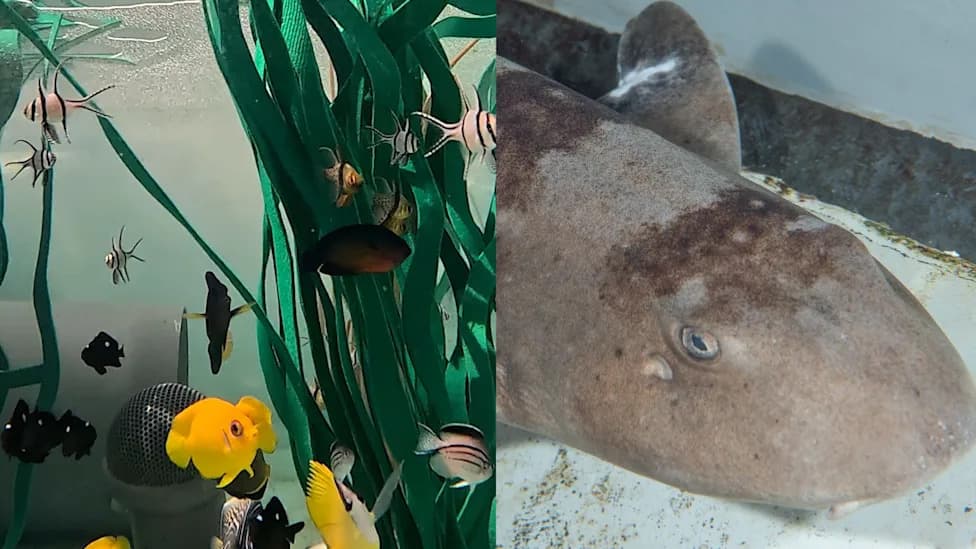
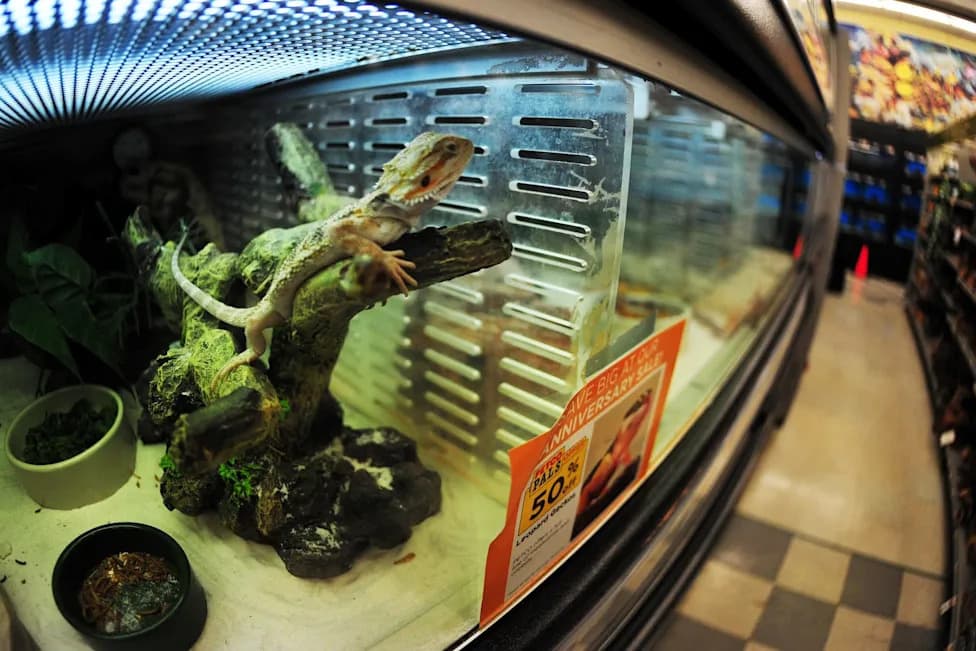
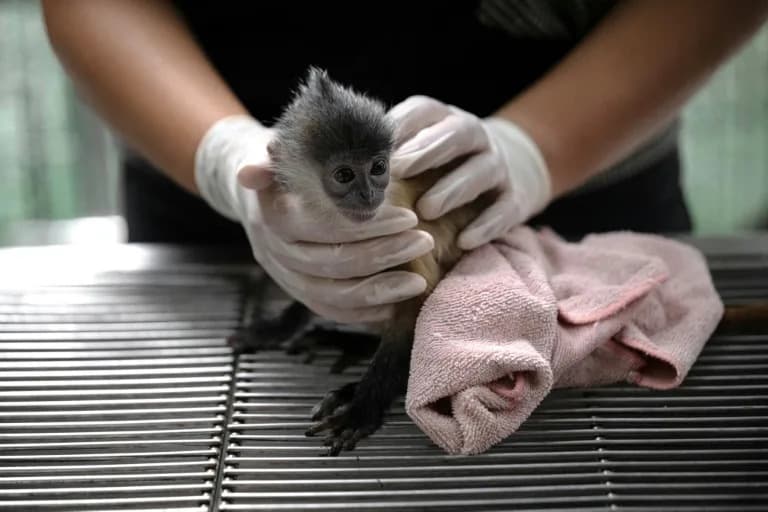
Monsters of God, HBO’s five-part docuseries directed by Eric Goode, spotlights convicted reptile dealer Tommy Crutchfield, who claims he supplied animals to film and TV productions and once profited millions from illegally sourced wildlife. The series investigates smuggling networks, ties to a former San Diego Zoo curator, and how pop culture fuels demand for exotic pets. Experts warn wildlife trafficking endangers species, bolsters criminal networks and undermines conservation, while accredited zoos now follow stricter sourcing and breeding rules to protect animals.
Convicted Reptile Dealer Claims He Supplied Cobras to ‘Indiana Jones’ — HBO Doc Exposes Illegal Exotic-Animal Trade

Photo Credit: iStock
Tommy Crutchfield, a longtime reptile dealer and convicted felon, is the focus of an alarming new HBO docuseries that examines the global trade in exotic animals. In Monsters of God, director Eric Goode and the team behind Tiger King and Chimp Crazy probe how pop culture, smuggling networks and weak oversight fuel a multibillion-dollar industry with serious conservation and criminal consequences.
Claims, Conviction and Documentary Spotlight
The five-part series — reported on by USA TODAY and republished by AOL — features Crutchfield describing how, at one point, he earned millions by selling illegally sourced wild animals. The film notes Crutchfield previously served 30 months in prison after a reptile-smuggling conviction.
"I sold illegal animals to every zoo in this country," Crutchfield says in the series, adding that he cannot confirm whether institutions always knew an animal's provenance.
Links to Zoos and Institutional Response
The documentary explores reported ties between Crutchfield and Earl Thomas Schultz, a former San Diego Zoo reptile curator who received probation and a fine in 2000 for trafficking in rare animals. The San Diego Zoo Wildlife Alliance responded to the program by saying the incident occurred more than 30 years ago and took place without the knowledge or support of the Zoo, calling it a turning point for the institution and the broader accredited-zoo community.
Conservation and Crime Implications
Experts in the film and reporting warn that wildlife trafficking is far from a niche hobby. It can imperil vulnerable species, undermine legitimate conservation and breeding programs, strengthen criminal networks, and erode public trust in institutions that are supposed to protect animals.
As one interviewee notes, "Underneath is this pretty massive illegal industry not a lot of people know about or talk about." Director Eric Goode frames the problem bluntly: "We're the monsters that are destroying the planet as we see it."
Stricter Rules and Industry Changes
The documentary also highlights how accredited zoos and aquariums have tightened sourcing rules compared with past decades. The Association of Zoos and Aquariums (AZA) now requires member institutions to document an animal's origin and destination and to verify that acquisitions are legal, ethical and sustainable. The AZA also runs a Species Survival Program to support conservation-focused breeding efforts. Dan Ashe, the association's president and CEO, acknowledged that zoos once had a "collection mentality" but said that approach no longer defines the industry.
While Monsters of God centers on reptiles and the individuals who traffic them, its broader message warns that demand, weak enforcement and profitable criminal networks continue to threaten biodiversity and conservation efforts worldwide.
Help us improve.