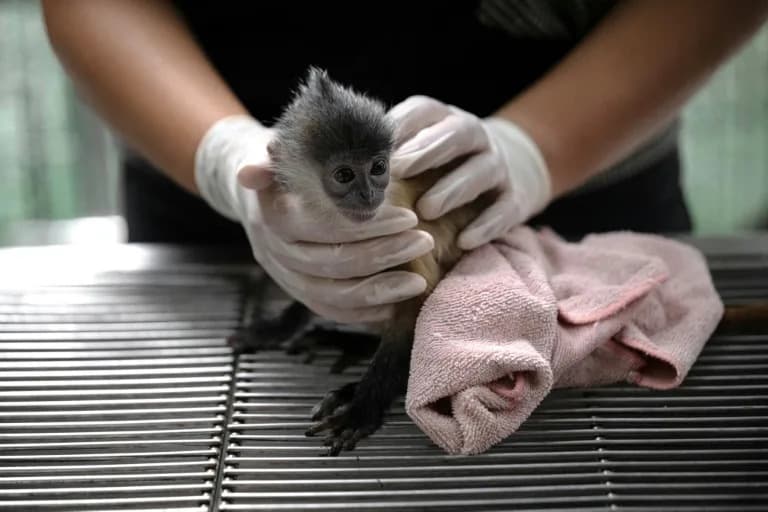
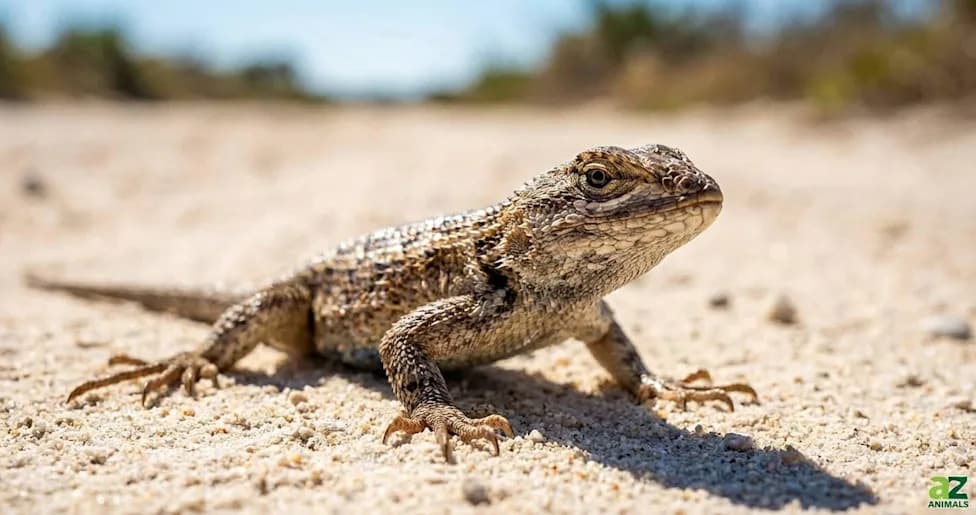
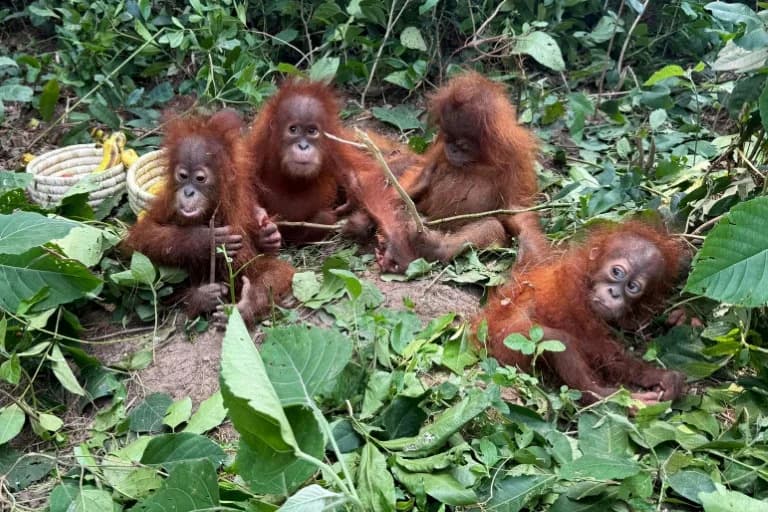
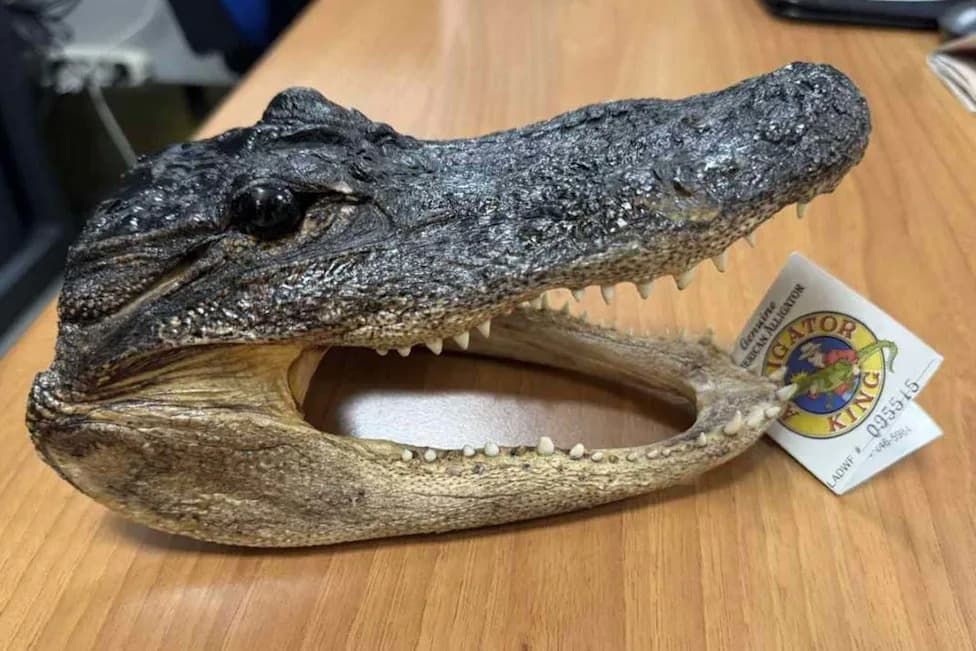
South Korean authorities say they have dismantled an international wildlife‑smuggling ring that allegedly imported roughly 200 endangered animals from Thailand, Vietnam and Indonesia, hiding some in underwear and cookie tins. Officials arrested five suspects and seized 95 animals; 48 turtles died during transport and the surviving animals were placed with the National Institute of Ecology. Investigators linked the group to a separate May case involving a 10‑meter python found on a bus, and say the operation used coded online listings and multi‑country routes.
South Korea Busts Cross‑Border Wildlife Smuggling Ring After 48 Turtles Die In Concealment
Photo Credit: iStock
South Korean authorities say they have dismantled an international wildlife‑smuggling ring that imported endangered animals from Thailand, Vietnam and Indonesia, concealing some creatures in underwear, cookie tins and other confined spaces during transport, Herald Business reported. Dozens of the animals died while being moved.
Arrests, Seizures and the Toll on Animals
Officials arrested five people in connection with the alleged import of roughly 200 endangered animals. Investigators seized 95 animals in total; 48 turtles died in transit after being forced into cramped conditions — some with mouths bound or bodies forced into unnaturally tight enclosures — Herald Business said. Survivors have been transferred to the National Institute of Ecology for care and assessment.
Notable Specimens and Linked Cases
The trafficked cargo included a Yangtze alligator — classified among the most critically endangered species — and an albino reticulated python, which can fetch high prices on illegal markets. Authorities also linked the same group to a separate May incident when a python approximately 10 meters (about 33 feet) long was found in the cargo hold of an intercity bus at Daegu's Seo‑Daegu Express Bus Terminal.
How the Operation Worked
Investigators say the group used multi‑country routes and online reptile communities to conceal sales. In online listings the ring reportedly marketed 54 animals using coded terms such as "figurine" and "doll" to hide illegal transactions. Some shipments were disguised in everyday items, allowing traffickers to exploit gaps in border screening, public transportation inspections and online marketplaces.
Why this matters: Wildlife trafficking threatens conservation efforts and animal welfare, removes breeding individuals from vulnerable populations, and shifts costs for rescue and rehabilitation to public institutions and NGOs.
Broader Context
Experts warn enforcement alone is unlikely to stop the illegal wildlife trade. The case reflects wider patterns of illicit wildlife movement across borders and transit hubs, from animals hidden in luggage and bus cargo holds to contraband shipped by air or land. Similar seizures worldwide include turtles sent abroad to satisfy black‑market demand, large batches of reptiles hidden in luggage at airports, and drone routes used to move live animals.
Source: Herald Business (reporting on South Korean authorities)
Help us improve.