New research in a Nature journal finds AI could expand oil and gas production enough to increase global emissions more than AI helps cut them through renewables. The peer-reviewed study, co-led by Holly and Will Alpine with collaborators at Purdue, uses a global-economy model across 64 scenarios and reports emissions fall only when AI produces no productivity gains for fossil-fuel extraction. Researchers estimate AI-driven fossil-fuel emissions could add roughly 1%–5% of 2024 energy-sector emissions—about 3–13 times current IEA estimates for data-center emissions. The authors call for greater transparency and governance of AI use in energy markets.
New Study Warns AI Could Unlock More Oil — And Raise Global Emissions

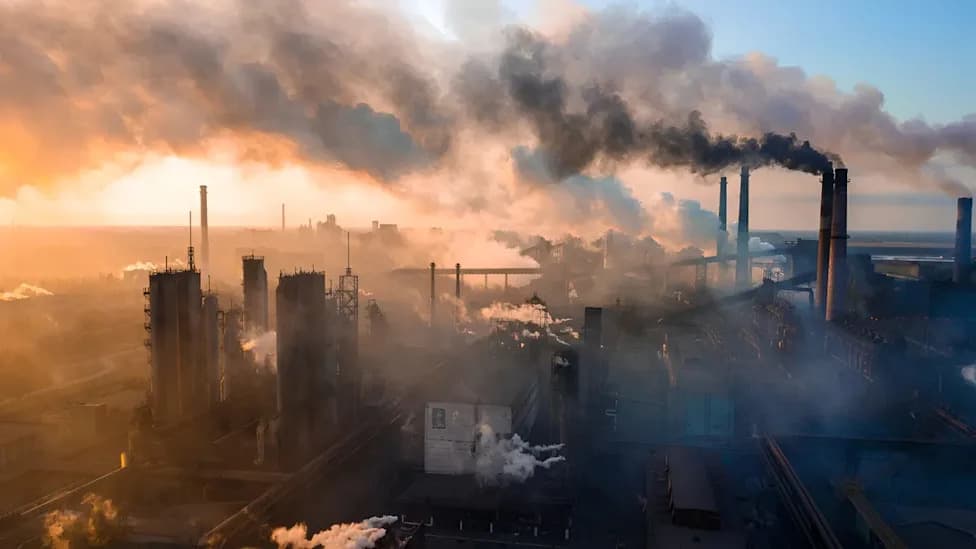
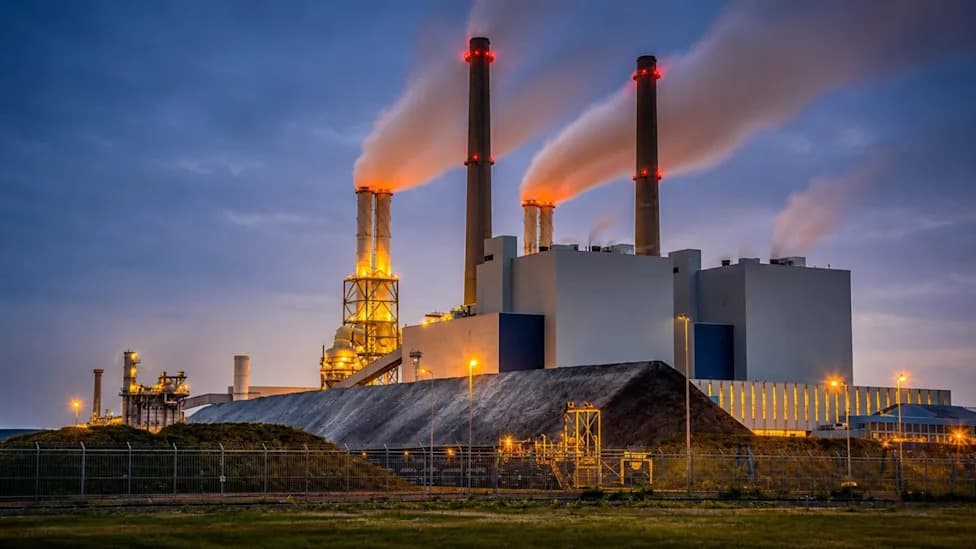
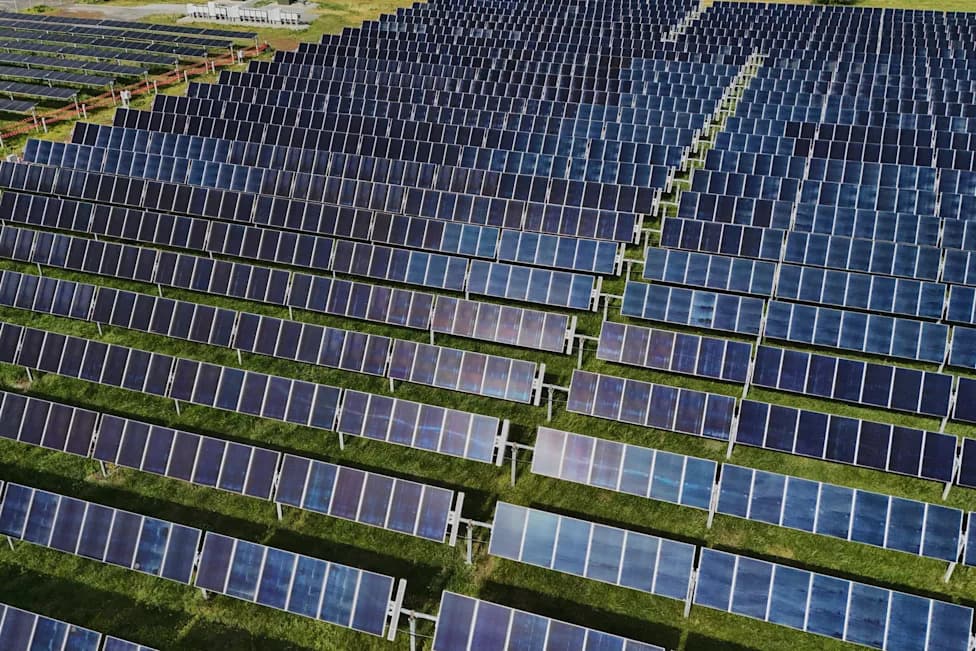
Illustration: Sarah Grillo/Axios. Stock: Getty Images
New research published in a Nature journal warns that artificial intelligence could expand oil and gas production in ways that outweigh its climate benefits for renewable energy.
The peer-reviewed study, co-led by Holly Alpine and Will Alpine of the Enabled Emissions Campaign, together with researchers from Purdue University and an independent scholar, is among the first to quantify how AI-driven improvements in fossil-fuel productivity could change global emissions.
What the Study Found
Using a global-economy simulation, the authors modeled 64 scenarios to trace how AI-driven productivity gains ripple through energy markets. Across those scenarios, emissions declined only when AI produced zero productivity gains for fossil-fuel extraction. In more realistic cases where AI improves oil and gas productivity, the study finds a net increase in emissions.
By the numbers, the researchers estimate AI could add emissions equal to roughly 1%–5% of the global energy sector's 2024 emissions under the scenarios they modeled. They further estimate those additions would be about 3 to 13 times the International Energy Agency's current estimate of data-center emissions.
How AI Affects Energy
AI can make both fossil-fuel and clean-energy systems more efficient. For oil and gas, AI helps identify new reservoirs, optimize drilling, and boost recovery from existing fields. For renewables, AI improves forecasting, asset operations, and grid integration. The study argues that, in many scenarios, the productivity gains for fossil fuels are likely to dominate the climate outcome.
Reactions, Caveats, And Context
Industry reaction was mixed. Andrea Woods, a spokesperson for the American Petroleum Institute, challenged the framing: “The U.S. oil and natural gas industry is continuing to produce more energy while reducing emissions by investing in better technology, implementing stronger operational practices and supporting science-based policy,” she said.
Major producers—including Chevron, ExxonMobil, ADNOC and Aramco—and service companies such as SLB, Halliburton and Baker Hughes report deploying AI to lower costs and expand recoverable reserves. Analysts from firms like Goldman Sachs and Wood Mackenzie have also flagged AI’s potential to reduce production costs and increase economically recoverable resources.
The authors and their advisers emphasize limits of the analysis. The model does not attempt to forecast AI-driven breakthroughs in cleantech (for example, commercial fusion or transformative long-duration storage), which could alter outcomes. Michael Lazarus of the Stockholm Environment Institute, who advised the study, noted that such breakthrough effects are difficult to anticipate and model.
Policy Implications
The study’s authors call for greater transparency about how AI is used across the energy sector so policymakers can better govern its effects. As Will Alpine put it, “If we can start with transparency about the effects, then we can start to think about how to govern it.” The findings suggest that simply supporting renewables may be insufficient if AI simultaneously makes fossil fuels cheaper and easier to produce.
What To Watch
Watch for more detailed peer-reviewed follow-ups, greater disclosure from energy companies about AI applications, and policy proposals that aim to steer AI deployment toward net-zero outcomes. The debate highlights a broader question: which AI applications will society prioritize—those that accelerate clean energy, or those that unlock more fossil fuels?
Help us improve.