Firestorm Labs used its xCell containerized microfactory to print more than 1,000 parts and assemble 12 Squall FPV drones aboard USS Essex while en route to Hawaiian waters. The drones were flown as opposing aircraft during RIMPAC 2026. The trial demonstrated that onboard additive manufacturing can speed repairs and reduce dependence on resupply, but questions remain about sustained reliability and combat-scale production rates.
At-Sea Microfactory: USS Essex Prints 1,000+ Drone Parts and Assembles 12 FPV Drones
Credit: Firestorm Labs
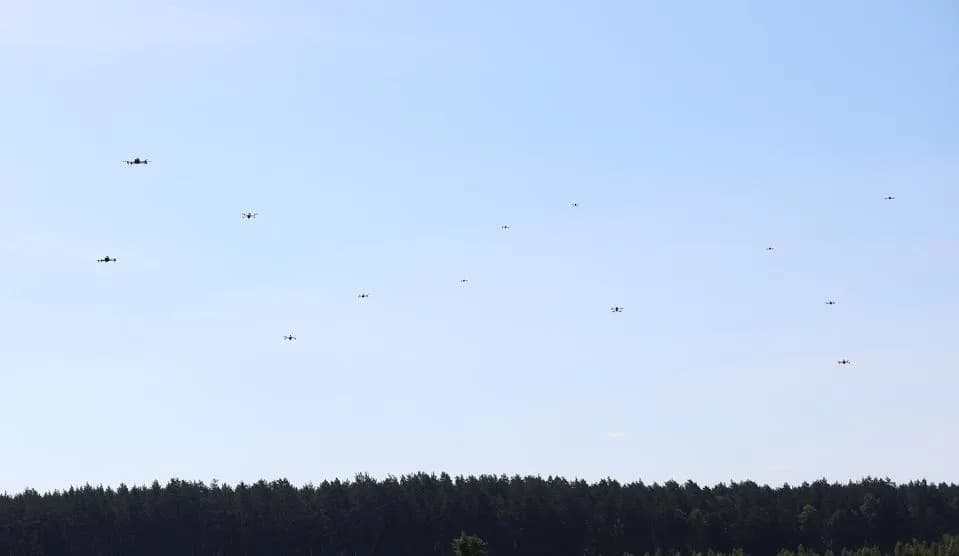
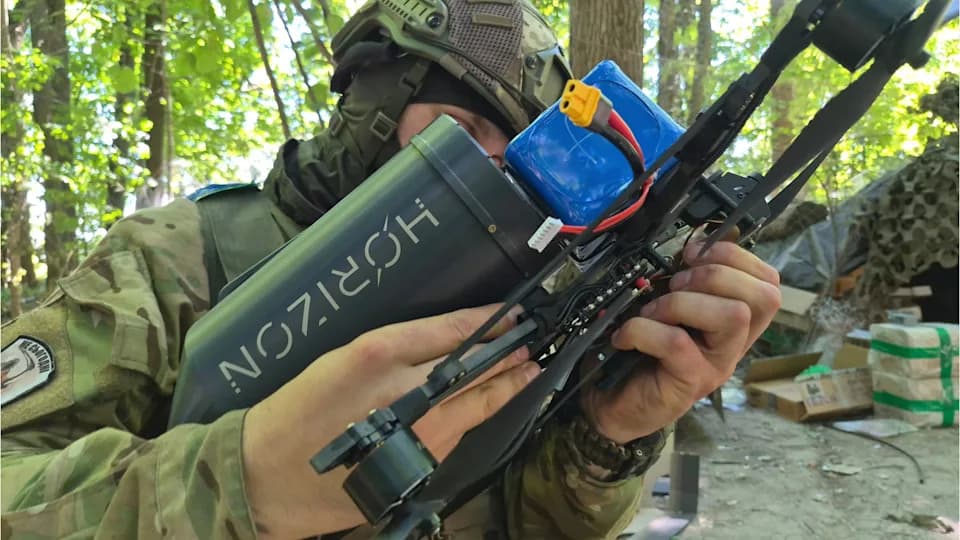
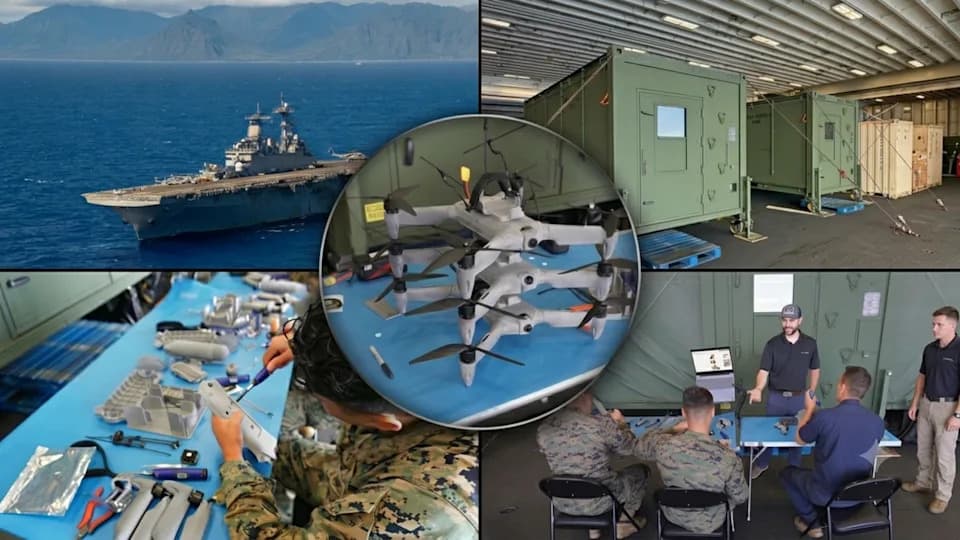
Firestorm Labs demonstrated containerized, shipboard additive manufacturing by printing more than 1,000 drone components and assembling 12 Squall first-person-view (FPV) drones aboard the amphibious assault ship USS Essex during a transit to Hawaiian waters.
What Happened
The company deployed its xCell containerized microfactory to convert a shipping container into a compact production facility capable of producing unmanned aircraft parts and selected repair components while the ship remained underway. The assembled FPV drones were later flown as opposing aircraft during a counter-drone exercise at Rim of the Pacific (RIMPAC) 2026.
How It Worked
Crew members printed mechanical test pieces to validate equipment performance, manufactured replacement repair parts used by USS Essex personnel, and assembled the Squall drones on deck while seas reached roughly 12-foot waves — a demanding operational environment for onboard manufacturing.
"Every part xCell printed on deck is one that doesn't need to be flown or shipped across contested waters — cutting the fuel, aircraft hours, and personnel it takes to keep a ship operational. Repairs that once meant days or weeks waiting on a resupply run can now happen in hours, on station." — Firestorm Labs (LinkedIn)
Why It Matters
This trial pairs the Navy's push for transportable containerized capabilities with additive manufacturing directly from an operational warship. That model could reduce reliance on conventional shore-based logistics and resupply missions, enabling faster repairs and local production of select drones and parts for forward-deployed forces.

Google logo on a black background next to text reading 'Click to follow TechRadar'
Context And Limitations
The demonstration supports a broader Navy effort to develop modular, containerized capabilities. Chief of Naval Operations Adm. Daryl Caudle unveiled a containerized capability campaign plan in March outlining transportable containers for drones, weapons, and other systems. Separately, the Pentagon announced framework agreements in May with companies such as Anduril, CoAspire, Leidos, and Zone 5 to procure more than 10,000 containerized missiles beginning in 2027.
Despite the promising demonstration, important questions remain: Can the xCell system sustain reliable production rates over extended deployments? Will it perform under higher-intensity combat conditions? The trial showed feasibility but did not establish long-term durability or production throughput at combat scale.
Bottom Line
The USS Essex trial highlights the potential of containerized microfactories and at-sea 3D printing to shorten logistics timelines and increase operational resilience. However, further testing is required to determine whether containerized additive manufacturing can consistently produce dependable aircraft and parts at the rates required for prolonged or high-intensity operations.
Reporting via Defense News; credit: Firestorm Labs.
Help us improve.