A Florida fishing charter recovered a LUCAS one-way attack drone after it impacted the water during a routine test off Eglin Air Force Base. LUCAS, based on SpektreWorks' FLM 136 and inspired by Iran's Shahed-136, entered use on February 28, 2026 following accelerated development. Unit costs are reported between $35,000 and $55,000, and the incident highlights growing U.S. adoption of low-cost expendable strike drones and related safety questions.
Florida Fishing Charter Pulls Up Lost U.S. LUCAS One‑Way Attack Drone Off Eglin AFB
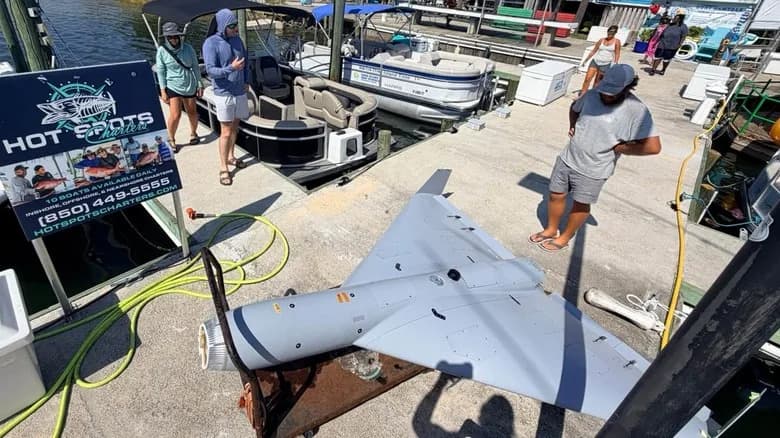
Aquatic Charlie/Facebook
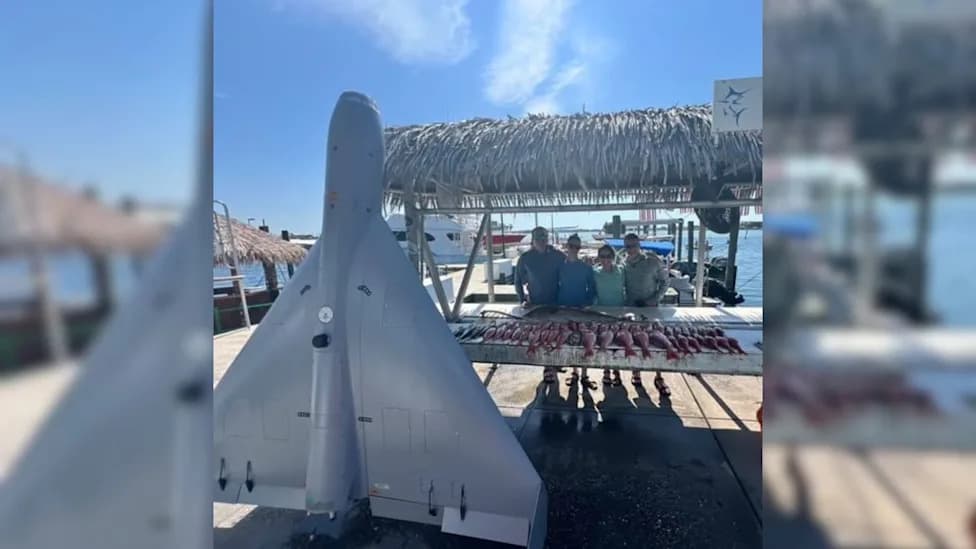
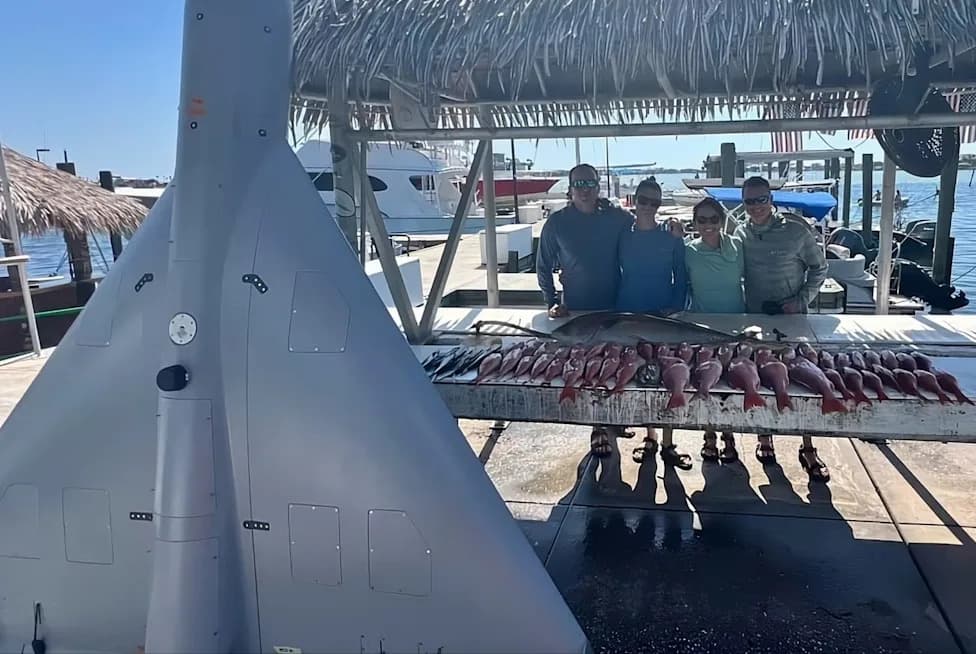
A Florida fishing charter unexpectedly recovered a U.S. one-way attack drone from the water while operating off Eglin Air Force Base, highlighting the rapid rise of low-cost, expendable strike drones in modern warfare.
What Happened
According to reports and social-media posts from the fishing crew, the charter hauled a drone from the sea that matched the appearance of the Low-cost Uncrewed Combat Attack System (LUCAS). Eglin AFB public affairs told Military Times a LUCAS drone impacted the water during a routine test two days before the charter’s discovery, and the military later confirmed recovery of the unit.
About LUCAS
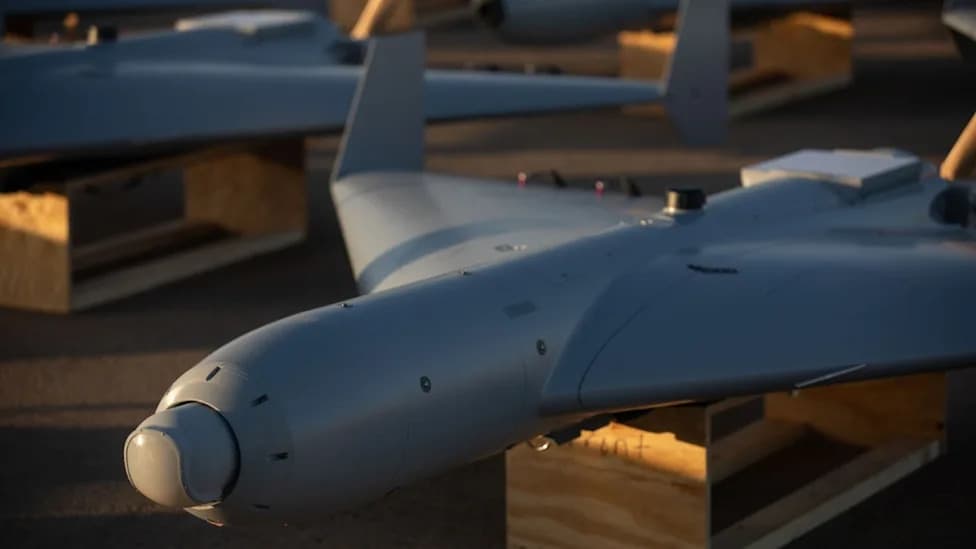
The LUCAS program produced a one-way, expendable attack drone derived from designs similar to Iran’s HESA Shahed-136. The U.S. variant is based on SpektreWorks’ FLM 136 target model and was reportedly fielded beginning February 28, 2026, after roughly eight months of accelerated development and testing.
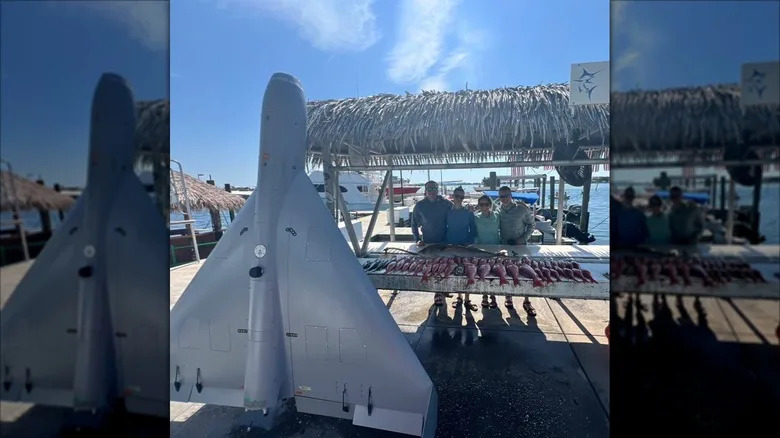
Hot Spots Fishing/Facebook
Costs and Testing
Estimated unit costs vary: official figures cite about $35,000 per drone, while some outlets report costs closer to $55,000. The U.S. Navy has also participated in trials, successfully launching the system from a warship during tests in December 2025.
Why It Matters
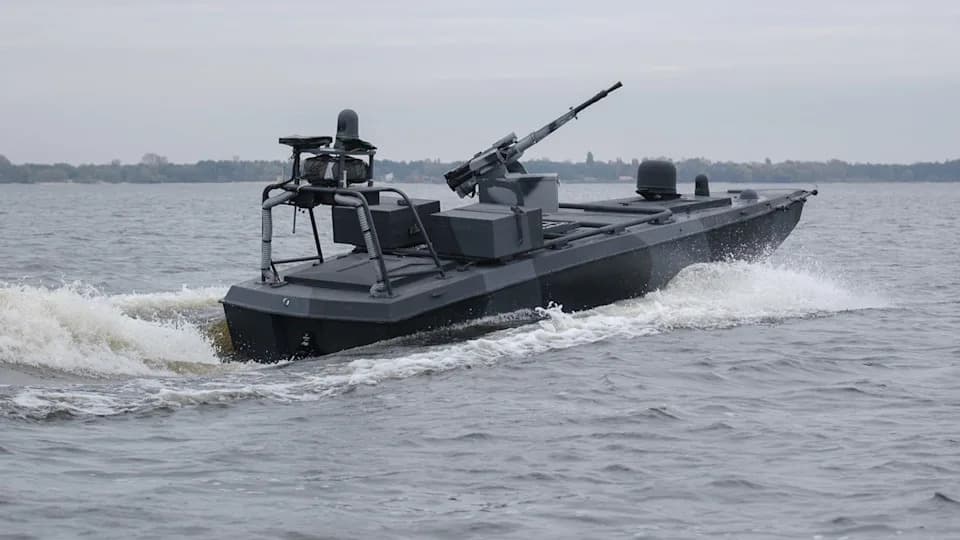
One-way attack drones (sometimes called loitering munitions) are inexpensive, disposable strike platforms designed to fly to a target and detonate on impact. Their increasing use — inspired by combat experience in the Russo-Ukrainian war — signals a doctrinal shift for U.S. forces toward integrating low-cost, massed expendable systems alongside larger reusable drones.
Implications: The recovery by civilians underscores challenges around test-range safety, recovery procedures, and public visibility when military systems operate near coastal civilian activity.
Details Confirmed
Officials told Military Times the drone impacted the water during a routine test. The fishing charter posted images and commentary on Facebook; in a comment the crew said the Army recovered the drone, which the military later confirmed to news outlets.
This incident offers a small but clear glimpse into how rapidly unmanned strike technology is moving from concept and limited tests into operational use — and into areas where civilians can encounter them.
Help us improve.