The UK government is set to decide whether to re‑approve the Rosebank oil field and Jackdaw gas field after court‑ordered climate reassessments were published and put to consultation. Industry argues the projects would create jobs and tax revenue and support energy security; environmental groups warn they would produce large CO2 emissions and undermine climate commitments. Ministers must now weigh economic benefits, emissions estimates and regulator advice before announcing a verdict.
Decision Nears on Rosebank and Jackdaw — UK Weighs Jobs, Emissions and Energy Security

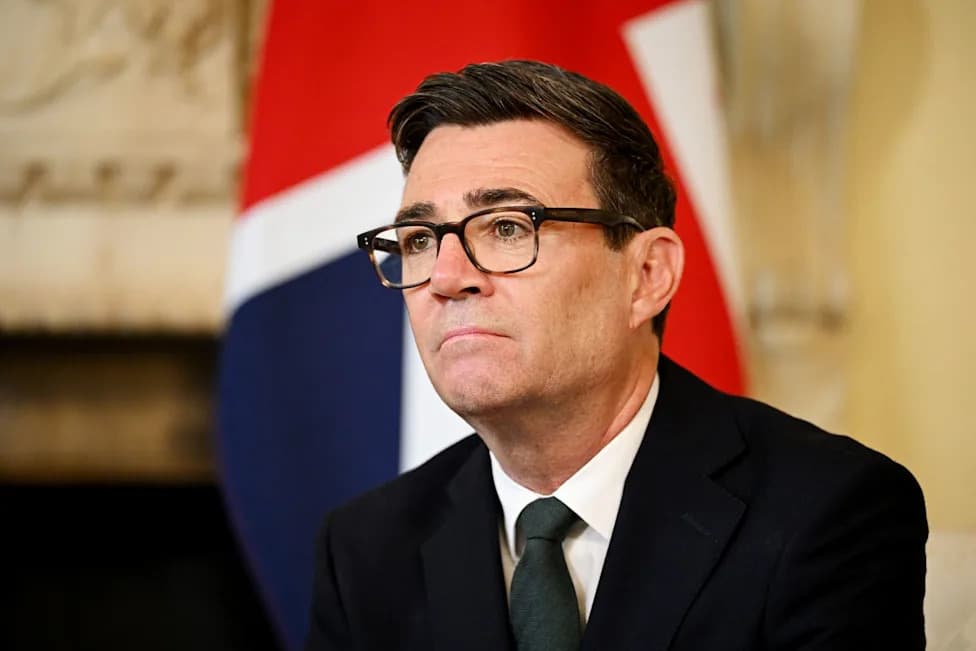
Those against further oil and gas exploration are turning the heat on the new prime minister [Getty Images]
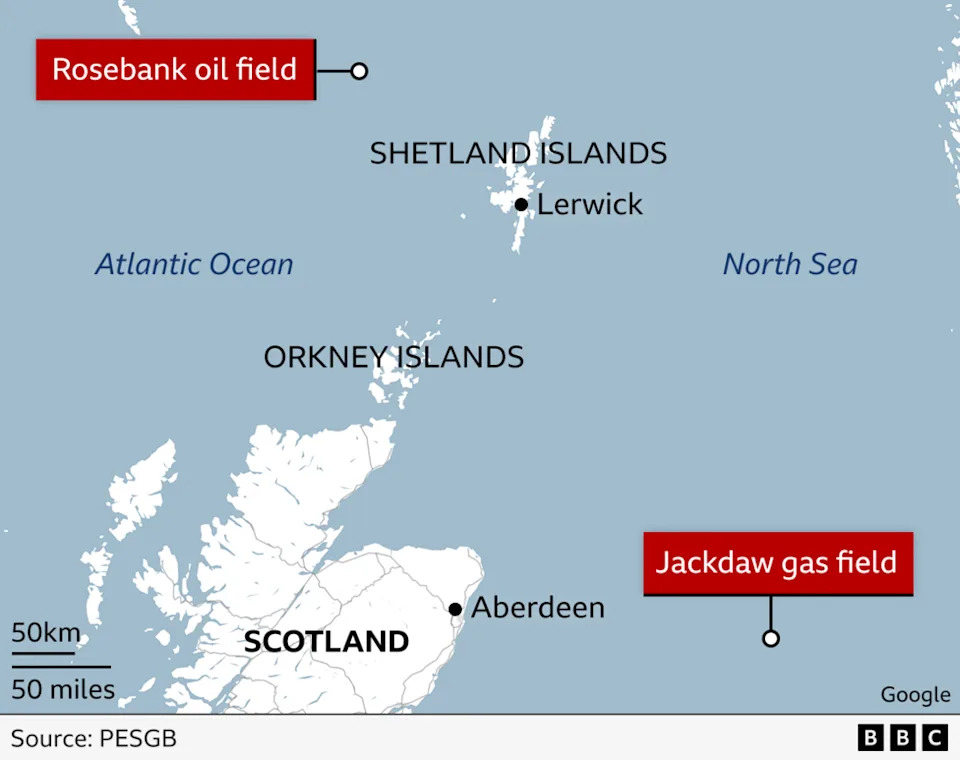
The UK government is close to deciding whether to approve two contested North Sea developments: the Rosebank oil field, northwest of Shetland, and the Jackdaw gas field, east of Aberdeen. Updated plans from operator Adura were published after a court ordered more detailed climate assessments; public consultations on those documents are now closing.
Why This Matters
Supporters say the projects would create jobs, generate tax revenue and bolster short-term energy security as global supply chains face disruption. Critics warn the fields would produce very large quantities of CO2, risk locking the UK into continued fossil‑fuel dependence, and undermine the country’s climate commitments.
Where The Projects Stand
Jackdaw sits about 150 miles east of Aberdeen and is a gas field that developers say could be connected to the UK network within months. When first proposed, Jackdaw was estimated to supply enough gas for roughly 1.4 million homes — about 2% of UK demand — and to be relatively quick to bring online.
[BBC]
Rosebank lies roughly 80 miles northwest of Shetland and is the UK’s largest undeveloped oil field. If approved, it is estimated to hold up to 500 million barrels of oil and could operate for around 25 years, with production potentially beginning by 2027 if plans proceed.
Legal and Regulatory Background
Licences for the two fields were granted in 2022 and 2023. Environmental groups challenged those approvals in court. The Court of Session in Edinburgh ruled that the initial approvals were unlawful because ministers had not adequately considered the climate impact of burning the extracted fuels, and it ordered more detailed climate assessments. Those updated assessments were published and put to public consultation; with consultations closing, ministers can now decide whether to re‑approve the projects, drawing on regulator advice.
Emissions, Industry Claims and Environmental Objections
Adura — a joint venture between Equinor and Shell, with Aberdeen-based Ithaca holding a 20% stake in Rosebank — has published lifecycle emissions estimates. For Jackdaw it reports figures ranging from about 23.6 million to 35.8 million tonnes of CO2 over an 11‑year life (Adura argues the lower figure is more likely). Rosebank’s lifetime emissions projections approach 250 million tonnes of CO2.
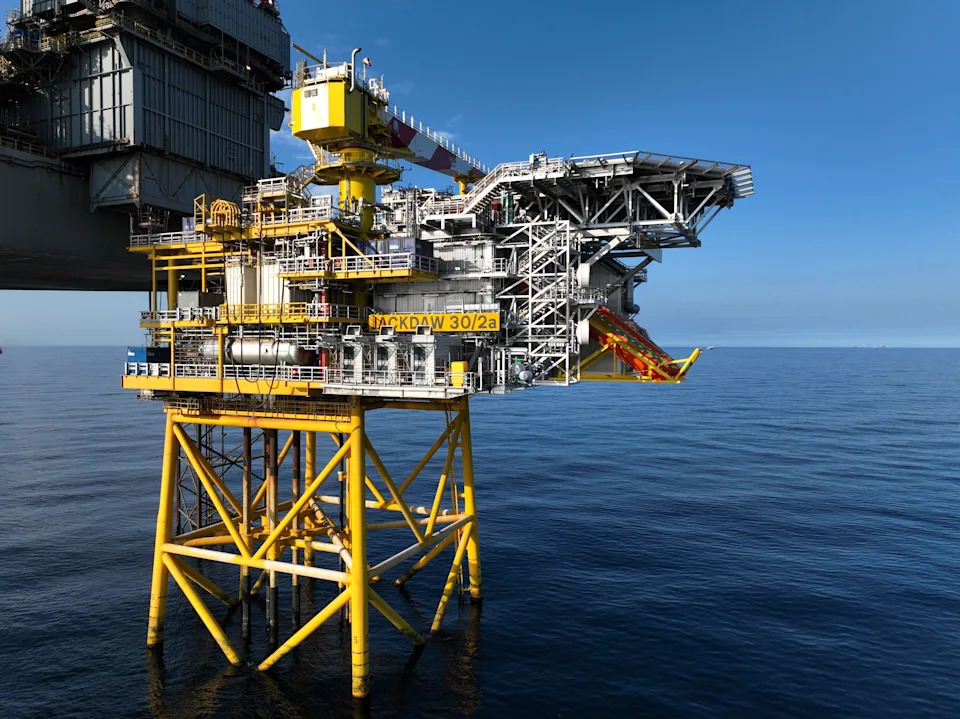
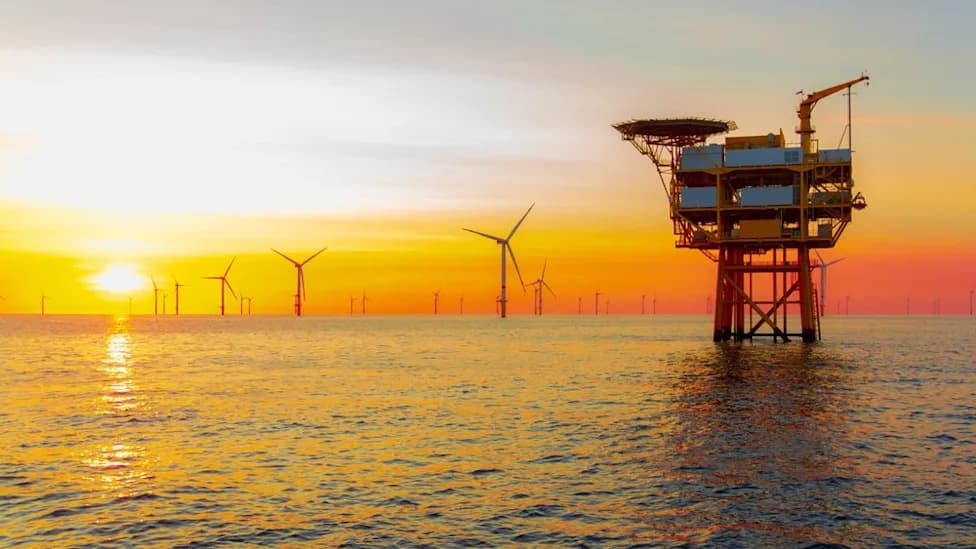
The Jackdaw gas platform and drilling rig stand east of Aberdeen in the North Sea [BBC]
In its updated environmental impact assessment, Adura argues Jackdaw’s output would not materially influence global warming because domestic gas could replace higher‑emission imports such as some liquified natural gas (LNG) shipments and because the UK has a regulated industry aligned with Paris Agreement commitments. Environmental groups strongly dispute this assessment: Greenpeace UK called opening a new field "wholly incompatible" with Paris targets and warned the projects would deepen the climate crisis.
“Trying to squeeze the last few drops of expensive oil and gas out of the North Sea while the world is reeling from climate impacts is beyond ridiculous,” said Ami McCarthy, head of politics at Greenpeace UK.
Jobs, Revenue and Local Impact
Industry body Offshore Energies UK (OEUK) estimates the two projects would support a peak of more than 3,500 jobs during construction and roughly 880 ongoing roles over their lifetimes, with an average salary around £85,850. OEUK also projects tax revenues of about £1.4bn by 2029 rising to £3.8bn by 2034. These figures resonate in north‑east Scotland, where communities are managing a long‑term decline in North Sea activity.
Critics argue the benefits are short‑term and that continued investment in oil and gas delays the transition to renewables and other sustainable industries that could deliver longer‑lasting employment and regional stability.
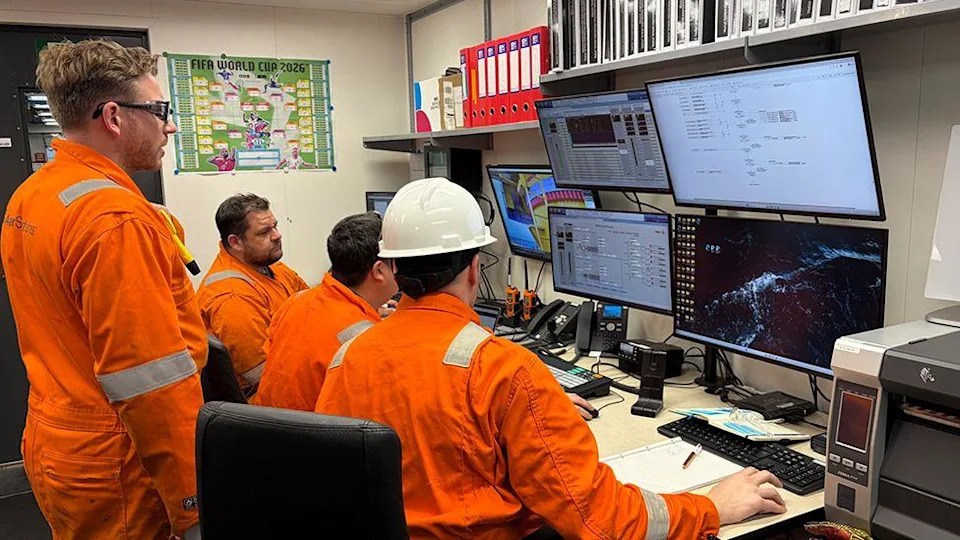
Workers on the Jackdaw gas platform, which could be up and running within months [BBC]
Practical Details
Most of Rosebank’s heavier crude is expected to be sent abroad — primarily to the Netherlands — for refining because the UK’s remaining refineries are not equipped to process that grade. Any refined products destined for UK use would therefore be reimported, which complicates the argument that Rosebank would directly lower UK retail energy bills. International markets largely determine fuel prices, so increased domestic supply does not automatically mean cheaper household energy.
What Comes Next
With consultations closed or closing, ministers must now weigh the updated climate assessments, economic arguments and regulator advice before announcing a decision. Any outcome is likely to draw sharp criticism: approval will anger environmental campaigners, while refusal will provoke backlash from some industry groups and communities reliant on North Sea work.
The debate encapsulates a broader policy trade‑off between short‑term energy and economic considerations and long‑term climate goals — a tension that will shape UK energy policy in the coming years.
Help us improve.