The National Treasury Employees Union says a settlement that shields President Trump and close family members from IRS audits puts agency staff in an impossible position: follow an order many legal experts deem unlawful or risk retaliation. The NTEU has joined a lawsuit arguing the deal undermines the fairness and integrity of the tax system. Attorney General Todd Blanche later rescinded a proposed $1.8 billion fund and narrowed the scope of audit immunity during his confirmation, but the limited protection remains in effect and contentious.
IRS Workers' Union: Trump Tax-Immunity Deal Forces Auditors to Choose Between Oath and Retaliation
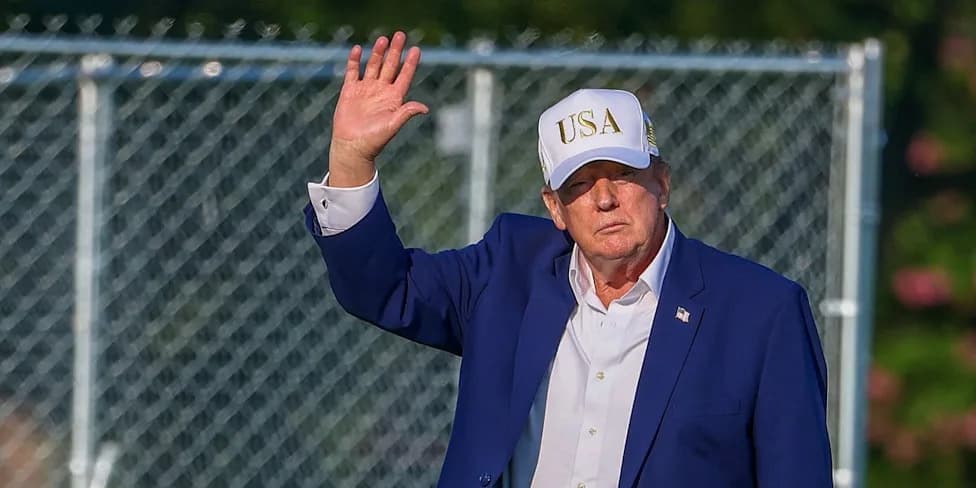
IRS Workers Union Objects To ‘Special Treatment’ For Trump Family In Immunity Deal
The union representing Internal Revenue Service employees says a newly disclosed settlement that grants President Donald Trump and members of his family immunity from tax audits has placed agency workers in an untenable position.
Doreen Greenwald, president of the National Treasury Employees Union (NTEU), told HuffPost that many legal experts view the immunity arrangement as unlawful. She warned that IRS auditors who comply with the deal and extend preferential treatment to the president and his family could be violating their oath of office, while those who resist the order could face retaliation or disciplinary action.
"It puts our IRS employees between a rock and a hard place," Greenwald said. "They take an oath of office to follow the law and to uphold the Constitution… Then they'll have this order that is contrary to the law, and so it puts them in a very difficult position."
The NTEU recently joined a lawsuit as a plaintiff against the Justice Department, arguing the tax-immunity arrangement forces members to choose between carrying out an unlawful order and risking their jobs. The union says the legal fight is necessary to preserve the integrity and fairness of the tax system.
How the Deal Unfolded
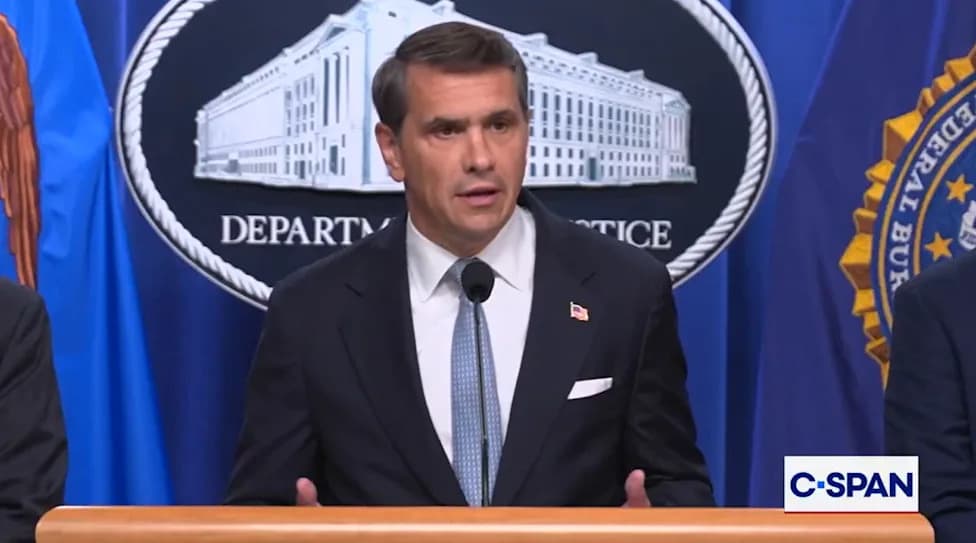
The immunity was part of a controversial settlement that Attorney General Todd Blanche negotiated in May to resolve a suit President Trump filed against his own administration over leaks of his tax information. The original settlement not only sought to shield the president and his businesses from audits, it also proposed creating a $1.8 billion "anti-weaponization" fund that critics warned could be steered to the president's allies, including individuals connected to the Jan. 6 events.
Civil-rights group Democracy Forward sued over the proposed fund on behalf of several plaintiffs, and a judge barred the department from implementing it. The audit immunity, however, remains in effect and could save Trump and his family businesses millions of dollars.
Leaked tax returns showed that, in 2020, Trump had been disputing a questionable refund with the IRS and that an adverse ruling could have cost him roughly $100 million.
Legal and Institutional Pushback
Former federal tax officials argue the immunity violates a provision of the tax code forbidding executive-branch influence over audits and investigations. In an amended complaint that names the NTEU as a plaintiff, Democracy Forward contends the settlement also amounts to an unconstitutional emolument because it confers a "tremendously valuable profit, gain, or advantage" on the president.
The federal judge who handled the president's original suit has written that Blanche's initial order "directly contravenes" the law and that complying with such a demand would be incompatible with the duties of Justice Department lawyers and IRS officials.
Last month, a senior Treasury Department official who warned White House staff they risked violating the statute was removed from his post, though officials would not confirm whether the ouster was connected to the president's tax returns.
During his confirmation process, Blanche modified parts of the settlement: he acknowledged in writing that the weaponization fund had been rescinded, and the Justice Department issued a memo stating the audit immunity would apply only to the president, his two older sons and the Trump Organization — not to unspecified "affiliates" or "subsidiaries" as the initial order had suggested. Still, the limited immunity remains a source of controversy.
Sen. Susan Collins (R-Maine) was among two Republican senators who opposed Blanche's confirmation, specifically citing the tax-immunity provision as a reason for her dissent.
Broader Labor Context
Federal unions have clashed with the administration since President Trump's second term began, and the NTEU's lawsuit highlights broader tensions. The union and other federal labor groups accuse the White House of trying to curtail collective bargaining rights for hundreds of thousands of federal workers. The NTEU has also alleged in a separate lawsuit that IRS managers destroyed union flyers and other materials.
Greenwald framed the legal challenge as a defense of employees' ability to speak up and a stand for equal enforcement of the law: "We have always stood up for our members, and we're going to continue to do that. This is not a political issue. This is about ensuring that the law is honored."
The White House did not immediately respond to requests for comment.
Help us improve.