CDC data report 3,130 confirmed Candida auris screening cases across 23 states as of July 18, with the rise concentrated in healthcare facilities—especially hospitals and long‑term care centers. Texas leads state counts with 706 cases. The fungus chiefly affects critically ill patients and can spread silently via asymptomatic carriers; many strains show resistance to major antifungal drugs, complicating treatment. Misidentification in routine testing and high mortality estimates (30%–60%) make Candida auris a top public‑health concern.
CDC: 3,130 Candida auris Screening Cases Across 23 States as Drug-Resistant Fungus Spreads

Photo by Nicolas Armer/picture alliance via Getty Images
New data from the Centers for Disease Control and Prevention show 3,130 confirmed Candida auris screening cases across 23 U.S. states as of July 18, compared with 3,348 screening cases at the same point in 2025. Public health officials say the numbers reflect an ongoing threat from a drug‑resistant fungal pathogen that is difficult to treat and control.
Outbreaks Concentrated in Health Care Settings
Health officials report the current rise is concentrated almost entirely in healthcare facilities, where the organism spreads between vulnerable patients via contaminated surfaces, shared medical equipment and close personal contact. Texas currently has the highest state total, with 706 screening cases through July 18 versus 660 at the same time in 2025.
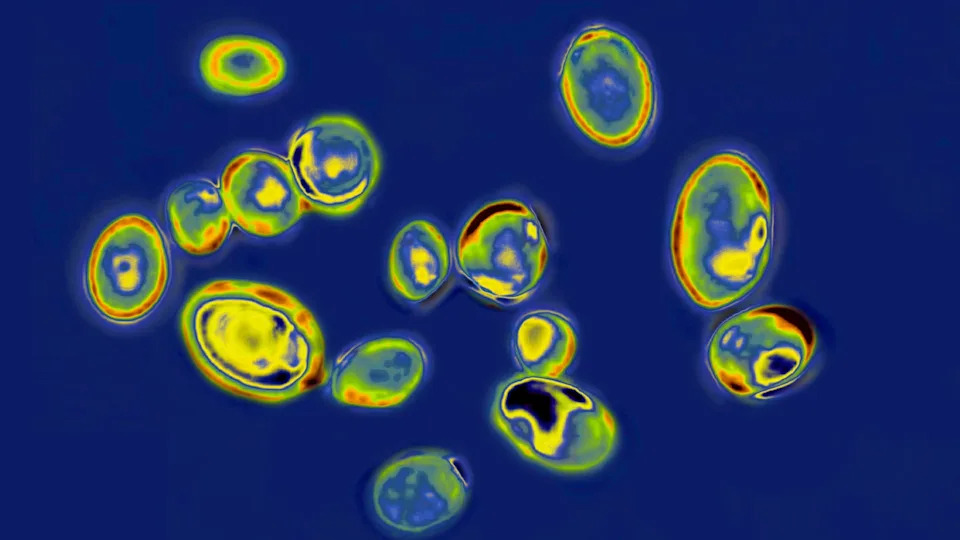
Everything We Know About Candida Auris — The Drug-Resistant Fungus Spreading Worldwide
Who Is At Risk?
Unlike many infections, Candida auris rarely causes illness in otherwise healthy people. It primarily affects patients who are already critically ill—especially those using ventilators, intravenous (IV) lines, feeding tubes or urinary catheters—making hospitals and long‑term care facilities the main sites of transmission. Asymptomatic carriers can harbor the organism and unknowingly spread it within facilities before an outbreak is recognized.
Severe Illness And Treatment Challenges
When Candida auris invades the bloodstream, it can rapidly progress to sepsis, organ failure and other life‑threatening complications. Treating the infection is complicated by widespread antifungal resistance.

New NFL Study Finds Players Face Nearly 4x Higher Brain Disease Death Risk
"What makes Candida auris especially concerning is its resistance profile," said Nathan Wiederhold, PharmD, director of the Fungus Testing Laboratory and a professor at The University of Texas at San Antonio. "Many strains are resistant to azoles, one of our major antifungal drug classes, and some are also resistant to amphotericin B, which is often considered a drug of last resort."
Wiederhold added that fungal infections can be harder to diagnose and treat, and that health officials are observing both increased spread and growing resistance.
Global Spread And Diagnostic Issues
First identified in Japan in 2009 and detected in the United States about four years later, Candida auris has now been reported in more than 50 countries. Researchers have documented strains resistant to multiple antifungal drugs—and in rare cases, to every major antifungal class. Routine laboratory tests can sometimes misidentify Candida auris as other yeasts, delaying correct diagnosis and allowing outbreaks to expand.

Bat-Borne Nipah Virus Cases Detected in India, Raising Outbreak Concerns
Although the pathogen remains largely tied to healthcare settings, its expanding footprint has made it one of the CDC's most closely watched emerging threats. Previous CDC estimates placed mortality among infected patients between 30% and 60%, while noting many affected individuals had serious underlying illnesses that contributed to those outcomes.
What health systems can do: Intensify infection control and environmental cleaning in hospitals and long‑term care facilities; screen high‑risk patients; ensure accurate laboratory identification; and follow CDC guidance on antifungal stewardship and outbreak response.
Help us improve.