Italian PM Giorgia Meloni and Danish PM Mette Frederiksen issued a joint statement opposing "uncontrolled migration" and urging return centres outside the EU to repatriate rejected asylum seekers. They warned illegal immigration can increase crime, strain public services and erode public trust, and said non-EU return hubs and other external solutions must be pursued. Though from different political traditions, the two leaders said they are united in protecting Europe; the move follows a migrant surge in Ceuta and Italy's reinstated checks with Spain.
Meloni and Frederiksen Unite Against 'Uncontrolled Migration', Urge Return Hubs Outside the EU
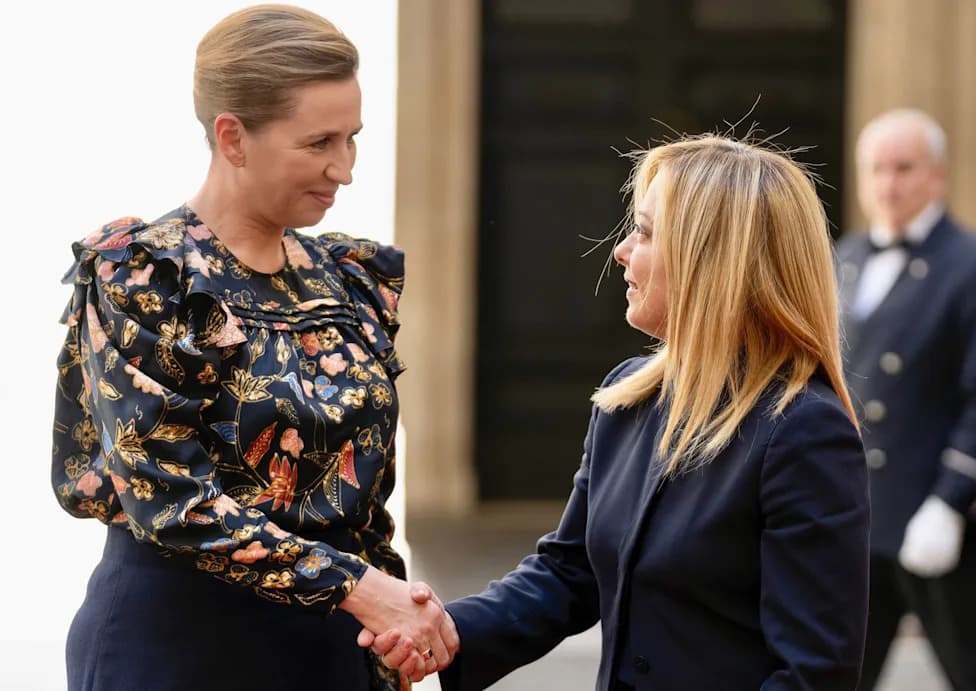
FILE PHOTO - Italian Prime Minister Giorgia Meloni (R) receives Danish Prime Minister Mette Frederiksen at Palazzo Chigi. (is associated with: «Meloni, Frederiksen warn against 'uncontrolled immigration' to Europe») -/Italian Government/dpa
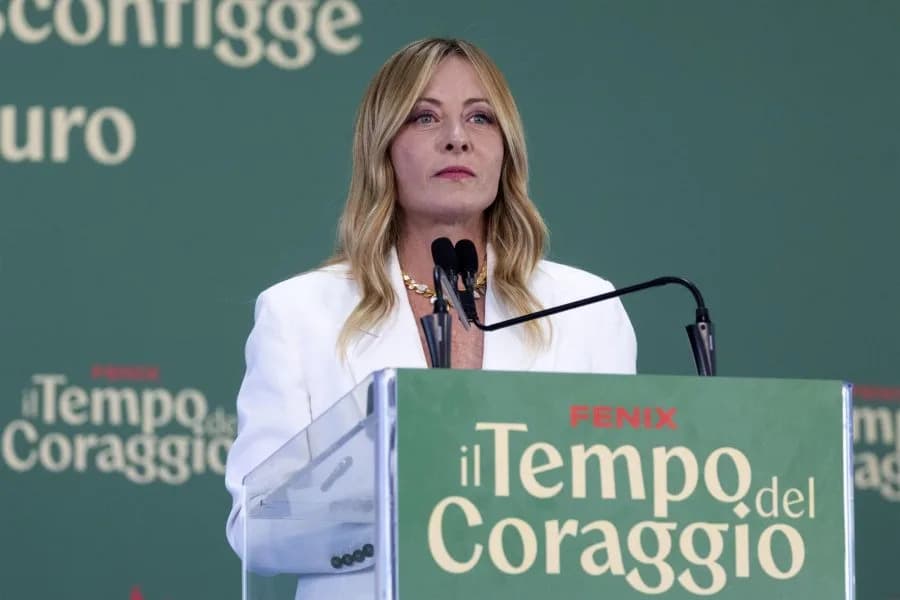
Italian Prime Minister Giorgia Meloni and Danish Prime Minister Mette Frederiksen issued a joint statement warning against what they described as "uncontrolled migration" to Europe and renewed calls for the establishment of return centres in non-EU countries to repatriate asylum seekers whose claims are rejected.
We don't accept uncontrolled immigration to Europe, and we have spearheaded a strict immigration policy both in our home countries and in Europe. None can deny that illegal immigration has a negative impact on our societies: growing crime rates, increasing pressure on public services and erosion of public trust.
The two leaders — currently the only women heading national governments in the European Union — said the problem is especially serious when migrants who have no right to remain commit violent crimes, traffic drugs, or are implicated in sexual violence. They argued that "return hubs in third [non-EU] countries and other innovative solutions outside Europe must be implemented."
Different Politics, Common Ground
Meloni and Frederiksen come from opposite ends of the political spectrum: Meloni leads the far-right Brothers of Italy party, while Frederiksen is head of a Social Democratic government. The joint statement acknowledged their political differences but emphasized shared priorities, saying, "We certainly do not agree on everything. But we are united in our desire to protect Europe."
Why Return Hubs Are Controversial
Deportation centres outside the EU, commonly called return hubs, have been debated for years and remain highly contentious. Supporters argue they would help manage irregular migration flows and speed up returns; critics raise human rights, legal and logistical concerns about processing asylum seekers outside EU jurisdiction.
Recent Context
The debate has intensified after a surge of migrants into the Spanish exclave of Ceuta. Acting on Meloni's instructions, Italy reintroduced border checks with Spain following a wave in which more than 70,000 migrants arrived in the territory. In response, Spain has conducted checks on travellers arriving from Italy.
Despite the recent incidents, the number of irregular border crossings into the EU has fallen in recent years. The EU Pact on Migration and Asylum, designed to strengthen controls at external borders and harmonize procedures, entered into force in June.
What remains clear: migration policy continues to be a contentious, cross-border challenge in Europe, and calls for extra-EU solutions such as return hubs are likely to provoke intense debate across member states and institutions.
Help us improve.