Tasos Chatzivasileiou, Greece’s deputy foreign minister, urged the EU to allocate funding in its next long-term budget for "innovative" migration responses such as offshore return hubs. Greece, Austria, Denmark, Germany and the Netherlands want to speed up plans enabled by a June rule change permitting bilateral deals with third countries. While member states are expected to finance the hubs, they are pressing Brussels to share costs as migration has surged following incidents like the Ceuta entry. The five-country group will meet in Munich as migration ministers and EU migration chief Magnus Brunner convene.
Greece Urges EU To Fund Migration Solutions In Next Long-Term Budget, Deputy Minister Says
Next EU budget should finance migration solutions, Greek deputy minister says
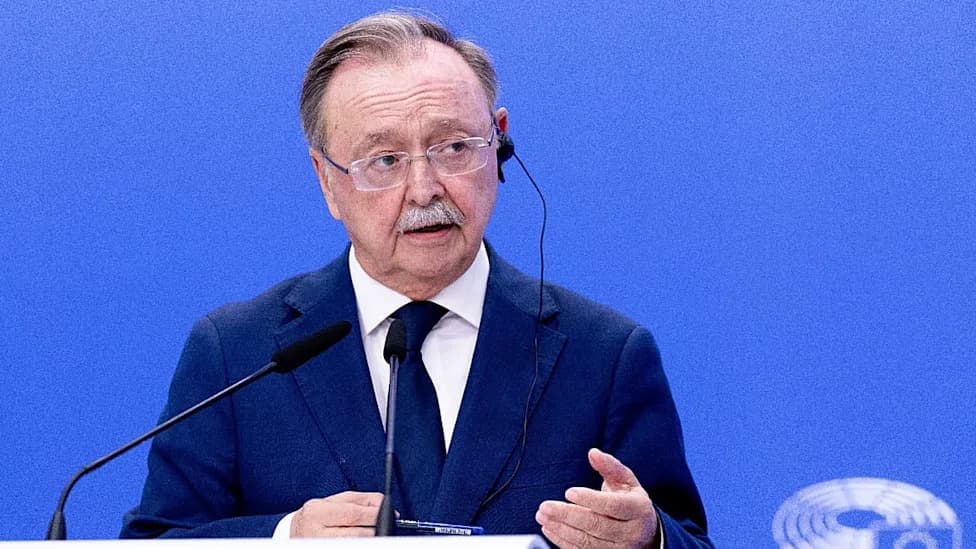
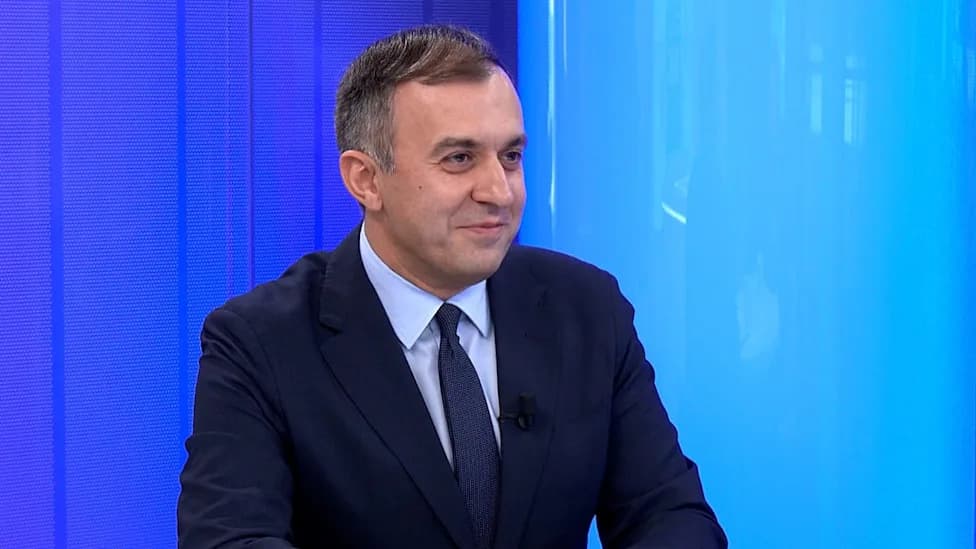
Greece's deputy foreign minister, Tasos Chatzivasileiou, has urged the European Union to identify funding in its next long-term budget to support "innovative" migration measures, including controversial offshore return hubs for migrants without the right to stay in the bloc.
Calls For Budget Support
"If we decide to implement any innovative ideas (for migration), that means that Europe has to find the adequate resources," Chatzivasileiou told Europe Today, suggesting the EU's upcoming multiannual financial framework could "provide a solution to the problem."
What Countries Are Proposing
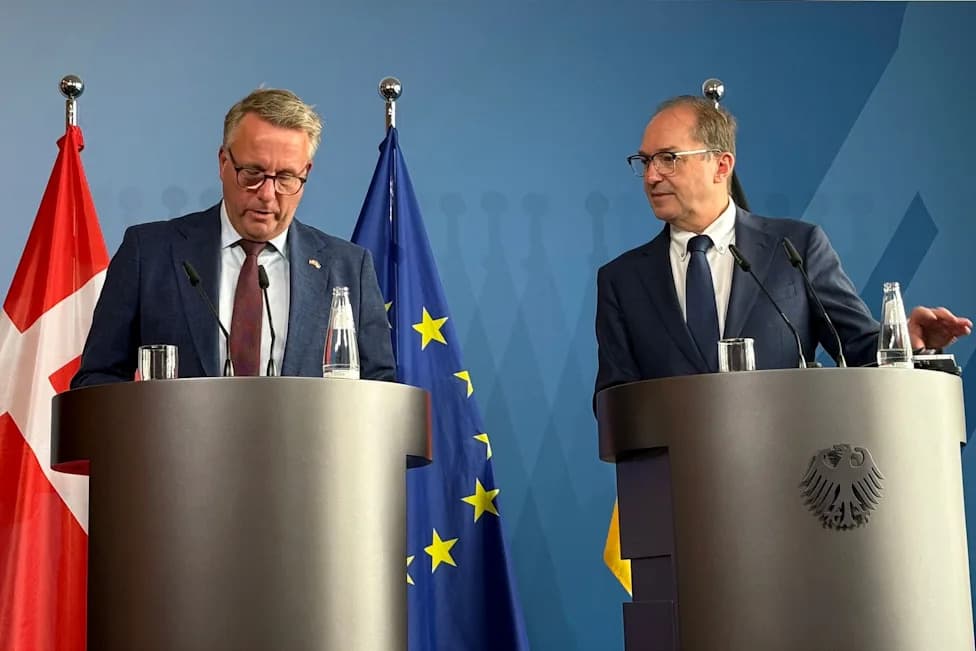
Greece and four other EU members — Austria, Denmark, Germany and the Netherlands — are pushing to accelerate plans for offshore return hubs. A June overhaul of EU migration rules allows member states to strike bilateral agreements with third countries to host such centres.
Who Pays?
Under the new rules, participating member states are expected to finance the return hubs. Governments may also offer additional incentives, commercial partnerships or other funding to persuade third countries to agree. With negotiations on the EU's next long-term budget underway, those countries are increasingly calling on Brussels to share costs or provide direct financing.
Political Context And Next Steps
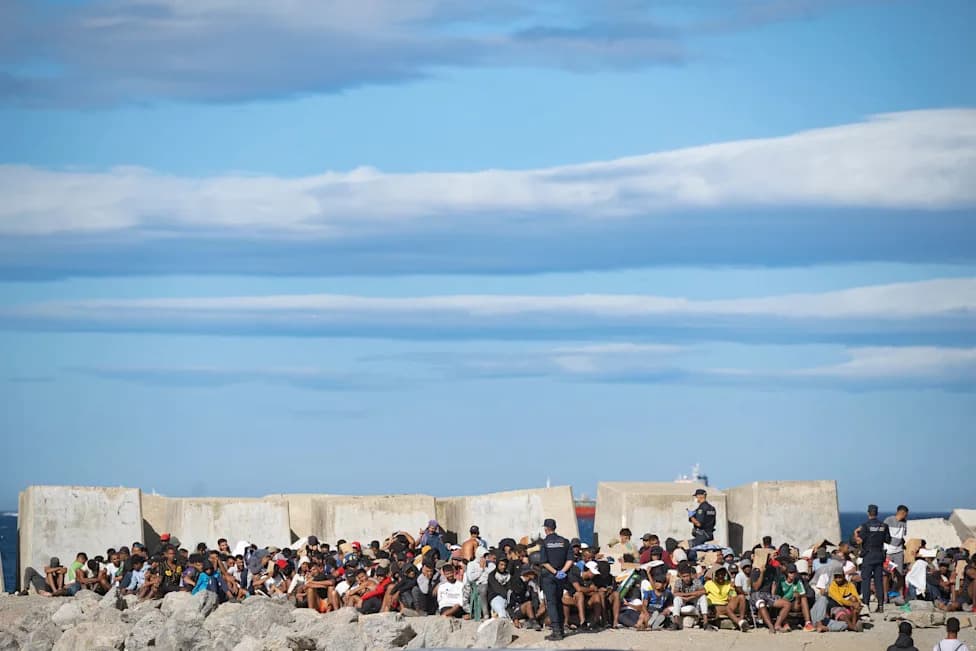
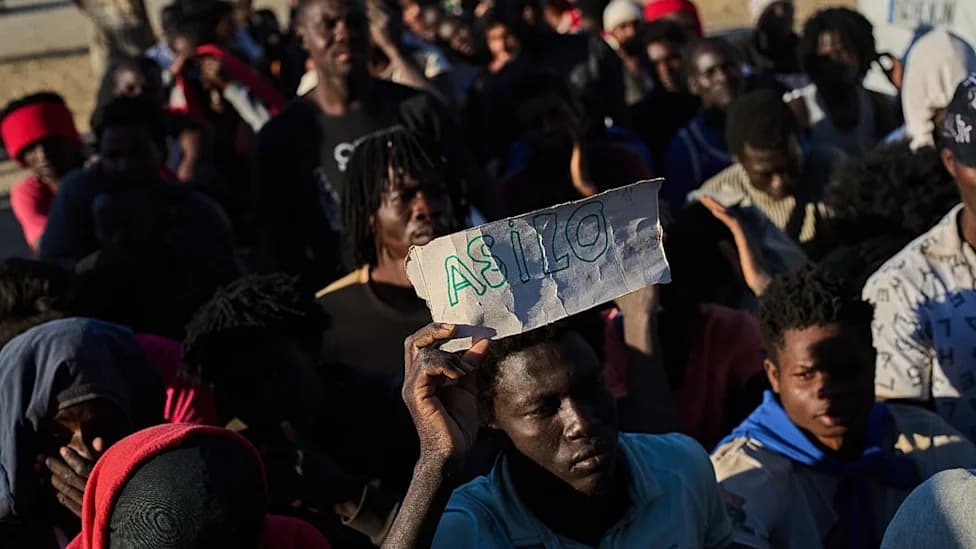
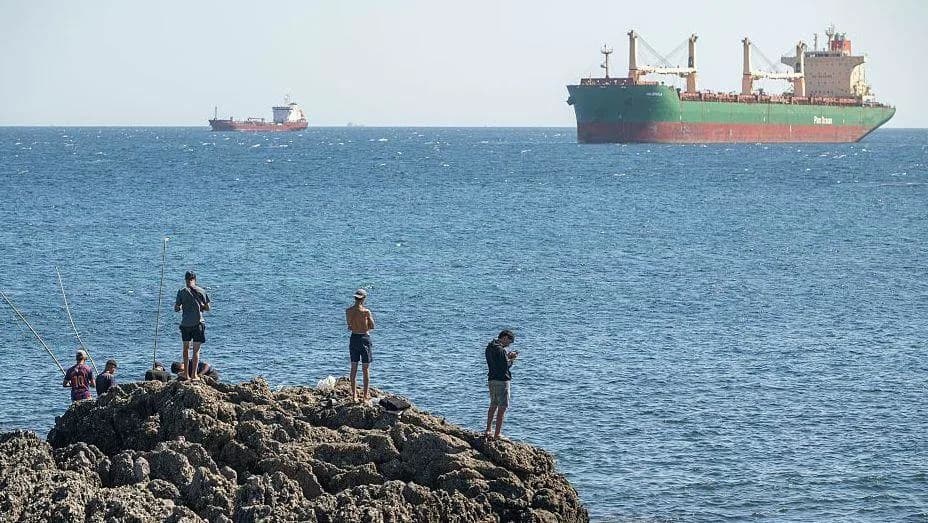
The sudden mass entry of migrants into the Spanish enclave of Ceuta has pushed migration higher on the political agenda across the bloc, and the issue is shaping up to be important ahead of national elections in several member states in 2027. The five-country group is due to reconvene in Munich on the sidelines of a conference this Saturday, where 17 EU migration ministers and the EU’s migration chief, Magnus Brunner, are expected to attend.
Controversy Remains: Offshore return hubs are politically contentious and raise legal and humanitarian questions that member states, the EU and potential host third countries will need to address alongside financing arrangements.
As negotiations on the multiannual financial framework continue, the debate is likely to focus on whether the EU budget should underwrite part of the costs of return hubs, and how funding could be conditioned on human-rights safeguards and clear operational rules.
Help us improve.