CRBC News
Security

FAA Orders Inspections of 471 Boeing 737s After Fuselage Crack Reports; Boeing Supports Directive

FAA Orders Inspections of 471 Boeing 737s After Fuselage Crack Reports; Boeing Supports Directive
FAA Orders Probe Into Hundreds of Boeing 737 Jets Over Fuselage Cracks— Aircraft Maker Says It Supports Directive

FAA Airworthiness Directive: The FAA issued an AD effective September 10 ordering inspections of certain Boeing 737-8, 737-8-200 and 737-9 jets after reports of cracks in the fuselage bear strap, affecting an estimated 471 aircraft.

Boeing's Position: Boeing says it discovered and reported the issue, notified 737 NG operators in 2019, has worked with airlines for about six years, and supports the FAA-mandated inspections—extending them to 737 MAX planes as a precaution.

Safety Context: The measure follows high-profile fuselage incidents, including a 2024 Alaska Air 737 MAX cabin blowout; the inspections aim to detect and repair any structural cracks to maintain airworthiness.
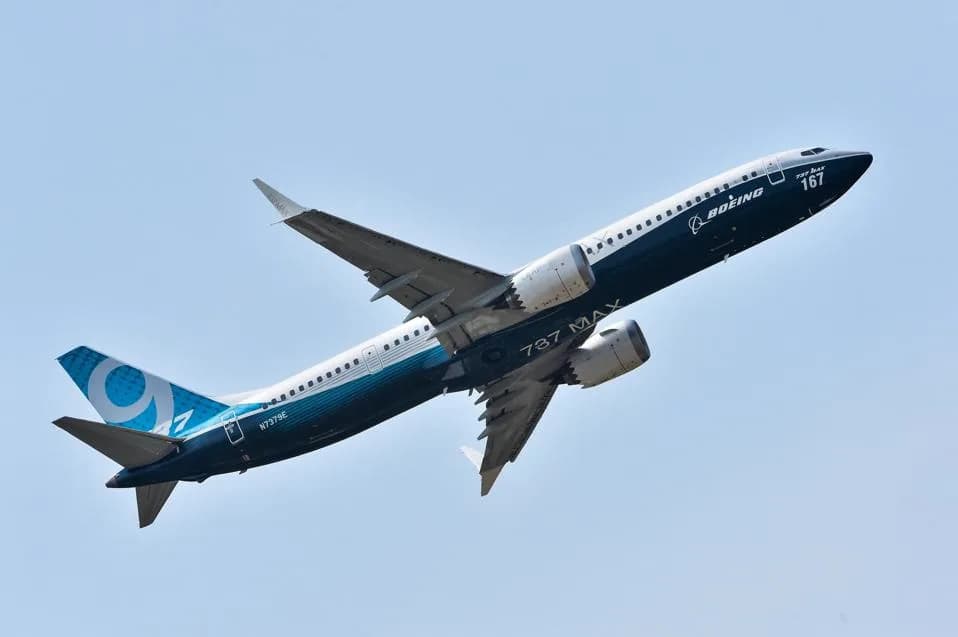

The U.S. Federal Aviation Administration (FAA) has issued an Airworthiness Directive (AD) requiring inspections of certain Boeing 737-family aircraft after reports of cracks in the fuselage bear strap near the forward galley door cutout.

What the Directive Requires

The AD, published Thursday, applies to Boeing 737-8, 737-8-200 and 737-9 models and becomes effective on September 10. The FAA estimates the directive affects 471 airplanes. Under the mandate, Boeing and operators must inspect the fuselage skin for existing repairs and assess the forward upper corner of the forward galley door cutout where cracks have been reported.

Why This Matters

The FAA warned the condition "may lead to the inability of the principal structural element to sustain limit loads and adversely affect the structural integrity of the airplane." In other words, undetected or unrepaired cracking in the specified area could compromise a critical structural region of the fuselage.

Boeing's Response

A Boeing spokesperson said the company discovered and reported the issue to authorities and has been working with operators on the matter for about six years. Boeing notified operators of 737 Next Generation (NG) aircraft of the concern in 2019 and provided detailed inspection instructions at that time.

While Boeing said the cracking has not been observed on the 737 MAX fleet, it extended recommended inspections to MAX airplanes because the MAX and NG models share similar design and manufacturing processes. Boeing stated that it supports the FAA's AD and will continue assisting airline customers with implementation.

Safety Context and Recent Incidents

The directive follows increased attention to airframe integrity after several high-profile incidents. In 2024, a Boeing 737 MAX operated by Alaska Air Group experienced a mid-air cabin blowout that damaged the fuselage; four flight attendants on that flight later filed a lawsuit alleging physical and emotional injuries and seeking economic damages. The FAA's inspection directive aims to identify and repair affected fuselage areas to preserve structural integrity and flight safety.

Next Steps for Operators and Passengers

  • Operators must follow the AD's inspection schedule and repair requirements once inspections detect damage.
  • Regulators and Boeing will monitor findings and require corrective actions as necessary.
  • Passengers should expect routine maintenance notices or temporary groundings only if an operator identifies an immediate safety concern during inspections.
Note: This article focuses on the FAA directive and manufacturer response. Routine inspections and timely repairs are standard tools regulators use to ensure continued airworthiness.

Help us improve.

Related Articles

Trending