Communities around Chitwan National Park are seeing more king cobras and cobras in homes and yards, with park teams and volunteers removing five king cobras and 17 cobras in fiscal year 2025-26. Notable sightings on June 1–2 included a king cobra found inside a Barauli house and later released. Experts warn bites can be fatal if treatment is delayed more than three to four hours. Park officials plan to expand rescue capacity with training, equipment, and technical support while urging faster medical access and public awareness.
King Cobras and Cobras Enter Homes Near Nepal’s Chitwan National Park, Prompting Calls for Better Rescue and Treatment
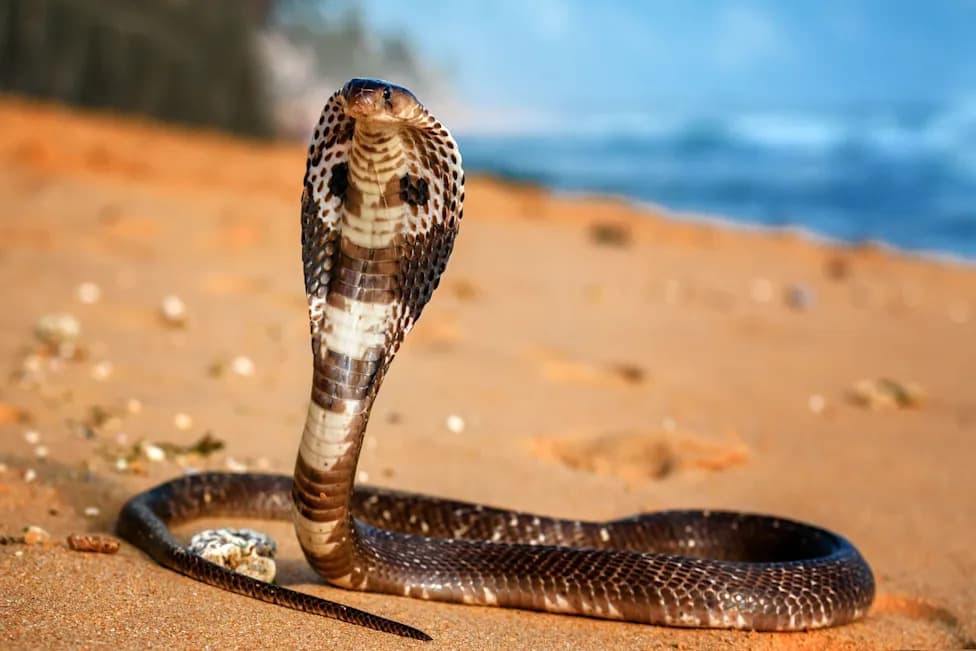
Photo Credit: iStock
Communities along the buffer zone of Nepal’s Chitwan National Park are reporting an increase in dangerous snake sightings inside homes and yards, worrying residents and local authorities, The Kathmandu Post reports.
Incidents and Immediate Response
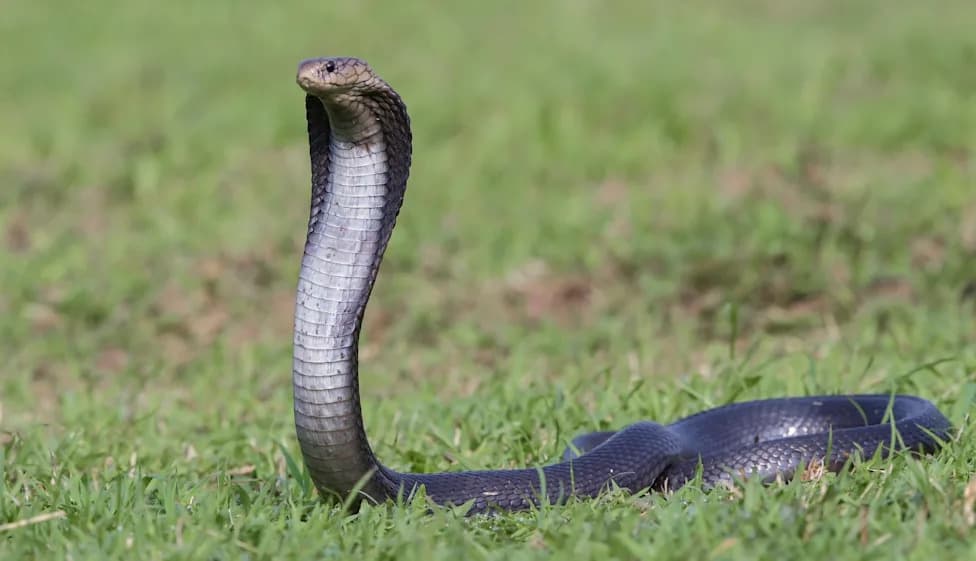
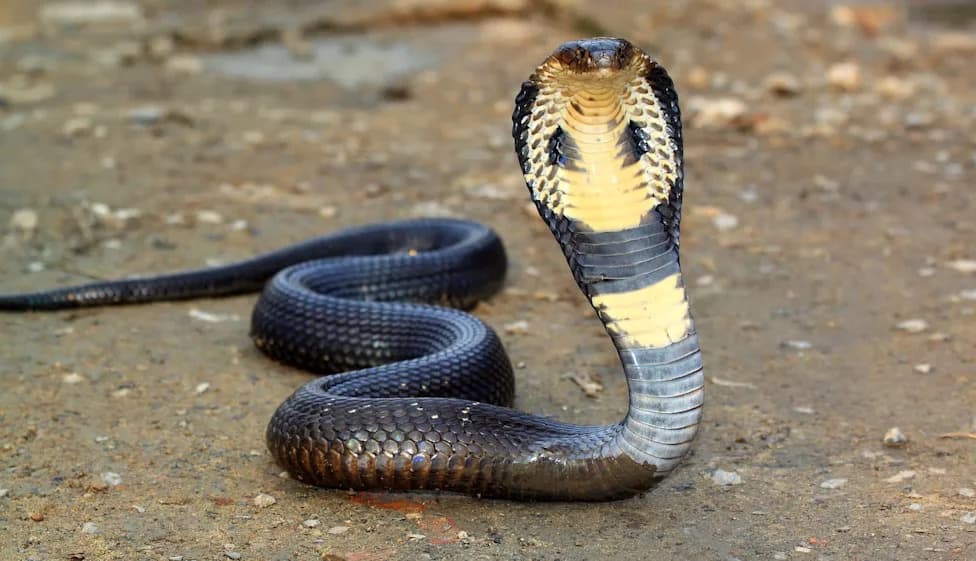
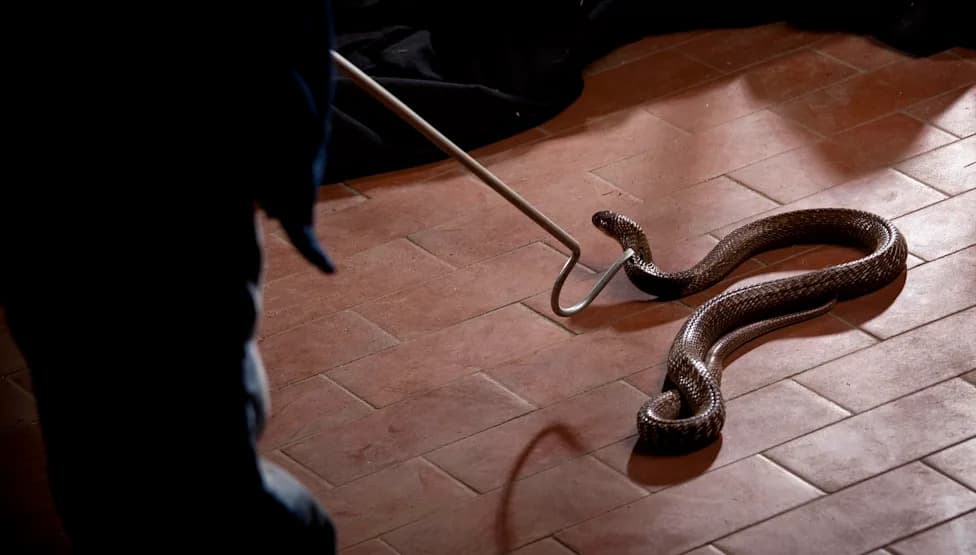
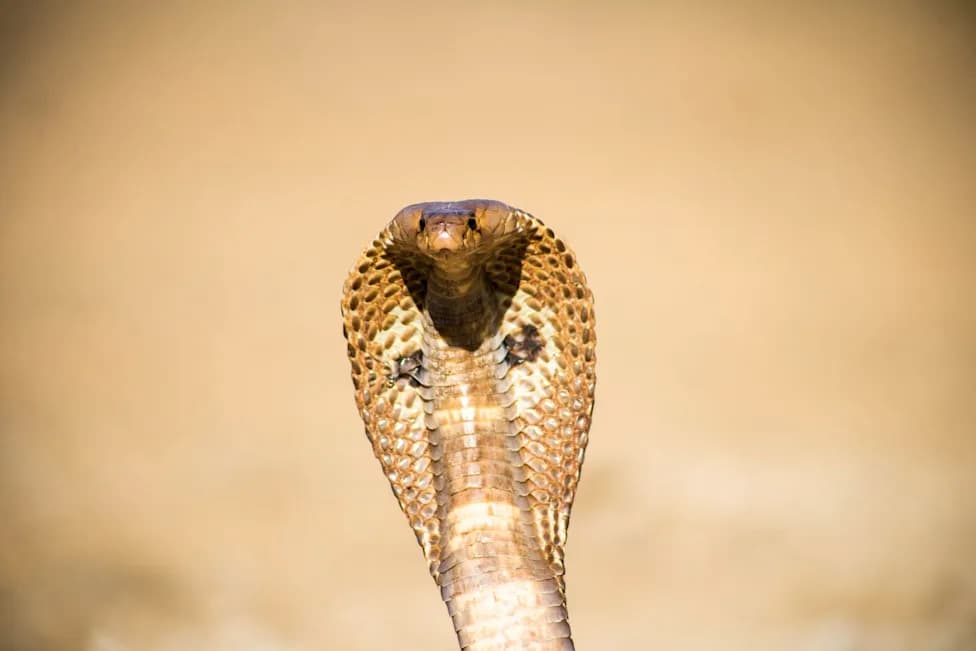
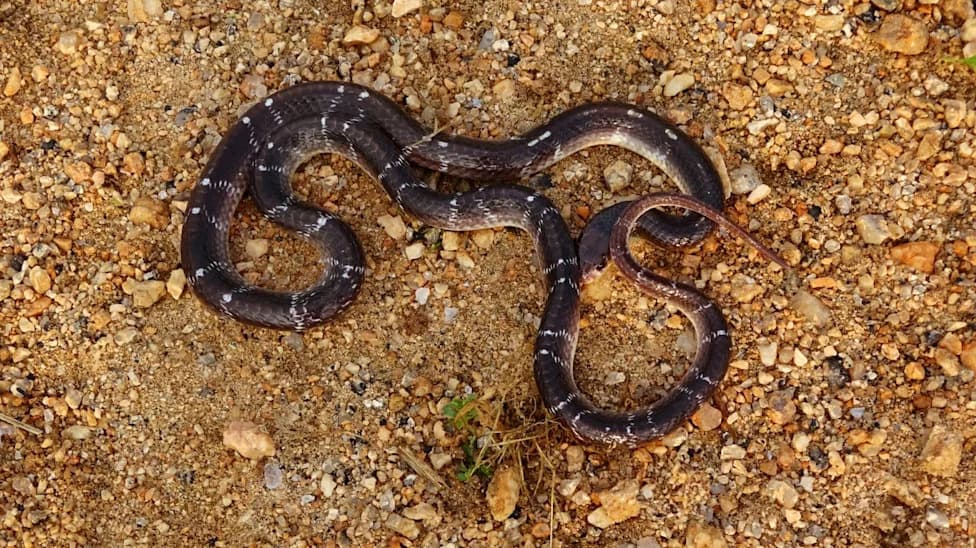
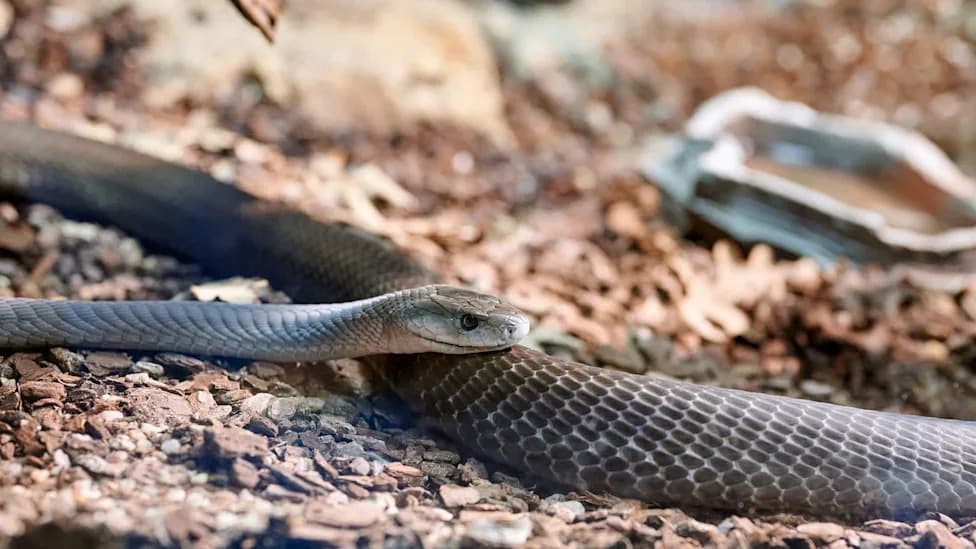
Park teams and volunteer rescuers responded across the buffer zone in fiscal year 2025-26 and removed five king cobras and 17 cobras from residential areas. Sightings were concentrated on June 1–2, when a king cobra was reported inside a house in Barauli, Ward 17 of Kawasoti Municipality (Nawalparasi East) and later released into a forest near Kasara; another king cobra was reported on June 2 in Kawasoti’s Ward 10.
Park records cited by The Kathmandu Post indicate the five king cobra rescues were two in Kawasoti, two in Meghauli (Chitwan), and one in Madi. Responders from the Gharial Conservation Centre and trained volunteers from buffer zone forest user committees currently handle calls about snakes and pythons in settlements.
Risks and Expert Warnings
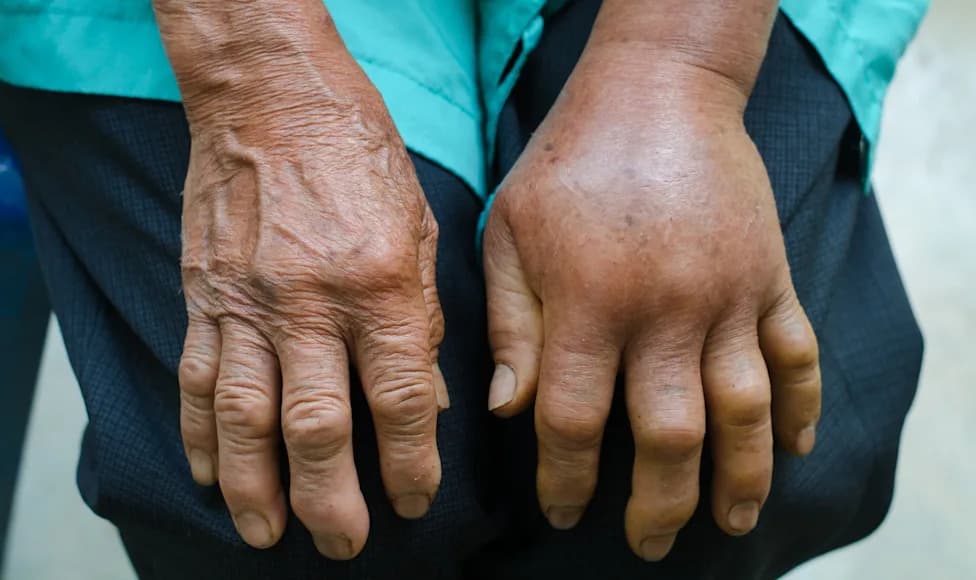
Dev Prasad Pandey, a snake expert who completed PhD research on venomous snakes in Germany, emphasized the danger: delays in medical treatment can make king cobra bites fatal. "There have not been many confirmed human deaths from king cobra bites in Nepal, partly because they often do not release all their venom," he told the Post, but he warned that bites can become deadly if treatment begins more than three to four hours after the incident.
"People are doing rescue work with good intentions, but it needs to become more scientific," Pandey said.
Why Snakes Are Moving Into Settlements
Wildlife experts say the pattern points to broader habitat pressures. As human settlements expand along the park’s buffer zone, and as seasonal hazards such as forest fires and monsoon flooding disrupt habitats, snakes can be forced out of forested areas and into villages. A large venomous snake in a yard can provoke panic, place children at risk, and leave communities dependent on volunteer rescuers because an organized, formal response system is not yet in place.
Building Capacity and Safer Rescues
Abinash Thapa Magar, information officer for Chitwan National Park, said the park plans to expand rescue capacity with technical support from ranger and snake specialist Yam Raut. "Rescue work requires training and proper equipment. We have not had a dedicated program until now, but we plan to develop one," he said. Volunteers such as Manesh Limbu, a professional nature guide from Meghauli who has spent 15 years rescuing snakes using his own gear, are filling gaps on a voluntary basis.
Experts recommend improved public awareness, standardized and scientific rescue protocols, faster access to medical care for snakebite victims, and closer coordination among park authorities, local governments, and communities. Because king cobras and many cobra species are protected wildlife, responders must balance human safety with animal protection when removing snakes.
Practical Advice for Residents
If you encounter a venomous snake: keep a safe distance, keep children and pets away, call local park authorities or trained rescuers, and seek immediate medical attention if a bite occurs. Rapid transport to a health facility and prompt professional care are critical.
Help us improve.