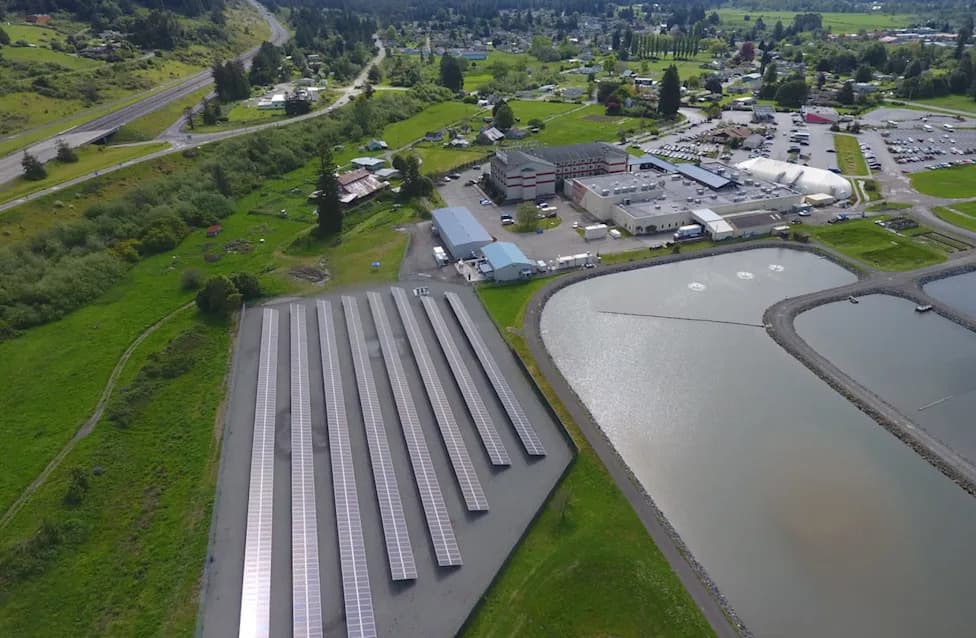
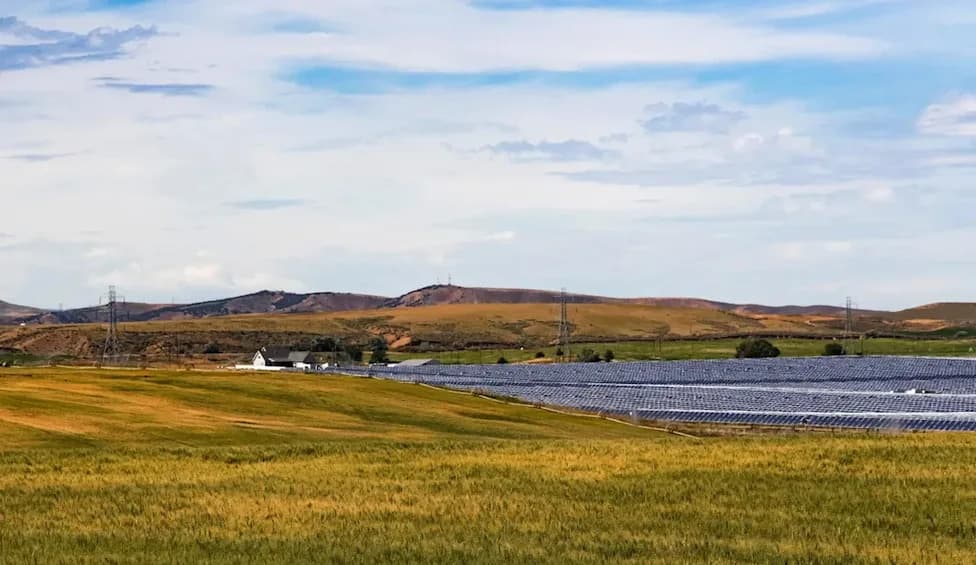
A Dover-area family farm has converted roughly one-third of a 32-acre parcel into a community solar array of nearly 12,000 panels, estimated to power about 774 homes. Developed by Nautilus Solar Energy, the project offers a subscription model for Delmarva Power customers that could lower bills by 10%–20%. Supporters cite grid relief, local jobs, and health and climate benefits; some residents object to using farmland instead of commercial sites.
Delaware Family Turns 32 Acres Into Community Solar Farm That Could Cut Bills 10%–20%
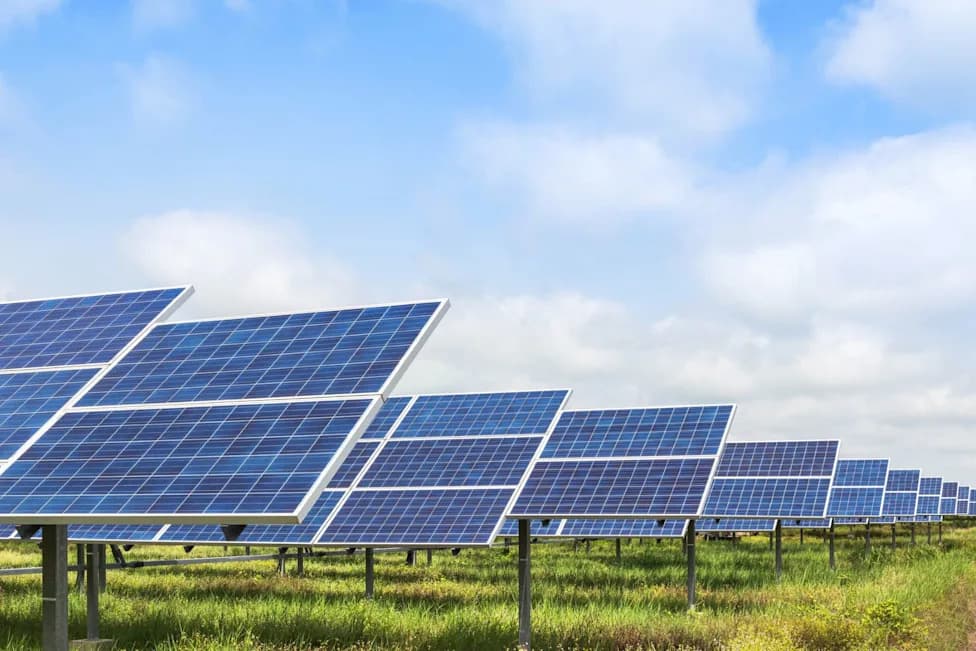
Photo Credit: iStock
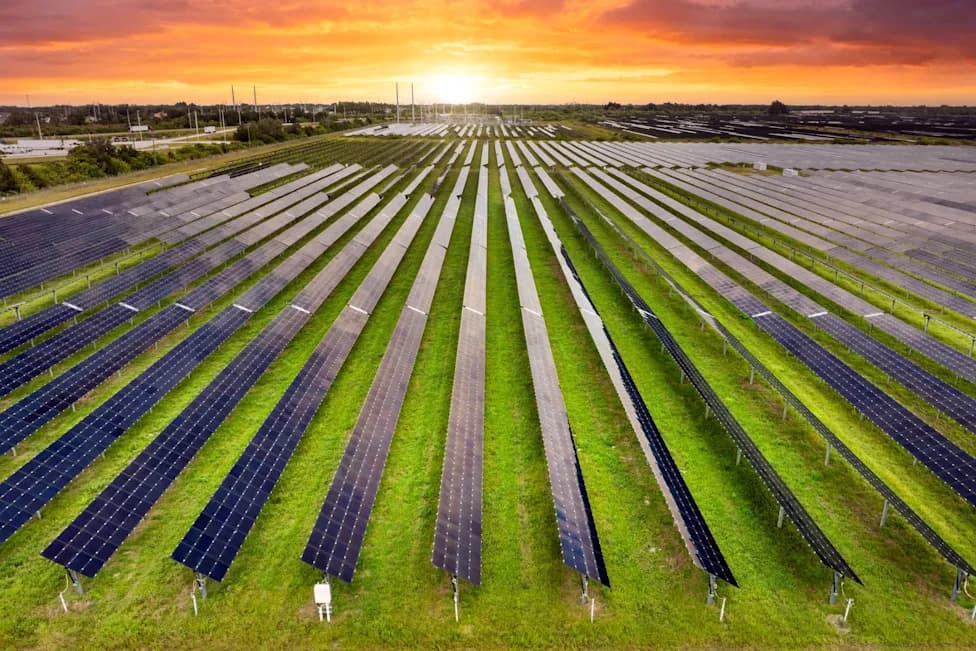
A family farm near Dover, Delaware, has converted about one-third of a 32-acre property into a community solar array. The installation — nearly 12,000 solar panels — is expected to generate enough electricity to serve roughly 774 homes while providing the farm with a steady additional revenue stream.
Project Details
Developed by Nautilus Solar Energy, the 32-acre site uses a subscription model that lets Delmarva Power customers take part without installing panels on their own roofs. Nautilus says many subscribers could see their electric bills reduced by about 10%–20%.
Why It Matters
Delaware Public Advocate Jameson Tweedie emphasized the practical value of local generation:
"We are in a moment where we need a lot of generation, and that may need to come from all different types of generation."The array adds local capacity as regional electricity demand increases — a benefit that could become especially important if planned, power-hungry data centers move forward in the region.
Benefits and Trade-Offs
Financial access: Community solar makes clean energy options available to renters, shaded homeowners, and others who cannot install rooftop systems or afford the upfront cost.
Environmental and health gains: Solar power generates electricity without fossil-fuel combustion, helping to reduce air pollution, greenhouse gas emissions, and related respiratory health risks.
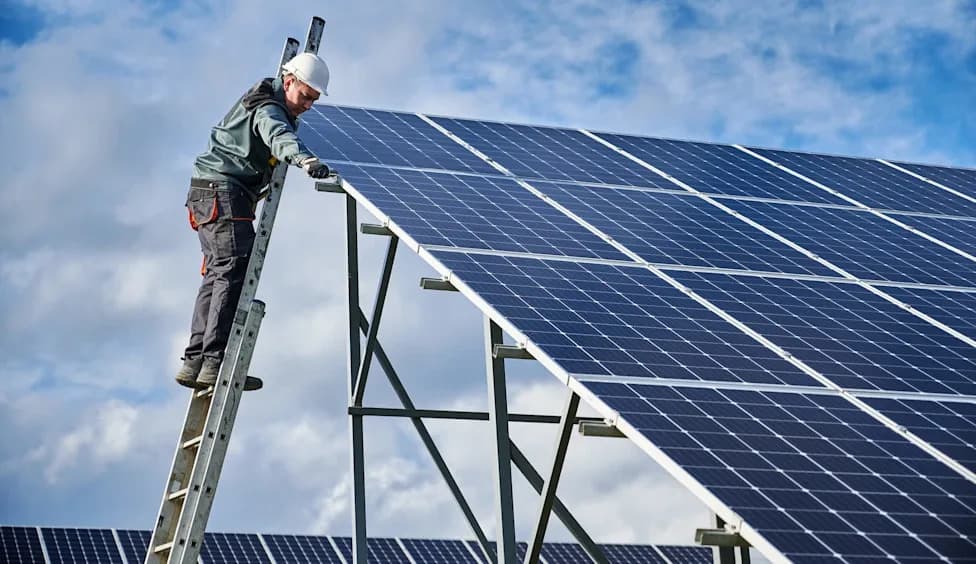
Local economy: Construction and ongoing site work — surveying, environmental studies, maintenance, and landscaping — create jobs and local economic activity. "It does create opportunity," said Eric Paul, Senior Vice President at Nautilus Solar.
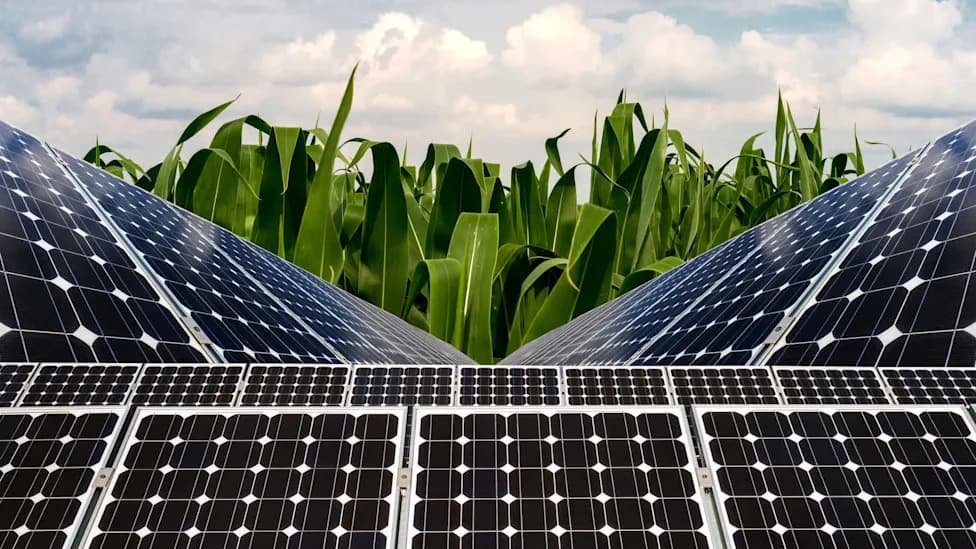
Land-use debate: Some neighbors object to converting farmland, preferring installations on commercial rooft or paved land. Supporters counter that dedicating a portion of acreage to power production can be a pragmatic compromise that preserves most land and can be implemented quickly compared with multi-year generation projects.
Implementation Notes
Nautilus says projects like this can be built relatively quickly and that the ground beneath panels is largely left intact, which may make them an attractive near-term option for communities seeking additional clean generation.
Delmarva Power customers in Delaware interested in participating should consult Nautilus Solar or Delmarva's community solar program details to learn about subscription availability and potential savings.
Help us improve.