Monroeville, Ohio, installed a 6 MW floating solar array of 9,222 panels across three platforms on its reservoir, occupying about 12 acres versus roughly 30 acres for a comparable ground system. Combined with an earlier 4 MW ground array, the village of roughly 1,300 residents now has about 13 times Ohio's per‑person solar capacity. Developed by D3Energy, owned by Gardner Capital, and contracted by Appalachian Renewable Power, the project highlights how floating solar can expand renewables while conserving farmland.
Small Ohio Village Installs 9,222 Floating Solar Panels, Achieving 13× State Per‑Capita Solar
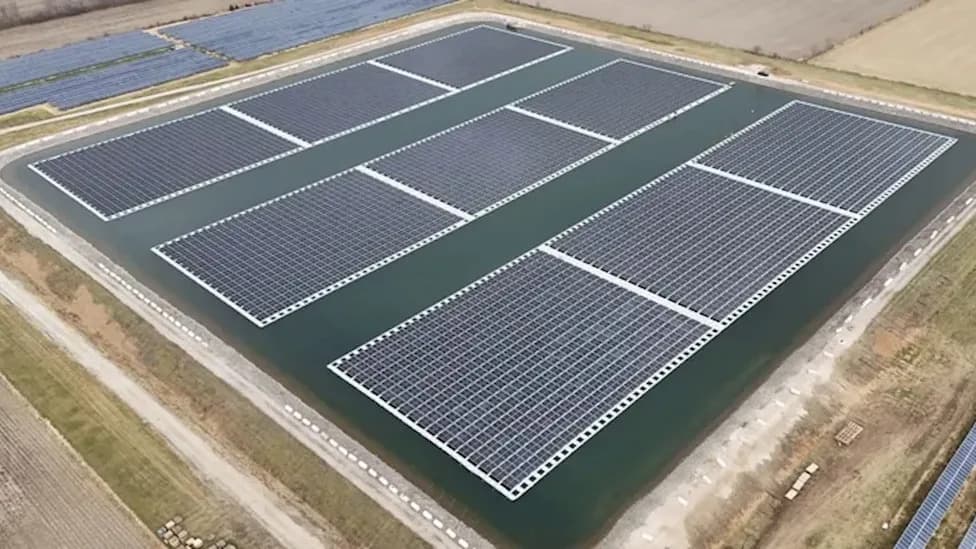
Photo Credit: D3Energy
Monroeville, Ohio, has added a 6-megawatt floating photovoltaic array of 9,222 panels mounted on three platforms across its village reservoir, sending electricity into the local distribution grid and avoiding any new use of cropland.
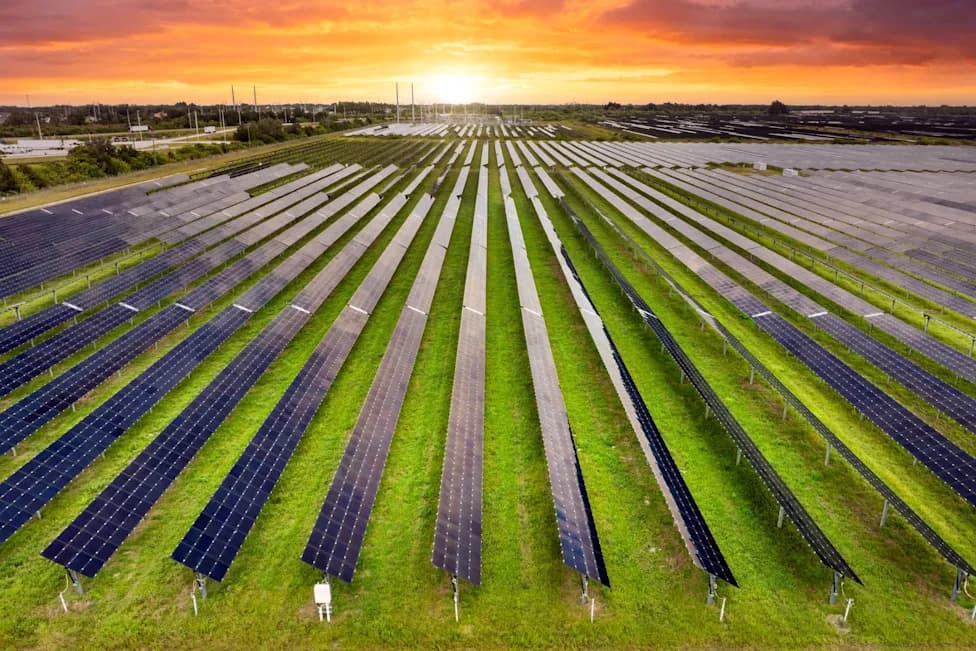
The installation covers roughly 12 acres of water surface, a footprint that a comparable ground-mounted system would have needed about 30 acres to match. That land-saving tradeoff is especially relevant in Ohio, where a 2021 law allowed about one-third of the state's 88 counties to limit large ground-mounted solar developments.
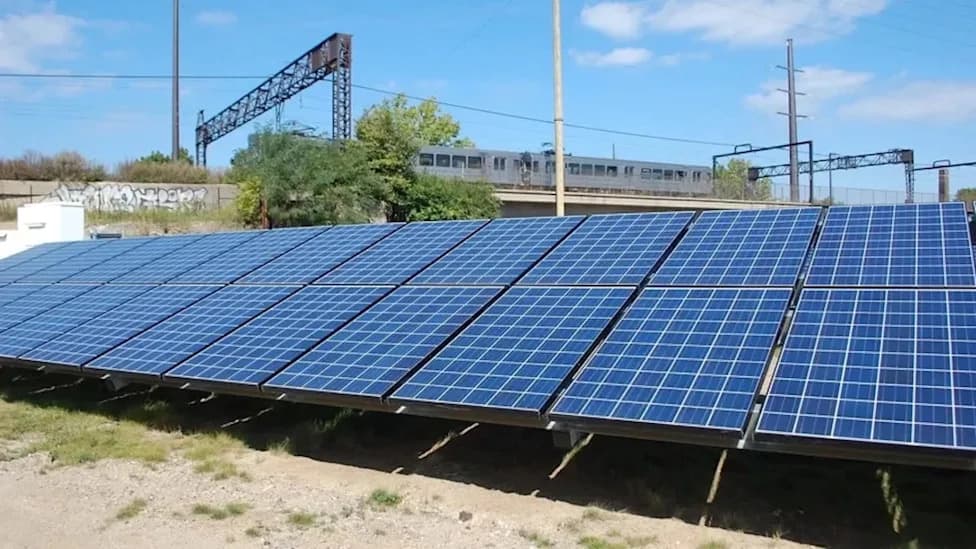
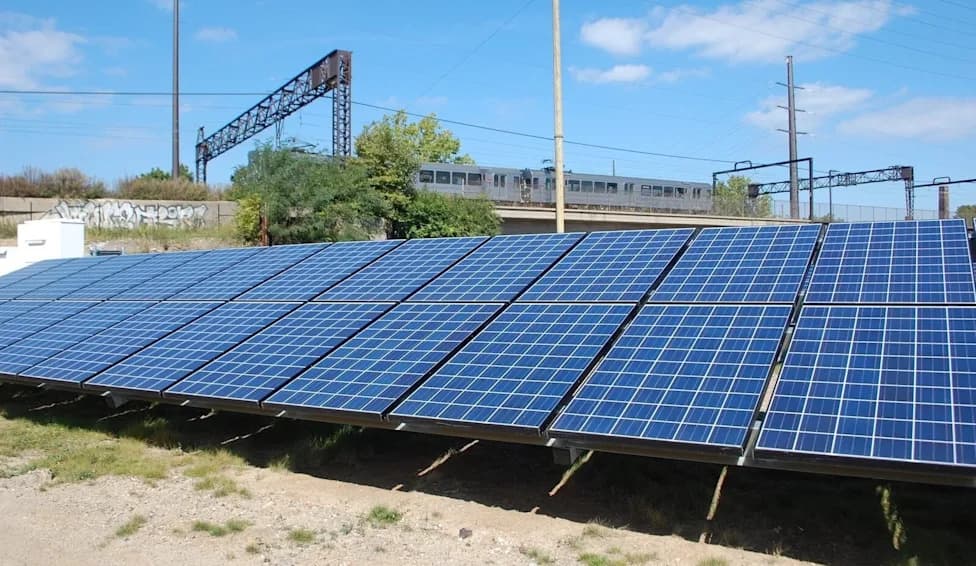
For a village of roughly 1,300 residents, this is a substantial addition. Monroeville previously commissioned a 4-megawatt ground-mounted solar facility in 2017; together with the new floating array, the village now has about 13 times Ohio's per-person solar capacity.
Who Built It
D3Energy led development of the reservoir project and says it is Ohio's largest floating solar installation and among the five largest in the United States. Gardner Capital owns the Monroeville system and sells the electricity to the village, while Ohio-based Appalachian Renewable Power handled contracting. D3Energy has also completed floating projects for Del-Co Water in Delaware and for the City of Lima at Twin Lakes Reservoir, bringing Ohio's active floating-solar capacity to nearly 10 megawatts.
"Solar needs space, and in farm country there's no such thing as spare ground," said Stetson Tchividjian, managing director of D3Energy. "Monroeville had water sitting right there doing one job. Now it does two."
Why This Matters
Floating solar offers several advantages for communities and utilities that face land constraints or local restrictions on ground-mounted arrays. Benefits can include:
- Conserving agricultural land and other valuable parcels.
- Potentially improved panel efficiency due to cooling effects from water, depending on climate and design.
- Reduced reservoir evaporation in some settings, which can be a local co-benefit.
At the same time, floating arrays require careful planning around permitting, aquatic ecology, reservoir operations, anchoring, and long-term maintenance — considerations that towns and utilities must weigh alongside the land-use benefits.
Broader Context
Monroeville's reservoir project is part of a growing trend to site solar on water surfaces: states and utilities are experimenting with highway retention ponds, municipal reservoirs, and industrial impoundments to expand renewable capacity while minimizing land impacts. Examples include floating installs in Florida, Oregon, and emerging projects across Africa's large reservoirs.
This model — a mix of private ownership, local power purchase arrangements, and specialist developers — shows one practical pathway for small towns to scale clean energy despite local limits on ground-mounted projects.
Sources: reporting from Interesting Engineering and statements from project developers.
Help us improve.