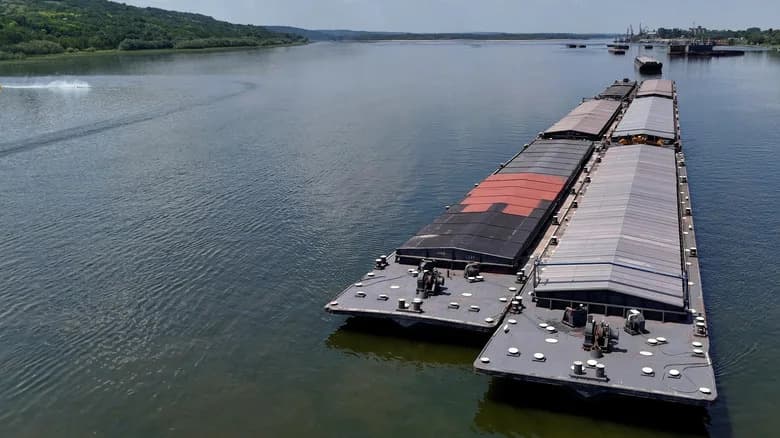
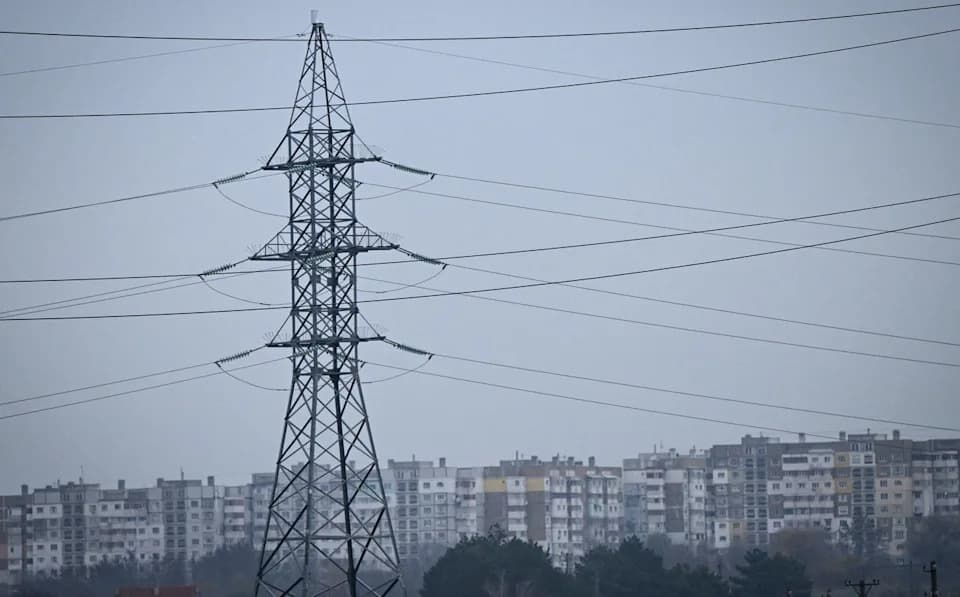
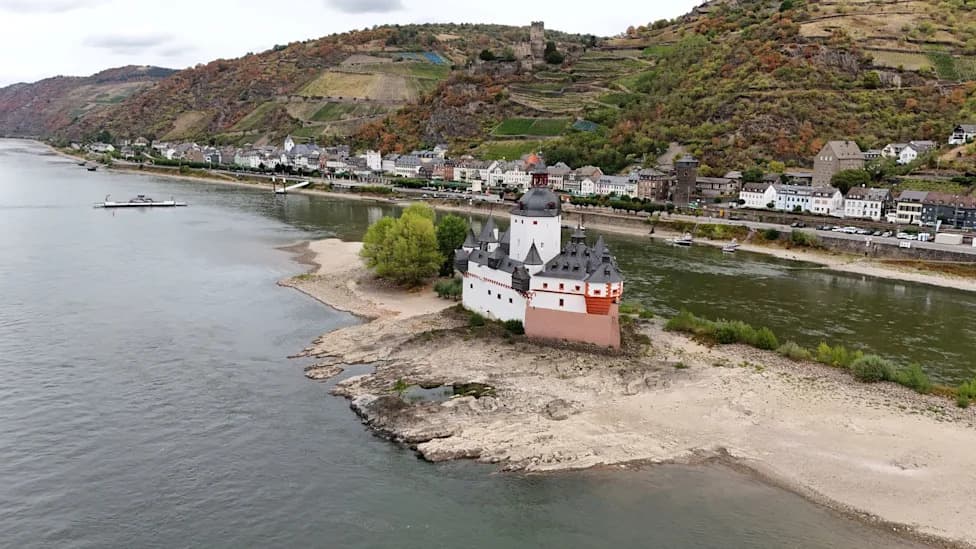
Rain in the Danube’s Austrian catchments has raised river levels, allowing Hungary’s Paks nuclear plant to begin reconnecting a turbine and potentially resume power generation as early as Monday evening, Prime Minister Peter Magyar said. Heat and drought this summer pushed the Danube to its lowest level in nearly 90 years, forcing Hungary and Romania to curb output at river-cooled reactors. Officials reported rises of 9 cm and 19 cm from recent low points, and Romania’s emergency diversion at Cernavoda has restored enough water for a second reactor to run for at least nine more days.
Rain Raises Danube Levels — Hungary’s Paks Nuclear Plant Set to Restart a Turbine
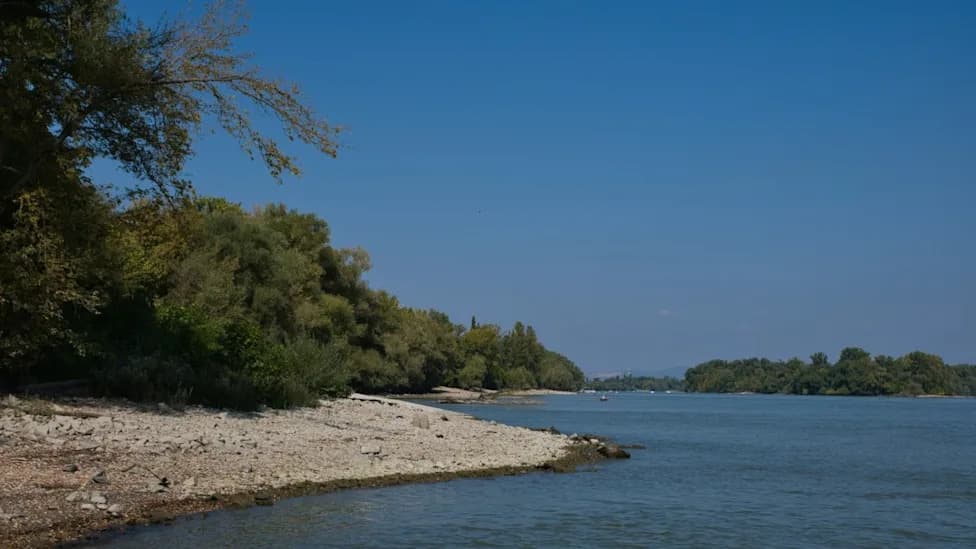
Hungary’s Nuclear Power Returns as Rain Lifts Danube Water Levels
Hungary said its only nuclear power station, the Paks plant, could resume producing electricity as early as Monday evening after one turbine is brought back online, Prime Minister Peter Magyar said. The move follows recent rainfall that has begun to raise water levels on the Danube.
What Happened
Prolonged heat and scarce rainfall this summer pushed the Danube to its lowest levels in nearly 90 years, forcing plants that rely on river water for reactor cooling to scale back output. On Aug. 2, Hungary temporarily shut down the Paks Nuclear Power Plant — the first full shutdown in 44 years — after authorities determined the Danube’s low flow made safe cooling operations impossible.
Late last week, rain in the Danube's Austrian catchment areas led to rising water levels along the river. Hungarian officials reported that levels were already 9 centimeters above a recent low and later said the Danube stood 19 centimeters higher than the low point a week earlier. With the rise in river levels, the reconnection of one Paks turbine began and officials said the No. 3 turbine of the plant’s second unit would start generating power from the evening.
"We are already nine centimeters above the Danube's Sunday low point, and rain is expected in the Austrian catchment areas," Magyar said, noting improving conditions upstream.
Regional Responses And Impacts
Hungary reiterated appeals for voluntary reductions in electricity use amid an ongoing heatwave even as water levels improved. Romania, which also relies on Danube-cooled reactors at its Cernavoda plant, took emergency action to secure cooling water: authorities blasted a rock formation and sank barges loaded with rock to divert the river flow toward the plant. The intervention raised water levels at Cernavoda, enabling officials to say the plant’s second reactor could operate for at least nine more days.
The developments underscore how extreme weather and low river flows can quickly disrupt electricity supplies in river-dependent nuclear systems, and how countries in the region have taken urgent — and in Romania’s case, dramatic — measures to protect reactor cooling.
By Tsvetana Paraskova for Oilprice.com
Help us improve.