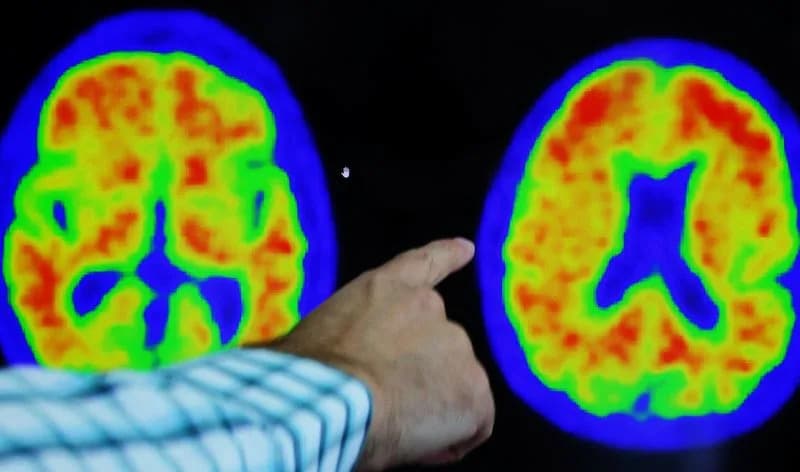
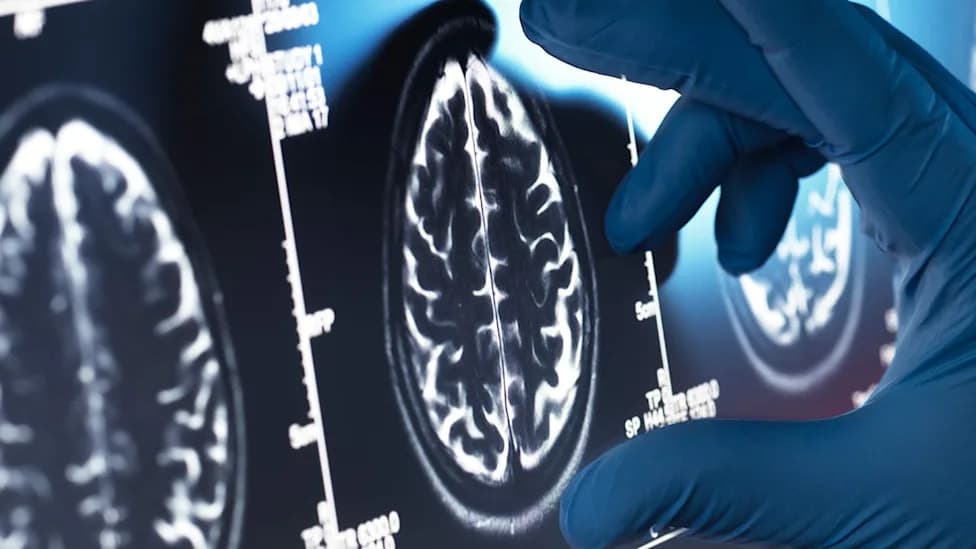
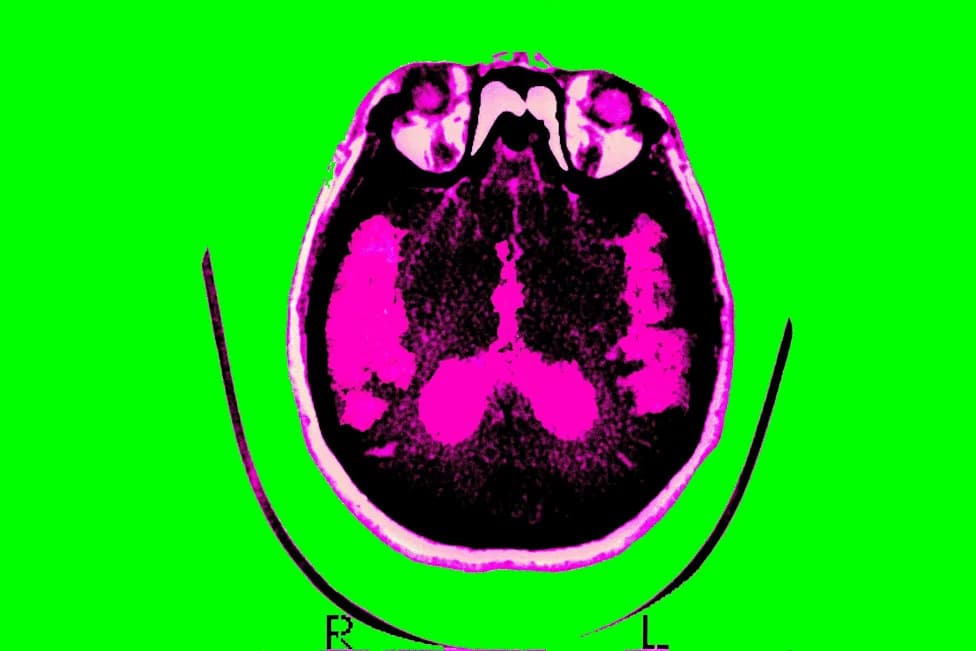
Researchers at Massachusetts General Hospital and Harvard report that the century-old BCG tuberculosis vaccine is associated with changes in immune cells and biomarkers in cerebrospinal fluid. Published in Communications Medicine after two decades of research, the study proposes a possible immune-based mechanism linking BCG to reduced Alzheimer’s risk. The authors stress these findings are associative and call for larger trials to test causality and therapeutic potential.
BCG Vaccine May Reduce Alzheimer’s Risk: New Study Points to an Immune Mechanism
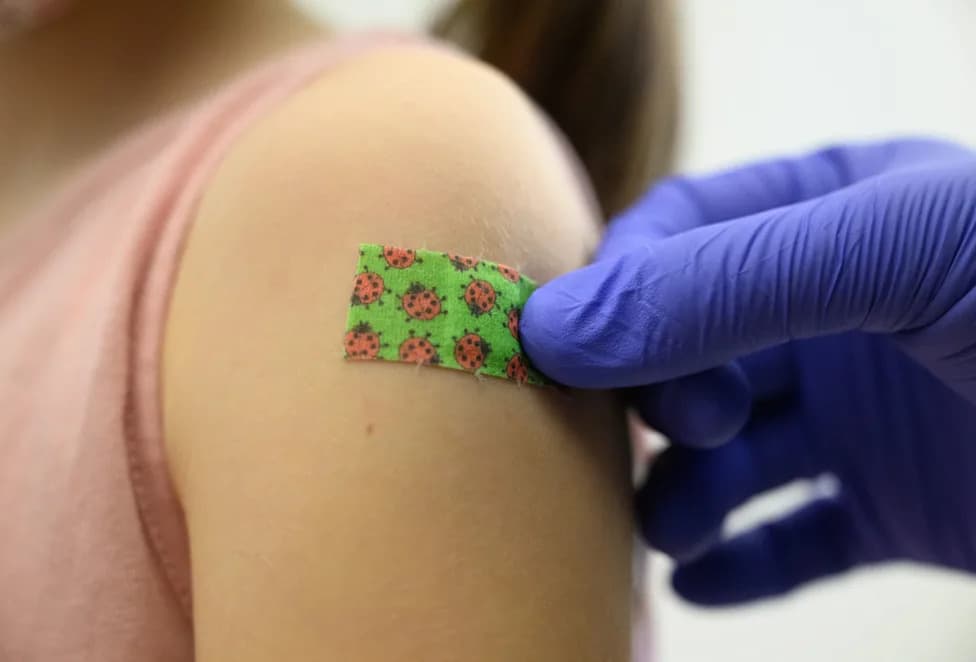
New research hints at unseen connections between the brain and the immune system that could pave the way for more treatments for other conditions. Robert Michael/dpa-Zentralbild/dpa
The century-old Bacillus Calmette–Guérin (BCG) vaccine — widely used to prevent tuberculosis — may also influence the brain’s immune environment in ways that could lower the risk of Alzheimer’s disease, according to researchers at Massachusetts General Hospital and Harvard University.
In a paper published recently in Communications Medicine, the team summarizes two decades of work and reports that BCG vaccination was associated with changes in immune-cell behavior and in biomarkers found in cerebrospinal fluid (CSF), the fluid that surrounds the brain and spinal cord. The authors describe these changes as a potential biological explanation for previously observed associations between BCG vaccination and reduced Alzheimer’s risk.
What the Study Found
The researchers say the BCG vaccine altered how immune cells behaved — including in the CSF — and changed markers that have been linked to Alzheimer’s disease. While the paper does not claim the vaccine definitively prevents Alzheimer’s, it proposes an immune-based pathway that may influence brain aging and neurodegeneration.
“The immune system and the brain may be far more connected than we once thought,” says Steven Arnold, Managing Director of the Interdisciplinary Brain Center at Mass General Brigham Neuroscience Institute.
Mark Weinberg, a former Mass General Brigham scientist who now works at AbbVie, adds that while the results are promising, further research is needed to confirm causality and to explore therapeutic implications.
Implications and Next Steps
The findings point to previously underappreciated links between the immune system and the brain and could guide future research into new preventive strategies or treatments for neurodegenerative disease. However, the study’s observations remain associative: randomized clinical trials and broader studies are required to determine whether BCG vaccination can directly reduce Alzheimer’s risk, which populations might benefit, and what the underlying mechanisms are.
Limitations: The paper outlines a proposed biological mechanism but does not establish direct causation. Researchers emphasize the need for larger, controlled studies and clinical trials before any changes to public-health recommendations or vaccine use are considered.
Overall, this work adds important evidence to a growing body of research that connects immune function with brain health and highlights new avenues for investigation into Alzheimer’s prevention and treatment.
Help us improve.