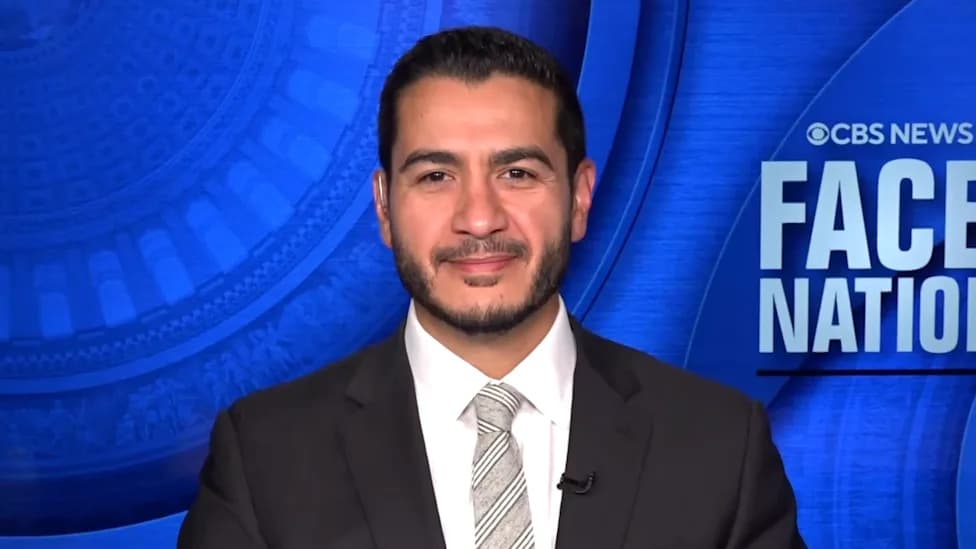
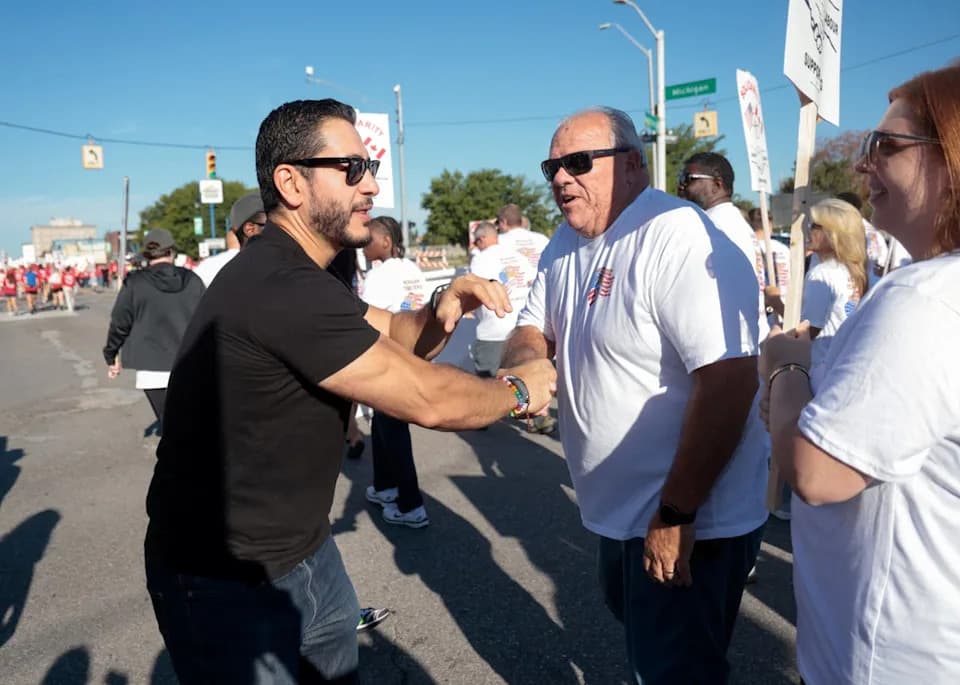
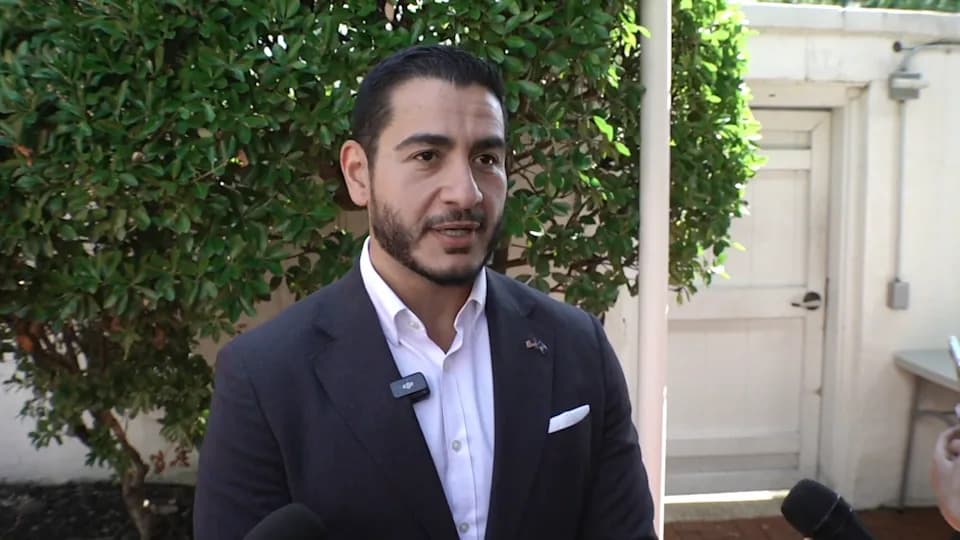
Sen. Tim Scott, chair of the NRSC, was pressed on CNN about Republican ads that used Democratic candidate Abdulrahman Mohamed El‑Sayed's full legal name instead of the shorter name he uses publicly. Scott denied any intent to highlight El‑Sayed's Arab‑American heritage or Muslim faith but did not explain the ad strategy, instead criticizing El‑Sayed's associations and positions. El‑Sayed compared the tactic to past attacks on Barack Obama and said he has spoken with Obama since the primary. Supporters and observers call the ads Islamophobic as the Michigan Senate race moves toward a contentious general election.
NRSC Ads Use Abdul El‑Sayed’s Full Name; Tim Scott Denies Religious Motive Amid Islamophobia Claims
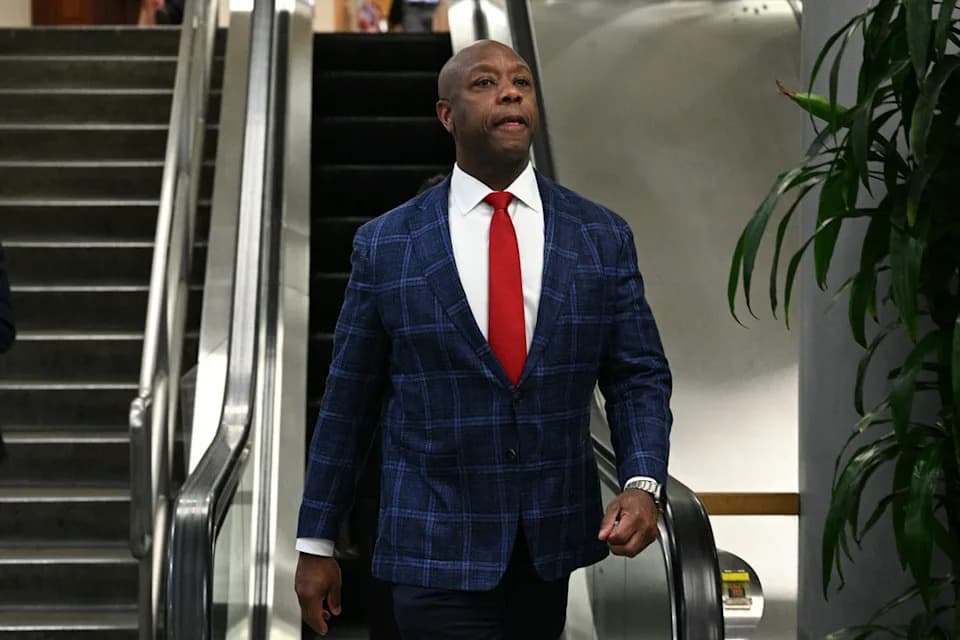
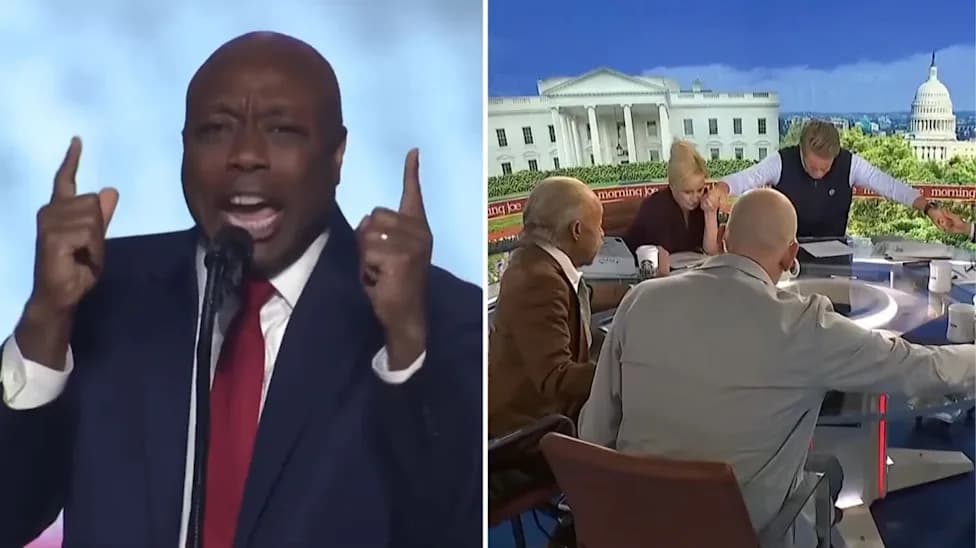
Tim Scott leads the Senate Republican campaign arm, the NRSC (AFP/Getty)
Sen. Tim Scott, chair of the National Republican Senatorial Committee (NRSC), faced sharp questioning after Republican-backed ads repeatedly used Democratic Senate candidate Abdulrahman Mohamed El‑Sayed’s full legal name rather than the shorter name he uses publicly. Critics say the tactic appears designed to highlight El‑Sayed’s Arab-American background and Muslim faith; Scott denied any religious or ethnic motive but offered no clear explanation for the ad strategy.
Interview Spotlight
On a pre-recorded segment of CNN's State of the Union with Manu Raju, Raju pressed Scott on whether the use of El‑Sayed’s extended name was an implicit effort to underscore his heritage and religion. Scott rejected that interpretation but did not explain why the NRSC was running the spots or provide an alternative rationale.
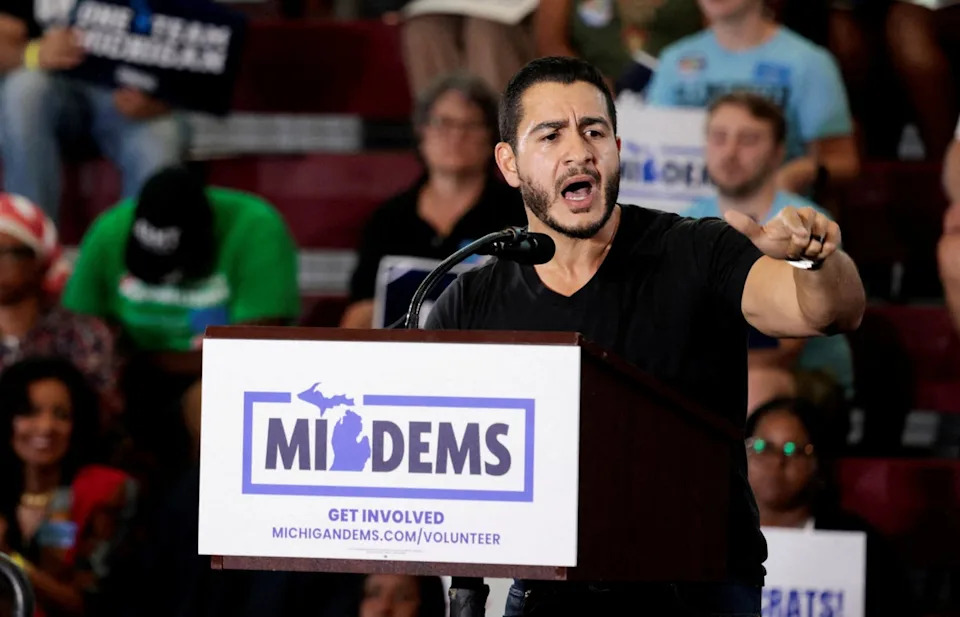
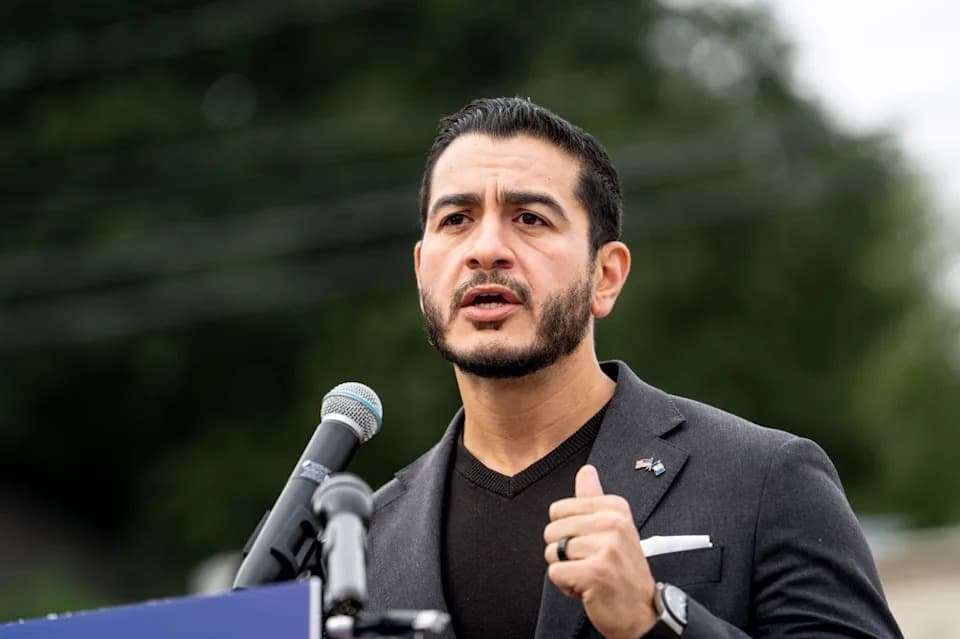
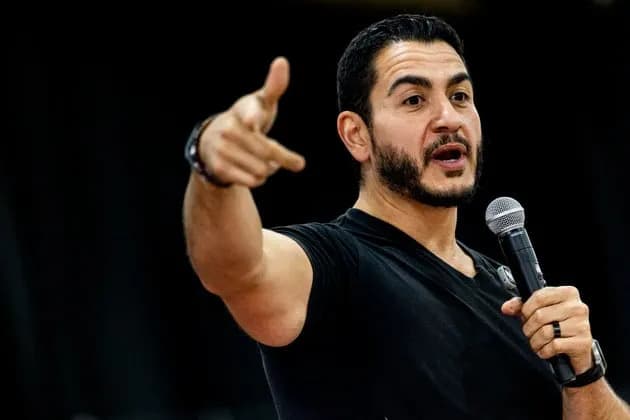
Abdul El-Sayed compared Republicans' attempts to highlight his name to similar tactics used against Barack Obama (Reuters)
"It's about what he stands for," Scott said. "We're going to focus and bring attention to the fact that not only is he sympathetic to Hamas, not only does he run around with Hasan Piker... he should be held to account for exactly where he stands, and what he's for."
When asked why the ads did not use the name El‑Sayed commonly uses, Scott replied, "Listen, I go by Timothy Eugene. People call me that all the time," an answer that did not directly address critics' concerns about the apparent emphasis on El‑Sayed's full name.
El‑Sayed's Response and Broader Context
El‑Sayed responded to the controversy on CNN with Jake Tapper and on NBC's Meet the Press. He declined to discuss his faith in detail on CNN, instead making a remark about perceived tensions between Donald Trump and Melania Trump. On NBC, he explicitly compared the naming tactic to attacks on former President Barack Obama, saying, "Notice how they chose to use my full name, in echoes to exactly what they did against President Obama." El‑Sayed also said he has spoken with Obama since the primary.
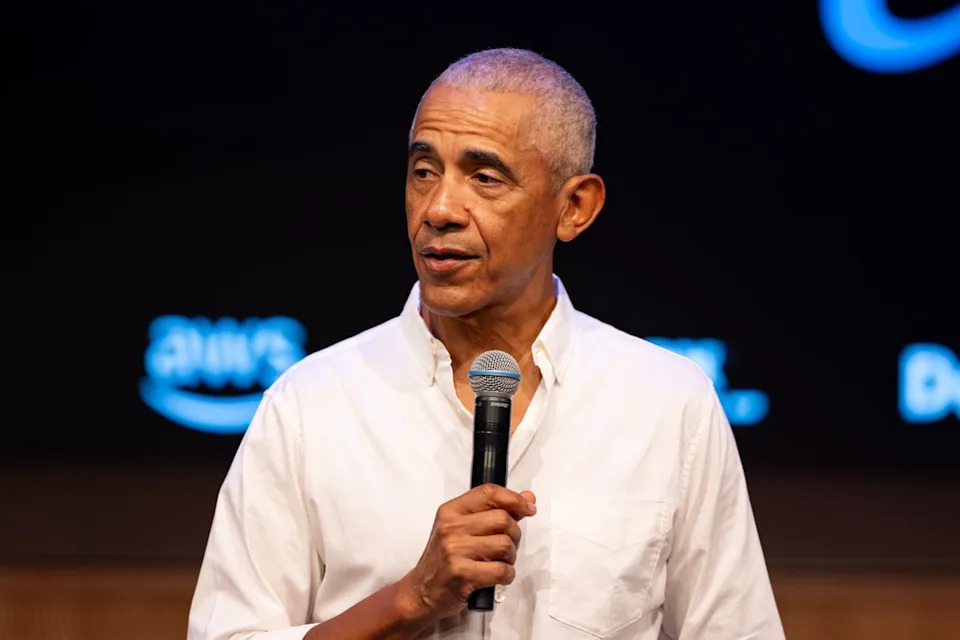
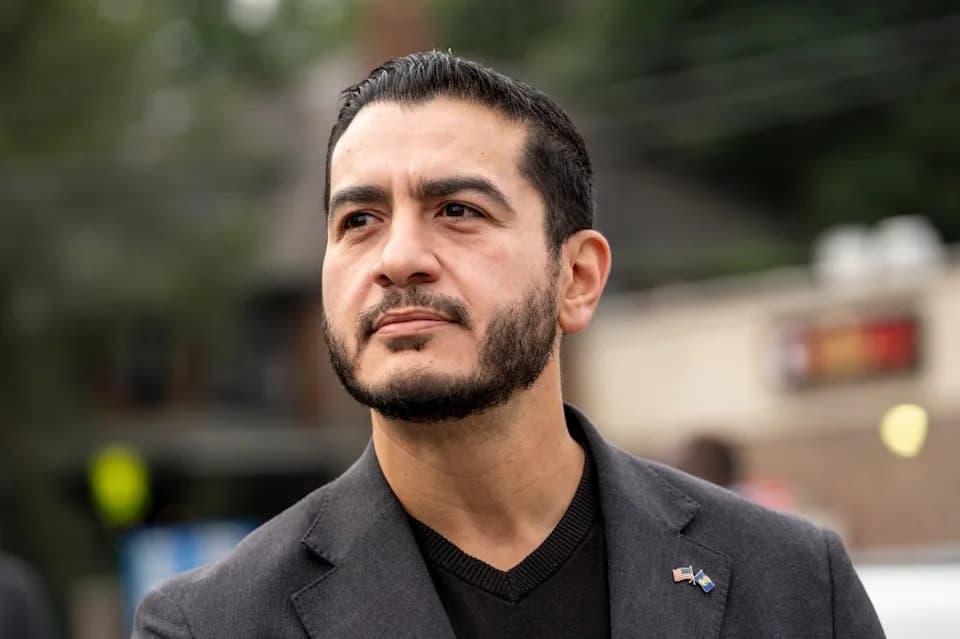
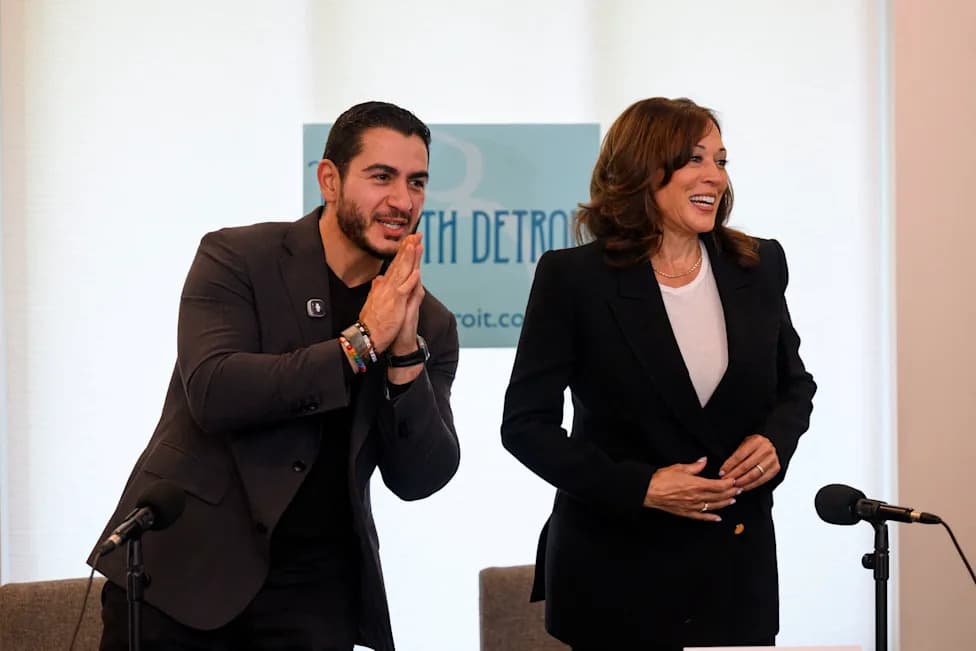
Barack Obama has not made his endorsement in the Michigan Senate race but recently spoke with El-Sayed, according to the candidate (AP)
Supporters of El‑Sayed and independent observers have described the ads and other attacks as having Islamophobic overtones. They note that Obama’s 2008 campaign faced similar false claims questioning his religion, and they argue the current messaging recalls those earlier tactics.
Associations And Accusations
Scott and other Republicans have also criticized El‑Sayed for his associations and policy views, accusing him of sympathizing with Hamas and pointing to his ties to political commentator Hasan Piker. Piker, who campaigned with El‑Sayed and attended his watch party, has been labeled by critics as an anti‑Semite because of past comments; his supporters call those charges a political smear. Piker has said he is "tired" of repeatedly apologizing for the disputed remark at the center of the controversy.
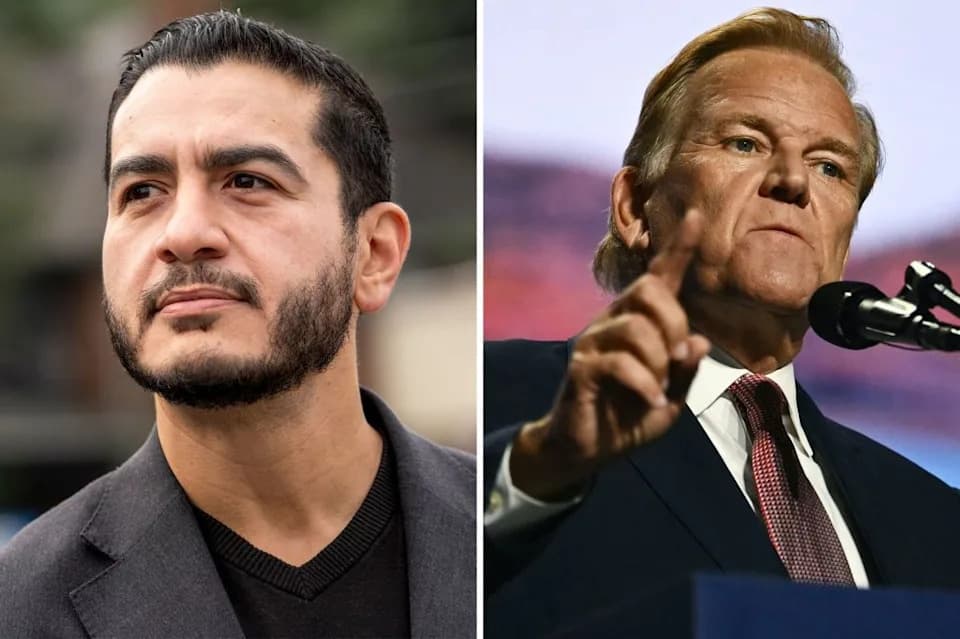
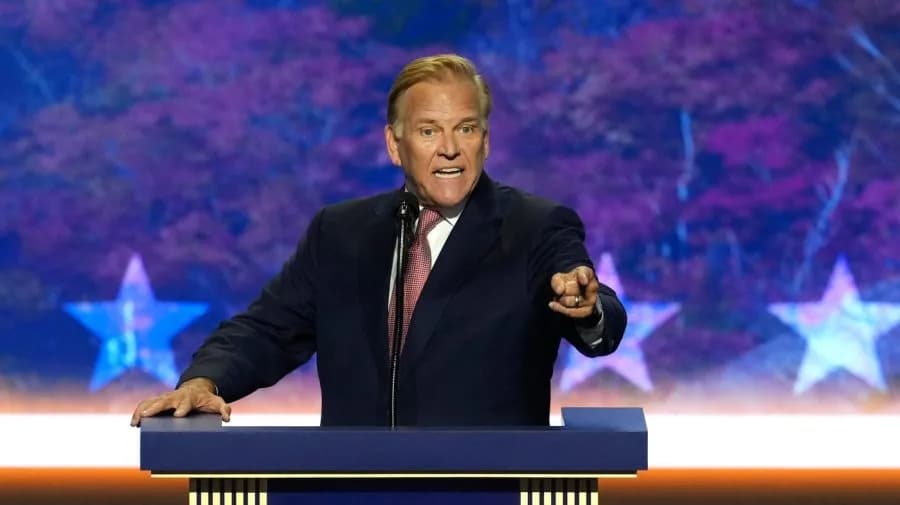
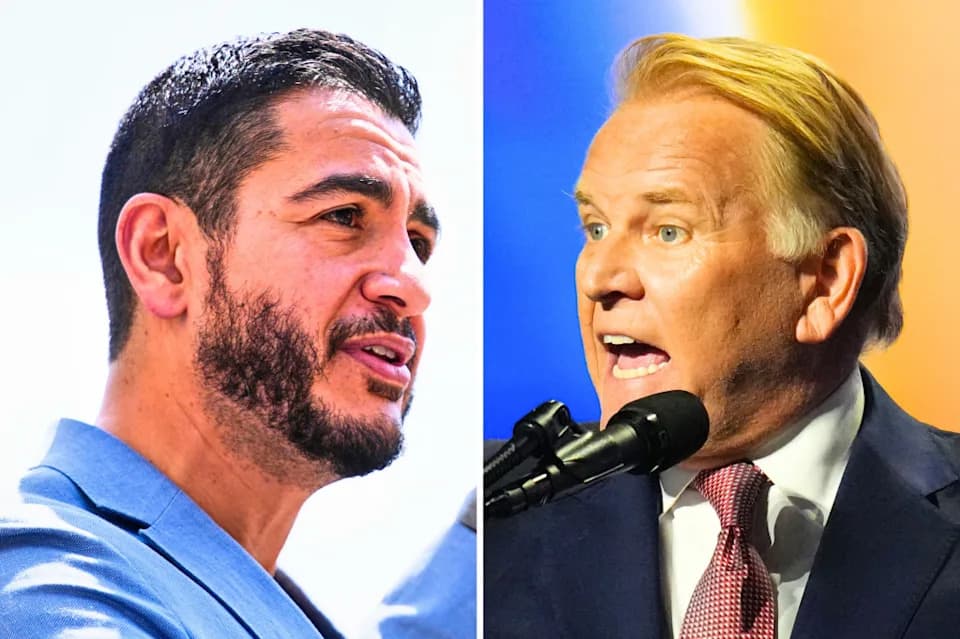
Progressive groups and some organizations linked to pro‑Israel advocacy, including AIPAC and allied entities, played prominent roles in the primary, and critics say some of that campaign activity was rooted in misinformation and anti‑Muslim sentiment. After winning a narrow Democratic primary in Michigan, El‑Sayed will face Trump‑endorsed Republican Mike Rogers in the November general election.
What’s Next
The debate over the NRSC ads highlights ongoing tensions over political messaging, identity, and the boundaries of acceptable campaign tactics. As the general election approaches, expect continued scrutiny of how both parties frame candidates’ backgrounds and associations—and whether those framings cross into religious or ethnic stereotyping.
Help us improve.