Gov. Greg Abbott is pushing the Texas Legislature to allow competing electricity providers in San Antonio, calling CPS Energy's municipal model a form of "taxation" because it redirects about 14% of profits to the city budget. Abbott argues competition could cut local bills by 10%–20% and stop nonresidents from subsidizing city services. City leaders and CPS Energy defend the municipal model for keeping rates lower and funding local priorities; a renewed legislative fight is likely when lawmakers return in January 2027.
Abbott Targets CPS Energy Monopoly in San Antonio, Calls Utility 'Taxation' — Another Legislative Fight Looms
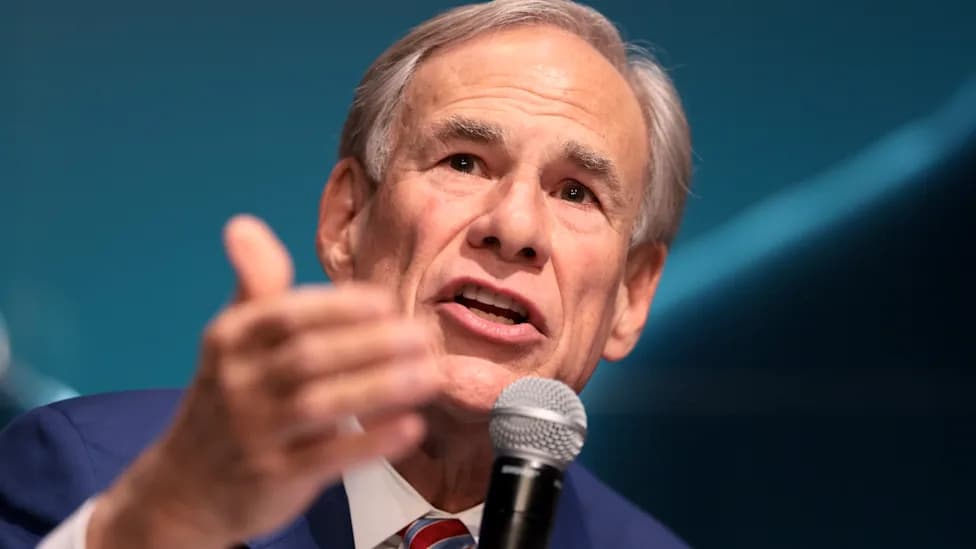
Photo Credit: Getty Images
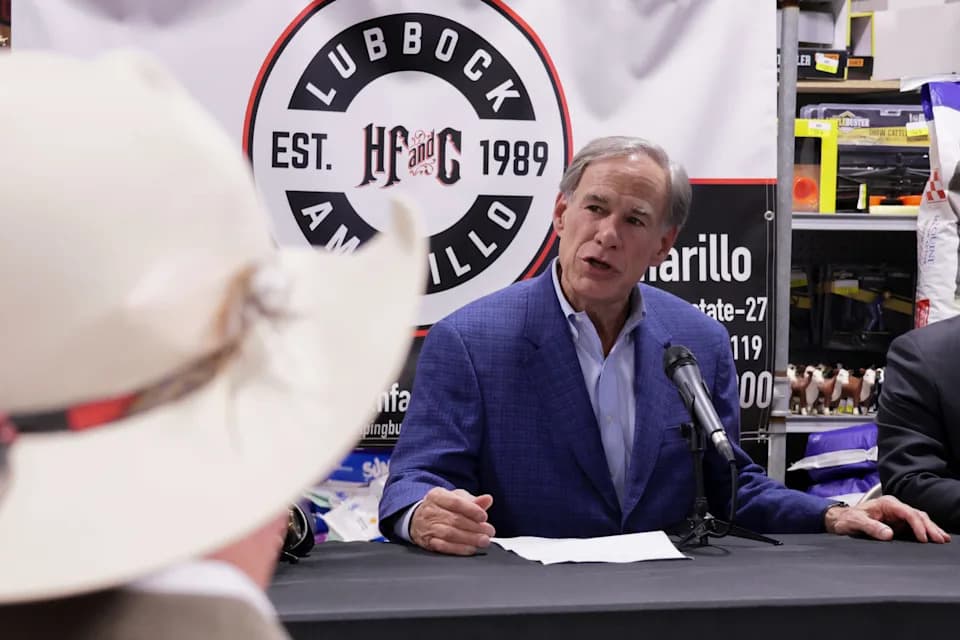
Texas Gov. Greg Abbott is pressing the state Legislature to open San Antonio's power market to competing providers, arguing that the city's municipally owned utility, CPS Energy, functions like a monopoly that effectively "taxes" customers by redirecting utility profits to the city budget.
What Abbott Is Proposing
Abbott wants lawmakers to allow rival electricity providers to serve San Antonio customers currently served by CPS Energy. He contends that competition could lower local utility costs by roughly 10%–20% and that customers who live outside city limits should not be subsidizing city services through their electric bills.
Key Argument: Revenue And Representation
Under the municipal model, CPS Energy transfers about 14% of its profits to the San Antonio city budget instead of paying property taxes. Abbott has framed that arrangement as "taxation through electricity prices without representation," citing the city's prior decision to direct some CPS windfall funds to a Reproductive Justice Fund — a use the state later barred.
CPS Energy And City Officials Respond
CPS Energy spokeswoman Melissa Sorola said the municipal structure has helped keep combined residential electric and gas rates below those in many other parts of Texas. "Our returns benefit the community, with the investment going to our customers rather than private investors," she said. City Manager Erik Walsh noted that the municipal model has served San Antonio for more than 80 years and remains an important tool for local stewardship.
Potential Consequences If The Model Changes
Supporters of the municipal model say maintaining local control keeps utility earnings in the community to fund public services, infrastructure and grid investments. CPS Energy also regularly sells surplus power into the wider Texas grid, which officials say can help stabilize the system during peak demand. Opponents argue competition could lower bills and prevent nonresidents from subsidizing city spending through utility rates.
Abbott: "This is taxation through electricity prices without representation, and it must come to an end."
Where Things Stand
Abbott says the governor's office supports the proposal after earlier attempts in the Legislature failed to secure enough votes. San Antonio officials and stakeholders are likely preparing for another high-stakes debate when lawmakers reconvene in January 2027. CPS Energy has said it will review details of any formal proposal and is open to discussion.
What To Watch
- Whether a bill to open San Antonio's market is filed and its specific provisions;
- Estimates from independent analysts on how competition would affect rates and reliability;
- Responses from local elected officials, CPS Energy customers and neighboring jurisdictions.
Decisions about the utility's structure could shape household energy bills, the city budget and the region's ability to meet power demand and respond to emergencies.
Help us improve.