The FTC's proposed click‑to‑cancel rule aimed to make cancelling subscriptions as easy as signing up, but a court blocked the federal effort in July 2025 for procedural reasons. In response, New York City enacted a municipal rule—effective Oct. 1, 2026—requiring equally simple cancellation flows for automatic renewals and continuous services, potentially saving residents an estimated $162.5 million a year. Similar measures are emerging in states like California and Colorado, and polling shows more than 80% public support for stronger protections. Businesses should prepare for a growing patchwork of local rules and simplify cancellation processes now.
Why 'Click‑to‑Cancel' Rules Are Going Local — What Consumers and Businesses Need To Know
Jpkirakun/Getty Images
Talk of "click‑to‑cancel" rules surged in 2025 when the Federal Trade Commission (FTC) proposed a national standard requiring that cancelling a subscription be as simple as signing up for it. The idea was straightforward: if you can join a service with a single click, you should be able to cancel it just as easily. Supporters argued the change could also reduce friction for related actions, like unsubscribing from email lists or stopping unwanted in‑app subscriptions.
What Happened To The Federal Rule?
In July 2025 a court blocked the FTC's effort, not on the merits of the policy but because the agency failed to complete a required preliminary regulatory analysis during the rulemaking process. The ruling found the FTC did not meet mandatory procedural steps, preventing the click‑to‑cancel standard from becoming a nationwide federal rule.
New York City Steps In
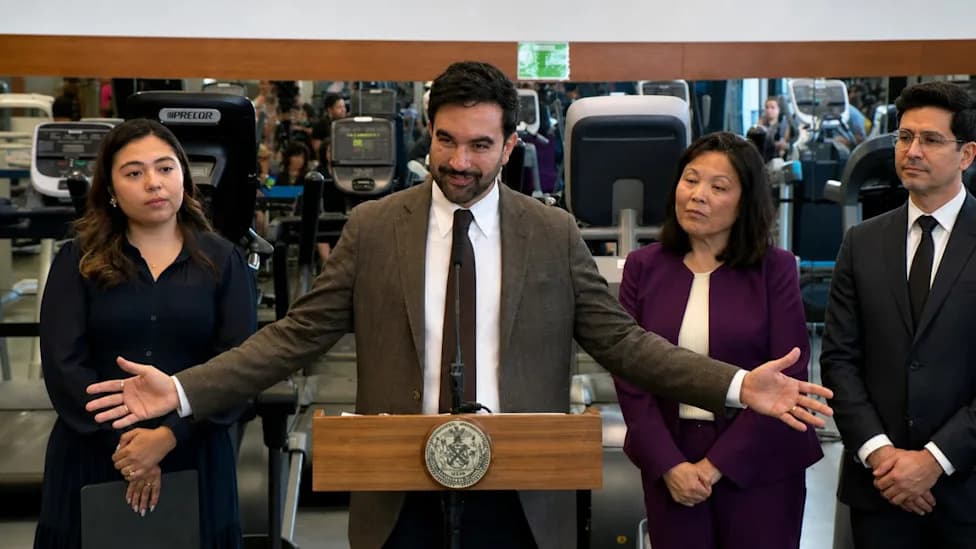
With the federal effort stalled, local and state governments have started acting on their own. New York City adopted a first‑in‑the‑nation municipal rule that requires businesses selling automatic renewal or continuous service subscriptions to New York consumers to allow cancellations that are as easy as enrollment. The rule goes into effect on Oct. 1, 2026, mandates clear disclosure of subscription terms, and requires cancellation flows that mirror how a consumer enrolled.
City officials estimate the regulation could save New Yorkers up to $162.5 million per year by cutting recurring charges tied to confusing or difficult cancellation procedures.
State And Local Momentum
Similar proposals exist at the state level in places including California and Colorado, and other municipalities are watching. The result is a growing patchwork of rules that could impose different requirements on businesses depending on where customers live.
pixinoo/Shutterstock
Why This Matters
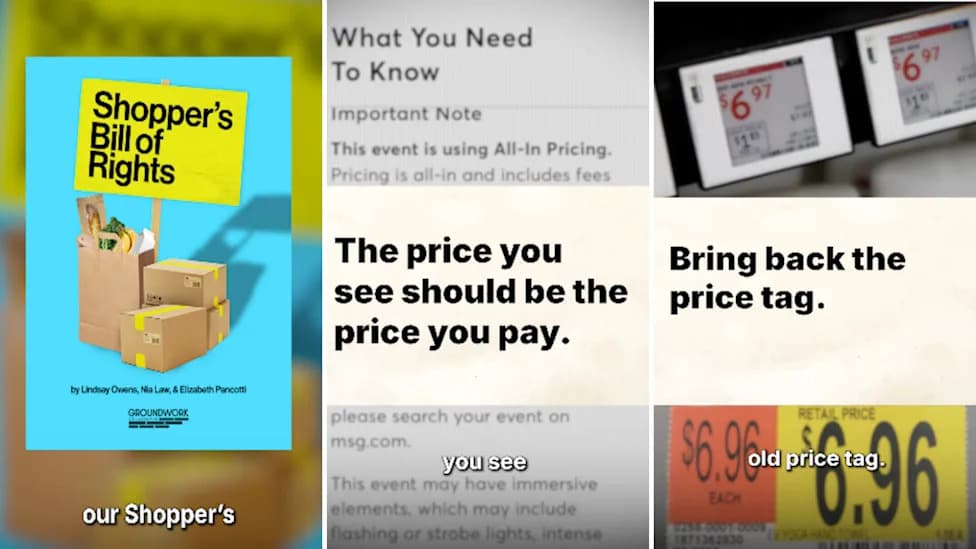
The issue has broad bipartisan appeal: few consumers want surprise charges from unwanted subscriptions, lingering App Store fees, or hard‑to‑find cancellation options. Independent polling from Data for Progress shows more than 80% nationwide support for stronger protections against hidden subscription traps.
For companies, the practical consequences are clear. Even without a federal mandate, businesses should expect increasing regulatory pressure at the state and local level. That means reviewing automatic renewal practices, simplifying in‑app and web cancellation flows, improving disclosure language, and preparing to respond to enforcement actions or fines in jurisdictions with new rules.
Practical Steps For Consumers And Companies
Consumers: Keep records of signups and confirmation emails, check subscription settings in app stores and service dashboards, and use account pages rather than relying on customer service phone lines when possible.
Businesses: Audit your enrollment and cancellation UX, make cancellation as straightforward as enrollment, document compliance steps, and consult legal counsel to navigate differing local and state requirements.
Although the federal rule was blocked, the momentum behind click‑to‑cancel shows a clear trend: simpler, more transparent cancellation processes are likely to become the norm in many jurisdictions. Companies that proactively adapt will reduce consumer complaints and regulatory risk.
Help us improve.