As Canada confronts more frequent and severe wildfires, some remote and Indigenous residents are choosing to stay and defend homes rather than evacuate. Councillor Hubert Wigwas remained in Gull Bay and faces a fine for defying evacuation orders, while grassroots teams in British Columbia, led by Sonja Leverkus, have trained hundreds in prescribed burns, structural protection and suppression. Officials stress evacuation is vital to save lives, but local training and formal recognition of volunteer crews could improve resilience in remote communities.
Not Afraid to Stay: Canadians Organize to Defend Homes Against Wildfires

'Not afraid to stay': The Canadians taking fighting wildfires into their own hands
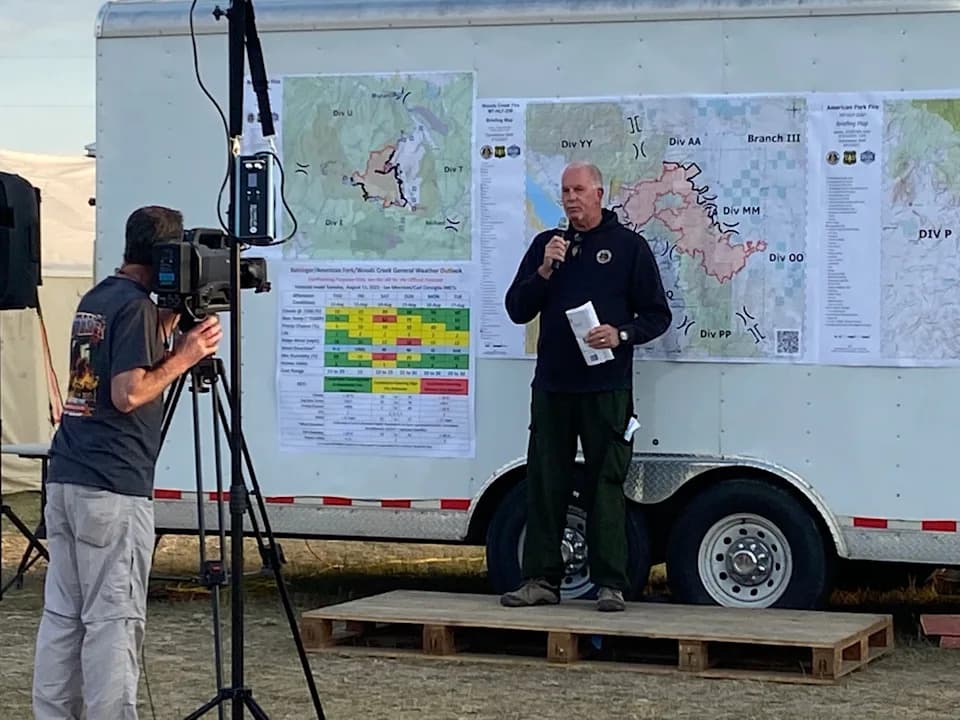
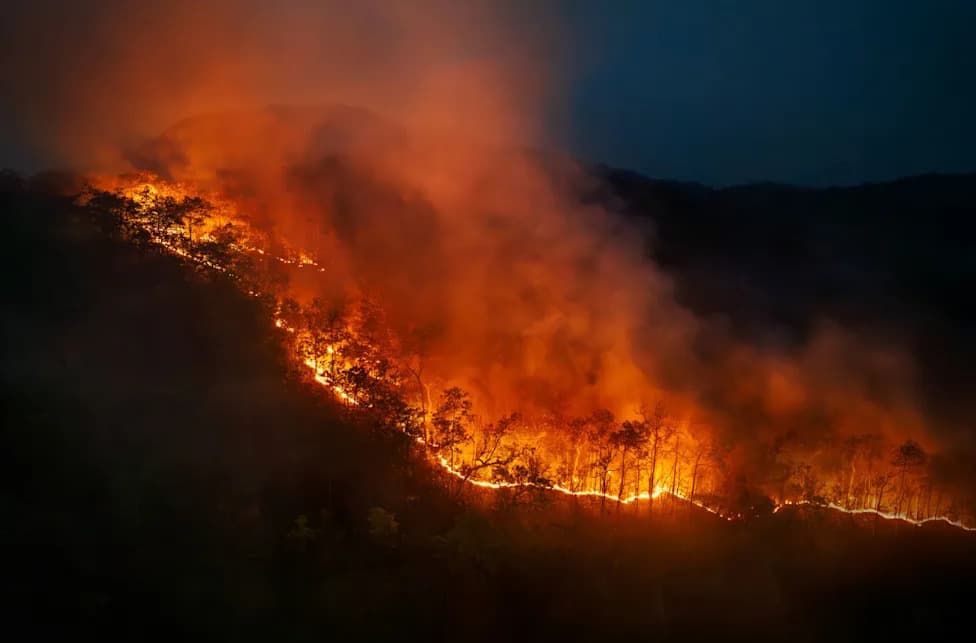
When a wildfire threatened his First Nation in northern Ontario, councillor Hubert Wigwas decided to stay and protect his community rather than evacuate. He installed sprinklers on his roof to douse falling embers, checked on elders who remained, and fuelled four boats by the lake in case a quick escape became necessary. "This is everything I've built in my 58 years," Wigwas told the BBC. "I'm just not going to run away and let it burn."
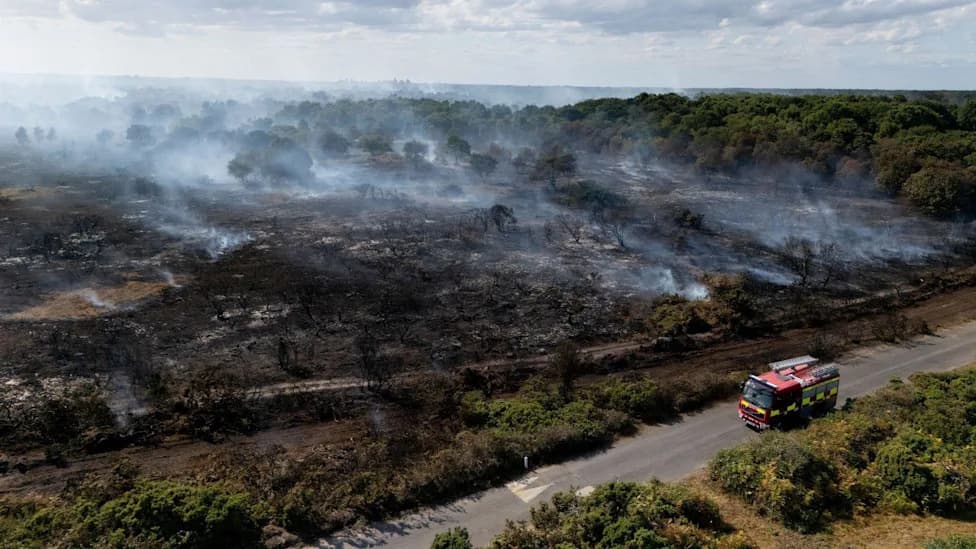
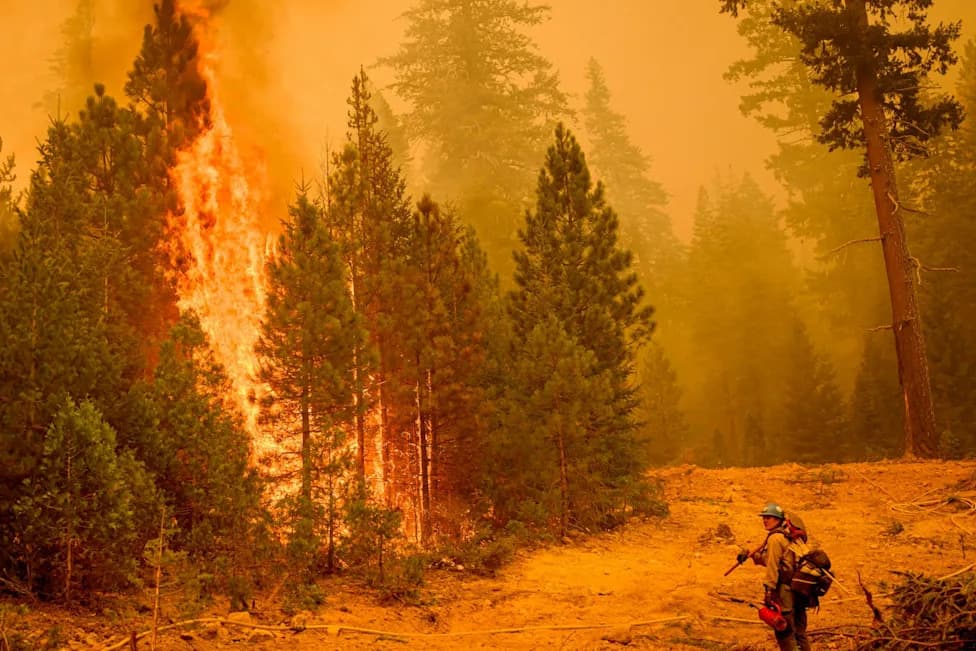
Canada has endured some of its most severe fire seasons in recent years. The 2023 season was the most destructive on record, burning forest roughly the size of Syria, and by August of the current season more than 750 wildfires were active across the country. Smoke from these blazes reached the US Midwest and prompted public debate about cross-border impacts and responsibility for air quality.
Why Some Communities Choose to Stay
Faced with stretched provincial resources and long response times to remote locations, some residents — particularly in isolated and Indigenous communities — are choosing to remain and defend property. Wigwas faces an estimated C$800 fine for defying evacuation orders, but says the lack of visible outside support convinced him his community should build its own emergency response capability.
Local Training and Grassroots Response
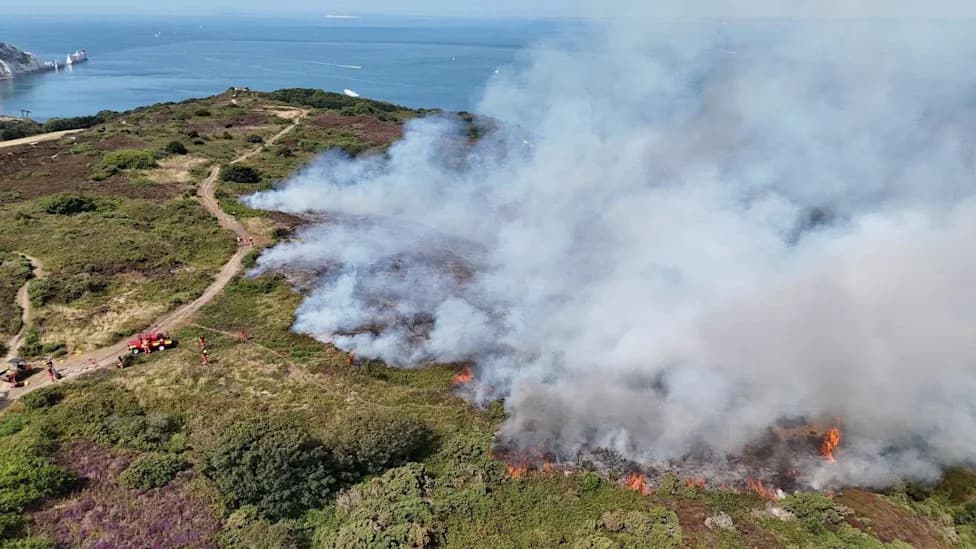
On the west coast, communities are already experimenting with locally organised wildfire response. In Fort Nelson, British Columbia, wildfire researcher Sonja Leverkus helped form the Northeast BC Rural Incident Management Team and has trained more than 400 people over three years. Her largely Indigenous group runs prescribed (hazard-reduction) burns, extinguishes smaller fires before they grow, and teaches structural protection techniques to shield buildings from embers.
"There are not enough human beings in Canada," Leverkus said, arguing that with proper training local teams can fill critical gaps while provincial crews prioritize larger population centres.
The group purchased fire wagons through fundraising and grants and sometimes arrives ahead of provincial crews, later working in tandem with them. When a major wildfire struck Fort Nelson in 2024, Leverkus and roughly 40 team members stayed and were later contracted by the province to clear fuels and support suppression work.
Tension With Evacuation Policy
Officials warn staying can endanger lives and complicate firefighting. British Columbia's emergency management minister has repeatedly urged people under evacuation orders to leave, noting responders may not be able to return for rescues during fast-moving events. Paul Kovacs, director of the Catastrophic Loss Reduction Institute at the University of Western Ontario, said Canada maintains a strong evacuation-first approach because preservation of life must come first.
At the same time, authorities acknowledge the value of local knowledge. BC's Ministry of Forests says self-organised rural groups can be hired temporarily by the province during active wildfires if provincial firefighters are unavailable. The ministry also notes BC Wildfire's full-time staff has increased by 56% in recent years, alongside seasonal hires.
Balancing Safety and Local Capability
Leverkus is seeking formal recognition for her training programme so volunteers can assist without risking penalties for staying behind. Her courses emphasize safety: participants learn to predict fire behaviour, conduct structural protection, run prescribed burns, and map at least two escape routes. Those who choose to stay operate under trained commanders and are taught when to withdraw.
Wigwas says he will contest the evacuation fine in court. "If the chief and council want to charge me for saving my house, and I end up with nowhere to live, I might as well be in jail," he said.
The debate highlights a difficult trade-off for fire-prone countries: how to protect lives and property when climate change drives more frequent, intense fires and when remote communities face long delays for external help. Local training and formalized partnerships could offer a middle path — improving community resilience while keeping evacuation and life-safety protocols central.
Help us improve.