Officials are warning Gulf Coast beachgoers after a rise in Vibrio vulnificus infections this summer. Louisiana has confirmed nine cases with five deaths so far this year; Florida has reported 14 cases and two deaths. Vibrio thrives in warm, brackish waters between May and October; high‑risk people should avoid exposure to raw shellfish and seek immediate care for wounds or symptoms.
Deadly 'Flesh‑Eating' Vibrio Surge: Gulf Coast Officials Urge Caution for Beachgoers
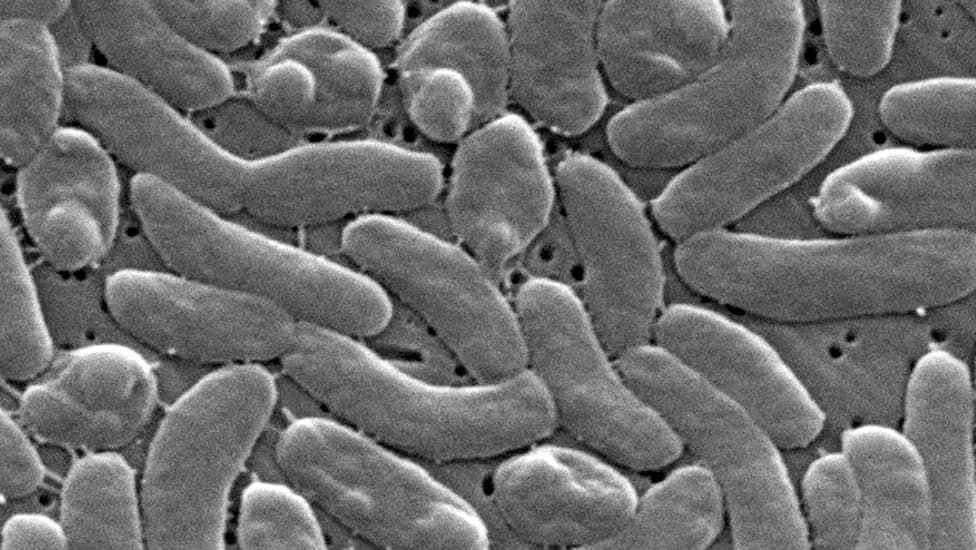
Health officials urge caution for Gulf Coast beachgoers during surge of deadly bacterial infections
Health officials along the Gulf Coast are warning beachgoers to take extra precautions after a summertime surge in infections from Vibrio vulnificus, a potentially fatal bacterium that thrives in warm, brackish coastal waters.
Recent Cases and Trends
Louisiana health officials reported nine confirmed cases of Vibrio vulnificus this year; all nine patients were hospitalized and five have died. By comparison, the state averaged seven cases and one death during the same period over the past decade. Florida — which typically records the most cases nationwide — has reported 14 infections and two deaths so far this year, compared with 33 cases and five deaths statewide last year.
Why Cases Are Rising
Vibrio bacteria flourish in seawater and in the brackish mix of fresh and salt water found in estuaries and lagoons. Most infections occur between May and October, and the Gulf Coast’s combination of salinity and warmth creates ideal conditions for the organism to multiply. Researchers also link warming coastal waters to a northward spread of cases; a 2023 study estimated the northernmost reported case has shifted roughly 30 miles per year.
How People Become Infected
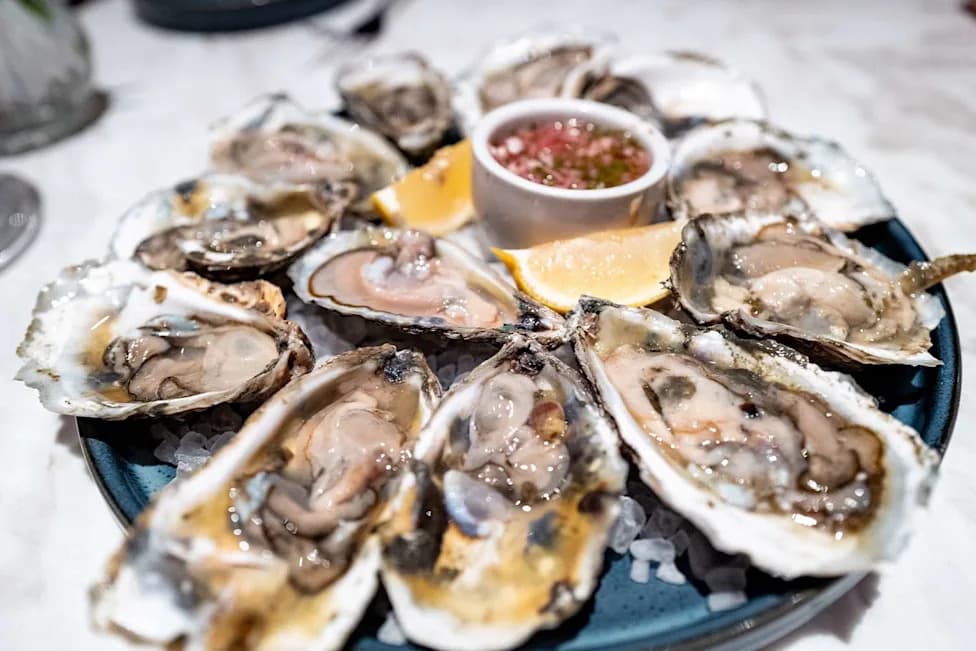
Infections occur in two main ways: by eating raw or undercooked shellfish — especially oysters — and when Vibrio enters the body through small breaks in the skin while people are in ocean or brackish water. The most dangerous strain, Vibrio vulnificus, can cause severe, rapidly progressing infections; the Centers for Disease Control and Prevention (CDC) estimates that as many as 1 in 5 infections from this strain are fatal.
Who Is Most At Risk
Severe cases are more common in older adults and people with weakened immune systems, liver disease, diabetes or other chronic conditions. Open cuts, recent piercings or tattoos, and recent surgical incisions provide entry points for the bacteria.
Prevention and When To Seek Care
"Seek medical care immediately if a wound exposed to brackish or salt water becomes red, swollen, painful, warm or discolored. Tell the health care provider about the water exposure," officials advised.
The CDC recommends washing cuts and scrapes thoroughly with soap and clean running water after contact with coastal waters or raw seafood. Seek prompt medical attention for symptoms such as fever, chills, or hot red areas on the skin that darken and form blisters.
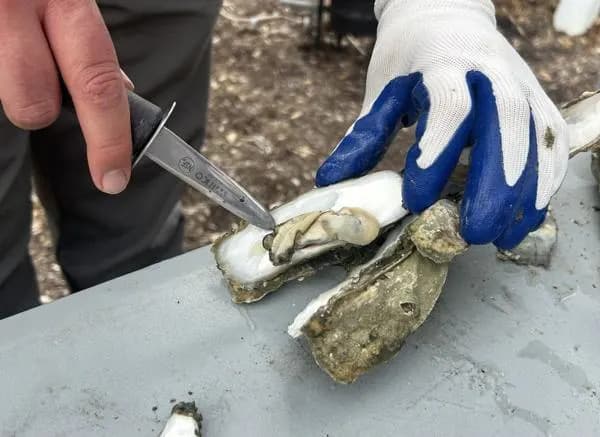
Because contamination cannot be detected by sight, oysters are a particular risk. People should wash their hands with soap and water after handling raw shellfish. Those at higher risk of infection should wear protective gloves when handling raw shellfish. Health officials also advise following cooking instructions for clams, mussels and other shellfish and discarding any shellfish with open shells before boiling or steaming.
Key Takeaway
Beachgoers and seafood consumers along the Gulf Coast should be vigilant this season: take precautions with wounds, handle and cook shellfish safely, and seek immediate medical care for suspicious symptoms.
Help us improve.