The Senate voted 61-32 to delay enforcement of a federal ban on hemp products with more than 0.4 mg of THC, moving the date from Nov. 12 to Dec. 11 to allow Congress time to craft regulations. Supporters, including Sen. Amy Klobuchar, said the pause protects jobs in a roughly $28 billion industry and allows for targeted safety rules. Opponents such as Sen. Ted Budd argue the products threaten public safety and vowed to continue pushing for the ban. Industry groups welcomed the reprieve and urged lawmakers to set potency caps, age limits and bans on inhalables and synthetic cannabinoids. The delay still needs House approval when lawmakers consider funding legislation in September.
Senate Pushes Federal Hemp THC Ban Back To Dec. 11, Buying Time For Regulation
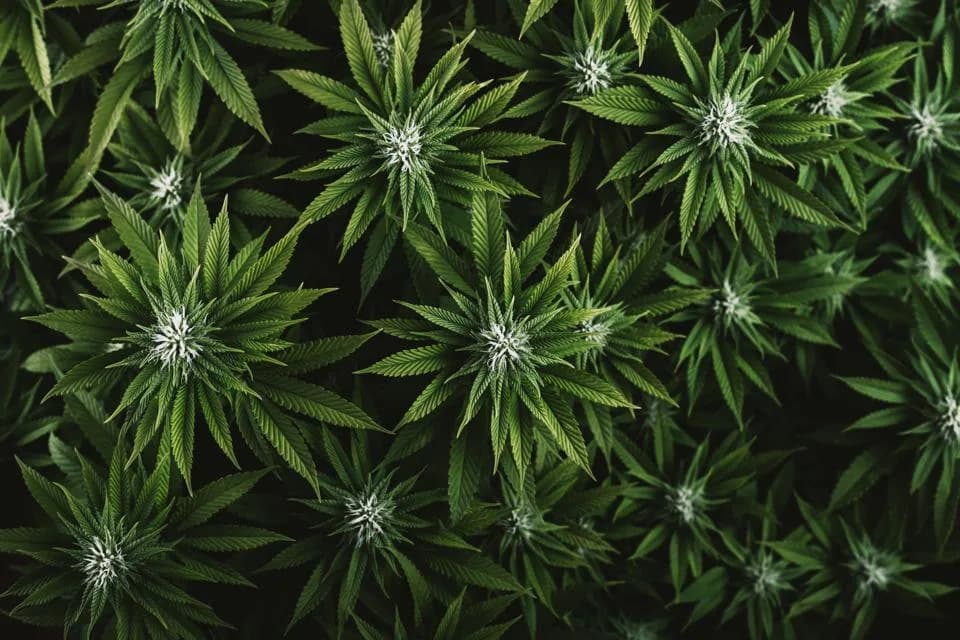
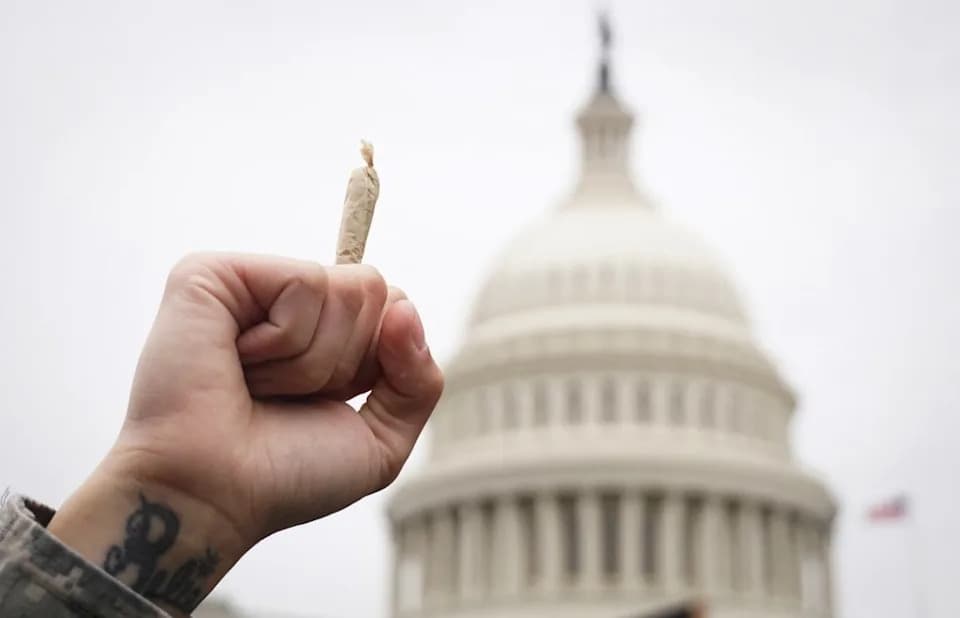
The Senate voted to delay a federal ban on hemp THC products until December, giving lawmakers more time to develop regulations for the industry.getty
The U.S. Senate voted Saturday to delay the enforcement of a federal prohibition on hemp products containing intoxicating levels of THC, moving the effective date from Nov. 12 to Dec. 11 as part of a continuing resolution to fund the government. Lawmakers said the one-month pause will give Congress time to draft targeted regulations instead of imposing a broad ban that could harm farmers, small businesses and a growing industry.
Key Vote And What It Means
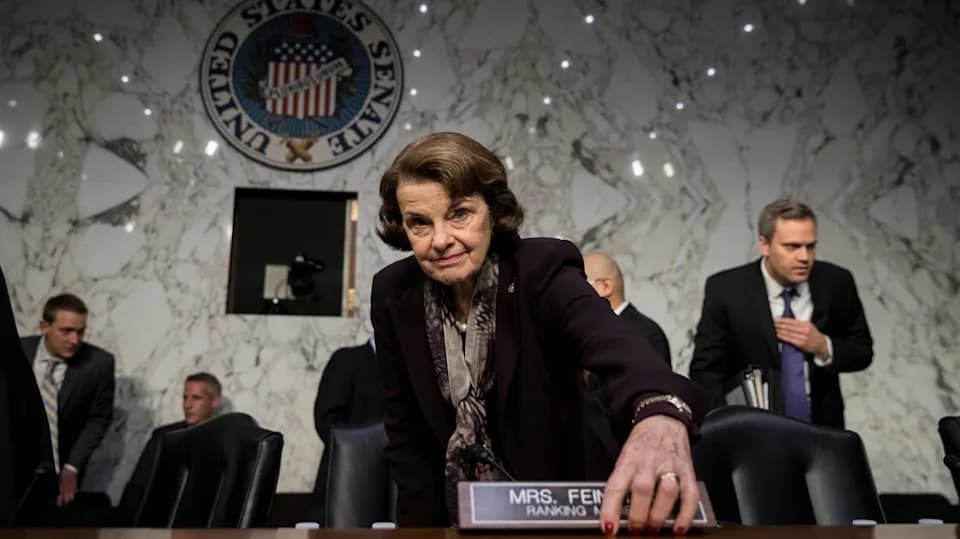
The Senate voted 61-32 to table an amendment from Republican Sen. Ted Budd of North Carolina that would have left the original Nov. 12 start date intact. By tabling Budd’s proposal, senators preserved language in the continuing resolution that delays the prohibition for 30 days.
Positions From Lawmakers
Supporters of the delay—including Sen. Amy Klobuchar (D-Minn.) who moved to table the amendment—argued the pause protects jobs and gives regulators time to craft sensible rules. "Good news: The Senate voted to reject an attempt to strip the hemp ban delay out of the funding bill," Klobuchar wrote on X. "A federal hemp ban would wipe out thousands of Minnesota jobs. Our farmers and small businesses are already following strong safety rules — a one-size-fits-all federal ban ignores that. This buys us time, and I'm not done fighting."
Opponents, led by Sen. Budd, said the products pose a public-safety risk—especially to children—and vowed to continue pushing for the prohibition. After the vote, Budd wrote on social media that he was "disappointed" the Senate had chosen to protect an industry he called dangerous and marketed toward youth.
Industry Response And Next Steps
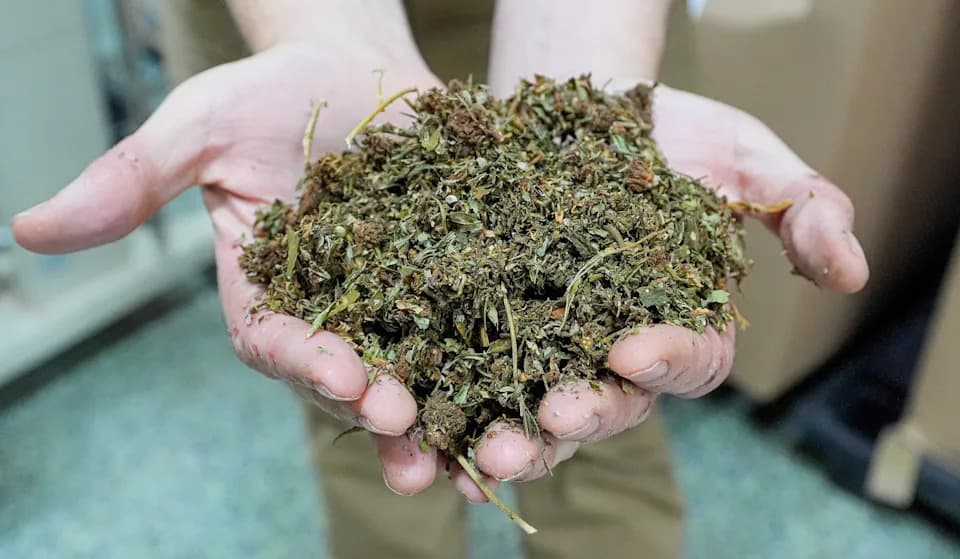
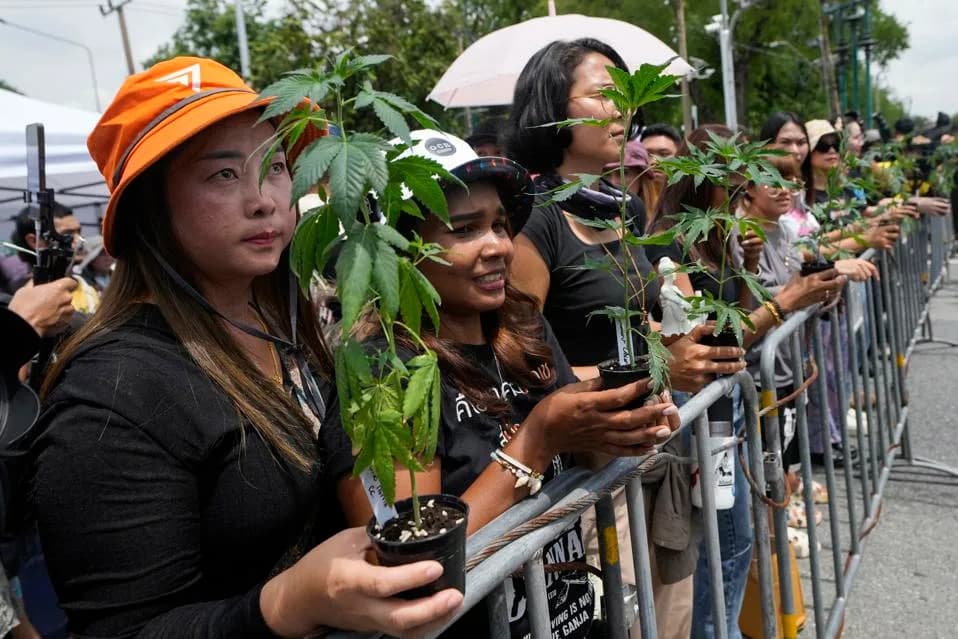
Industry groups and hemp-product makers welcomed the temporary reprieve. Advocates note Congress agreed last year to ban hemp products containing more than 0.4 milligrams of THC or other intoxicating cannabinoids, and they warn a strict enforcement date could jeopardize an industry they value at roughly $28 billion a year. Many hemp-derived products—such as full-spectrum CBD and low-dose hemp THC beverages—have become increasingly popular since the 2018 Farm Bill legalized hemp cultivation.
"The next chapter begins today. The Hemp Beverage Alliance stands ready to work with Congress, the White House and stakeholders throughout the country to pass federal legislation that is strong, sensible, reliable, and prioritizes public safety," said Christopher Lackner, founder and president of the trade group.
Jake Bullock, co-founder and CEO of hemp beverage company CANN, urged lawmakers to use the delay to adopt a regulatory framework that could include THC potency caps, sales restricted to adults 21 and older, bans on inhalable products and synthetic cannabinoids, and other public-health protections. He noted the Senate action still requires House approval when lawmakers consider funding legislation in September.
Why It Matters
The delay gives stakeholders a narrow window to negotiate rules that balance consumer safety with the economic interests of farmers and manufacturers. Whether Congress will produce a detailed regulatory regime by Dec. 11—or extend the pause further—remains uncertain and will be shaped by negotiations over the coming weeks.
Help us improve.