On Sept. 30, 2026, the Senate failed to advance the Stop Insider Trading Act, falling 7 votes short of the 60 needed. The bill would have banned new purchases of individual stocks by members of Congress, their spouses and dependents while allowing existing holdings to remain with a 7–14 day notice before sales. A voter-photo ID rider attached by House Republicans proved decisive, and critics say current disclosures—broad dollar ranges reported weeks after trades—are too delayed and vague to prevent conflicts of interest. Lawmakers may try again with a version stripped of the ID provision.
Senate Blocks Ban On New Congressional Stock Purchases After Voter ID Rider Dooms Bill
Drew Angerer / Getty Images
On September 30, 2026, the Senate fell short of the 60 votes needed to advance the Stop Insider Trading Act, voting 53–47 against cloture. The vote preserves the current disclosure-based system, under which lawmakers may buy and sell individual stocks so long as they later report those trades in broad dollar ranges.
What the Bill Would Have Done
The Senate version, sponsored by Senators Pete Ricketts (R‑Neb.) and Jon Husted (R‑Ohio), would have barred members of Congress, their spouses and dependent children from making new purchases of individual company shares. Existing holdings could have been retained, but lawmakers would have been required to give public notice 7 to 14 days before selling those positions.
Penalties for violations would have been the greater of a fixed monetary amount or 10% of the trade plus any net gains. Widely held funds—mutual funds and ETFs—would have been exempt, leaving diversified fund holdings untouched.
Why the Measure Failed
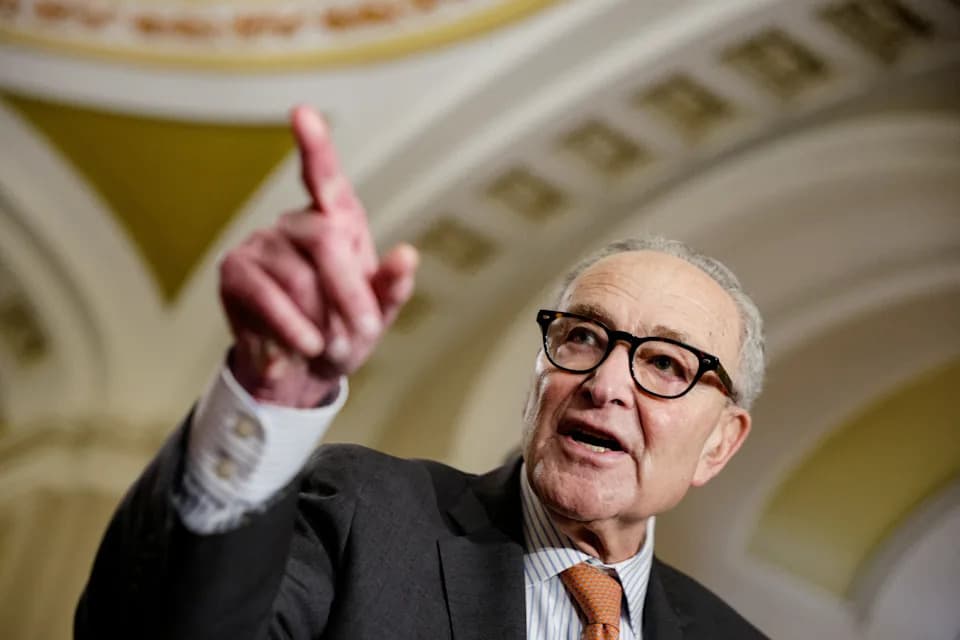
The Senate effort collapsed after House Republicans attached a voter photo ID requirement to the bill. Democrats labeled the addition a "poison pill," and the debate split largely along party lines. Senate Majority Leader Chuck Schumer called the proposal "as ineffective as a screen door on a submarine" and warned it amounted to "a permission slip for corruption, not a stock-trading ban." Senator John Thune, speaking for Republicans, accused Democrats of refusing to accept bipartisan reforms.
Disclosure Limits and the Kevin Hern Filing
Under current rules, members report trades in wide dollar ranges, and reports often appear weeks after the transactions close—timing that critics say makes the disclosures ineffective as a market signal. A House filing from Representative Kevin Hern, dated September 25, 2026, reported transactions executed between August 27 and September 15, 2026. The filing disclosed partial sales of Devon Energy (NYSE: DVN) and Exxon Mobil (NYSE: XOM) in the $100,001–$250,000 range, along with smaller transactions across joint accounts, dependent-child accounts, an IRA and a family foundation.
Why that matters: The filings reveal which securities changed hands and offer rough dollar bands, but they do not disclose exact sizes, execution prices or motives. Because disclosures arrive after the trades and use broad ranges, they provide a delayed and blurred signal for investors.
Reaction and Next Steps
Proponents of the ban argue it would reduce conflicts of interest and strengthen public trust. Opponents say the Senate bill’s limits were too weak or that unrelated riders—like the voter ID provision—made passage impossible. Observers note both chambers have shown support for restricting lawmakers’ trades at some point, so a future, stripped-down Senate bill could still reach the floor. If a cleaned-up version fails to reach 60 votes, that would indicate deeper disagreement over the substance of trading limits, not just procedural objections.
One public tracker lists more than 1,000 recent congressional trade records, but the combination of reporting lag, broad ranges and mixed motives (tax planning, rebalancing, estate planning, etc.) weakens their usefulness for timely investment decisions. Representative Hern’s filing—weighted toward sales of large, familiar energy companies—illustrates how disclosures often confirm holdings in widely held names rather than offering clear buy or sell signals.
If you believe there are errors or would like to suggest corrections, contact [email protected].
Help us improve.