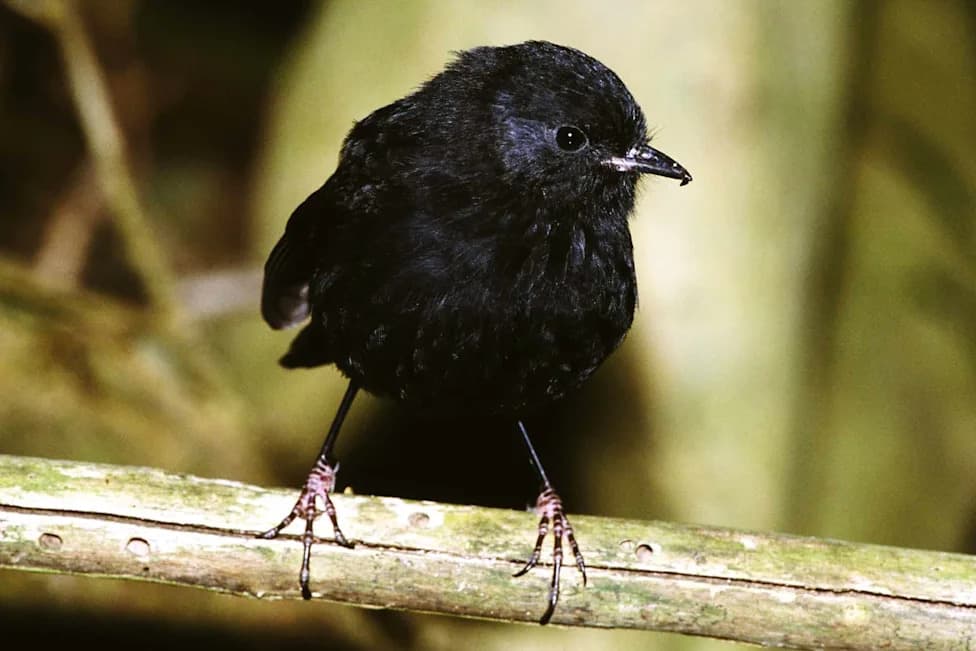
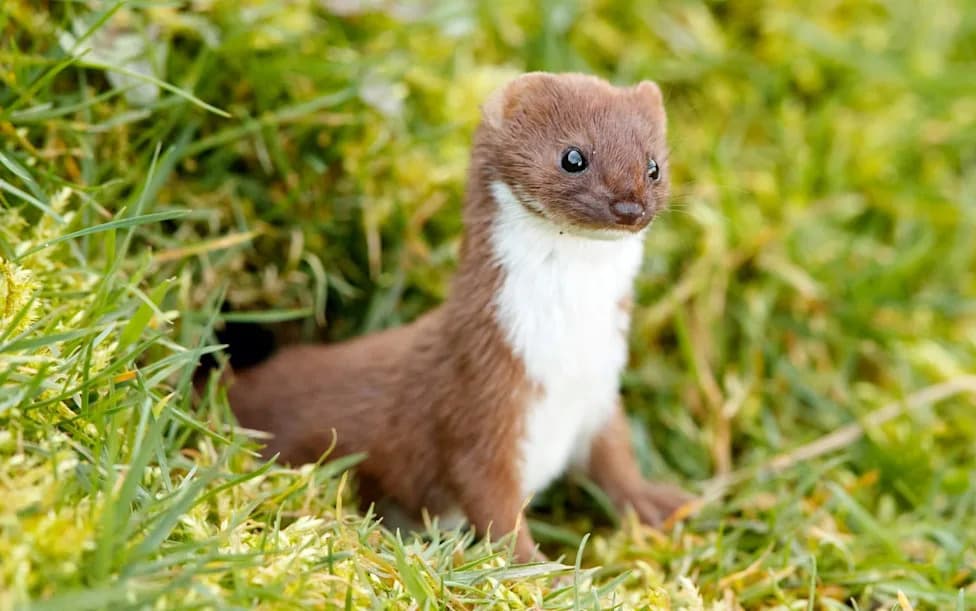
The long-elusive feral cat known as "Nine Lives" was captured on July 30 after three years of evading trappers on New Zealand's Purerua Peninsula. The cat was suspected of killing dozens of pāteke (brown teal), kiwi chicks and native geckos and may have been responsible for roughly 1% of the pāteke population. After baiting and remote monitoring, trappers captured and humanely shot the animal; researchers will examine its stomach contents and the body will be taxidermied for education. The government plans to include feral cats in the Predator-Free 2050 strategy, which could support future pāteke reintroductions if protections continue.
'Nine Lives' Finally Caught: Feral Cat Linked to Dozens of Rare Duck Deaths Captured After Three-Year Hunt
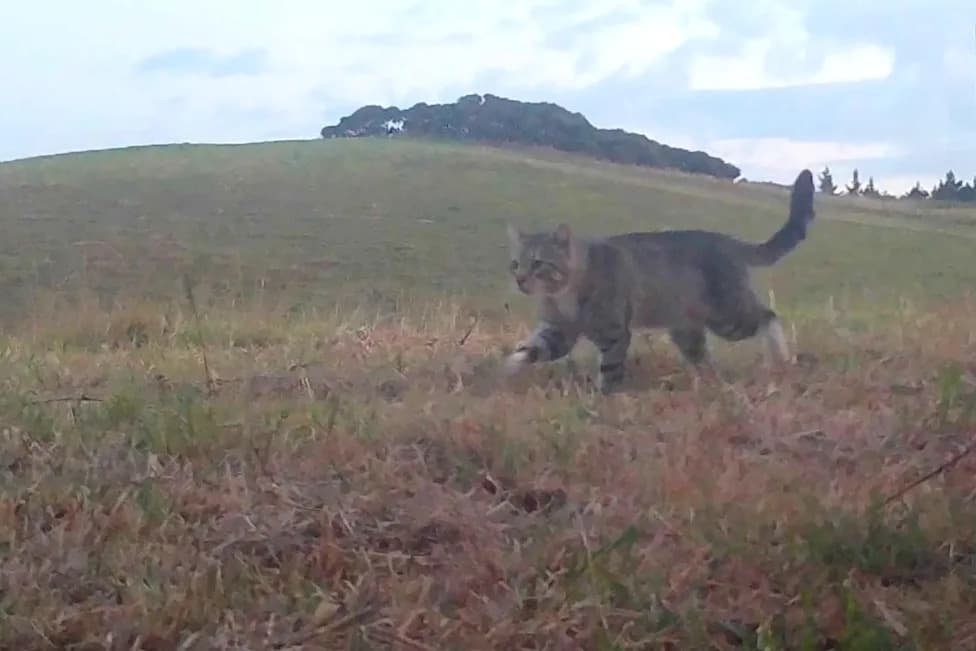
Photo Credit: Pest Free Purerua
After three years of eluding trappers on New Zealand's Purerua Peninsula, a feral cat long suspected of killing rare native wildlife has been captured, bringing relief to local conservationists.
The large grey tabby, known locally as "Nine Lives," drew sustained attention after conservation teams from Pest Free Purerua linked it to repeated killings of pāteke (brown teal), kiwi chicks, native geckos and other fauna on the peninsula.
Andy Mentor, project manager for Pest Free Purerua, said the problem began in 2023 when 20 pāteke were first released into the area. "But within a week we had our first death. We put up some cameras, and we identified a particular cat with specific markings," Mentor said. The losses continued: another 15 birds were killed, and when more pāteke were released in 2024 the same cat was blamed for killing 15 of those 20.
Mentor described the animal's behaviour as erratic: "It would show up in a particular place and then not show up for another two or three months." Conservationists estimate that the cat's alleged attacks accounted for roughly 1% of the entire pāteke population — a significant toll for New Zealand's rarest mainland duck.
How the Capture Unfolded
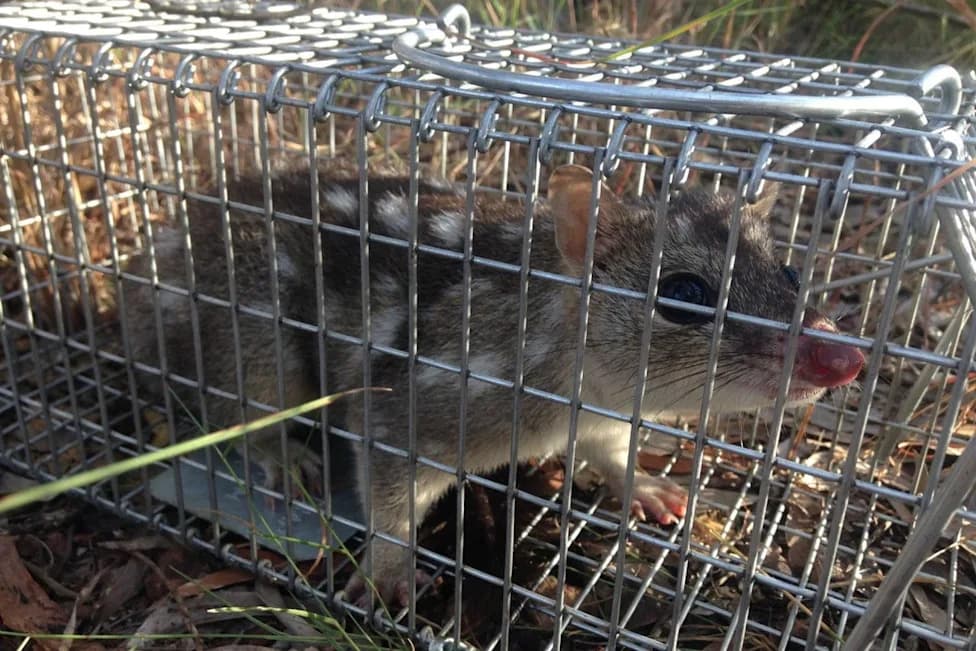
After years of monitoring with cameras, traps and bait, trappers noted the cat returning to the same quarry on three consecutive nights. The team set baits — salmon, fried chicken and rabbit — and a remote camera alert indicated the animal had entered a cage.
"We dispatched our trappers to check it out, and there it was. So it was humanely shot," Mentor said.
Researchers plan to examine the animal's stomach contents to better understand what it had been eating and to confirm the extent of its impact on local wildlife. The body is also expected to be taxidermied and used in community education to illustrate the damage feral cats can inflict on native species.
Broader Context
The case highlights a broader conservation challenge in New Zealand, where an estimated 2.5 million feral cats roam mainland and offshore habitats, preying on birds, reptiles and other animals that evolved with few mammalian predators. The New Zealand Government said feral cats will be included in the Predator-Free 2050 strategy, a policy shift Pest Free Purerua described as a "real step up" from simple suppression efforts.
If protections and control measures remain in place, the local team may consider reintroducing pāteke to the peninsula in future. Mentor emphasized the difficulty of the operation and the mixed feelings in the community: "We don't take for granted that we've had this success because it had us baffled for so long," he said, adding that "Nine Lives needs to be given a certain amount of dignity and respect." Some residents expressed upset that the animal was killed, while others called the capture a major conservation victory.
Whatever the public reaction, the episode underscores the complex ethical and practical trade-offs involved in protecting vulnerable native species from invasive predators.
Help us improve.