Bluetongue cases have surged across southwest England, with 265 farms in England now affected and particularly high numbers in Devon and Cornwall. Veterinary practices report their workload is dominated by testing and responding to suspected infections, and farmers describe the situation as worrying and vulnerable. The disease, spread by midges, can cause serious illness, birth defects and deaths in livestock but does not threaten human health. Authorities urge vigilance and say vaccination is the most effective protection.
Bluetongue Surge Overwhelms Vets as Cases Spike Across Southwest England
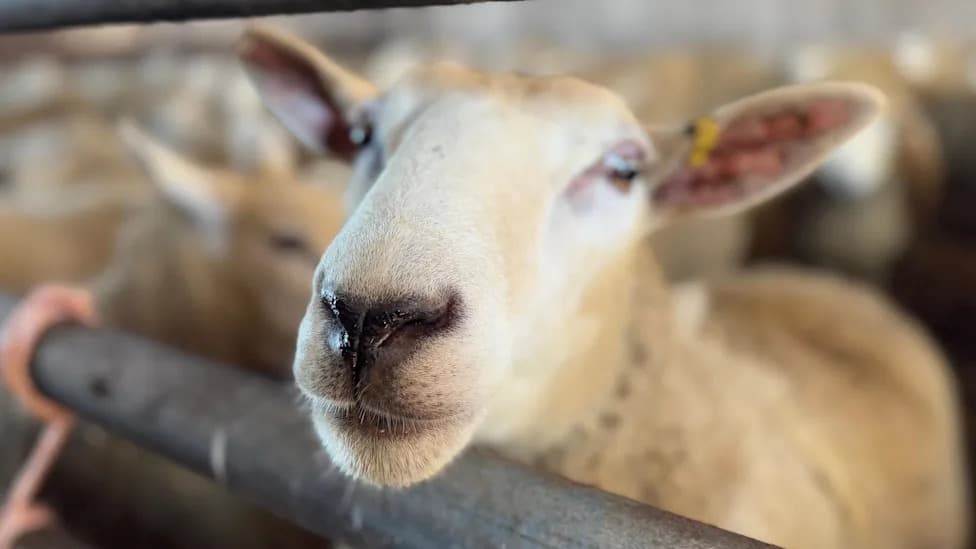
Vets are dealing with a continued rise in cases across Devon and Cornwall [BBC]
Vets and farmers in southwest England are facing a sharp rise in bluetongue cases that has left veterinary teams stretched and many keepers feeling vulnerable. Latest government figures show 265 farms across England have reported the disease, including 153 in Devon and 55 in Cornwall. On a single recent reporting day, 120 farms in Devon and 41 in Cornwall recorded new cases.
Veterinary services under pressure. Matilda Herridge-Nowell of Penbode Farm Vets in north Devon said the practice’s workload is now dominated by bluetongue:
"Pretty much all we are doing as a team of vets at the moment is taking bluetongue calls, going on bluetongue visits to sample."
She added that most of her clients either have confirmed infections or suspect they do, and described the situation as "out of control at the moment."
What Is Bluetongue?
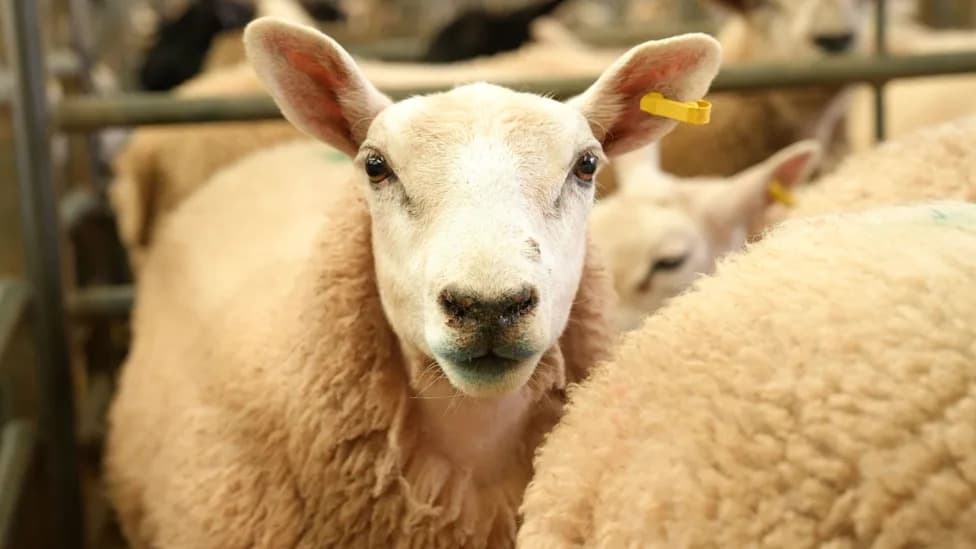
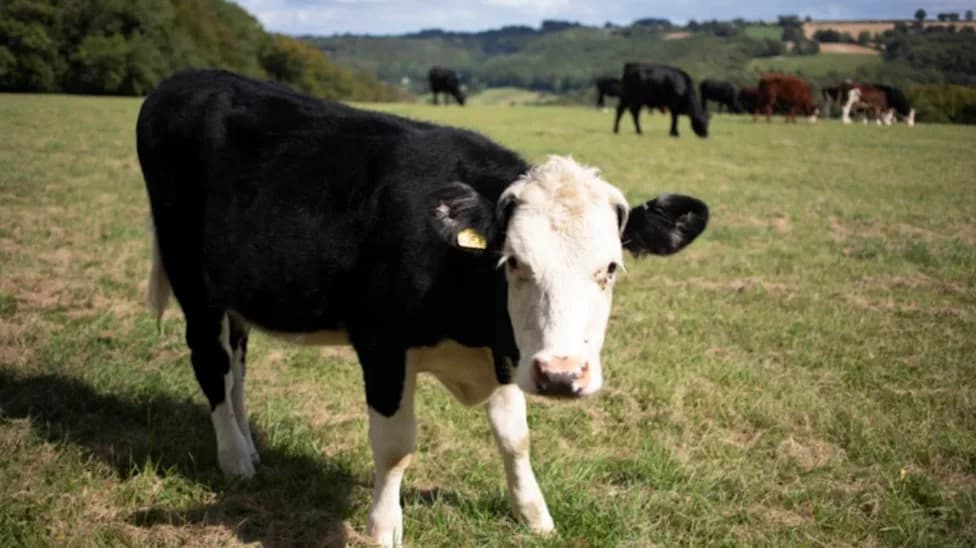
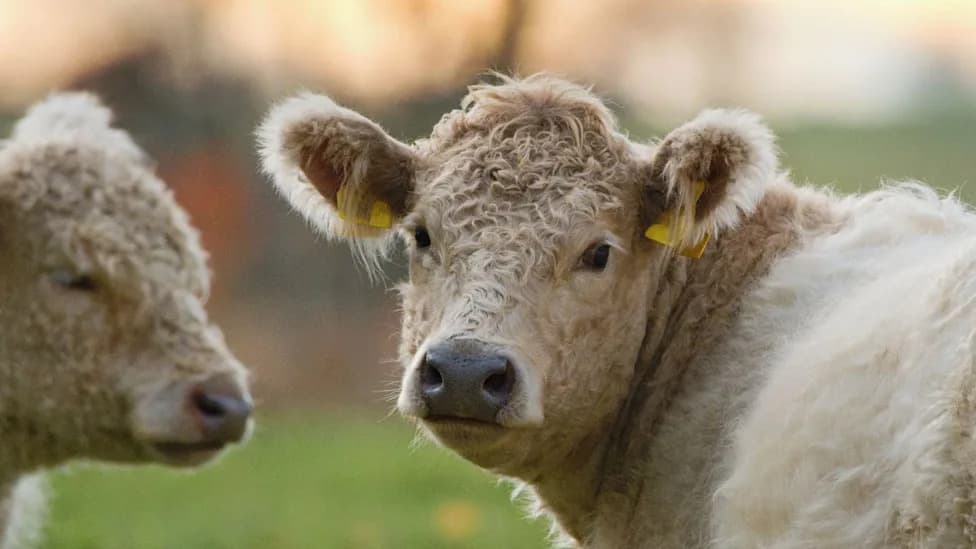
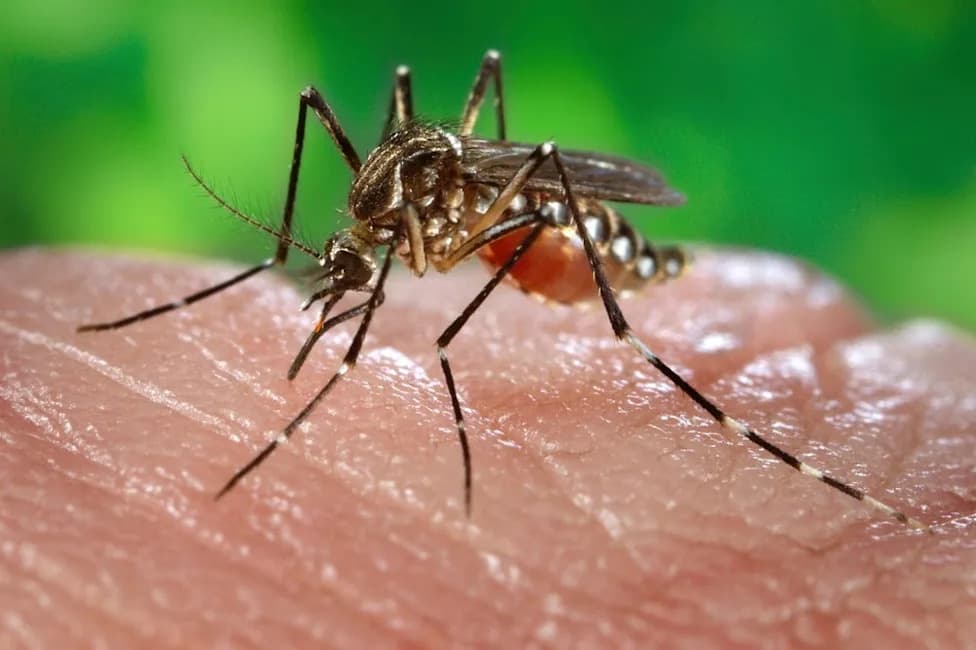
Bluetongue is a viral disease spread by biting midges. It affects ruminants such as sheep and cattle and can cause lethargy, lameness, reduced appetite, and in pregnant animals may lead to spontaneous abortions or congenital defects. The disease can be fatal in some animals but poses no direct threat to human health or to the safety of food from infected livestock.
Farmers' Concerns
"It is heartbreaking to realise we are in an incredibly vulnerable situation where only Mother Nature has the steering wheel,"
— Maria Warne Elston, Cornwall farmer
Farmers report fear of rapid spread by midges and say sheep can be particularly hard hit. Many keepers describe the emotional and practical strain of caring for sick animals and managing losses.
Official Advice and Response
An Animal and Plant Health Agency (APHA) spokesperson said the recent hot weather has been favourable for midge populations and likely contributed to the rise in cases, particularly in sheep and cattle. APHA and the Department for Environment, Food & Rural Affairs (Defra) urge livestock keepers to remain vigilant, report suspicions of disease, and discuss vaccination with their veterinary surgeon.
Vaccination is currently the most effective control measure. Both APHA and Defra emphasise that vaccination can help protect animals and reduce spread. Authorities say they are monitoring the situation closely and working with industry representatives to keep keepers informed and to address concerns promptly.
Practical Steps for Keepers
- Report any suspected cases to APHA promptly.
- Discuss vaccination options and timing with your vet—vaccination is the primary protective measure available.
- Reduce midge exposure where possible (housing at dawn/dusk, fans, screens) and monitor animals closely for signs of illness.
For local developments and support, keepers are encouraged to follow updates from APHA and Defra and to stay in contact with their veterinary teams.
Help us improve.