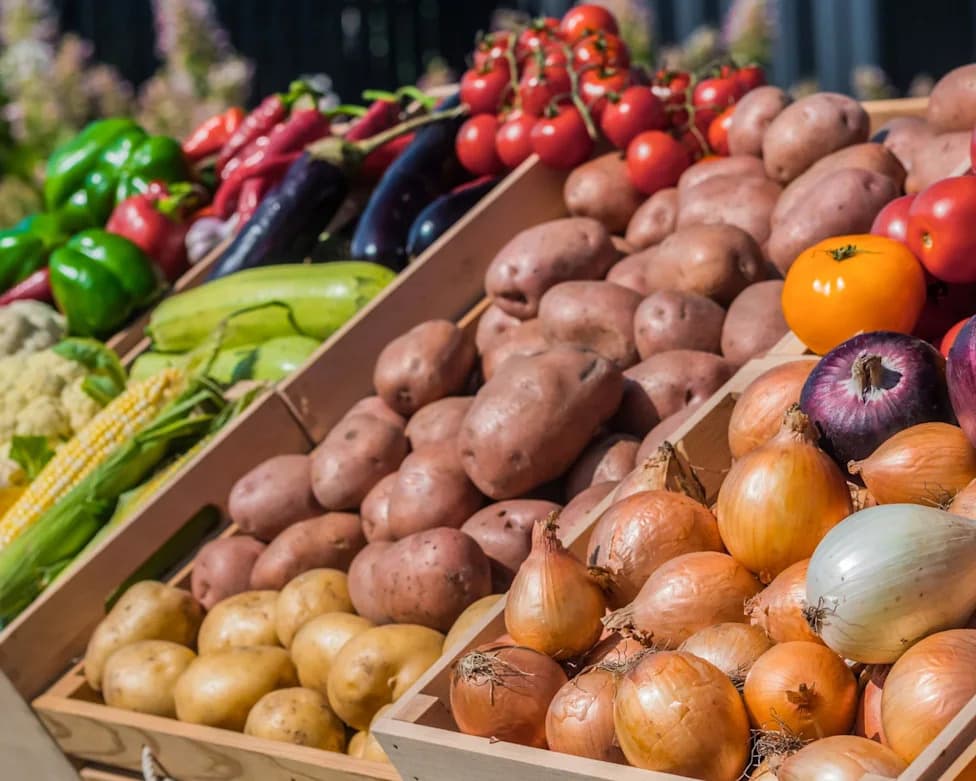
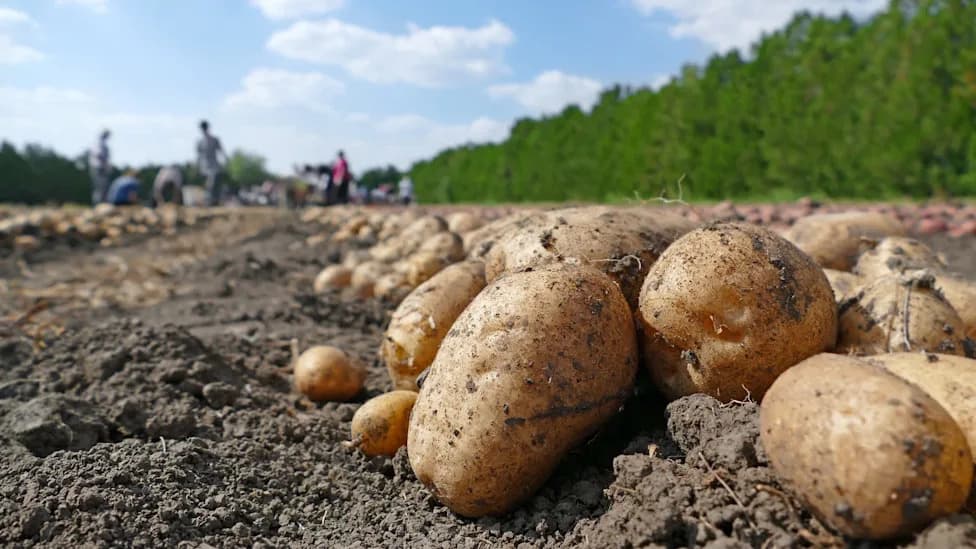
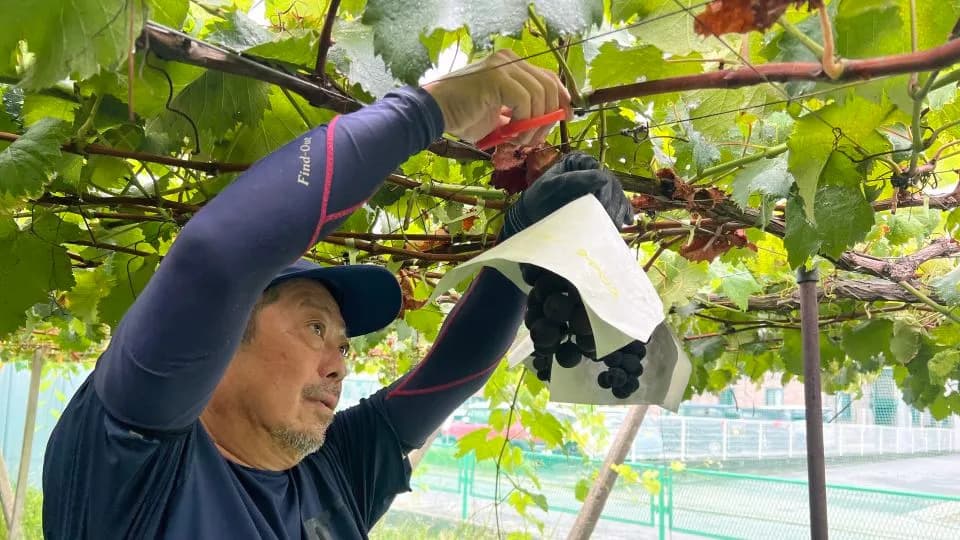
The world is losing both the amount and the variety of vegetables people eat: global consumption is roughly 40% below recommendations, and vegetable biodiversity is declining. A PNAS study led by Maarten van Zonneveld finds that many nutrient-dense, climate-resilient vegetables are underused and inadequately conserved. The researchers highlight crops such as spider plant, slippery cabbage, bitter gourd and pumpkin as promising candidates for regional diversification and urge investment in conservation, breeding and promotion. At home, gardeners and shoppers can help by growing heirloom varieties, saving seeds and buying from local producers.
Vegetable Diversity Is Disappearing — And It's Harming Our Health
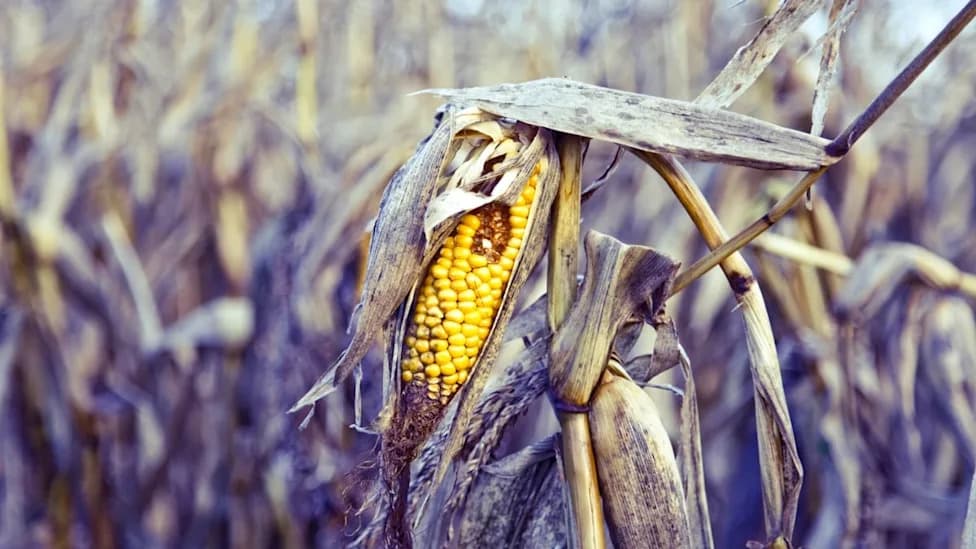
(mr_morton/E+/Getty Images)
Most people around the world eat far fewer vegetables than health guidelines recommend — roughly 40% less — and that shortfall is exacerbated by a steady loss of vegetable varieties. A new paper in the Proceedings of the National Academy of Sciences (PNAS), led by agricultural scientist Maarten van Zonneveld of the World Vegetable Center, argues that protecting and promoting vegetable biodiversity is essential for both human nutrition and climate-resilient food systems.
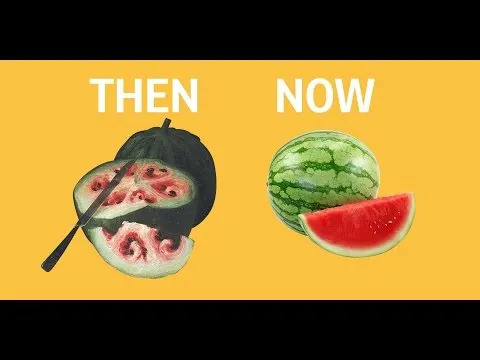
YouTube Thumbnail
Why Vegetable Biodiversity Matters
The study analyzed diversity in the primary edible parts of 79 major vegetable species listed in the FAO’s The Plants That Feed the World (legumes were excluded). The authors found many nutrient-dense, climate-resilient vegetables remain underused and poorly conserved. Losing these species and their wild relatives erodes the range of vitamins and minerals available in diets and reduces crops' ability to adapt to warming, drought and other climate stresses.
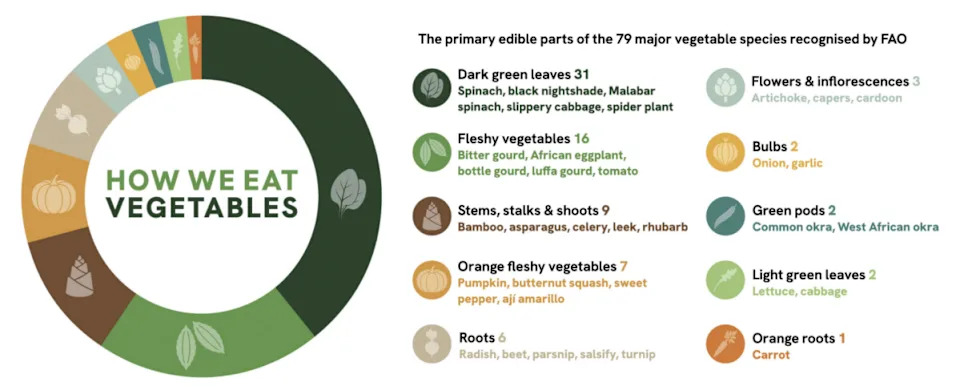
Diversity in the primary edible parts was assessed across the 79 major vegetable species listed in FAO'sThe Plants that Feed the World. Note that legumes are not included here, due to classification. (van Zonneveld et al.,PNAS, 2026)
How We Got Here
Before industrial agriculture, farmers cultivated a much wider array of food plants. Over time, selective breeding, large-scale monocultures, market consolidation and long supply chains narrowed the list of crops that reach supermarket shelves. For example, there are more than 4,000 potato varieties globally, yet only about five to eight varieties dominate production and distribution in the United States.
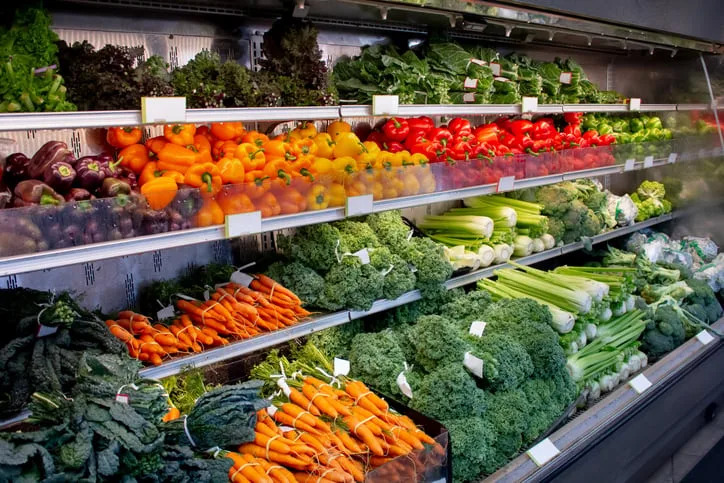
The diversity of vegetables is dwindling. (Photography By Tonelson/iStock/Getty Images Plus)
“The solution isn't simply to grow more vegetables — it's also to grow more kinds of vegetables,” says Maarten van Zonneveld.
At-Risk Genetic Resources
An FAO review cited by the researchers estimates that roughly 24% of the wild relatives of assessed vegetable species are threatened with extinction. When genetic resources are lost or poorly conserved, breeders and farmers lose vital tools to improve yields, disease resistance and tolerance to extreme weather.

Subscribe to ScienceAlert's free fact-checked newsletter
Underused Vegetables With Big Potential
The team highlights several regionally important crops that are nutrient-rich and climate-adapted but under-conserved and under-promoted:
- Spider Plant — a dark-green leafy vegetable grown in parts of Africa; climate resilient and nutrient dense, but poorly represented in gene banks.
- Slippery Cabbage — widely eaten in the Pacific and promising for improving nutrition among women and children.
- Bitter Gourd — popular in Asia and the Caribbean; many wild relatives could help breeding for tropical resilience.
- Pumpkin — drought- and heat-tolerant and rich in beta-carotene, yet its genetic resources remain underutilized.
Practical Steps To Reverse The Trend
The researchers and public-health advocates recommend actions at multiple levels:
- Invest in conservation and gene-bank collections for traditional varieties and wild relatives.
- Support breeding programs that prioritize nutrient density and climate resilience.
- Promote regional diversification initiatives so local crops contribute to healthier diets.
- At the household level, plant heirloom or landrace varieties, save seeds, and shop at farmers' markets or independent grocers to discover and sustain a wider range of vegetables.
Why It Matters Now
Expanding the kinds of vegetables we grow and eat can improve nutrient intake, buffer food systems against climate shocks, and preserve genetic resources for future breeding. The PNAS team calls for coordinated global initiatives to translate local conservation and cultivation into measurable dietary improvements worldwide. Time is limited: many useful species and their wild relatives are poorly conserved and face growing threats.
Source: van Zonneveld et al., Proceedings of the National Academy of Sciences (PNAS), 2026.
Help us improve.