President Masoud Pezeshkian has urged ending Iran's "neither war nor peace" status with the US, saying Tehran is strong and ready to negotiate. Diplomatic talks with Oman aim to reopen the Strait of Hormuz under a plan dividing inbound and outbound traffic management. Tehran conditions reopening on compensation, relief from sanctions and broader political and military concessions listed by Iran's security council.
Pezeshkian Urges End to Iran’s ‘Neither War Nor Peace’ Status as Hormuz Talks Advance
(Al Jazeera)
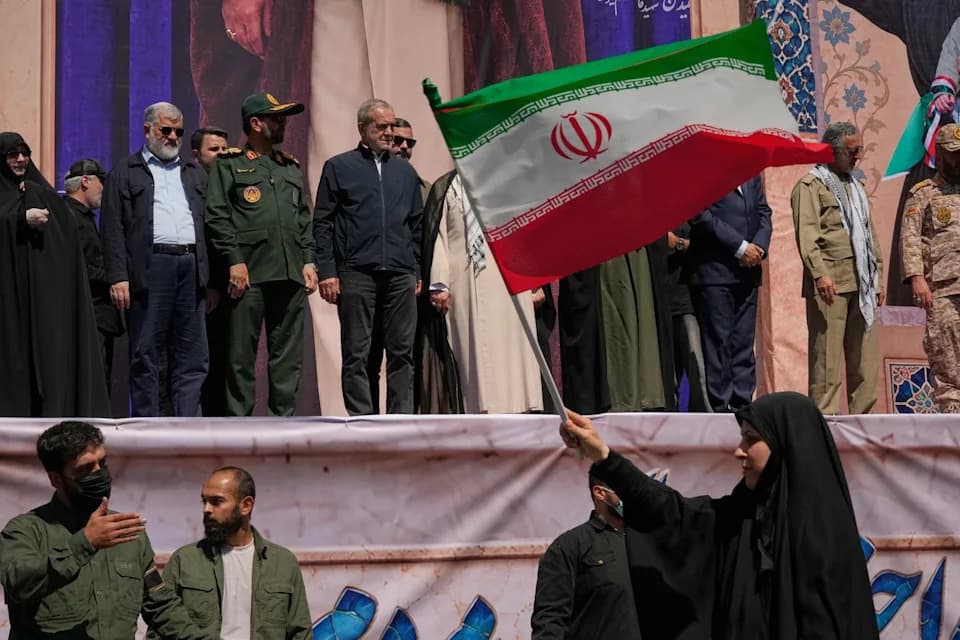
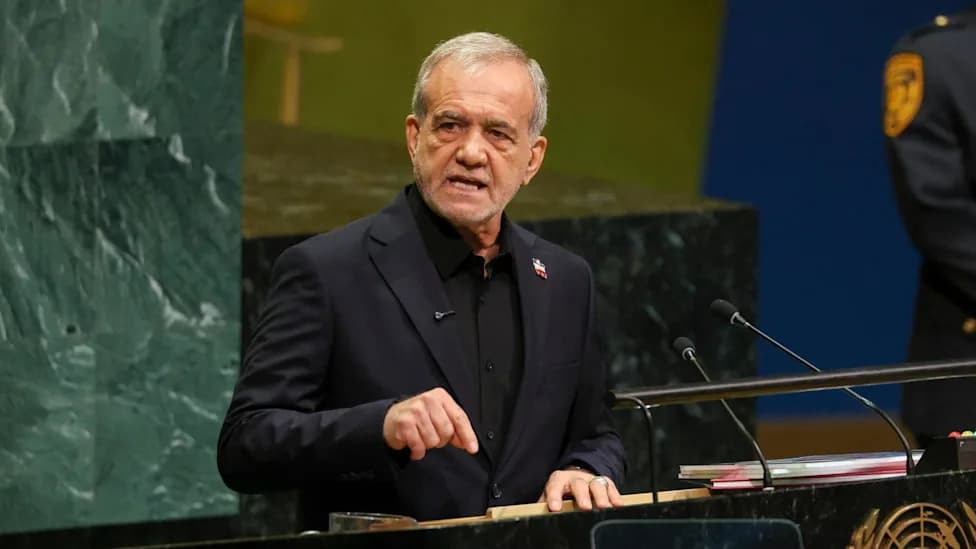
Iranian President Masoud Pezeshkian has publicly urged an end to what he describes as a state of "neither war nor peace" with the United States, saying Tehran is in a position of strength and that now is the right moment to seek a deal. His remarks come as Iran and Oman pursue talks aimed at reopening the strategic Strait of Hormuz.
Why Pezeshkian Is Pushing for a Deal
Pezeshkian told Iranian media that national cohesion and perceived battlefield strength make this the best time to negotiate. He argued that a mechanism should have been established to address violations of any ceasefire or memorandum of understanding (MoU) rather than allowing disputes to escalate.
"There is cohesion, strength and unity in the country... We need to see how to resolve [violations] now, if a solution is possible... God willing, we will reach a point where we can get out of this state of neither war nor peace."
Strait of Hormuz: The Immediate Focus
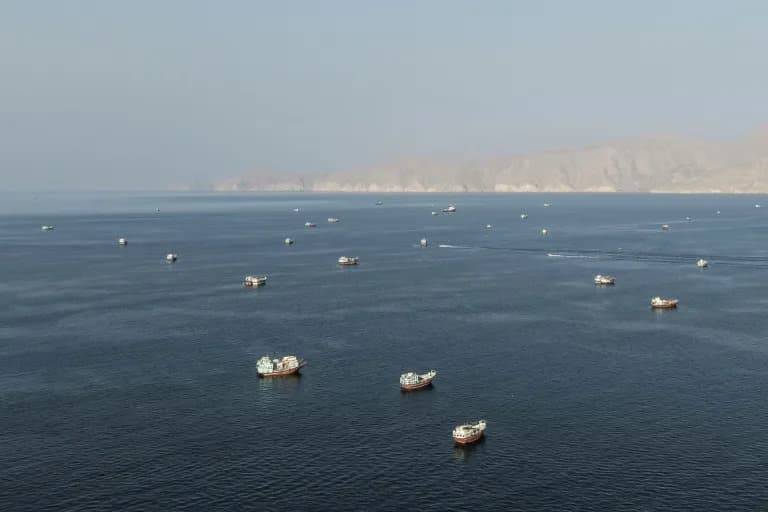
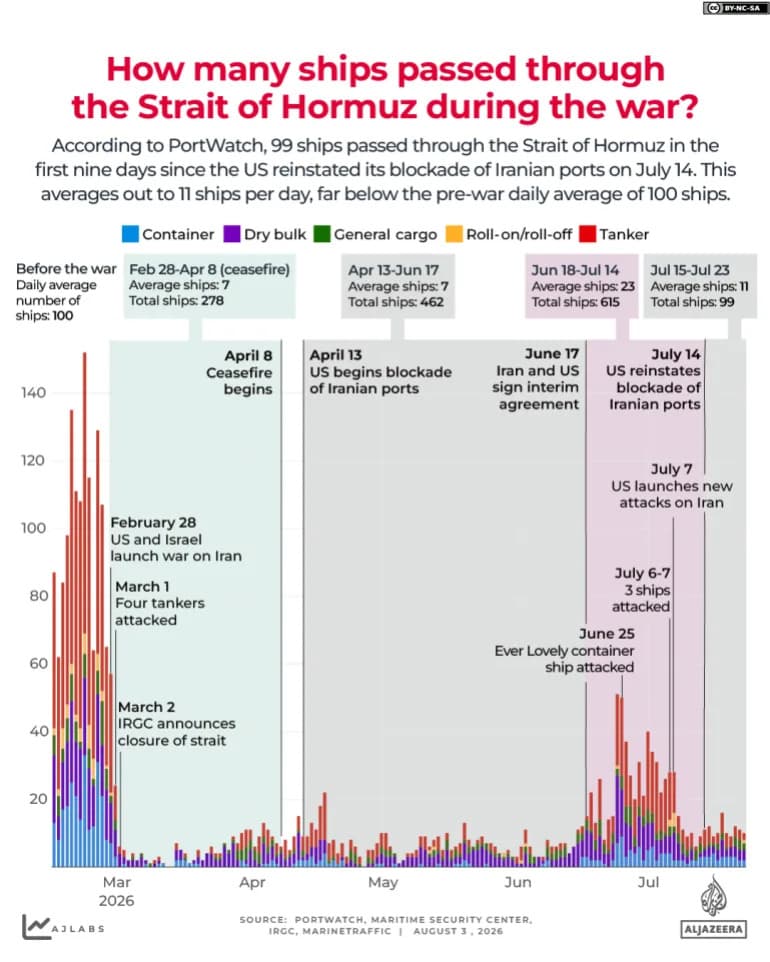
Talks with Oman center on a practical arrangement to resume navigation through the Strait of Hormuz, a vital route through which roughly one-fifth of global oil shipments passed in peacetime. Reports suggest a plan under which Iran would oversee vessels entering the Gulf while Oman would manage outgoing traffic.
Iranian Foreign Minister Abbas Araghchi said discussions about transit and traffic management were "approaching the final stages," but he emphasized reopening the strait is contingent on additional conditions, including compensation for alleged breaches of the June MoU. Araghchi also denied direct talks with Washington, saying contacts have been indirect, via intermediaries.
Conditions and Leverage
Iran's Supreme National Security Council has listed six broader conditions before it will consider reopening Hormuz, including an end to perceived US threats and insults, cessation of attacks on Iran and its allies, withdrawal of US naval and air forces, compensation for war damages, lifting international sanctions, and unconditional release of frozen Iranian assets. These demands tie the fate of the strait to wider political, military and economic issues.
The Islamic Revolutionary Guard Corps (IRGC) echoed that reopening hinges on Washington accepting Iran's conditions, with a spokesperson saying: "Whenever the United States accepts Iran's conditions, the Strait of Hormuz will certainly be reopened."
Regional And International Reactions
Washington opposes arrangements that would give Iran effective unilateral control of the waterway and has objected to proposed fees linked to the plan. From Tehran's perspective, control over shipping is a major bargaining chip: reopening Hormuz without meaningful economic relief would weaken Iran's leverage.
Transit through the strait has dropped markedly as Iran has targeted vessels it says deviate from preferred routes through Iranian waters. The United Kingdom Maritime Trade Operations agency reported a ship was struck by a projectile off Oman in the Strait of Hormuz, causing a fire that was extinguished; responsibility for the attack remained unclear.
Political Signalling
Analyst Negar Mortazavi says Pezeshkian is sending a twofold message: domestically, to bolster officials and factions who favor negotiations; and internationally, to signal Tehran's willingness to negotiate despite grievances over alleged MoU violations. The president’s public stance attempts to counter claims that Iran’s leadership is divided or lacks a coherent policy.
Outlook
The immediate prospects hinge on the outcome of Oman-mediated technical talks and whether Washington is willing to engage — directly or indirectly — on the broader set of Iranian conditions. Even if a temporary shipping arrangement is agreed with Oman, political demands from Iran’s security institutions could complicate or delay implementation.
Key facts: Iran and Oman report progress on shipping routes and a temporary route agreement; Iran links reopening of Hormuz to wider political and economic concessions from the US; talks remain sensitive to domestic Iranian politics and US objections to any arrangement perceived as giving Iran unilateral control.
Help us improve.