Quick take: Recent Pew and Gallup polls show China overtaking the United States in global favorability. The author argues the shift reflects widespread self‑censorship—by Hollywood, media, corporations, and sports leagues—to preserve access to China’s market, producing a sanitized image of China while America’s flaws are aired openly. Restoring independent information flows and resisting commercial coercion is the fastest way to rebalance global perceptions.
We Fed the Dragon — And Lost the Narrative: How Commercial Self‑Censorship Shifted Global Opinion
AP
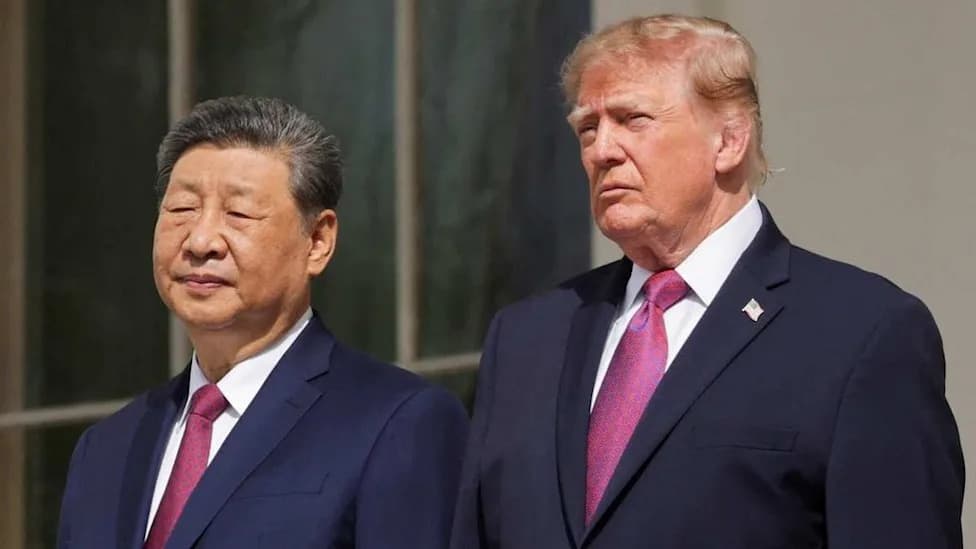
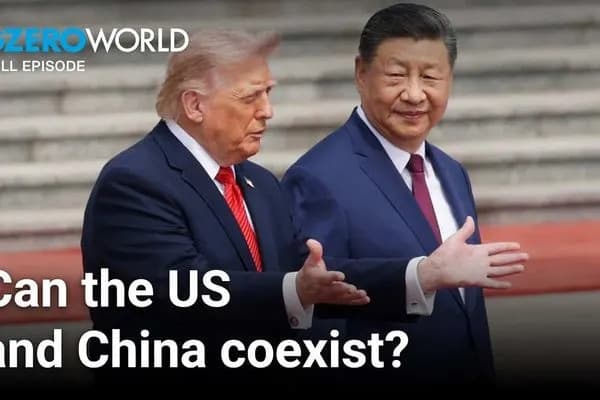
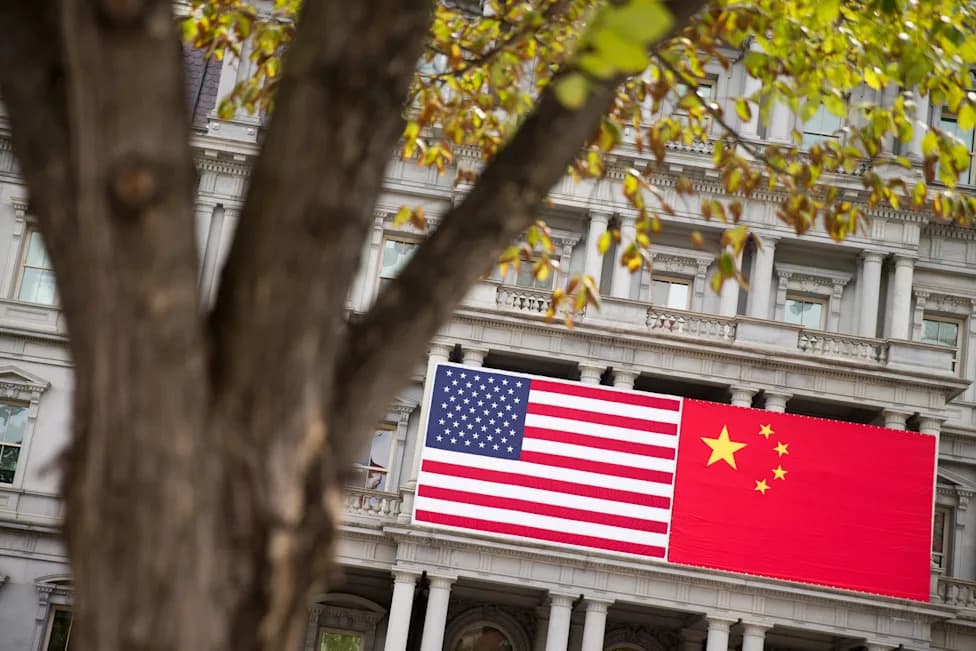
For nearly two decades, Pew Research Center surveys showed the world viewed the United States more favorably than China. That era has ended. In its July 2026 report, Pew found that China now ranks higher in favorability than the United States across most of the 36 countries surveyed. Gallup data from 2025 had already signaled a similar turn, with China’s median approval edging past America’s. Confidence in Xi Jinping now exceeds confidence in Donald Trump in the countries Pew tracks annually.
The Council on Foreign Relations asked why. The answer is both simpler and harsher than many analysts admit: a decades‑long pattern of commercial and cultural self‑censorship that sanitizes China’s image while amplifying America’s flaws.
How Market Access Became Narrative Control
Beijing made its expectations clear: criticize China, depict its political system honestly, or acknowledge Taiwan’s separate status, and you risk losing access to the world’s largest consumer market. The consequence of crossing those lines is often immediate commercial punishment. Hollywood studios, news outlets, corporations, sports leagues, and cultural institutions repeatedly adjusted content or muted criticism to preserve market access. The result is an information environment in which American shortcomings are aired publicly while Chinese shortcomings are routinely softened, omitted, or preemptively edited out.
Examples From Film, Business and Sports
I know this dynamic from the inside. For 17 years I led a studio motion‑picture division that helped open China to Hollywood. We rewrote scripts, shifted settings, and scrubbed content to satisfy Beijing’s censors. The original Looper script would have sent its heroes to France; we relocated that segment to Shanghai and added lines that flatteringly portrayed China. Iron Man 3 included heavy Chinese brand integration and a heroic Chinese scientist. When Red Dawn initially cast China as the invading force, studios re‑shot the film under pressure and replaced the People’s Liberation Army with North Korea. Paramount removed Taiwan and Japan flags from Tom Cruise’s jacket in Top Gun: Maverick—not only for Chinese screens but for worldwide distribution. These were not isolated creative choices; they became the price of admission.
The leverage extends far beyond movies. After Houston Rockets executive Daryl Morey tweeted support for Hong Kong in 2019, the NBA experienced an immediate market freeze that taught players and executives to avoid Beijing’s red lines. Marriott temporarily lost access to Chinese platforms after listing Taiwan and Tibet separately and only regained it after publicly aligning with Beijing’s territorial claims. Consulting firms conducting diligence on Chinese partners have faced raids and restrictions. Corporations and public figures from JP Morgan and Burberry to John Cena and Marco Rubio have learned the same lesson: cross the red lines and the market door can close.
Preemptive Censorship and Its Effects
This is not ordinary sensitivity to local norms. Beijing often demands global narrative control: content is altered not only for Chinese audiences but for global releases. Sensitive topics—human rights abuses, surveillance, contested territories, or critical research—rarely reach production or publication because studios, platforms, and publishers anticipate downstream costs. Journalists and politicians self‑censor for the same reason. The cumulative effect is profound: global audiences receive consistent, detailed airing of America’s problems while China is presented in a carefully curated, often flattering, light.
Generational Consequences: Russia, Then China
A useful contrast is how Western culture depicted Russia for a generation. Americans who came of age in the Cold War grew up with persistent negative portrayals of the Soviet Union and Russia—films, novels, nightly news footage—that created a durable mental image of a gray, repressive society. There was no major Russian consumer market able to veto those portrayals, so the depiction remained consistent.
Reverse that dynamic for China and you see the opposite effect. When I ask my 19‑year‑old children what they picture when they hear "China," the answers are remarkably consistent: clean skylines, high‑speed rail, gleaming malls, rapid economic growth, smiling influencers, and little visible crime. That is the China they have seen in much Western media and commercial imagery. There was never a sustained cultural canon showing China’s harder realities—surveillance, demographic strain, political control—because such portrayals became commercially radioactive.
A Path Forward
The Pew and Gallup trends are not solely a tribute to Chinese soft power or American policy missteps. They are the predictable outcome of an information asymmetry we helped create. Soft power is malleable: public opinion can shift if information flows more freely and unencumbered by market pressure. The fastest way to rebalance perceptions is to stop allowing any foreign government to dictate global narratives by threatening market access.
We fed the dragon for years. It is time to take back the microphone—by protecting editorial independence, resisting commercial coercion, and encouraging sustained, honest storytelling about all powerful states.
About the author: Chris Fenton is a longtime media executive and producer, a USC professor, and the author of Feeding the Dragon: Inside the Trillion Dollar Dilemma Facing Hollywood, the NBA, and American Business. He has advised Congress’ Select Committee on China and is affiliated with the U.S.‑Asia Institute, the Council on Foreign Relations, the National Committee on U.S.‑China Relations, and Third Way. He founded FENTON · International Business Strategy & Communications to advise companies navigating complex global markets. Follow him on X @TheDragonFeeder.
Help us improve.