The administration announced a plan on Aug. 5 to revise and significantly reduce many federal Head Start regulations, proposing a 75-page replacement for parts of a rulebook that spans more than 100 pages. The draft would eliminate several long-standing protections—such as required disability screenings, class-size limits, bus monitors, and a ban on expulsions—while adding new directions on English instruction, nutrition and physical activity. The proposal has prompted bipartisan concern and will undergo a 60-day public comment period and possible legal review.
Administration Proposes Major Rollback Of Head Start Rules, Drawing Bipartisan Concern

Teaching assistant Anna Muniz reads a book together during a Head Start preschool class in Wisconsin on Thursday, April 4, 2024.
The administration announced on Aug. 5 a sweeping effort to roll back large portions of the federal regulations that govern Head Start, the long-running preschool and child care program serving low-income families. Health and Human Services Secretary Robert F. Kennedy Jr. unveiled a plan to streamline what the administration described as more than 100 pages of existing federal rules with a new, 75-page proposed regulation published in the Federal Register on Aug. 7.
What the Proposal Would Change
The proposed rule would eliminate or relax a number of long-standing requirements and add new standards in other areas. Provisions under review include:
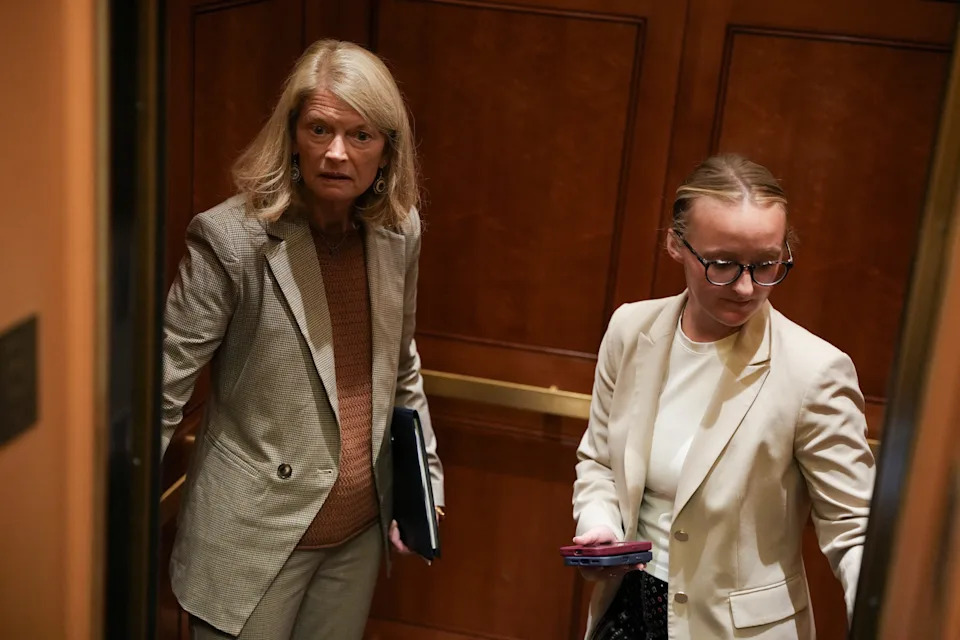
Sen. Lisa Murkowski (R-AK) arrives for votes at the U.S. Capitol on August 7, 2026.
- Removing mandatory screenings for children with disabilities and loosening limits on class sizes.
- Repealing requirements such as daily tooth-brushing routines, mandated bus monitors, staff pay parity rules and a ban on expulsions.
- Introducing new mandates, including designating English as the primary language of instruction for Head Start programs and requiring children whose first language differs to learn English while enrolled.
- Updating nutrition and physical activity expectations, including a guideline of 30 minutes of physical activity for every 3.5 hours of classroom instruction.
Reactions From Lawmakers And Advocates
The proposal has drawn skepticism across party lines. Some Republican senators who represent districts with active Head Start programs have expressed caution about broad deregulation. Sen. Lisa Murkowski (R-Alaska) and Sen. Thom Tillis (R-N.C.) said they were monitoring concerns raised by local providers, and Sen. Jim Justice (R-W.Va.) warned that well-intentioned changes can sometimes make programs worse.
"We've been hearing from our Head Start folks back home that are concerned about what they're seeing," said Sen. Lisa Murkowski.
Democrats criticized the effort as a weakening of protections for vulnerable children. Sen. Patty Murray (D-Wash.) said the administration might be "serving more children by promising each child less," calling the move an attack on the program's standards.
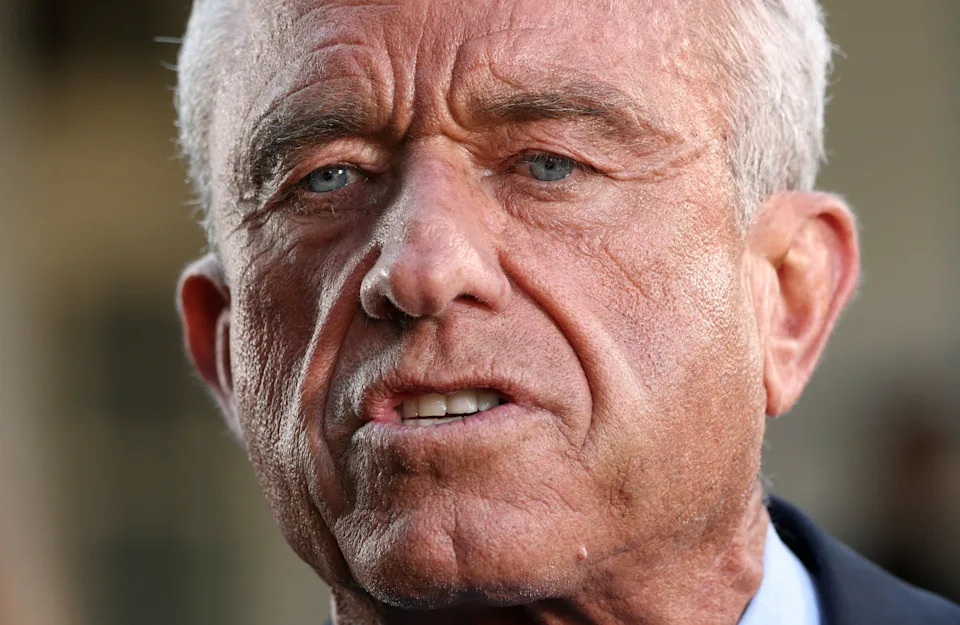
U.S. Secretary of Health and Human Services Robert F. Kennedy Jr. is interviewed after announcing new nutrition guidelines, at the White House in Washington, D.C., U.S., January 7, 2026. REUTERS/Kevin Lamarque
Administration Rationale And Next Steps
Administration officials say the changes would reduce red tape, give local providers more flexibility, and expand access to Head Start. Alex Adams, a deputy who oversees the Administration for Children and Families, emphasized that providers would still be subject to state and local regulations and that flexibility is intended as permission, not a mandate.
The rulemaking is in its early stages. The Federal Register posting opens a 60-day public comment period, and the proposal could face legal challenges. Khari Garvin, the former head of the Office of Head Start in the previous administration, urged families, educators and program staff to weigh in during the comment period: "There still is an opportunity for their voices to be heard."
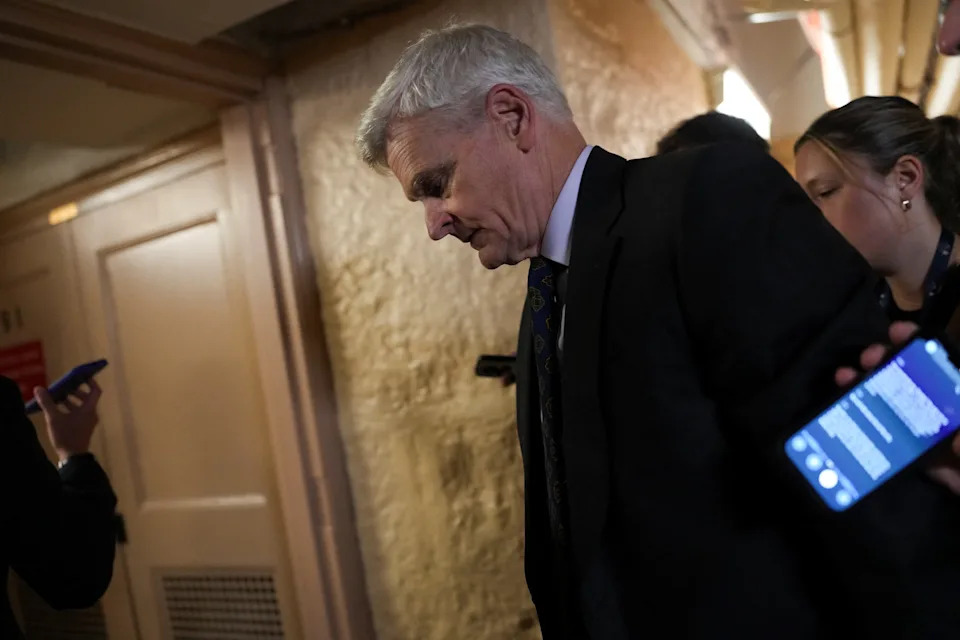
Sen. Bill Cassidy, R-Louisiana, walks in the Capitol on August 7, 2026, after announcing his intention to vote to confirm Todd Blanche as attorney general.
Context: Head Start serves hundreds of thousands of low-income children and families annually. Any regulatory overhaul would affect program operations, safety standards and services nationwide.
Reporting by Zachary Schermele for USA TODAY. You can reach him at [email protected].
Help us improve.