The online spat over a "$20 burrito" revealed a broader conservative struggle to respond to voters worried about inflation and weak job growth. Some Republicans framed the issue as personal responsibility, while others pointed to wage stagnation, rising grocery prices and policy decisions that may contribute to inflation. Economic indicators — including Gallup and Glassdoor surveys and a July jobs report showing a 23,000 loss with 103,000 downward revisions for May and June — undercut optimistic official claims. The episode highlights the political risk of dismissing everyday economic pain.
The $20 Burrito Debate: What It Reveals About the Right's Messaging on Inflation and Jobs
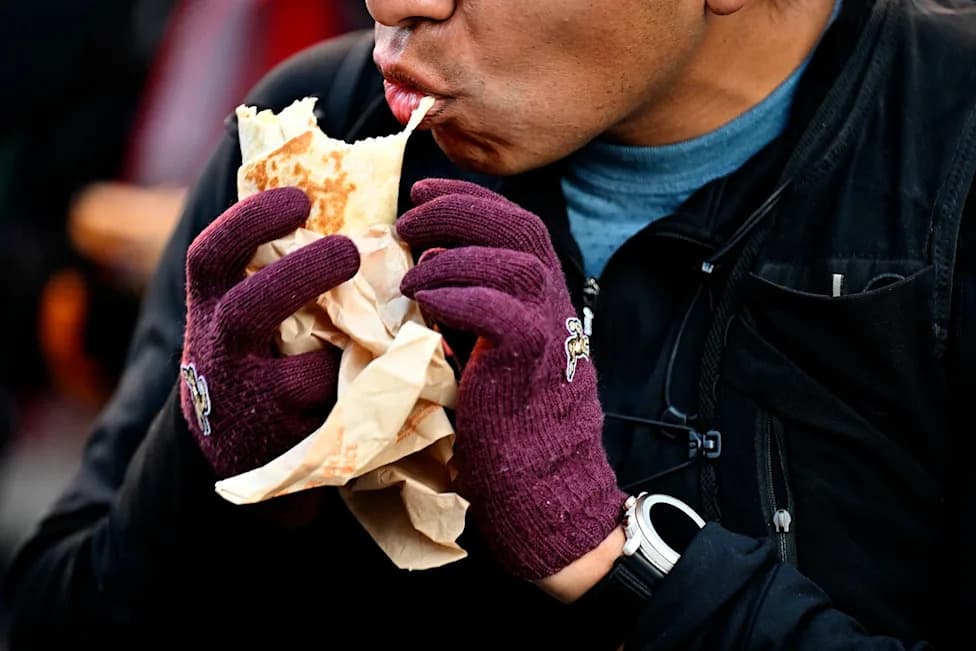
ALEXANDRIA, VA - NOVEMBER 29: Before the start of the race, participants have to eat tacos and then run in the Taco Bell 50K, that is sweeping social media, running clubs, and Taco Bell loving circles. The race consists of nine Taco Bell stops, requiring participants to eat a menu item at each stop (drinks do not count) and four of those items must be the belly-busting chalupa, burrito supreme, crunchwrap, and nachos bell grande. Participants have 11 hours to complete on Saturday, November 29, 2025 in Alexandria, Virginia.(Photo by Marvin Joseph/The Washington Post via Getty Images)
As headlines this week ranged from flat jobs figures to confirmation votes and tensions in the Strait of Hormuz, a surprisingly small online spat captured conservatives' attention: whether a burrito should cost $20.
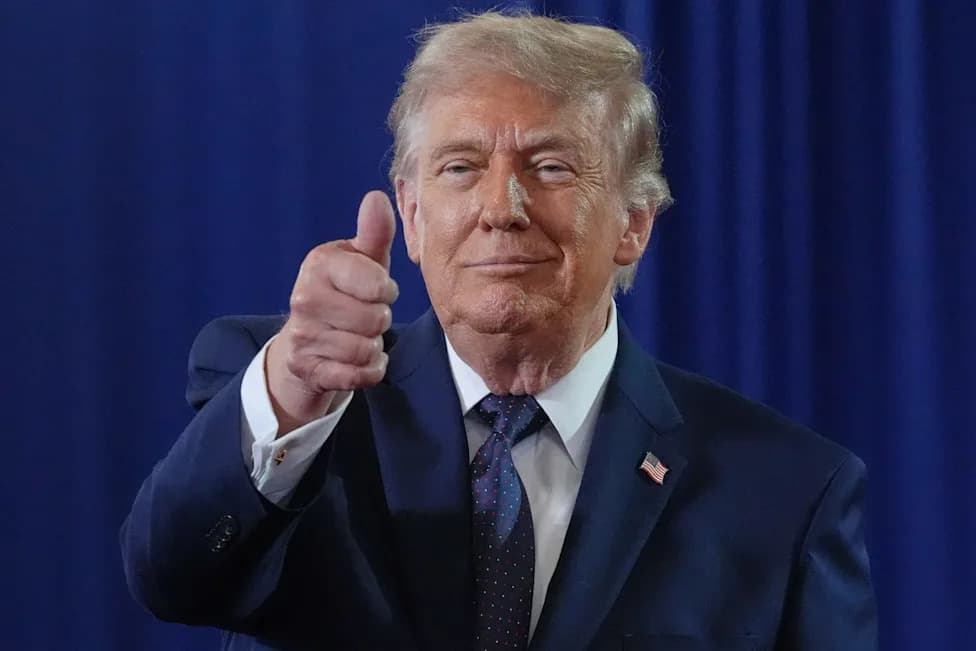
What might seem trivial is actually a vivid illustration of a larger challenge for the political right: 18 months into Donald Trump's second term, how should Republicans respond to voters growing worried about high inflation and sluggish job growth?
A simple anecdote goes national. A Turning Point USA spokesman relayed a student's complaint: "A burrito shouldn't cost $20," Andrew Kolvet tweeted, saying the comment captured how "basic things cost too much." That remark set off a string of responses across conservative media and social platforms.
Personal responsibility vs. structural explanations. Several conservative figures framed the complaint as an issue of personal choices. Rep. Dan Crenshaw wrote, "Stop whining, get a job, eat Ramen like the rest of us did in college." Ben Shapiro criticized the idea that government should subsidize "gourmet-quality burritos." Washington Post columnist Marc Thiessen recounted living on ramen and working two jobs after graduation.
"We have enough problems as a country without insane expectations that the government is going to provide us with gourmet-quality burritos." — Ben Shapiro
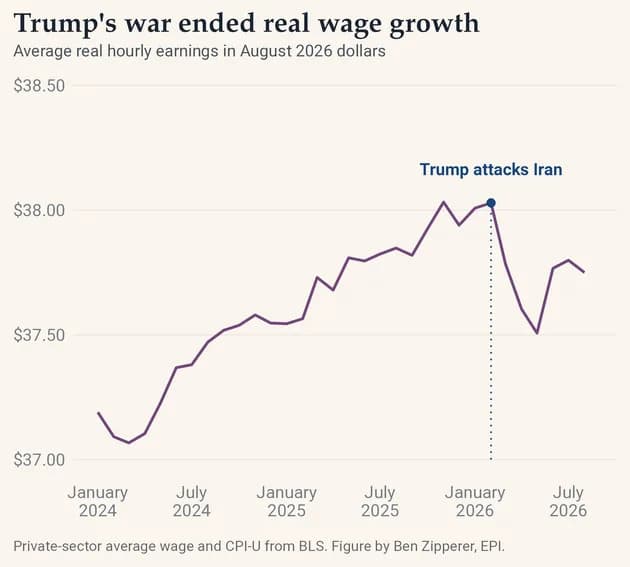
Others warned that such messaging risks alienating voters who face real affordability problems. Christine Pushaw, an aide to Gov. Ron DeSantis, pointed to young families struggling with grocery prices that have risen far faster than wages. UnHerd editor Sohrab Ahmari blamed administration policies, including the economic fallout from tensions with Iran, for inflationary pressure. Vice President J.D. Vance also criticized commentators who dismiss economic pain.
Administration claims and the data. The White House and many allies insist the economy is stronger than critics claim. President Trump has called affordability complaints a "con job" and a "hoax," while Treasury Secretary Scott Bessent told CNBC he is "sick" of talk of a "K-shaped economy," claiming instead the country is moving toward a "C economy" in which lower-wage earners are improving their position. When The New York Times asked the Treasury Department what data supported Bessent's assertion, it received no response.
Independent indicators paint a bleaker picture for many Americans. Gallup polling shows broad economic pessimism, and Glassdoor reported record-low employee confidence. The July jobs report found the economy lost 23,000 jobs and revised May and June down by a combined 103,000 jobs; labor force participation remains weak and wage growth continues to lag inflation.
Winners and losers. At the same time, the stock market hit record highs and corporate profits are strong — a dynamic commentators describe as a K-shaped recovery that benefits shareholders and corporate executives while leaving many workers behind. Critics also point to lax enforcement of antitrust concerns, arguing that market concentration allows dominant firms to raise prices and degrade service to boost profits.
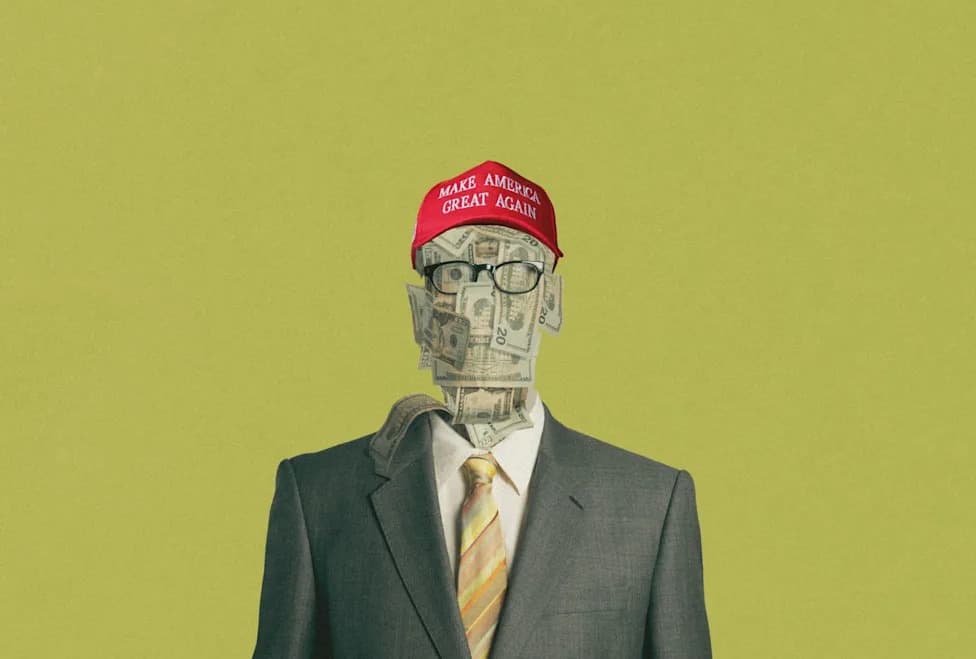
Symbolic contrasts. The debate over a $20 burrito quickly evokes comparisons to earlier cultural flashpoints — avocado toast and artisanal coffee — that are used to dismiss wider economic anxieties. That symbolism was underscored by reports of luxury food items, like a $100 hot dog with caviar selling out at Miami sporting events, highlighting a stark gap between conspicuous consumption and everyday price pain.
In short, the "$20 burrito" moment is less about burritos and more about messaging: lecturing struggling voters about thrift may be politically risky, and many on the right are still debating whether to emphasize personal responsibility, point to policy causes, or acknowledge the material hardships voters describe.
Help us improve.