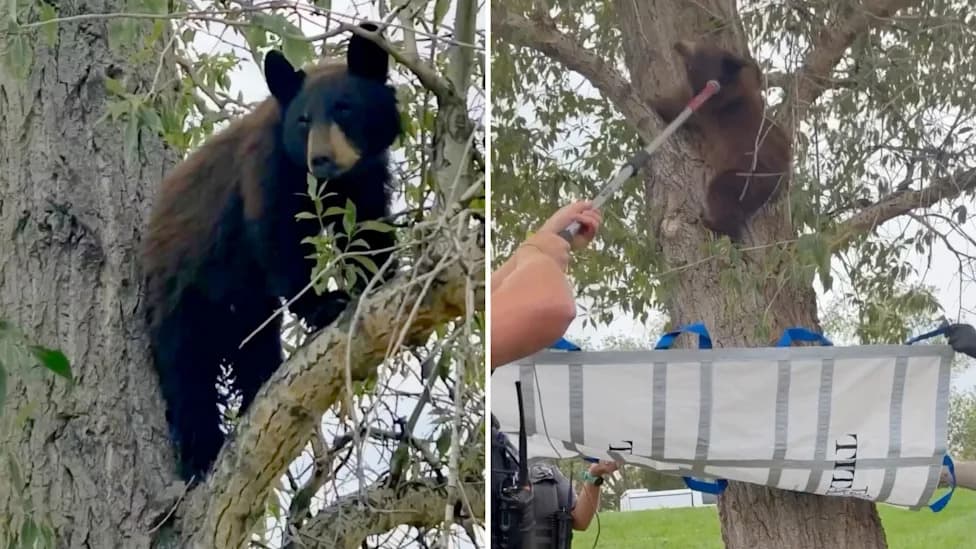
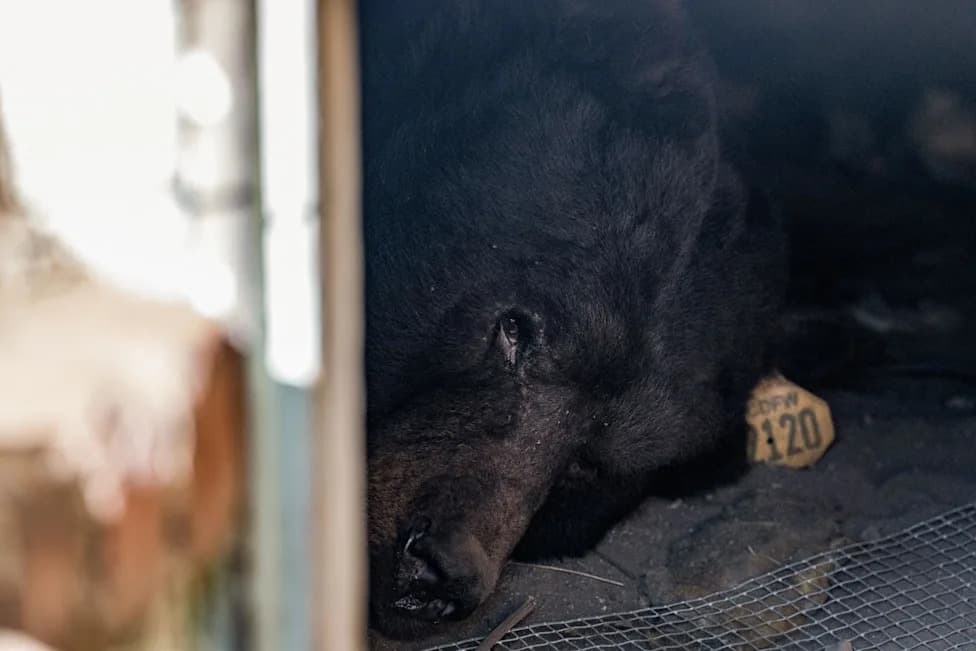
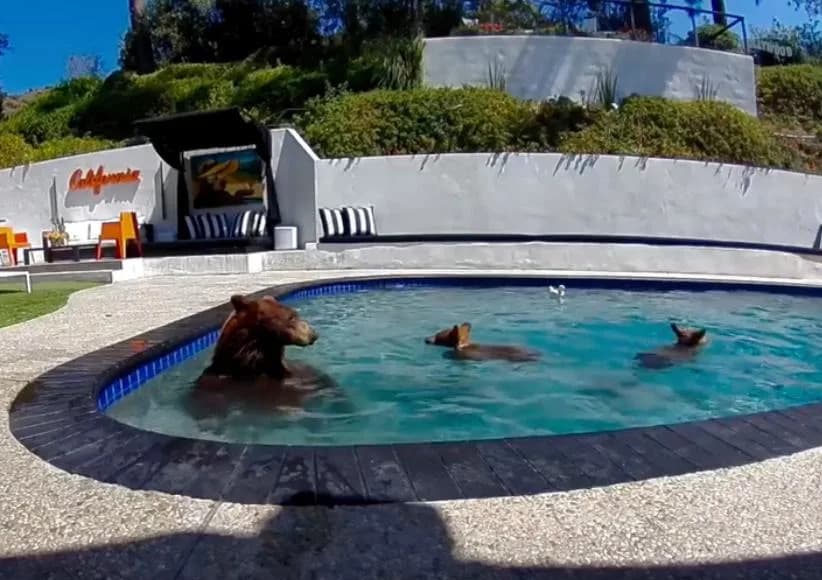
Deputies responding to a report of a dog south of Westcliffe, Colorado, found a dehydrated, injured baby black bear. Colorado Parks and Wildlife took the cub to a rehab facility near Del Norte where she is expected to spend winter in an artificial den and be released after hibernation. Deputies later moved a yearling out of town while CPW set a trap to capture and relocate it. Officials say human food sources, development and climate pressures are driving more bear encounters.
From 'Dog' Sighting to Wildlife Rescue: Deputies Save Dehydrated Baby Bear Near Westcliffe, Colorado
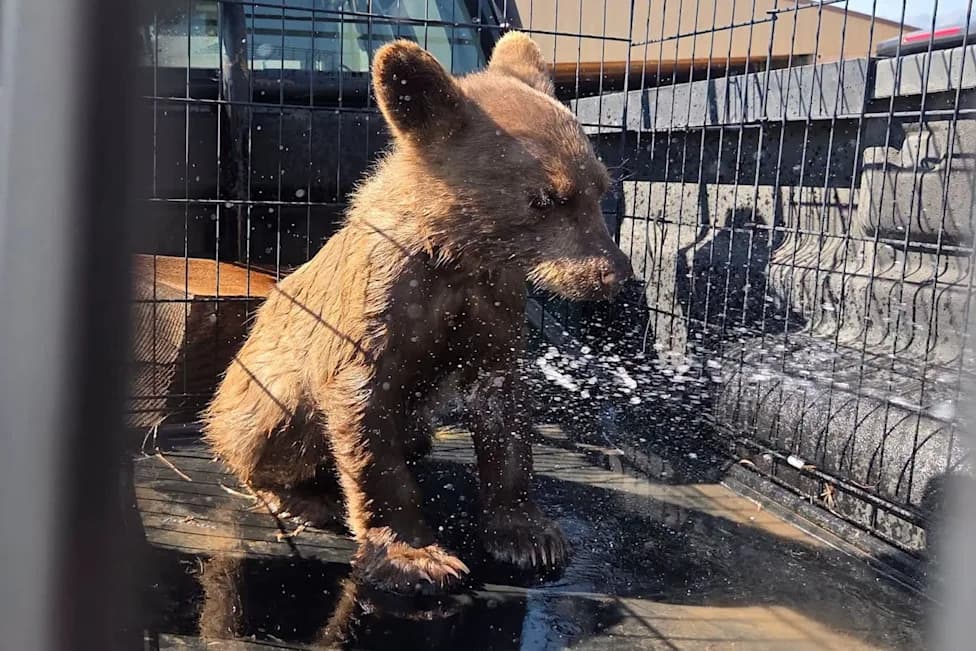
Photo Credit: Custer County Sheriff's Office
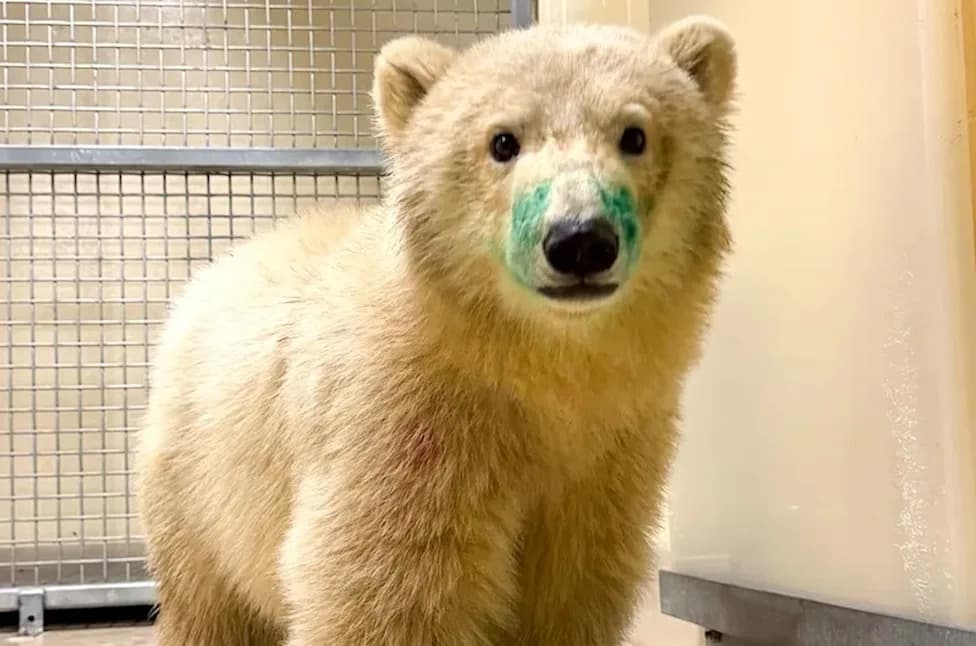
A routine report of a dog along a rural road south of Westcliffe, Colorado, turned into an unexpected wildlife rescue when Custer County deputies discovered a dehydrated, malnourished baby black bear.
The initial call came from the area near Airport Road. When officers arrived they found a female cub in distress: dehydrated, underweight and suffering from a foot injury.
Immediate Care and Transfer
Following guidance from Colorado Parks and Wildlife (CPW), deputies provided temporary care and transported the cub to the sheriff's office. A CPW officer then picked her up and transferred the cub to the agency's rehabilitation facility near Del Norte for veterinary treatment and recovery.
Rehabilitation and Release Plan
CPW officials said the cub is expected to spend the winter in an artificial den to recover and hibernate. If she responds well to treatment and rehab, she will be returned to suitable wild habitat after hibernation.
A Second Bear Incident
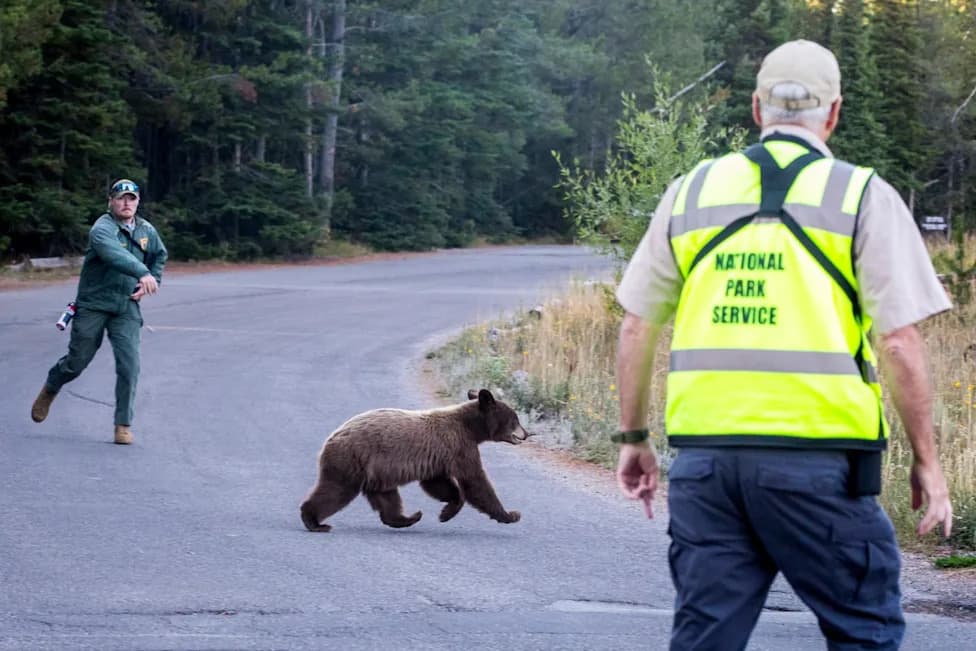
Deputies later responded to another call about a yearling spotted roaming in Westcliffe. Officers moved the animal out of town and CPW set a trap to capture and relocate the yearling, aiming to prevent conflicts with people and vehicles.
Why These Encounters Happen
Wildlife experts warn that easy access to human-related food sources — such as garbage, pet food and birdseed — draws bears into populated areas. Habitat fragmentation from roads and development, along with changing climate patterns, can reduce natural food and water availability and push animals closer to people.
When bears frequent human areas they create safety risks for residents, pets and drivers, and face higher chances of injury, entrapment or euthanasia if conflicts escalate.
Veterinary care, rehabilitation and the use of an artificial winter den give the cub the best chance to recover and survive hibernation, while relocation efforts for the yearling are intended to reduce immediate public-safety risks and future conflicts.
Sources: Custer County Sheriff's Office, Colorado Parks and Wildlife, KKTV; context on human-wildlife interactions referenced from BBC Future.
Help us improve.