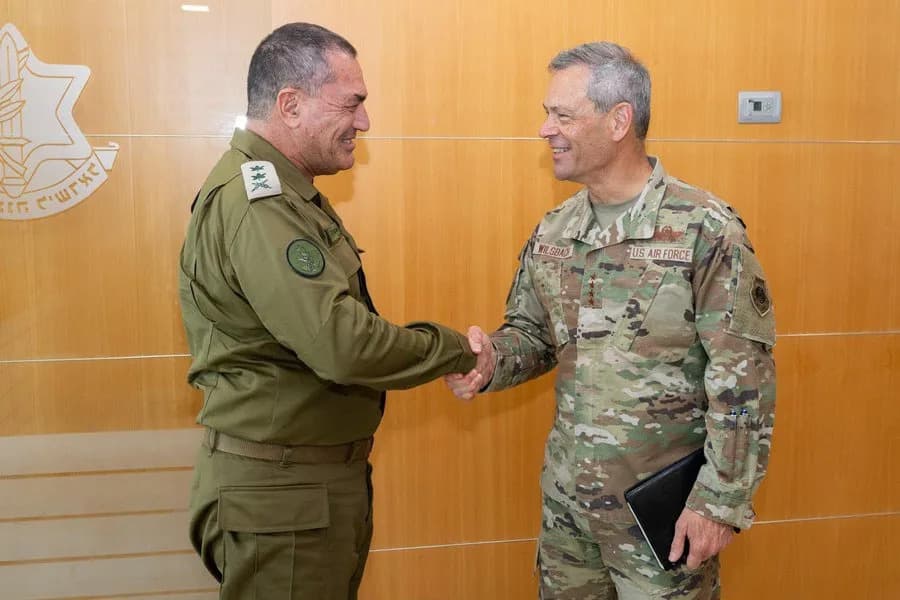
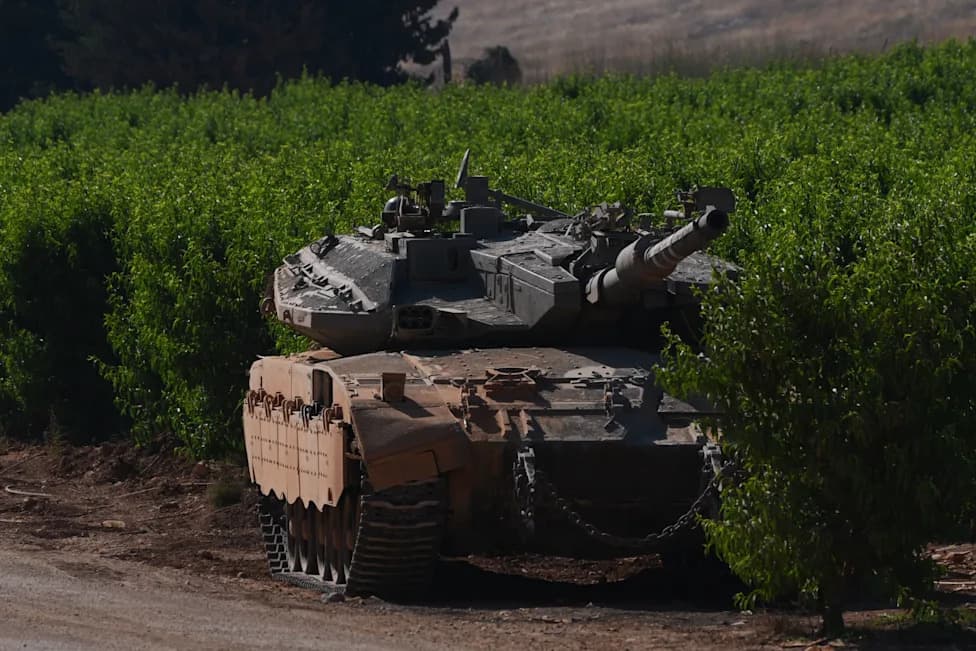
The Israeli Air Force described to Walla how air-traffic controllers managed the most complex day in IAF history during Operation Roaring Lion: hundreds of military aircraft returned from strikes deep inside Iran while other sorties launched and civilian flights operated. Controllers synchronized joint US–Israeli operations in two languages, calibrated air defenses in real time and enforced separation rules to avoid fratricide. Training was overhauled and new technologies were adopted, even as personnel coped with attacks on towns where their families live.
Controlled Chaos: Inside Israel's Air Traffic During the US–Israel Strikes
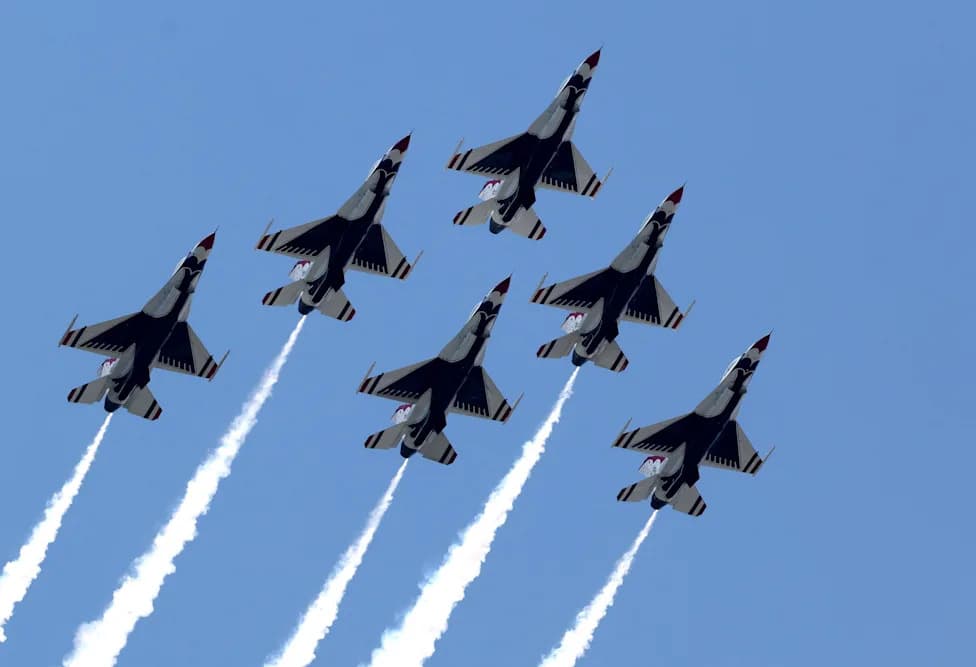
The US Air Force Thunderbirds fly up the Hudson River over New York City on August 4, 2026. The Thunderbirds performed at the Air Dot Show New York in Orange County, NY and are next headlining the Rochester International Airshow. (photo credit: TIMOTHY A.CLARY/AFP via Getty Images)
The Israeli Air Force and its partners called it the most complex and dangerous day in the history of IAF air-traffic control: hundreds of military aircraft of every type returning at once from precision strikes deep inside Iran while other sorties launched, civilian flights continued, and air defenses engaged incoming threats.
An Unprecedented Operational Challenge
Airspace over Israel became a tightly packed matrix of fighters, tankers, transport planes, airborne early-warning aircraft, helicopters, drones and passenger flights operating at different altitudes and intersecting corridors. Controllers had to coordinate joint US–Israeli operations—often switching between English and Hebrew—while air-defense systems were calibrated in real time to meet incoming missiles and hostile drones launched from Iran and Lebanon.
'Imagine hundreds of aircraft returning from a strike to land across Israel: fighters, transports, AEW aircraft, refuelers, helicopters and drones—some operated by a partner military—which required English-language coordination,' a senior IAF officer told Walla.
Preparation, Command and Split-Second Decisions
Maj.-Gen. Tomer Bar led intense pre-launch briefings to preserve surprise and harden contingency plans against simultaneous multi-axis threats. When H-hour arrived, the air-control command—tasked with synchronizing all aviation layers in Israeli airspace and deep into Iranian territory—ran operations that had been rehearsed for years.
Col. R., who climbed through the ranks of the control system, spent the final hours briefing units across the country, reinforcing the gravity of the mission and the need for flawless execution. Takeoffs were cleared from control towers, aircraft were handed over to airborne and ground controllers using coded procedures, and radar screens filled with a scale of traffic veterans described as 'unfathomable.'
Managing Threats, Safety and Fratricide Risk
Controllers enforced strict separation distances and time windows inside enemy airspace to avoid accidental engagements among allied aircraft. They coordinated complex tasks such as mid-air refueling far from home, often at tight proximities with American tankers and jets. Weather shifts, technical malfunctions, heavier weapons loads and full fuel tanks added layers of complexity that had to be managed in real time.
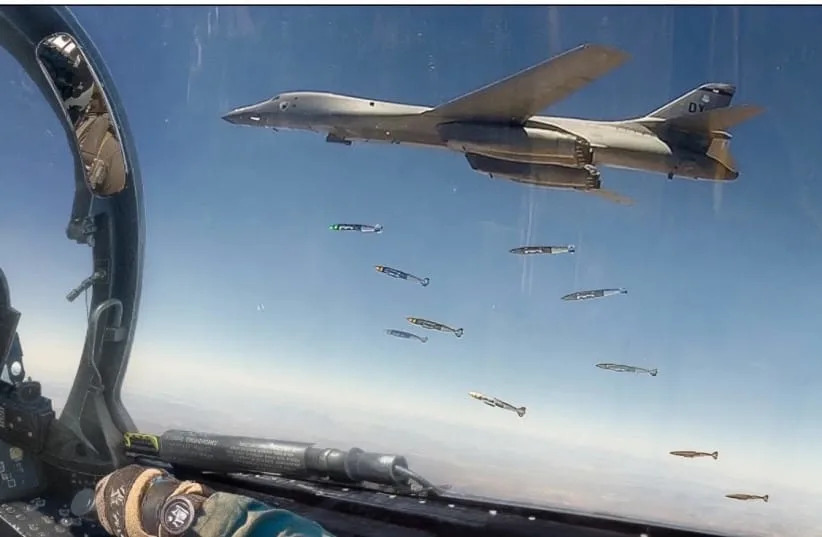
US Air Force Rockwell B-1B Lancer dropping JDAM bombs photographed from the canopy of an escort fighter jet. (credit: Screenshot/X/BLT)
Meanwhile, Israel's layered air defenses—THAAD, Arrow, David's Sling, Iron Dome and others—were ready to intercept. At peak performance the IAF recorded a response time of 14 seconds from threat detection to shootdown, a capability the command said flowed through and relied upon air-traffic control processes and rapid decision-making.
Escalation, Civilian Flights and Regional Coordination
During the opening wave, civilian operations initially continued: light aircraft and passenger services at Ben Gurion operated alongside military sorties. Only after explosions in Iran and the loss of the element of surprise did controllers instruct civilian flights to expedite landings. The operation then required synchronizing Israeli and US activity across the broader Middle East while managing commercial and military traffic under shifting weather patterns.
Hezbollah, Border Threats and the Home Front
Days later Hezbollah's entry into the conflict—launching rockets, missiles, drones and anti-tank weapons—further overloaded the operational picture. Some threats appeared as close as one kilometre from the border, and attack drones targeted the home front and forces operating in Lebanon. Controllers were responsible both for tactical mission management and for routing early-warning alerts to civilians and troops to shave off vital seconds and improve interception outcomes.
Lessons, Training and Human Cost
After exhaustive debriefs, the IAF overhauled training to sharpen rapid decision-making under extreme pressure and integrated advanced detection and interception-management tools that reduced response times. Many operational changes remain classified, but leaders emphasized the need for highly tech-savvy, multitasking controllers.
The human toll was stark: rockets struck towns where controllers and their families live, including Dimona and Arad, damaging homes and adding a personal strain to an already intense mission. Senior officers stressed resilience and the determination that, wherever Israel is tasked to operate, its air-traffic teams will execute their mission.
Note: This account is based on interviews with IAF personnel and a Walla report. Specific classified operational details have been omitted.
Help us improve.