Rheinmetall CEO Armin Papperger says he will not "chicken out" despite round‑the‑clock police protection after threats, an arson attack on his garden shed and protests outside his home. The 63‑year‑old's security detail is reportedly on a par with that provided to Chancellor Friedrich Merz. Rheinmetall, a major arms supplier to Ukraine that is building factories there, has prompted German intelligence warnings about increased risks of espionage, sabotage and possible targeted attacks on executives. Papperger said authorities are doing all they can to protect him but insisted the work must continue.
Rheinmetall CEO: 'Chickening Out' Is Not An Option Amid Threats, Arson and Round‑the‑Clock Protection
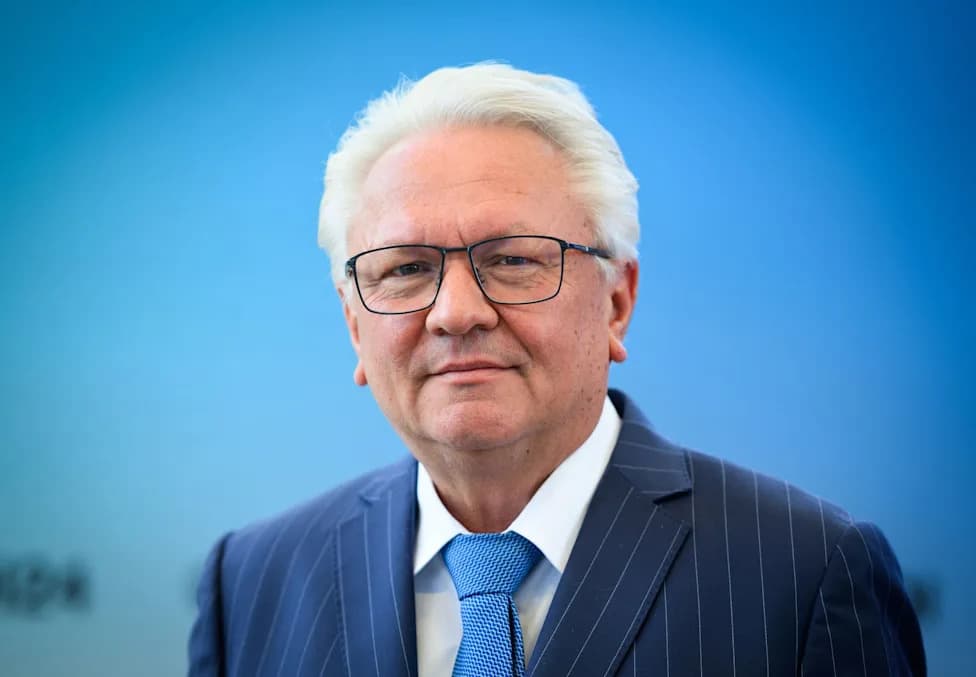
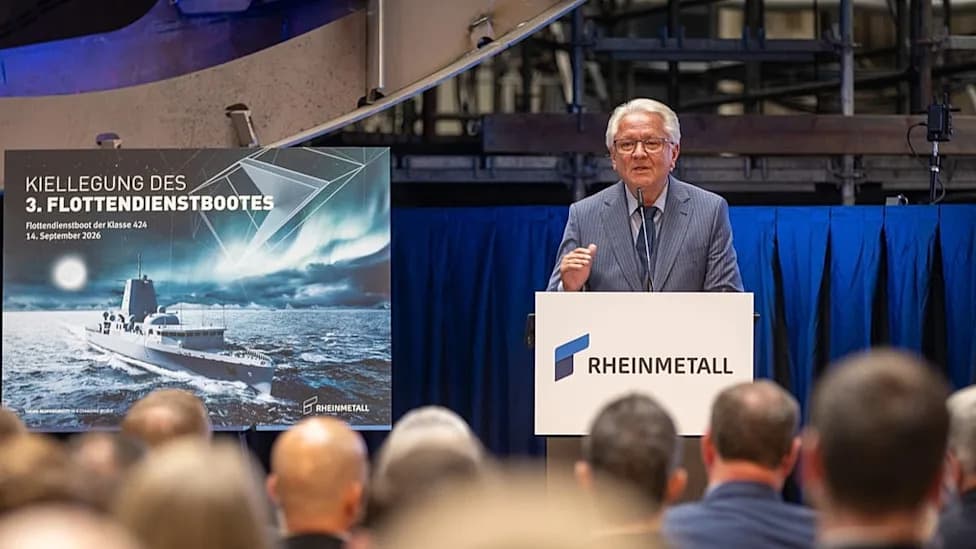
FILE PHOTO - Armin Papperger, CEO of Rheinmetall AG, is taking part in the Day of German Industry 2024 organized by the Federation of German Industries (BDI). (is associated with: «'Chickening out' no option for Rheinmetall boss Papperger amid threats») Bernd von Jutrczenka/dpa
Armin Papperger, the 63-year-old chief executive of German defence group Rheinmetall, says he will not be intimidated despite being under constant police protection after a series of threats to his safety.
Speaking to dpa on Sunday, Papperger insisted that "chickening out" is not an option in his line of work. "These jobs must be done, and anyone that can't take the pressure doesn't belong in this job," he said.
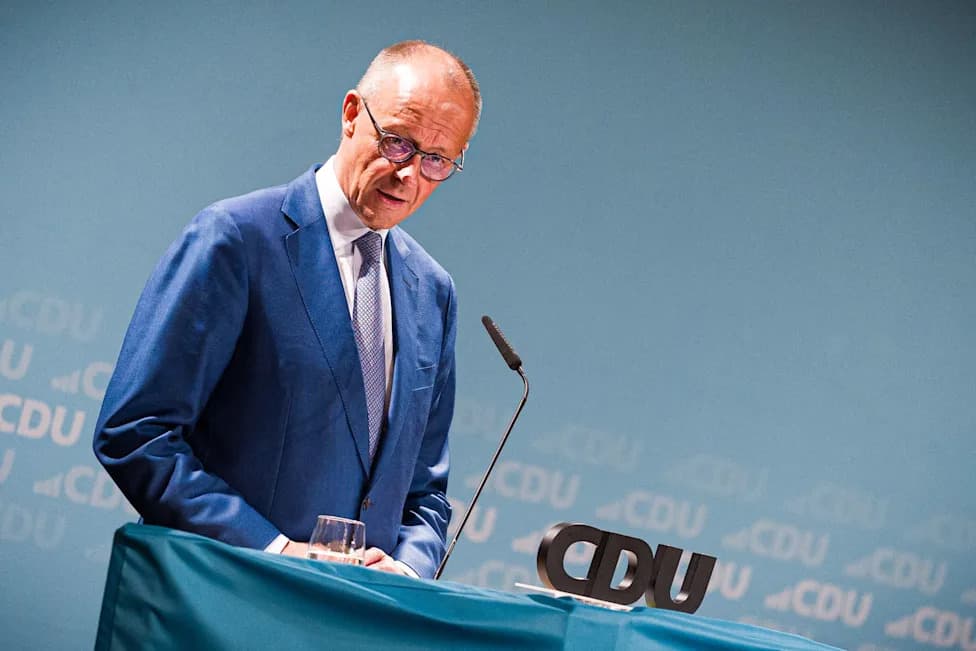
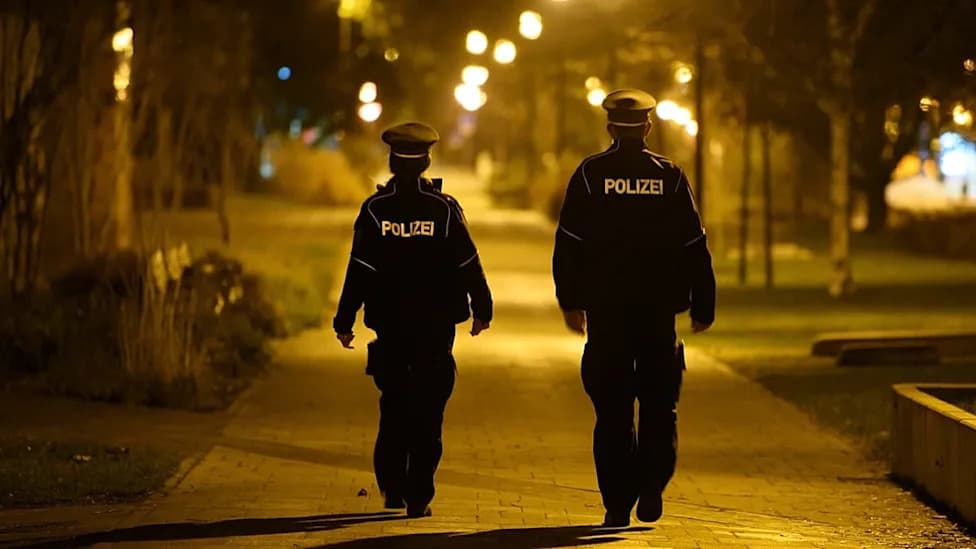
The executive is reportedly under police protection amid claims of Russian murder plots and is accompanied by bodyguards at all times, including inside Rheinmetall's Düsseldorf headquarters. Officials say his security detail is comparable to that provided for Chancellor Friedrich Merz.
"It is well known that my garden shed was set on fire and that there were demonstrations outside my house. If that's a threat, then yes—perhaps I ought to feel threatened," Papperger said.
Papperger added that the German state is doing everything practicable to protect him, while noting that he would likely face a lower level of risk in another profession.
Security Context
Rheinmetall has been supplying substantial quantities of weapons to Ukraine and is establishing production facilities there, a move that has drawn scrutiny and increased risk. Germany's domestic intelligence services recently urged employees of defence contractors to be particularly vigilant, warning of a higher likelihood of espionage, sabotage and potential targeted attacks by Russian state agencies.
The security advisory warned that, depending on how the war in Ukraine develops, targeted attacks against individual employees—especially at management level—cannot be ruled out. Despite that threat environment, Papperger emphasized the importance of continuing the company's support and operations.
Help us improve.