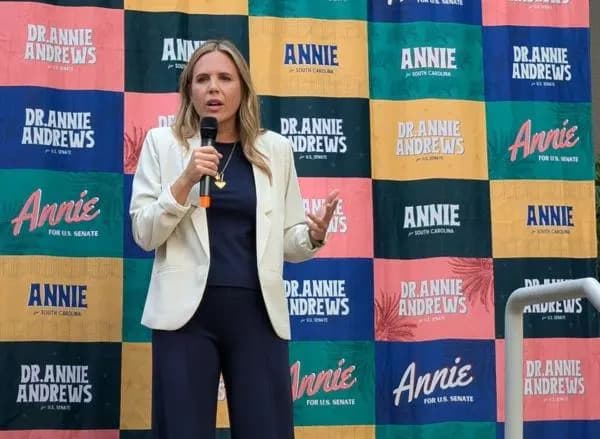
Nine Republican candidates gave six-minute pitches in Florence County ahead of the Aug. 11 special primary to fill Lindsey Graham's Senate seat. Darline Graham, appointed to finish her brother’s term, emphasized her public-service record and Trump’s endorsement while pledging to study privacy questions around Flock Safety cameras. Other contenders were sharply divided on the Iran war, filibuster reform, data-center siting, abortion and energy policy, offering voters clear contrasts heading into the final stretch.
Final GOP Senate Pitches In South Carolina: Iran, Filibuster Reform, Flock Cameras And More
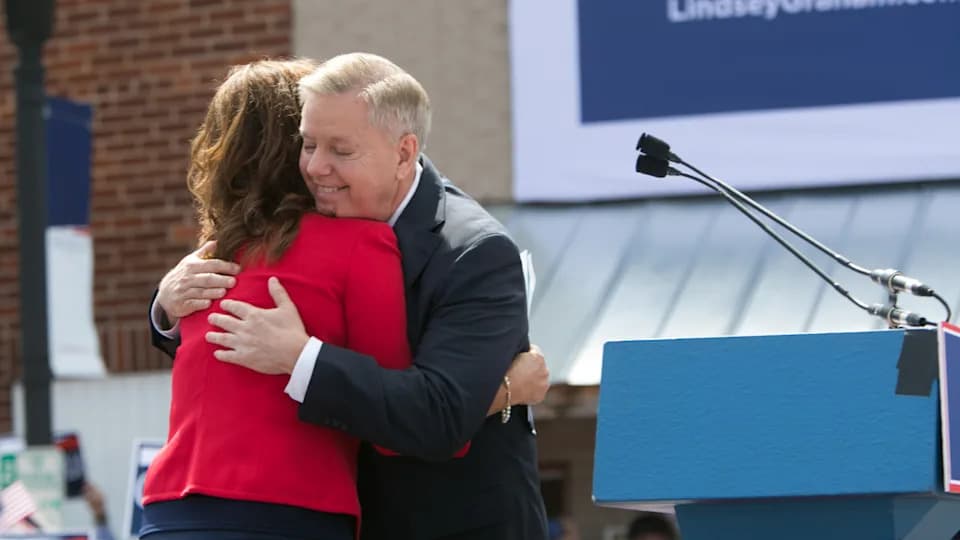
Sen. Lindsey Graham, R-S.C., hugs his sister Darline Graham on stage as he announces his presidential campaign on June 1, 2015.
Nine Republican contenders hoping to permanently fill the late Sen. Lindsey Graham’s seat made rapid-fire appeals to voters Saturday in Florence County, South Carolina, each given six minutes to summarize their priorities ahead of the Aug. 11 special Republican primary.
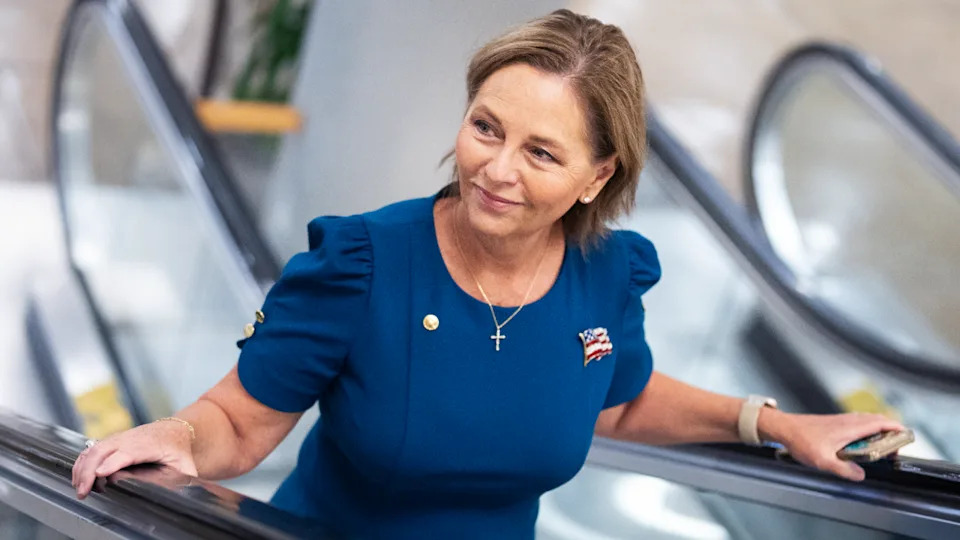
Sen. Darline Graham, R-S.C., makes her way to votes in the U.S. Capitol on Wednesday, August 5, 2026.
Hosted by gubernatorial nominee Alan Wilson, the forum offered a compressed window into the contrasts shaping the race — national security, Senate rules, privacy and technology policy, fiscal concerns and energy — as candidates tried to make last-minute impressions.
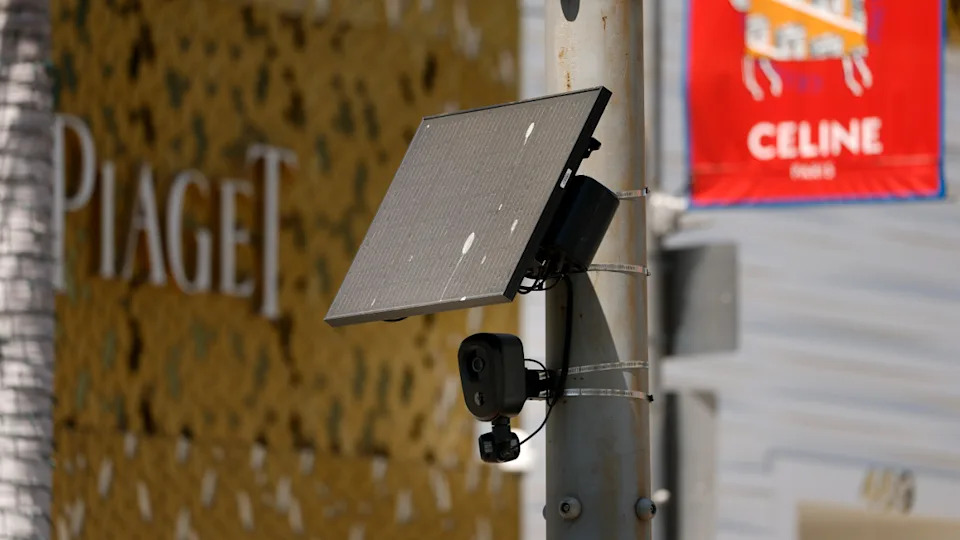
A Flock Safety camera is shown mounted to a light pole on August 3, 2026 in Beverly Hills, California.
Darline Graham
Appointed to finish her brother’s term, Darline Graham closed the program by stressing her record in public service and saying she would earn votes on her own merits despite President Trump’s endorsement. She highlighted her leadership of the South Carolina Commission for the Blind — an agency she said manages roughly $90 million and dozens of staff — and framed that work as serving people, not promoting "DEI" initiatives.
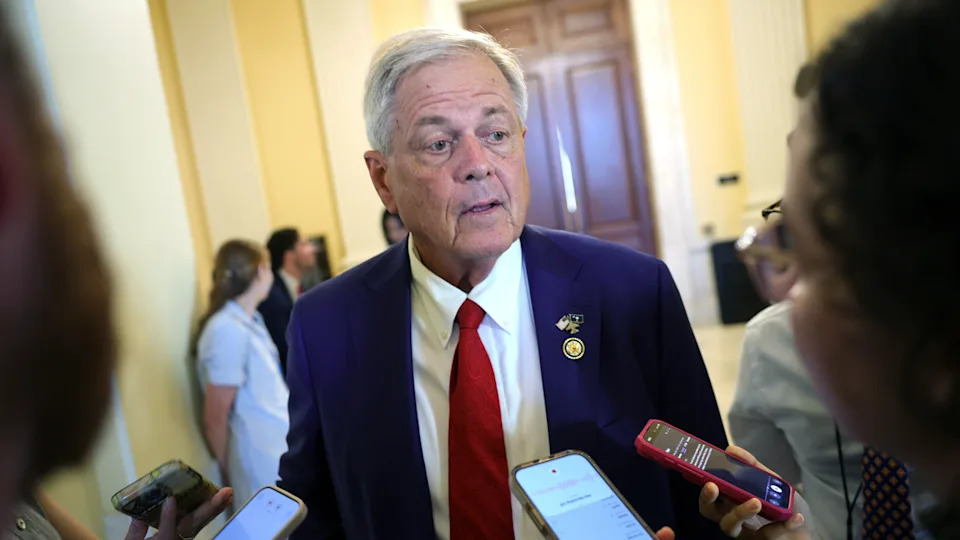
Rep. Ralph Norman, R-S.C., speaks to reporters as he leaves a House Republican Conference meeting at the Cannon House Office Building on May 20, 2026 in Washington, D.C.
On policy, Graham aligned with Trump on barring transgender girls from female sports, supporting Israel, backing voter ID through the SAVE Act and opposing blanket birthright citizenship. Asked about Flock Safety license-plate cameras, she acknowledged privacy concerns but said she wanted more information, noting the potential safety benefits in emergencies.
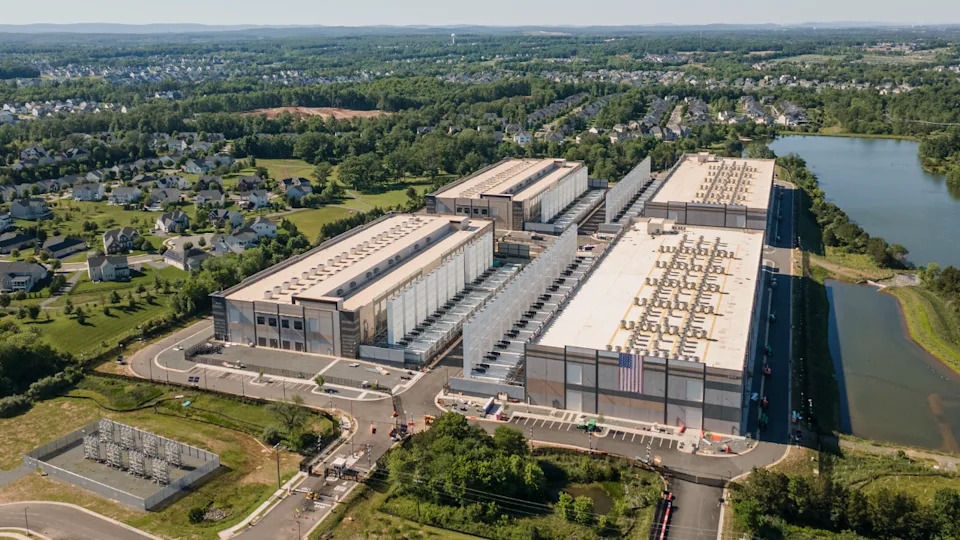
An Amazon Web Services data center in Aldie, Virginia, on May 31, 2026.
Ralph Norman
Rep. Ralph Norman used his time to attack Senate procedures, calling the chamber a place "where good bills go to die." He proposed aggressive changes to rules — including modifying or eliminating the filibuster and working with the parliamentarian — to force votes on priorities like the SAVE Act. Asked about AI data centers, Norman said he opposed federal control but raised community and environmental objections to rapid siting.
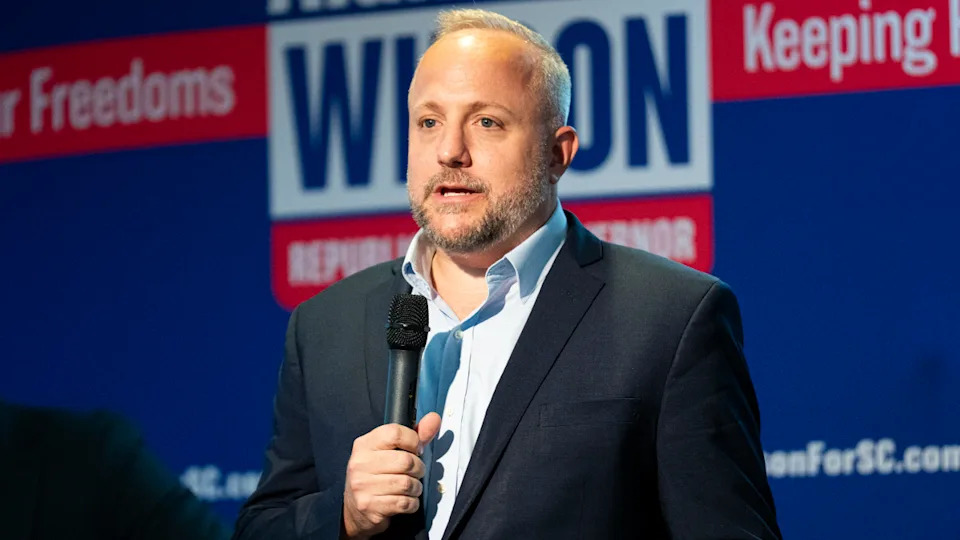
Rep. Russell Fry, R-S.C., speaks during the GOP stump event held for Republican candidates for Senate in Charleston, S.C., on Aug. 6, 2026.
Mark McBride
Former Myrtle Beach mayor Mark McBride broke with some fellow Republicans on the war with Iran, calling for an immediate end to U.S. involvement and urging troops to return home to regroup. He argued voters would not have supported the current trajectory when they backed Trump previously.
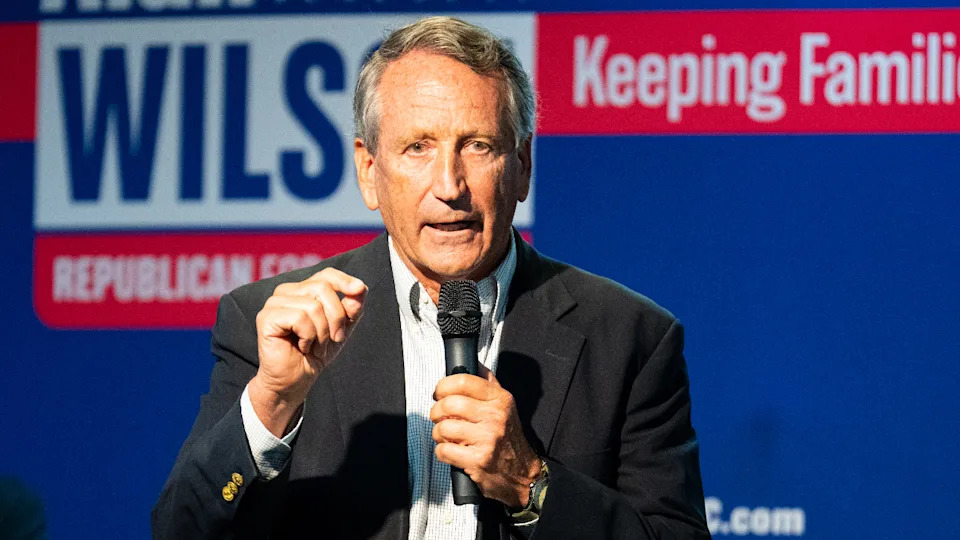
Former Governor and Rep. Mark Sanford, R-S.C., speaks during the GOP stump event held for Republican candidates for Senate in Charleston, S.C., on Aug. 6, 2026.
Sam Shepherd
Engineer and entrepreneur Sam Shepherd presented himself as a technocratic conservative who could cut through bureaucracy. He emphasized his record as an inventor, saying he holds 44 patents, and pitched that experience as evidence he can bring practical problem-solving to government.
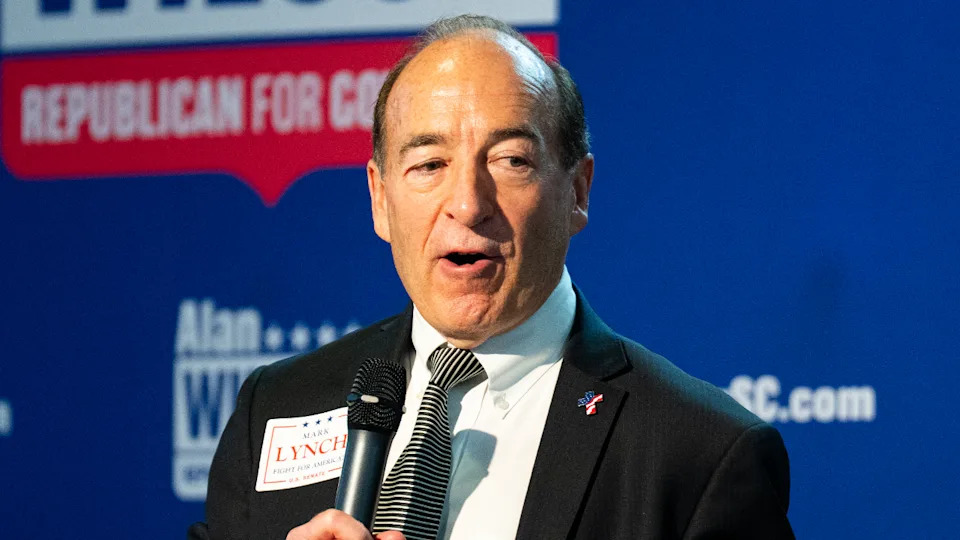
Mark Lynch speaks during the GOP stump event held for Republican candidates for Senate in Charleston, S.C., on Aug. 6, 2026.
Russell Fry
Rep. Russell Fry focused on regulations as a driver of economic strain, arguing that red tape is squeezing farms and families. On immigration and border security, Fry attacked President Biden’s record and praised Trump’s energy, saying he would close perceived asylum "loopholes" that admitted large numbers of migrants from countries like Haiti and Nicaragua.
Mark Sanford
Former governor Mark Sanford emphasized fiscal conservatism, warning the national debt is approaching $40 trillion and calling current spending and monetary policies unsustainable. He linked heavy federal spending to delayed economic milestones for young Americans, saying the American dream is harder to reach for many.
Mark Lynch
Businessman Mark Lynch also advocated scrapping the filibuster and pledged not to accept donations from AIPAC, positioning himself apart from the field on some Israel-related questions. Lynch named opposition to abortion as his top issue and described efforts to persuade women and lawmakers to adopt tougher restrictions.
Danny Ford II
Danny Ford II raised civil-liberties concerns about Flock Safety cameras and criticized the rapid expansion of AI/data centers, calling the build-out "out of control." He said new facilities should be sustainable, generate their own power when possible, and avoid leaving an environmental footprint on local communities.
Glenda Gail Parker
Retired Air Force budget analyst Glenda Gail Parker, who describes herself as a conservative-leaning independent, broke with mainstream GOP orthodoxy on energy. She urged reducing dependence on fossil fuels, promoting solar, wind, geothermal and hydropower, and challenged oil and gas companies to adapt for long-term viability. She also said she would work to support farmers facing climate-driven extremes.
Bottom Line
The forum distilled the primary’s cleavages: end the war in Iran vs. continued action, aggressive Senate-rule changes vs. protecting Senate traditions, privacy concerns around license-plate cameras vs. potential public-safety gains, and competing visions on energy and fiscal policy. With the Aug. 11 primary looming, the event gave voters a compact view of where each candidate stands on the issues likely to define the campaign.
Help us improve.