Summary: The FSB, Russia’s successor to the KGB, is accused of shifting from external counterterrorism to producing domestic threat narratives that protect Vladimir Putin’s grip on power. Officials report dozens of disrupted alleged Ukraine‑linked plots this year, but lawyers and rights groups claim figures are inflated and that the agency sometimes uses entrapment. High‑profile attacks, mass arrests (including teenagers), and a 21,000‑name registry underscore concerns that the security service now functions as a political instrument. A planned meeting between U.S. FBI Director Kash Patel and FSB leadership adds an international dimension to the debate.
FSB Accused of Manufacturing Threats to Bolster Putin’s Hold — Critics Point to Entrapment and Propaganda
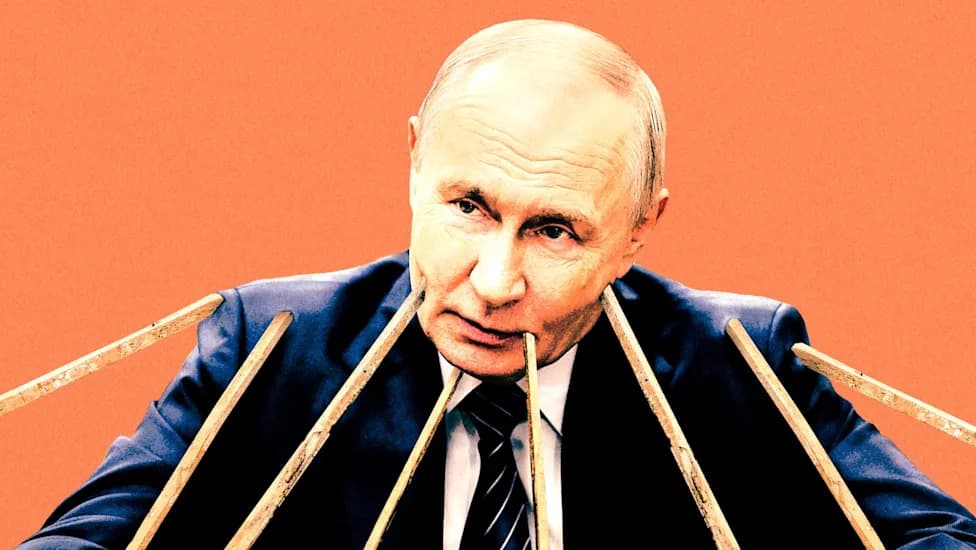
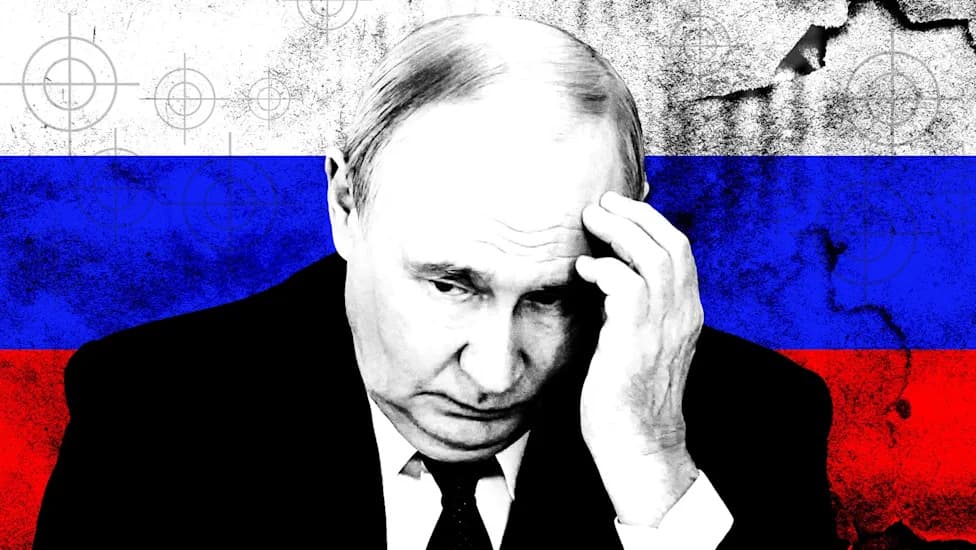
Photo Illustration by Victoria Sunday/The Daily Beast/Getty Images
As Vladimir Putin’s long‑promised stability shows signs of strain, Russia’s principal security agency appears to be shifting its focus from traditional counterterrorism to sustaining a political narrative that protects the Kremlin. Critics say the Federal Security Service (FSB), the institutional heir to the KGB, is increasingly producing inflated or fabricated threat reports to justify crackdowns and shore up President Putin’s authority.
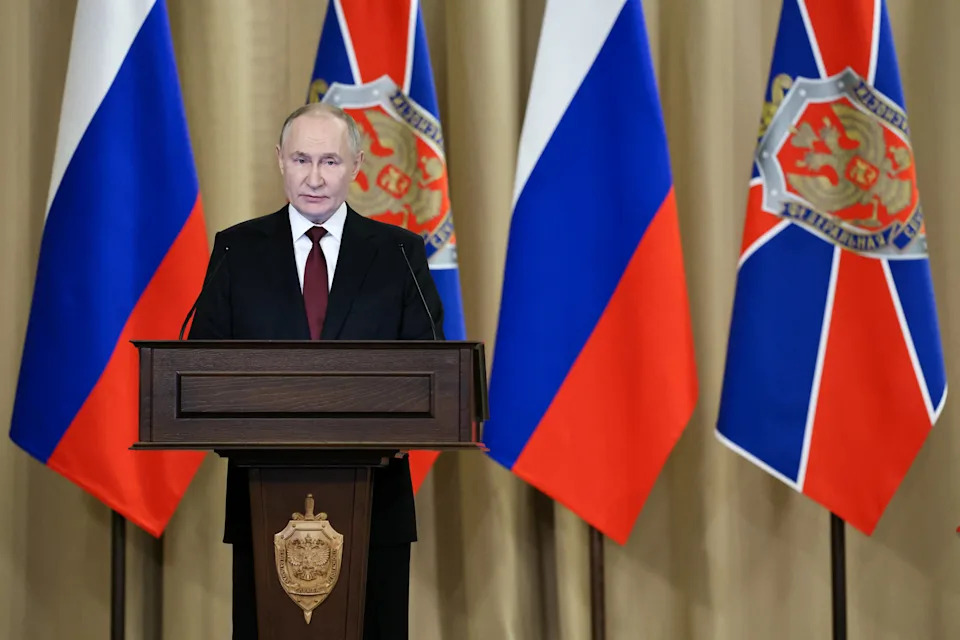
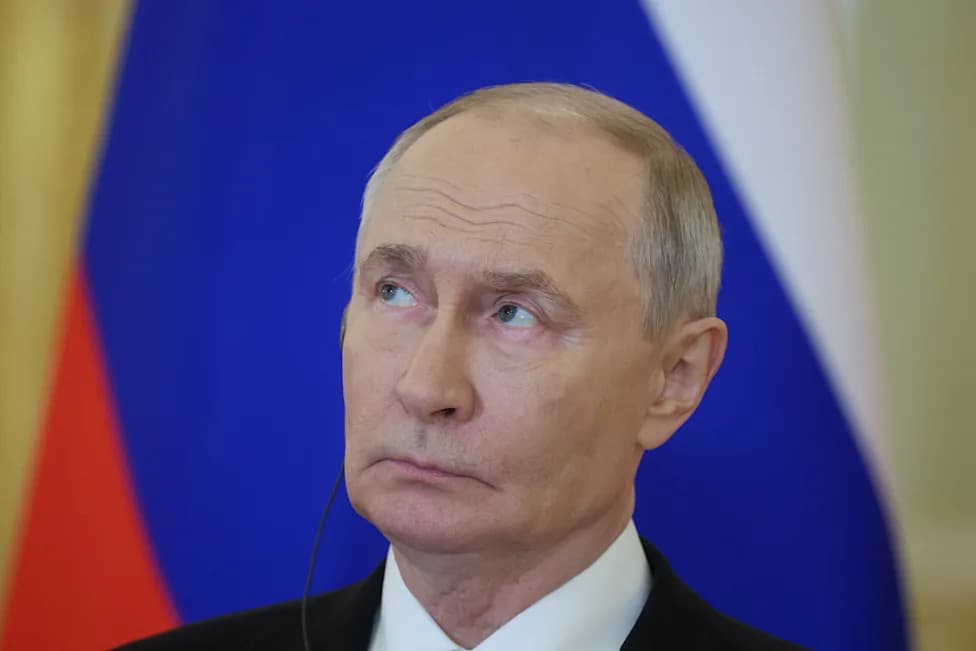
Russian President Vladimir Putin delivers a speech during a meeting of the Federal Security Service (FSB) Board in Moscow, Russia February 27, 2025. / Alexander Kazakov / via REUTERS
Inflated Numbers and Allegations of Entrapment
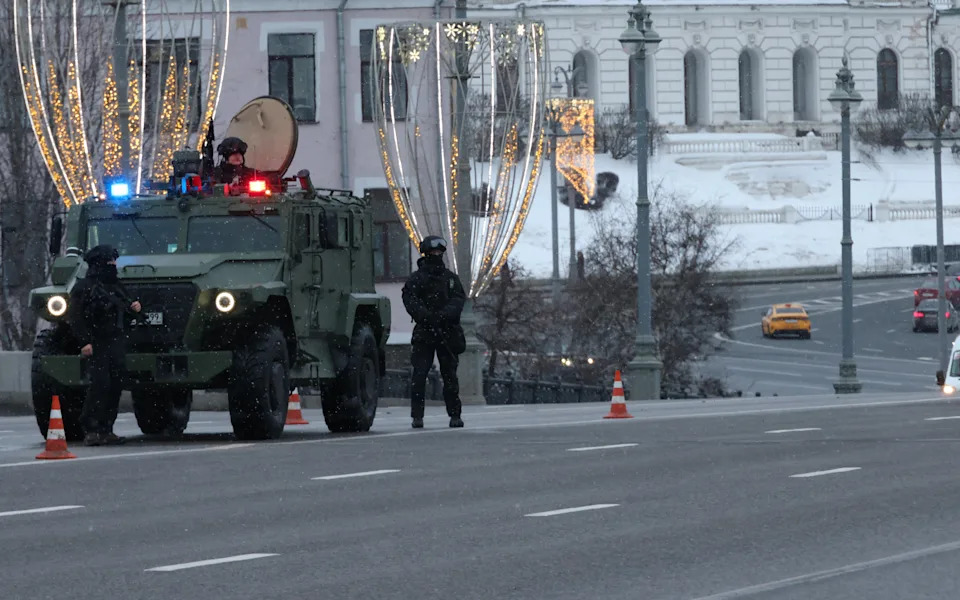
Armed officers of the Russian Federal Security Service patrol the bridge over the Moskva River opposite the Kremlin in a Tiger armored vehicle. / Contributor / Getty Images
In recent weeks the FSB announced it had disrupted 78 alleged Ukraine‑orchestrated attacks so far this year — a tally longtime observers call unprecedented. Ivan Pavlov, a lawyer who founded the First Department to aid Russians charged with treason or terrorism, told The Daily Beast that some cases serve less to protect the public and more to demonstrate the service’s indispensability to the Kremlin. "We know of concrete cases when it was the FSB calling to recruit Russians, introducing themselves as a Ukrainian special service," Pavlov said, alleging the agency sometimes acts as a recruiter to boost its success rate.
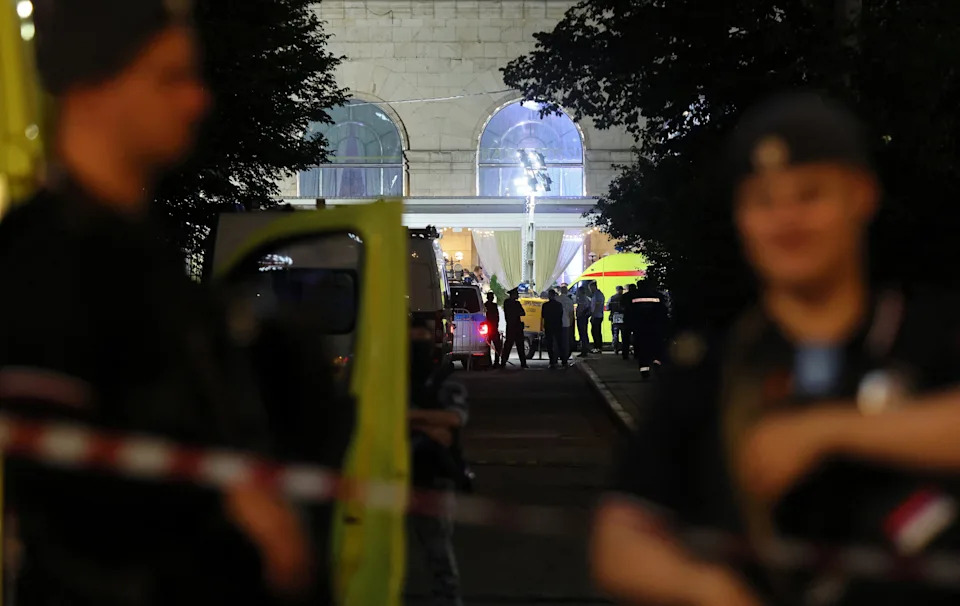
Law enforcement officers and emergency services personnel work at the site of an explosion at a restaurant in central Moscow, Russia August 2, 2026. / Anastasia Barashkova / REUTERS
High‑Profile Incidents Raise Questions

Civilians and volunteers receive shooting training by members of Russian army, special forces and security forces in Rostov, Russia on December 6, 2022. / Anadolu / Anadolu Agency via Getty Images
High‑profile attacks and the FSB’s responses have intensified scrutiny. A recent blast in a Moscow restaurant inside one of the Stalin‑era "Seven Sisters" skyscrapers was reported to have killed five people and wounded at least 20; the intended target was said to be Alexander Chaiko, commander‑in‑chief of the Russian Aerospace Forces. Authorities described the device as "homemade" and said a young woman who died in the explosion delivered it. Beyond labeling the incident a terrorist attack, the Kremlin has been unusually muted — a silence some analysts interpret as reluctance to expose intelligence failures.
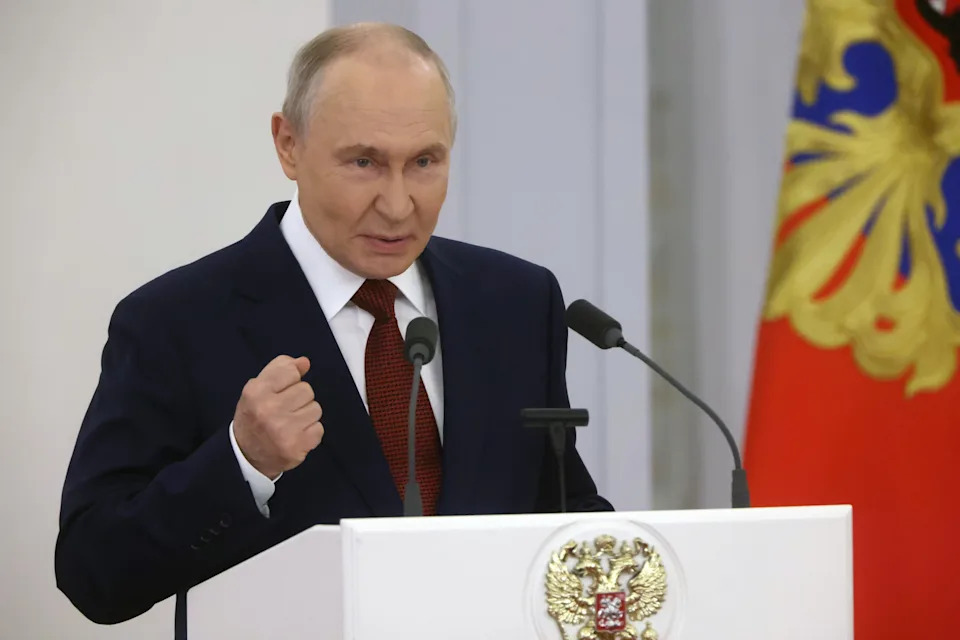
Russian President Vladimir Putin speaks at the Saint George's Hall of Grand Kremlin Palace during his meeting with State Duma deputies, on July 27, 2026 in Moscow, Russia. / Contributor / Getty Images
Mass Arrests and a Growing Terror Registry
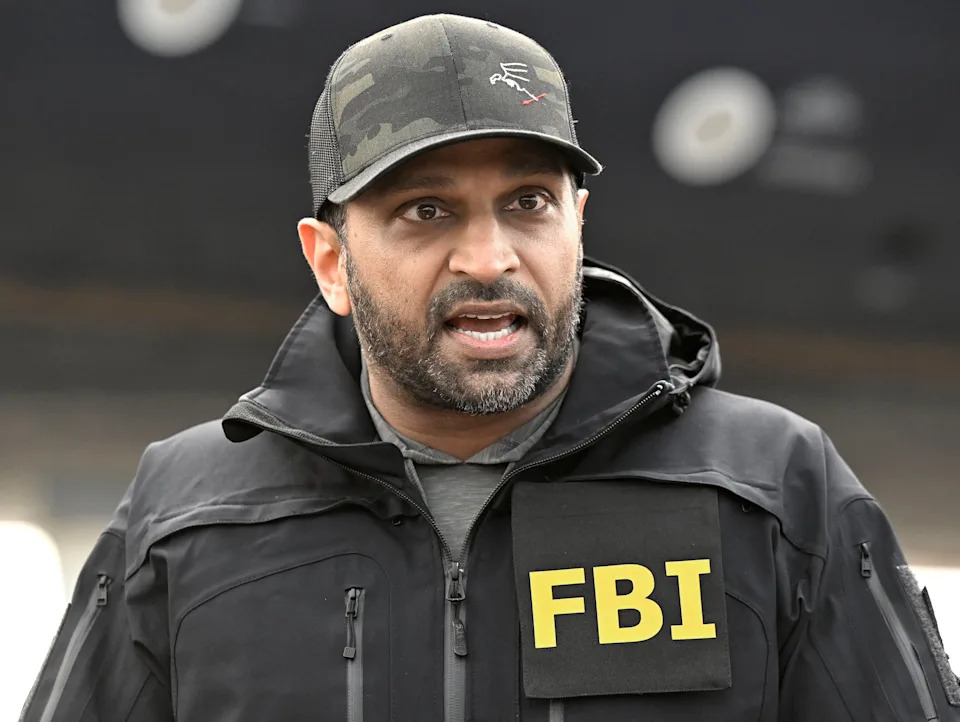
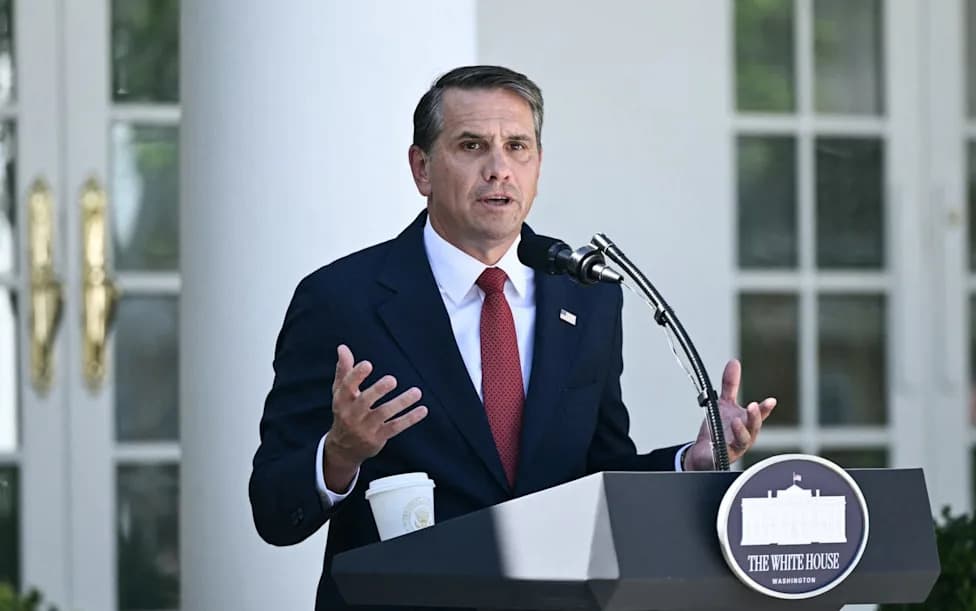
FBI Director Kash Patel has touted closer cooperation with Russia's security services amid reports of a planned trip to meet with the FSB in October. / MediaNews Group/Inland Valley Da / MediaNews Group via Getty Images
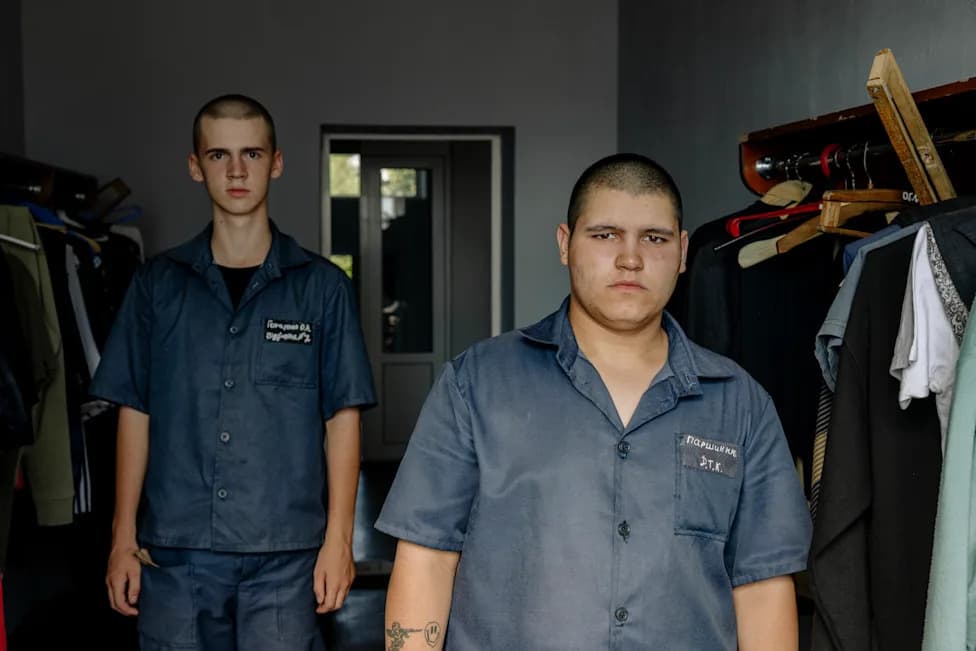
Since the full‑scale invasion of Ukraine in February 2022, Russian law enforcement has arrested hundreds of people, including at least 240 teenagers, on terrorism charges. Prominent figures such as Pavel Durov, founder of Telegram, and Tikhon Dzyadko, editor‑in‑chief of exiled Rain TV, have been listed as extremists or accused of aiding terrorism. Official registers reportedly contain more than 21,000 names this year. Last year the FSB said it disrupted 308 alleged attacks while Russian courts handed down 1,776 terrorism‑related sentences.
Critics See a Political Tool, Not Just a Security Service
Human rights advocates and independent observers argue the FSB’s priorities have shifted from defending the state against external threats to protecting the political status quo. Irina Borogan, co‑author of The Red Web, told The Daily Beast the FSB has become "a pillar of political power" that controls patronage and domestic politics. Alexander Cherkasov of Memorial described the tactics as reminiscent of "KGB repressions" and warned that many cases appear fabricated and prosecuted under the rubric of "terrorism."
International Implications
The debate over the FSB’s role comes as reports surfaced that Kash Patel, the U.S. FBI director under President Donald Trump, is planning a visit to meet FSB Director Alexander Bortnikov. The proposed trip has prompted concern inside the American intelligence community and speculation among Russian analysts about the meeting’s aims — including whether U.S. officials might seek insight into how Russia’s security services shape domestic politics.
Bottom line: Critics contend that the FSB’s widening role in domestic political control — coupled with allegations of entrapment, opaque investigations, and an expanding terrorism registry — is eroding accountability and exacerbating fear and polarization inside Russia.
Help us improve.