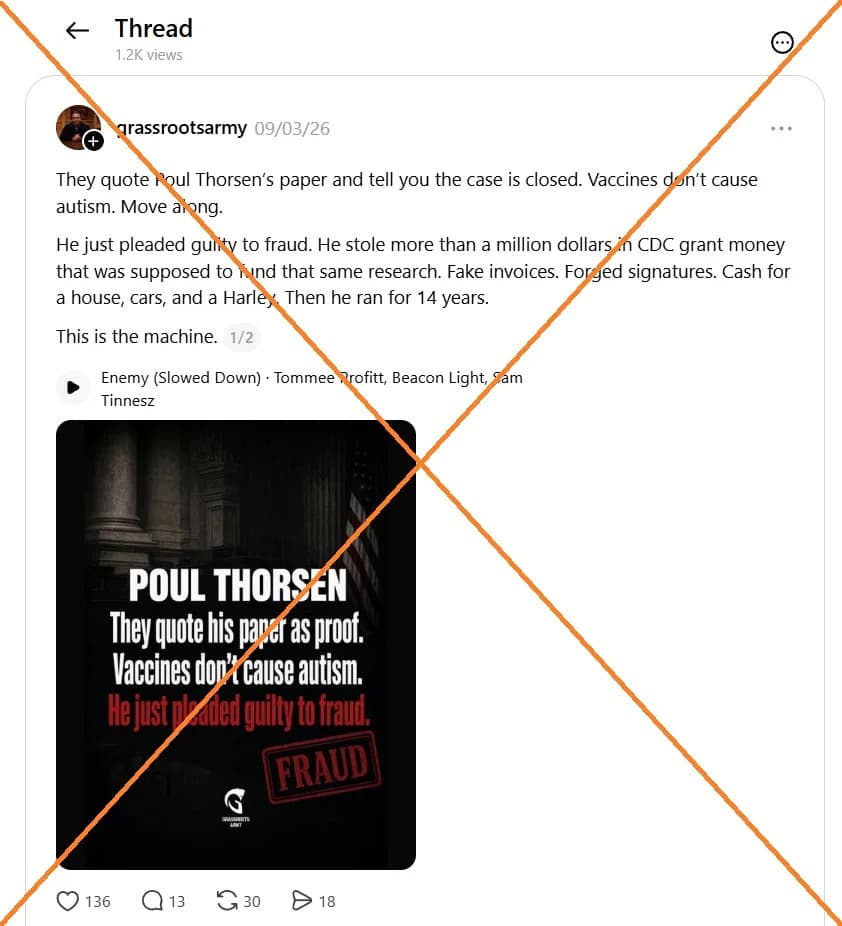
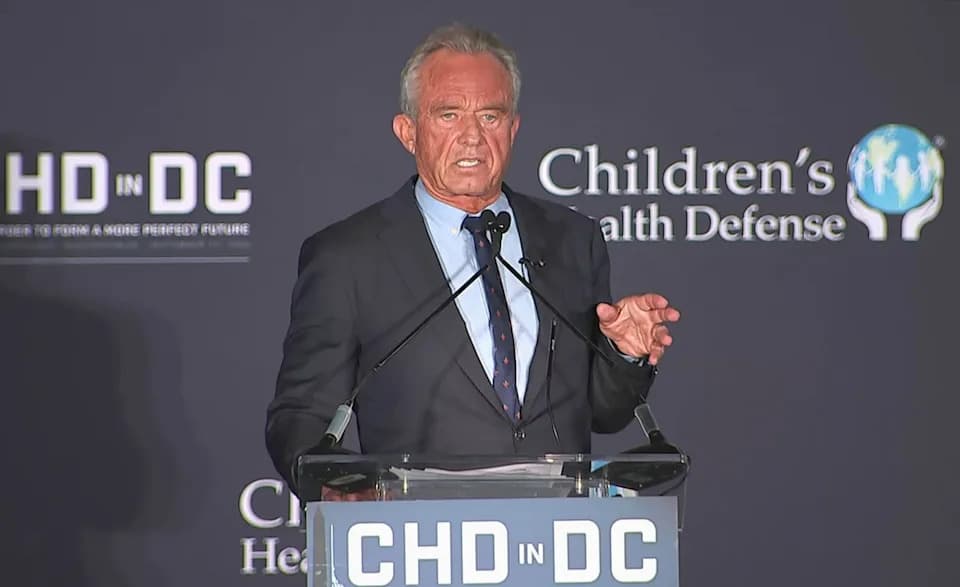
The White House is reportedly considering an executive order linking childhood vaccination policy to further autism research, but no official text has been released. Advisers have expressed concerns and news outlets emphasize the proposal is under discussion rather than finalized. WHO reviews and CDC surveillance data continue to find no evidence that vaccines cause autism; any order would likely focus on future research priorities or agency responsibilities. Observers are advised to wait for the actual wording before drawing conclusions.
White House Weighs Executive Order Linking Childhood Vaccines to Autism Research — Key Questions Remain
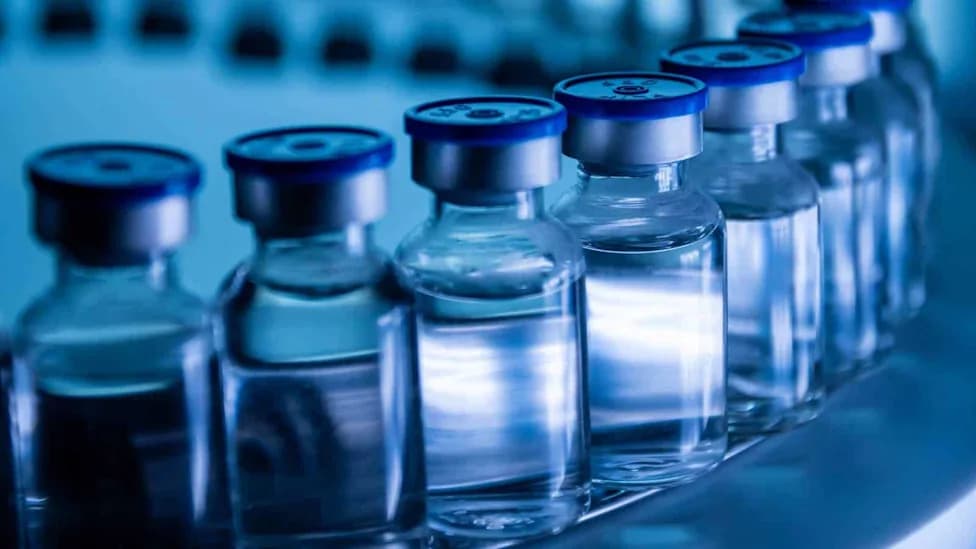
Group of Vaccine bottles. Medicine in ampoules. Glass vials for liquid samples in laboratory.
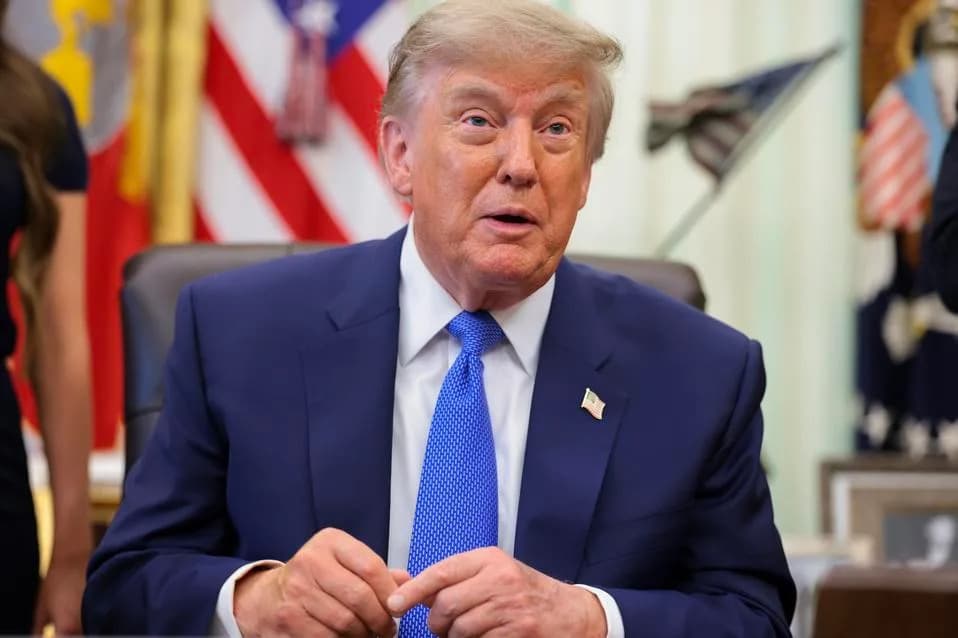
The White House is reportedly considering an executive order that would tie childhood vaccination policy to additional research on autism, reviving a contentious public-health debate. At this stage, officials say discussions are preliminary and no official text has been released.
What We Know So Far
News outlets including CNN, Reuters and Bloomberg report that administration officials have discussed a possible directive that could direct federal agencies or fund new studies related to vaccines and autism. Reporting emphasizes that this is a proposal under review rather than a finalized policy.
Key unknowns include which vaccines, if any, would be singled out; whether current immunization recommendations would change; what federal agencies would be asked to do; and how quickly any action might be implemented. The details of a signed order — its exact wording, scope and deadlines — would determine the measure's practical impact.
Internal Debate and Political Considerations
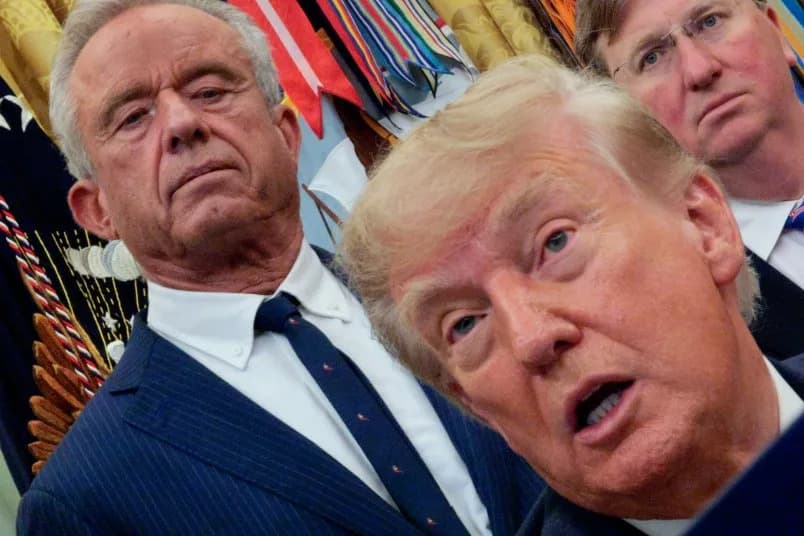
Reports say advisers inside the administration have raised concerns about moving forward with an order tied to vaccines and autism. The Washington Post noted that political advisers and pollsters have weighed in even as discussions continued. Those internal debates reflect both scientific caution and the political sensitivity of vaccine policy.
White House spokesperson Kush Desai said, "President Trump has been clear: America must have the best childhood vaccine schedule in the world." That statement expresses a general goal but provides no detail about any proposed executive order.
Scientific Context
Existing scientific reviews do not support a causal link between vaccines and autism. The World Health Organization reviewed 31 studies published from 2010 through August 2025 and concluded the available evidence does not support a causal relationship between vaccines and autism. WHO's vaccine safety advisory group specifically found no evidence that autism is caused by vaccines containing thiomersal or aluminum adjuvants.
The current reporting does not point to new scientific findings that overturn that consensus; it describes a potential policy or research initiative that would fund or direct further study rather than declare a new scientific conclusion.
Image Credit: New Africa via Shutterstock
Public Data and Why Numbers Matter
CDC surveillance data have featured in the public conversation. In 2022 the Centers for Disease Control and Prevention reported 32.2 children per 1,000 eight-year-olds (about 1 in 31) were identified with autism spectrum disorder across 16 monitored communities. Those estimates are not a simple nationwide prevalence number and vary widely by site — from roughly 1 in 103 in Laredo, Texas, to about 1 in 19 at a California surveillance site.
Those geographic differences demonstrate why surveillance figures require careful interpretation: they can highlight trends and guide research but do not by themselves explain underlying causes.
What Comes Next
The next major development will be the publication of any executive order text. If an order is issued, its precise language will determine whether the focus is on funding research, changing agency priorities, altering vaccine guidance, or taking other actions. Until a signed directive is published, observers are best served by awaiting the actual text rather than drawing conclusions from early reporting and internal deliberations.
The administration has already announced autism-related efforts, including NIH investments in data science and support for clinical trial work; a signed order would add another element to that broader agenda.
Bottom line: Discussions are underway, but no policy change has been finalized. Watch for a published executive order to evaluate the substance and likely effects.
Image Credit: New Africa via Shutterstock
Which part of the vaccine-and-autism conversation do you think deserves the most attention as this story develops?
Help us improve.