Key point: Poul Thorsen’s guilty plea for stealing CDC grant money concerns financial crimes and does not, by itself, invalidate a 2002 NEJM study or the large body of subsequent research showing no link between the MMR vaccine and autism. The NEJM and the study’s lead author say Thorsen did not handle or analyze the study data. Multiple major reviews and large-scale studies through 2026 continue to find no causal association between MMR vaccination and autism.
Guilty Plea Over Grant Theft Doesn’t Invalidate MMR–Autism Research, Journal And Scientists Say
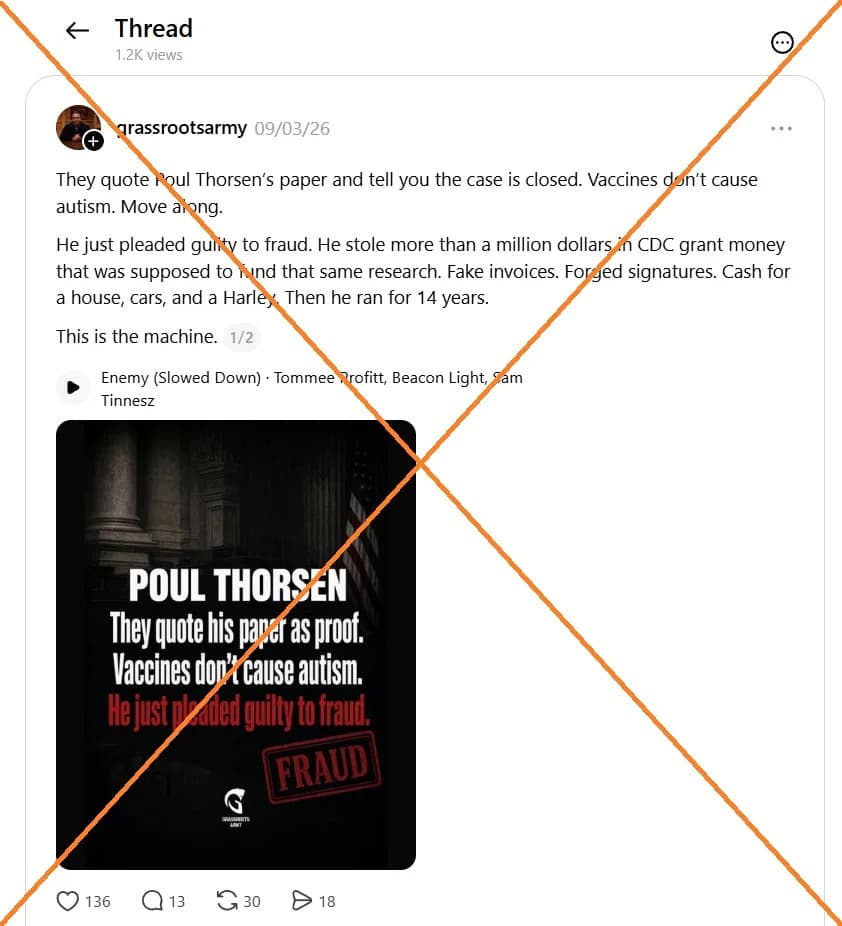
Screenshot of a Threads post taken September 30, 2026
A Danish researcher, Poul Thorsen, pleaded guilty on September 1 to operating a scheme that stole more than $1 million in CDC grant funds. His sentencing is scheduled for December 1. The criminal charges involve wire fraud and money laundering for personal use — not allegations about the scientific integrity of the studies on which he is named.
Thorsen was a co-author on a 2002 New England Journal of Medicine (NEJM) paper titled "A Population Based Study of Measles, Mumps, and Rubella Vaccination and Autism," which reported "strong evidence against the hypothesis that MMR vaccination causes autism." After Thorsen’s indictment and more recently his guilty plea, the NEJM reviewed the matter and told AFP it found no problems with the paper and that the study’s findings remain valid.
Role Of Thorsen In The 2002 Study
Lead author Kreesten Madsen has said the study’s core data work — acquisition, initial analysis and interpretation — was conducted without Thorsen and that he did not have access to the study data. In other words, the criminal case centers on financial misconduct, not on manipulation of the published dataset for that article.
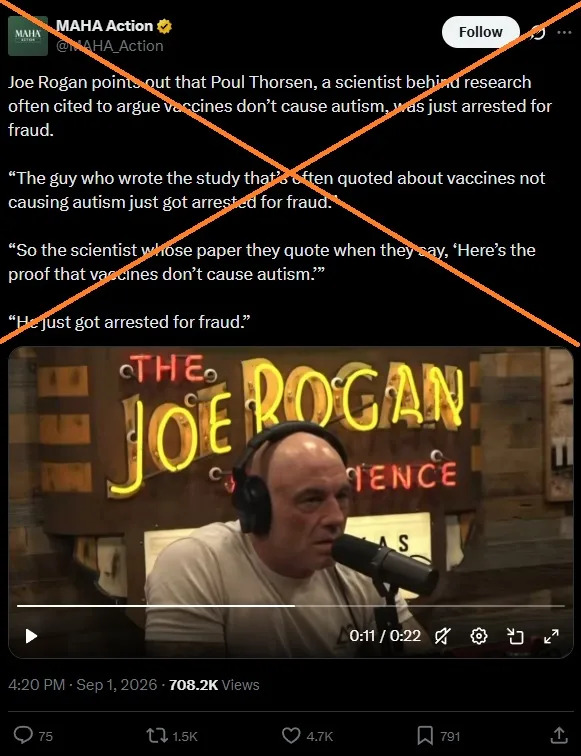
Screenshot from X taken September 30, 2026
Broader Evidence And Consensus
Subsequent large, well-designed studies and systematic reviews have consistently found no causal link between MMR vaccination and autism spectrum disorder (ASD). The Cochrane Review concluded in 2020 that MMR and related combination vaccines are effective and are not associated with an increased risk of autism. A major 2026 U.S. study of more than 2.5 million children likewise found no association between MMR vaccination before 24 months and childhood autism.
"The study's findings remain valid and are consistent with extensive subsequent research showing no link between MMR vaccination and autism," an NEJM spokesperson told AFP.
Misinformation And Public Debate
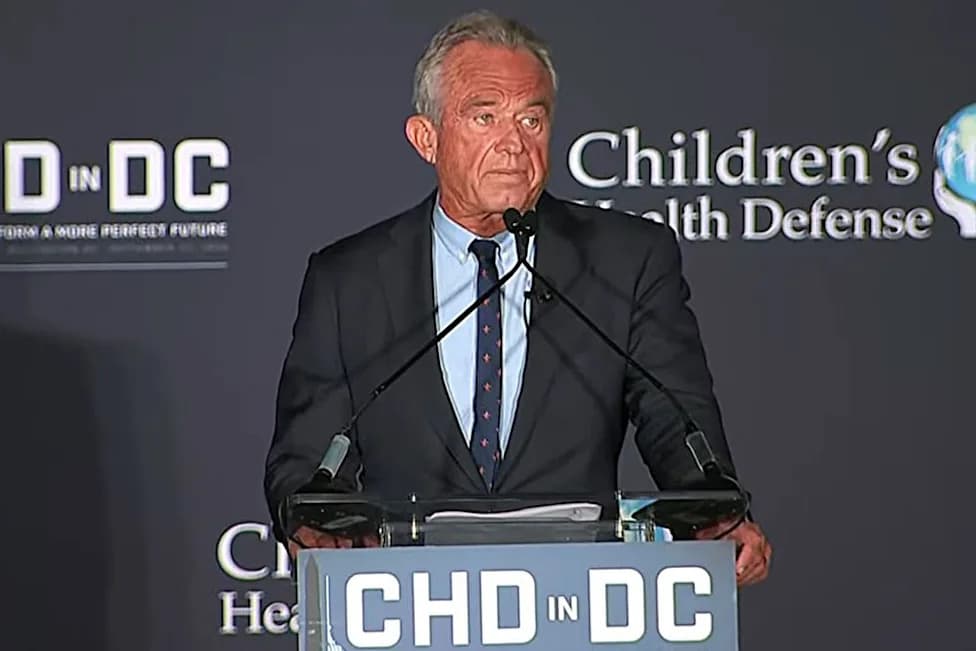
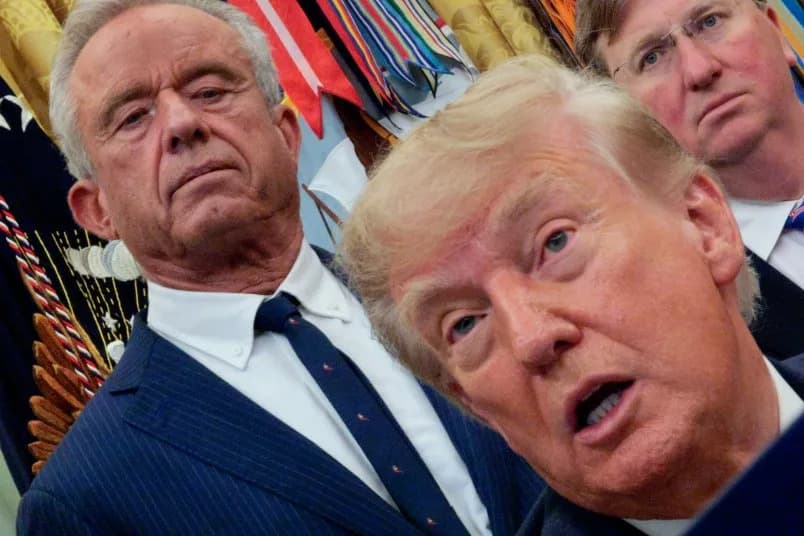
Persistent misinformation about vaccines and autism largely stems from Andrew Wakefield’s discredited 1998 paper, which was later retracted and resulted in his removal from the UK medical register. High-profile figures and some commentators have continued to amplify inaccurate claims, and those messages can spread widely on social platforms — as happened after Thorsen’s plea when social posts and podcast clips suggested the 2002 NEJM paper was invalidated.
Public health bodies — including the World Health Organization and the American Academy of Pediatrics — continue to endorse MMR vaccination as safe and effective. Experts emphasize that Thorsen’s legal admission concerns embezzlement and does not automatically negate the substantial, independently replicated evidence that the MMR vaccine is not a cause of autism.
Help us improve.