The Dunellen, N.J., police hid an officer in a hedge for six hours and issued 74 distracted-driving citations, exposing how hard it is for standard patrols to detect phones held in laps. NHTSA data show thousands of deaths and injuries involve distraction, and IIHS research found handheld calls fell about 25% after Arizona’s ban while scrolling and swiping barely changed. Experts say visible, consistent enforcement — or costly technologies like drones and AI cameras — are needed to make laws effective.
Officer Dressed As A Bush Writes 74 Texting-While-Driving Tickets — And Reveals A Bigger Problem
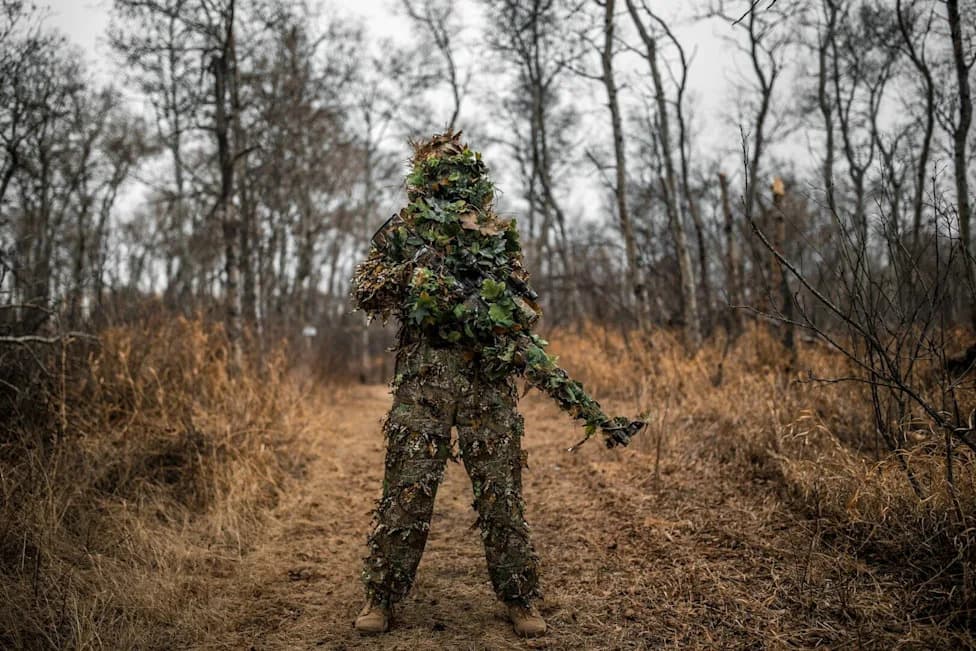
New Jersey Police Dressed Up As Bushes To Catch Texting Drivers
An officer with the Dunellen (N.J.) Police Department spent six hours concealed inside a roadside hedge, wearing green camouflage and a ghillie-style suit, and issued 74 distracted-driving citations in a single shift. The image of a “bush cop” makes for a memorable local scene, but the tactic highlights a deeper enforcement gap: phones held in laps are often invisible from a moving patrol car at lawful following distances and speeds.
How The Tactic Worked
The officer positioned himself at eye level with the shrubbery along the town’s main road and watched traffic pass. Drivers focused on their screens frequently never registered the officer or the marked patrol vehicle farther up the road. In six hours the department issued 74 tickets — roughly one every five minutes — demonstrating how much of distracted driving occurs out of an officer’s normal sightline.
The Stakes And The Data
The stakes are high. According to the National Highway Traffic Safety Administration, 3,208 people were killed in crashes involving distracted drivers in 2024, and 315,167 were injured. NHTSA also notes that reading or sending a text takes roughly five seconds, which at 55 mph is equivalent to driving the length of a football field without looking at the road.
"There are no reliable estimates of the number of crashes caused by distracted drivers."
That blunt observation from the Insurance Institute for Highway Safety (IIHS) underscores a central problem: authorities can count deaths where distraction was present, but cannot always determine how many crashes distraction actually caused.
What Studies Show About Laws And Enforcement
An IIHS study published in October 2025 examined Arizona after the state adopted a full ban on merely holding a phone while driving. Researchers analyzed anonymized telematics data from insurance safe-driving apps and found handheld phone calls fell by roughly 25%, but "phone manipulation" — scrolling, typing and swiping — barely changed. In other words, drivers stopped holding phones to their ears but frequently continued to manipulate devices out of sight, in laps.
IIHS previously observed mixed results nationwide: some states saw declines in certain crash types after handheld bans, while others did not. Researchers point to enforcement as the deciding factor. In Arizona, state police warnings fell by about 25% and citations dropped by roughly 33% between 2021 and 2024, declines researchers link in part to pandemic-era staffing cuts that did not fully reverse.
Technology, Cost, And The Small-Town Trade-Off
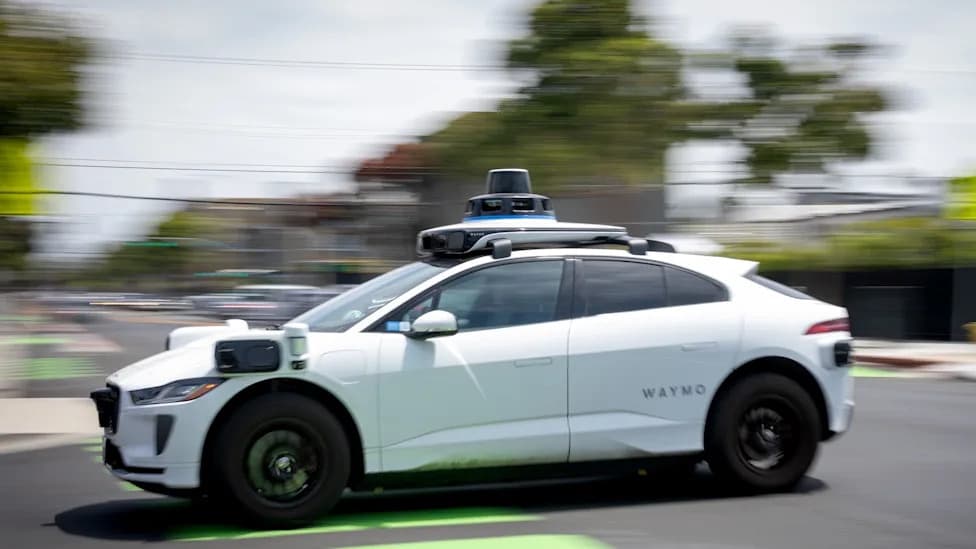
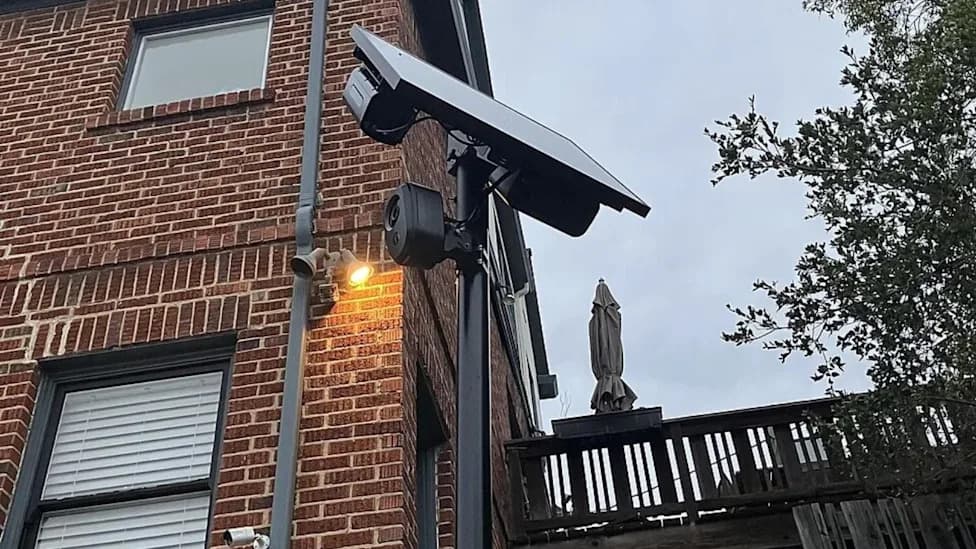
Larger agencies are experimenting with technological workarounds that make hidden phone use visible: Georgia sheriff's teams have used drones to view drivers from above, and Minnesota has trialed AI-equipped roadside cameras that automatically flag suspected phone use. Both approaches replicate the hedge tactic’s key advantage — they let enforcement actually see the violation — but at far greater cost. For many small departments, a camouflage suit is an affordable workaround to a visibility problem that more advanced tools solve only with significant investment.
Unmarked patrol cars are another low-tech approach: drivers who spot a traditional cruiser will change behavior immediately, so blending into traffic can reveal the behaviors that only appear when motorists think they are unobserved.
Telematics: The Hidden Recorder In Your Pocket
Crucially, the IIHS Arizona study used telematics data from insurance companies’ safe-driving apps, not police radar or cameras. Many usage-based insurance programs rely on a phone’s accelerometer to log pickups and swipes above roughly 9 mph. Those apps capture device interactions whether or not an officer, drone, or bush is present — meaning drivers who opt into discounts should assume their insurer may already have records of phone use while driving.
A Precedent: Enforcement That Changes Behavior
IIHS president David Harkey points to seat-belt enforcement as a model: belt use rose not from better-written laws but from visible, credible enforcement campaigns like Click It or Ticket. Distracted driving has not yet had an equivalent national enforcement moment; instead, two decades of new laws have often been paired with inconsistent and shrinking enforcement. The Dunellen officer in a ghillie suit is not a long-term solution but a symptom of how far some departments must stretch, with limited funds, to convince drivers someone is watching.
Bottom line: The costume is the attention-grabbing detail. The real story is that current enforcement tools can’t reliably spot phone manipulation in many typical traffic conditions — and without visible, consistent enforcement (or expensive tech), laws alone may not change risky driver behavior.
Help us improve.